
The content on this page has been converted from PDF to HTML format using an artificial intelligence (AI) tool as part of our ongoing efforts to improve accessibility and usability of our publications. Note:
- No human verification has been conducted of the converted content.
- While we strive for accuracy errors or omissions may exist.
- This content is provided for informational purposes only and should not be relied upon as a definitive or authoritative source.
- For the official and verified version of the publication, refer to the original PDF document.
If you identify any inaccuracies or have concerns about the content, please contact us at [email protected].
FRC Annual Report and Financial Statements for the year ended 31 March 2018
The Report of The Financial Reporting Council Limited (‘FRC' or 'Company') as the body designated by a delegation order under section 1252 of the Companies Act 2006 and the Report of the Independent Supervisor is presented to Parliament pursuant to sections 1231(3) and 1252(10) of, and paragraph 10(3) of Schedule 13 to, the Companies Act 2006.
The Report of the Independent Supervisor is also presented, pursuant to section 1231(2), to:
- The First Minister in Scotland;
- The First Minister and Deputy First Minister in Northern Ireland; and,
- The First Minister for Wales and is laid before the National Assembly for Wales pursuant to section 1231(3A) of the Companies Act 2006.
Ordered by the House of Commons to be printed on 11 October 2018
HC 1311
The Financial Reporting Council Limited 2018
The text of this document (excluding logos) may be reproduced free of charge in any format or medium providing that it is reproduced accurately and not in a misleading context. The material must be acknowledged as FRC copyright and document title specified. Where third party material has been identified, permission from the respective copyright holder must be sought.
Any enquiries regarding this publication should be sent to us at:
The Financial Reporting Council Limited 8th Floor 125 London Wall London EC2Y 5AS
This document is also available on the FRC website at www.frc.org.uk
Registered number: 02486368
Print ISBN 978-1-5286-0423-9
Web ISBN 978-1-5286-0354-6
ID CCS0418514448
- 1. Strategic Report
- 2. Chairman's statement
- 4. Chief Executive's report
- 11. Our regulatory model
- OUR REGULATORY MODEL
- STRATEGIC PRIORITIES
- Promoting high quality audit and assurance
- Promoting corporate governance and investor stewardship with a long-term focus
- Promoting true and fair reporting
- Promoting high quality actuarial work
- Effective enforcement
- Operating effectively and efficiently
- Employee engagement and view of FRC leadership
- UK's exit from the EU
- International influence
- LISTENING TO STAKEHOLDERS
- RISK MANAGEMENT
- 2017/18 – VIABILITY STATEMENT
- FINANCIAL REVIEW
- GOVERNANCE AND TRANSPARENCY
- HOW WE ARE GOVERNED
- OUR BOARD MEMBERS
- BOARD COMPOSITION AND DIVERSITY
- SUCCESSION AND INDUCTION
- THE ACTIVITIES OF THE BOARD
- 2. How We Are Governed
- 3. Our Board Members
- 4. Board Composition and Diversity
- 5. Succession and Induction
- 6. The Activities of the Board
- 2. How We Are Governed
- 3. Our Board Members
- 4. Board Composition and Diversity
- 5. Succession and Induction
- 6. The Activities of the Board
- 8. Succession and Induction
- 9. The Activities of the Board
- GOVERNANCE
- FINANCIAL STATEMENTS
- NOTES TO THE FINANCIAL STATEMENTS
- 2. OPERATING EXPENSES
- 3. TAXATION
- 4. STAFF AND RELATED PEOPLE COSTS (INCLUDING DIRECTORS)
- 5. FINANCIAL RISK MANAGEMENT
- 6. INTANGIBLE ASSETS
- 7. TANGIBLE ASSETS
- 8. DEBTORS
- 9. CASH AND INVESTMENTS HELD
- 10. CREDITORS - AMOUNTS FALLING DUE WITHIN ONE YEAR
- 11. CREDITORS - AMOUNTS FALLING DUE AFTER MORE THAN ONE YEAR
- 12. SIGNIFICANT TRANSACTIONS WITH OTHER STANDARD-SETTERS
- 13. PROVISIONS FOR LIABILITIES
- 14. COMMITMENTS
- 15. RELATED PARTY TRANSACTIONS
- 16. LIABILITY OF MEMBERS
- APPENDICES
- (II) STATUTORY OVERSIGHT OF LOCAL AUDIT
- (III) REPORT OF THE INDEPENDENT SUPERVISOR ON THE AUDITORS GENERAL
- (IV) REPORT ON REGULATION OF THIRD COUNTRY AUDITORS
- (V) OVERSIGHT OF THE INSTITUTE AND FACULTY OF ACTUARIES
- (VI) ACCOUNTANCY OVERSIGHT
- APPENDIX 2
1. Strategic Report
1.1 2017/18 highlights
FRC MISSION AND VALUES
We have revised our mission and refined our values, to respond to changes in the external environment and ensure our culture supports our mission and role. This process was carried out with a significant amount of staff input.

ISSUED A CONSULTATION ON PROPOSED REVISIONS TO THE UK CORPORATE GOVERNANCE CODE
Our consultation, issued in December 2017, was the result of a wide-ranging review, responded to wider developments affecting corporate governance as well as proposing a shorter and sharper Code that continues to encourage high standards in governance. Over 270 respondents engaged with this consultation.
AUDIT QUALITY
This was our first full year as Competent Authority for statutory audit in the UK (Competent Authority). This role encompasses a variety of activities relating to the entire statutory audit market, including setting standards and related requirements and monitoring the quality of the audits of public interest entities. There has been a decline in audit inspection results this year, with declines observed at all the largest firms and most significantly at one firm. We are taking actions including: assessing responses to our concerns over various aspects of bank audits in particular, reviewing the effectiveness of audit firms' root cause analysis, agreeing actions with firms on all audits where shortcomings were identified and taking enforcement action under the Audit Enforcement Procedure when appropriate. We have also implemented a new audit firm monitoring and supervisory approach, focusing on five key pillars of leadership and governance, firm values and behaviours, business models and financial soundness, risk management, and evidence of audit quality.
ENFORCEMENT CASES
The speed of investigations is improving; we have reviewed our sanctions; and, as Competent Authority the revised test for new audit cases is now a breach of relevant requirements and not solely misconduct, although that remains the test for members of the profession in business.
A number of cases were closed this year, with significant fines awarded, including the largest fine at the time of £5.1million for PwC in relation to its audit of RSM Tenon Group plc.
Our report about our closed investigation into KPMG's audit of HBOS explains what we did as part of that investigation and the lessons we learned, including the need to be more proactive and open about progress with cases.
PROMOTION OF TECHNICAL ACTUARIAL STANDARDS
Our outreach programme, to raise awareness of the new technical actuarial standards (that were issued in December 2016) was judged a success, reaching over 2,000 actuaries across the UK.
TRIENNIAL REVIEW OF FRS 102 COMPLETED Following significant consultation with stakeholders the Triennial review 2017 amendments were issued in December
- These responded to stakeholder feedback, making UK and Ireland accounting standards (FRS 102 The Financial Reporting Standard applicable in the UK and Republic of Ireland in particular) simpler to apply and more cost-effective.
2. Chairman's statement
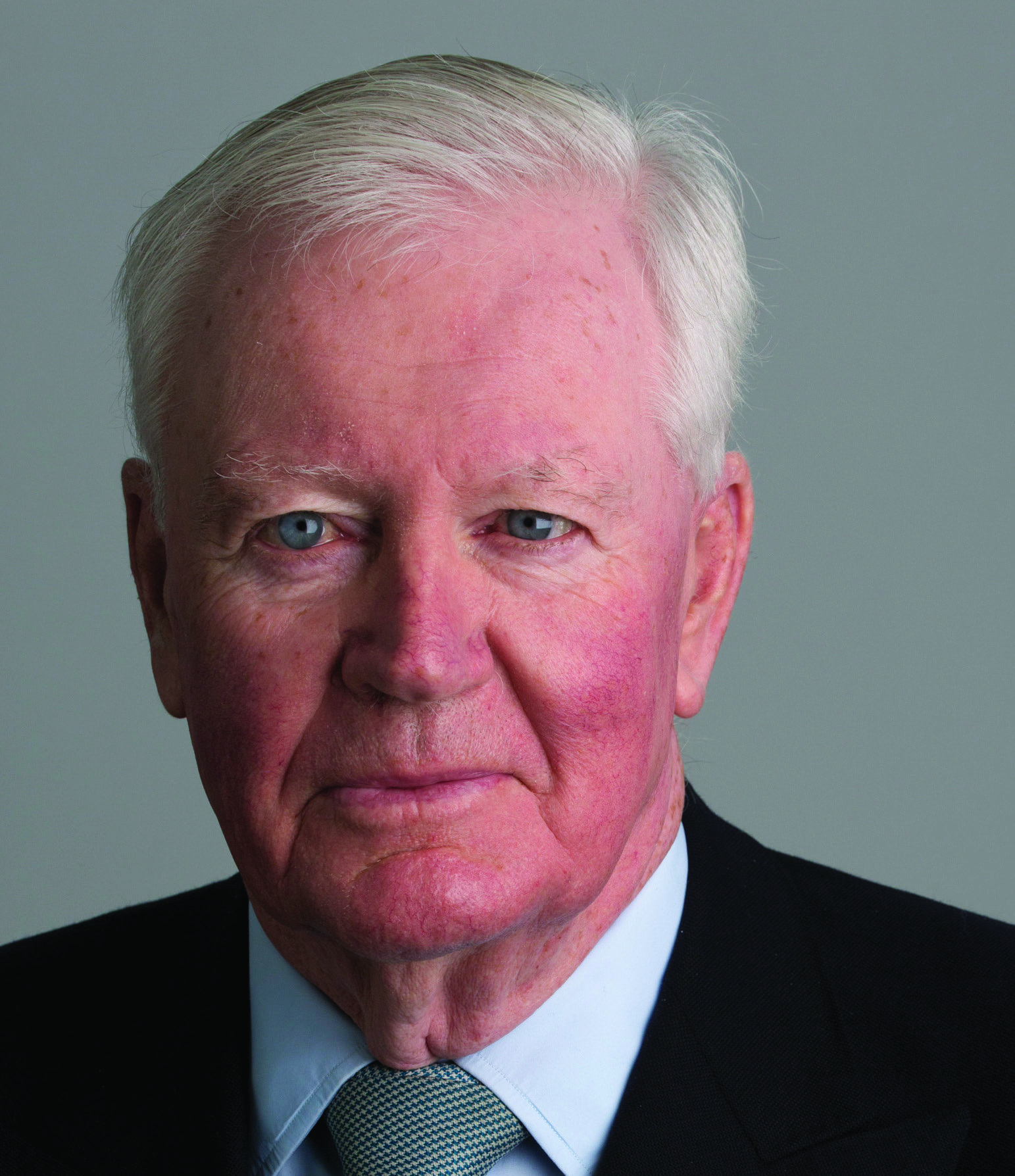
SIR WINFRIED BISCHOFF CHAIRMAN
This has been a year marked by uncertainty in the external environment in which we operate. There have been calls for changes to the way in which businesses are run, and for the FRC itself to operate in different ways.
A few high-profile business failures, including Carillion, continue to shine a spotlight on corporate governance, reporting and auditing. The economy relies on companies and directors taking managed risks transparently and business failures ultimately are the responsibilities of boards and management. Our role, which we carry out in the public interest, and our mission to promote transparency and integrity in business, seek to contribute to confident investors, sound decisions in the long-term interest of businesses and the wider economy, and effective capital markets and trust in business. Public and investor expectations change over time in response to economic, societal, technological and environmental developments. We, as much as businesses and the accounting and actuarial professions, need to respond to these changes.
Over time the FRC has had to evolve and during this year also we have made a number of changes. In particular our Enforcement activities have changed significantly in the last few years. An increasing number of staff are dedicated to this role; we have stronger powers as Competent Authority; we have followed up on recommendations to increase efficiency and timeliness; and we have become more open about how we reach our decisions. We have also recently updated our Sanctions Guidance. Cases necessarily take time to conclude, which has meant that the impact of the investment in these changes to our operations has taken time to be visible. The fact that there has been a notable increase in concluded cases over the last 18 months is the outcome of actions taken over the last three years. Generally current cases continue to progress in line with our new target for timeliness.
A significant change this year, relevant to all the FRC's activities, was the review of our mission. This was part of our culture project. We also updated our values and supporting behaviours. Our resultant new mission is to promote transparency and integrity in business. As well as guiding our regulatory decision-making, this affects how we communicate with those we regulate and our wider stakeholders.
Our current and future projects, which reflect our response to the external environment, include:
- a review of the UK Corporate Governance Code designed to promote further improvements in the quality of governance. This involved input, largely very positive, from a broad range of stakeholders.
- reinvigoration of the Stewardship Code.
- consideration of how audit should evolve and how future corporate reporting models might develop.
- overseeing the work of the Institute and Faculty of Actuaries (IFOA) as it develops a scheme to monitor the quality of actuaries' work. The new regime has been developed in the public interest and, subject to the outcome of the IFoA's consultation, will be implemented in 2019.
The Government has announced a review of the FRC to be led by Sir John Kingman. Our work, as well as sound stewardship from investors, is important to the functioning of capital markets and public confidence. There have been calls for us to operate in different ways, including criticism of our effectiveness in holding auditors, in particular, to account. The Kingman Review aims to make the regulatory system as effective and credible as needed, a beacon for the best in governance, transparency and independence. We welcome it and its intention to ensure that the FRC is equipped with the best regulatory practice, processes and powers to meet changing public expectations, and to enable us to take on any new responsibilities after the UK's exit from the EU. During the year we made changes to the composition of our Board in order to strengthen further its breadth of skills. We have retained investor experience and appointed two new Non-Executive Directors with broad public sector and stakeholder experience. We have reduced the number of executive appointments with Paul George and Melanie Hind standing down from the Board on 31 March
- Both continue to lead their functions in their executive capacity. I thank them for their contribution to our Board deliberations over the years and I welcome Julia Unwin and Jenny Watson who joined us from 1 April 2018.
The FRC Board is supported in achieving its mission by our committed and skilful executive team and our excellent staff. The FRC is a relatively small organisation, with fewer than 200 staff, yet it has delivered much over the years and aims to do so in the future. On behalf of the Board I place on record our gratitude and appreciation for the staff's commitment in a year which can be characterised as challenging. I would like to thank them for their continued contribution to our work.
SIR WINRFIED BISCHOFF CHAIRMAN 4 July 2018
4. Chief Executive's report

STEPHEN HADDRILL CHIEF EXECUTIVE
PROGRESS DURING 2017/18
This report discusses progress against the priorities set out for 2017/18 and then looks forward to 2018/19 and beyond.
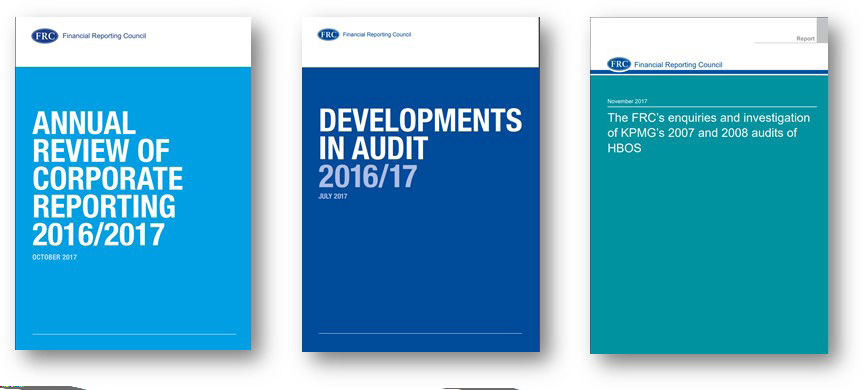
Much has been achieved during the year. Our programme for the year included a number of specific projects as well as our programmes of reviews of corporate reporting and auditing and casework relating to enforcement. Key reports issued this year include Developments in Audit 2016/17, Annual Review of Corporate Reporting 2016/17 and The FRC's enquiries and investigation of KPMG's 2007 and 2008 audits of HBOS. During the course of the year the FRC made significant progress in leading a comprehensive review of the UK Corporate Governance Code; in establishing ourselves as the Competent Authority and in accelerating our work on enforcement (bringing a significant number of cases to conclusion). We also and consulted on our strategy for 2018/21.
Corporate reporting
This year, we completed 220 reviews (2017: 203 reviews) of corporate reports, an increase of 8% over the previous year. We continued to find a generally good quality of reporting. We wrote to 44% of companies reviewed, for further explanation and information which in many cases will lead to change in future reports. In a small number of cases (6, 2017:4), when a reporting improvement was of greater significance, this was highlighted by an FRC press notice or in the company's financial statements. We review accounts where change has been necessary in future years.
Building on the positive feedback we received in relation to our thematic review of tax reporting in 2016, we conducted three thematic reviews in the year: judgements and estimates, pension disclosures and alternative performance measures. We pre-informed companies of our plan to review a specific aspect of their accounts and published the best of the disclosures we saw, indicating 'what good looks like'. This enables other companies to measure the quality of their own reporting and review and revise their disclosures to meet FRC expectations.
We continue to contribute to the development of International Financial Reporting Standards (IFRS), its endorsement for use in the European Union (EU) and its application in the reports and accounts of companies listed on UK markets. The International Accounting Standards Board (IASB)'s Conceptual Framework was finalised in March 2018 and clarified a number of matters, including the roles of prudence and stewardship, that we had raised with the IASB during its development.
11. Our regulatory model
In addition to large public interest companies, the FRC has roles that relate to smaller businesses, which are also important to innovation and growth in the economy. This year we completed our first periodic review of UK accounting standards. As a result we were able to make a number of targeted changes to the standards that improved their cost-effectiveness without compromising on information that is useful to users.
Audit
This was our first full year as Competent Authority. That role includes setting standards, monitoring audit quality, taking enforcement action and delegating, under the direction of the Secretary of State, various oversight tasks to the Recognised Supervisory Bodies (RSBs). Our role continues to strengthen, with further implementation of the new statutory regime and innovation in the way we monitor firms and seek to encourage continuous improvement in audit quality.
We report on our activities as Competent Authority (including enforcement) through this report, our annual Developments in Audit 2016/17 report and reports on individual audit firms, casework and thematic reviews. Our annual work programme is set out in our annual plan.
In 2017 we set the auditors of FTSE 350 companies a target that, by 2018/19, at least 90% of those audits inspected should require no more than limited improvements. This year our assessment of the reviews we carried out was that 73% (2017: 81%) achieved this standard. This is a decline in audit inspection results this year, with an unacceptable deterioration in quality at one firm, KPMG. The quality of audits must be improved, and quickly if the target we set is to be met. All firms have proved themselves capable of delivering high quality audits, but to varying degrees have not delivered this consistently across the range of audits we have reviewed. We are holding KPMG to account, in relation to its action plans, and have increased our planned inspections of its work for 2018/19. We have highlighted shortcomings to all the firms, including looking for a renewed focus on group audits, challenge of management and the audit of pension balances. We are reviewing the effectiveness of firms' root cause analysis, and whether their action plans will effectively address our concerns. We have also referred a number of cases of significant adverse findings for consideration for enforcement action. Our audit quality thematic review *Materiality
-
issued in December 2017 noted that the majority of messages for firms from our last report on the topic (in 2013) had been addressed, including an increased emphasis on the role of judgement in determining materiality. However, more can be done to explain the concept of materiality in audit reports. This year, in addition to our reviews of audits, we have focused on the quality of the leadership in the largest audit firms. Our report *Audit Culture Thematic Review
-
issued in May 2018 was based on work that was substantially carried out during 2017/18. It is important that firms create a culture where achieving high quality audit work is valued and rewarded, and which emphasises the importance of 'doing the right thing' in the public interest. We found evidence that the firms we reviewed were investing considerable time and effort in their firm-wide culture. We identified areas of strength and areas where more should be done to establish and embed an appropriate audit culture. We plan to follow up on the findings of this review within three years and will test whether there is evidence of success such as improved stakeholder confidence and improved audit quality findings.
There is considerable public discussion about competition in the audit market, including the impact of the reforms relating to tendering and the impact of non-audit services. Our Developments in Audit 2016/17 report noted that the big four firms had increased their share of the FTSE 350 audit market, although there has been some redistribution between them and some evidence of less concentration by particular firms in certain sectors. Concentration at the top end of the audit market remains a serious concern. Any of the largest firms leaving the audit market under current conditions would lead to serious shortcomings in its operation and we are discussing this issue with the Competition and Markets Authority. However, there is no easy solution and it is essential that any potential remedies do not result in further market concentration or reduce audit quality.
In April 2018 we announced innovative plans to enhance our monitoring of the six largest audit firms; in addition to our work on audit quality we will be seeking evidence about leadership and governance, firm values and behaviour, business models and financial soundness, risk management as well as evidence of audit quality. This audit firm monitoring and supervisory approach aims to avoid systemic deficiencies that could impact on audit quality and ultimately the stability of the financial markets. Although we do not have specific powers in this area it is supported by the firms and we believe it will inform our supervision of the firms and contribute to high quality audit.
Enforcement
Our Enforcement Division has implemented the recommendations from an internal review aimed at increasing efficiency and timeliness, and is making use of enhanced powers in relation to audit investigations. This includes improved interaction with other regulators. Complex investigations need to be undertaken thoroughly and must take time, but we are committed to meeting our target to complete new investigations within two years. This has been set to reflect the often complex and extensive nature of the cases, and to allow for detailed and rigorous legal and evidential analysis necessary for a tribunal.
As Competent Authority the Audit Enforcement Procedure has given us stronger powers for effectively holding auditors to account for failings in their audit work and changed the threshold required from misconduct to a breach of relevant requirements. The Accountancy Scheme, which applies to accountants in business, is still based on misconduct. We believe that the Accountancy Scheme should be replaced with a new statutory regime aligned with and similar to the Audit Enforcement Procedure. In March 2017 we announced that an independent review of our sanctions would be undertaken, led by Lord Justice Christopher Clarke. This review was conducted during the year and reported in October
- Since 31 March 2018 we have announced that we have implemented the recommendations, including increased periods of exclusion from the profession and greater use of non-financial penalties. We have also increased the levels of fines. The sanctions available are intended to be effective and proportionate in respect of promoting high standards of audit quality.
A number of cases have been concluded this year with significant fines resulting, including a fine of:
- £5.1 million for PwC in relation to its audit of RSM Tenon Group plc;
- £5.0 million for PwC in relation to its audit of Connaught plc; and
- £1.8 million for EY in relation to its audit of Tech Data.
| 2017/18 £m | 2016/17 £m | 2015/16 £m | |
|---|---|---|---|
| Total financial penalties imposed | 13.1 | 9.3 | 1.3 |
| 2017/18 Number | 2016/17 Number | 2015/16 Number | |
|---|---|---|---|
| Number of financial penalties imposed | 11 | 13 | 6 |
| Number of non-financial penalties imposed | 11 (including 2 exclusions) | 16 (including 7 exclusions) | 12 (including 5 exclusions) |
Since the year end we have announced the conclusion of further cases, including fines for KPMG of £3.15 million in relation to its audit of Quindell plc and for PwC of £6.5 million in relation to its audit of BHS and the Taveta Group. These fines are stated after settlement discounts
- the fine for PwC was £10.0 million before the settlement discount, which is the highest ever awarded by the FRC.
Our report The FRC's enquiries and investigation of KPMG's 2007 and 2008 audits of HBOS, issued in November 2017, discussed our work on this investigation and the lessons learned. Our investigation into KPMG's audit of HBOS was closed as we concluded that a successful case could not be brought. Our report explains what we did as part of that investigation and how the decision was reached. The lessons learned included a need to be more proactive, not waiting for others to conclude their investigations first, and to increase openness in communicating information about and progress with cases. We have since made a number of steps to address this, for example in relation to Carillion we provided an update on our investigations in May 2018 highlighting key activities that were underway.
UK Corporate Governance Code
The consultation on proposed changes to the UK Corporate Governance Code attracted over 270 responses from a variety of stakeholders with an interest in corporate governance, demonstrating a high degree of engagement with our aim to ensure UK-listed companies achieve the highest standards of governance. The finalisation of the revised UK Corporate Governance Code will be informed and shaped by the views we have heard and we hope that a sharper Code will encourage Boards to re-engage with the principles and, when necessary, take action to improve governance. In our work to revise the Strategic Report Guidance we are also considering the reporting needs of a wider group of stakeholders. How companies can respond to these within the context of the legal framework for the strategic report and non-financial reporting is an important concern for many companies, investors and other stakeholders.
In addition to our work on the UK Corporate Governance Code, the FRC is the secretariat of the Coalition Group, chaired by James Wates CBE, that was established to develop new corporate governance principles for large privately-owned companies, recognising the impact that such companies can have on society and the economy.
It is shareholders that monitor a company's compliance with corporate governance principles through scrutiny of its reporting; UK legislation does not provide for regulatory monitoring and sanctions. Nevertheless, we are considering how we might develop more active monitoring in this area. We are also planning consultation on how the Stewardship Code covering investors' engagement with companies should be strengthened.
Actuarial
We issued new technical actuarial standards in 2016, which became effective from 1 July
- This year we have focused on communication to the profession and others to help ensure that they are implemented effectively. We have also been overseeing the work of the IFOA on a new monitoring regime for actuaries and the development of a new Actuaries Code. We concluded that the IFoA's proposals to monitor actuarial work were capable of being effective in the public interest and engaged with the IFoA to promote its development of appropriate consultation material. As part of the Joint Forum on Actuarial Regulation (JFAR), we published the fourth annual *Risk Perspective: 2017 Update
- in January 2018. It raises awareness of current risks to actuarial work and generate discussion about those risks. Nine risk hotspots were recognised including political and legislative risk, market performance and uncertainty, environmental impact and technological change.
INTERNATIONAL INFLUENCE
Remaining influential internationally continues to be one of our priorities because of the international dimension to capital markets with cross-border investment, and the international nature of standards and regulation that can influence audit and corporate reporting quality, for example the role of the global networks of audit firms and separately the implications of the UK's exit from the EU.
The UK is highly regarded internationally, and our work has influenced the development of requirements in other jurisdictions around the world. We continue to work with regional and international bodies and other regulators, building relationships and sharing good practice. For example, we play a major role in the International Forum of Independent Audit Regulators (IFIAR) and contribute strongly to its initiatives to promote good and consistent regulation of the audit networks. IFIAR provides a platform for its members to share information, experience and insights to enhance high-quality audit.
We continue to play a full role with the European Financial Reporting Advisory Group (EFRAG) and are involved in the International Actuarial Association's work on actuarial standards. During the year we have chaired a working group of the Monitoring Group, which has been consulting on proposals for the future of international auditing standard-setting.
TRANSPARENCY
During the year we have been adapting some of our processes and how we interact with stakeholders, including:
- listening to and understanding a wider group of stakeholders;
- enhancing our openness to stakeholders; and
- examining our own culture and values, revising our mission and updating our values.
Examples of openness in how we operate include the detailed reports we publish on our activities.
This year we commissioned stakeholder research to understand better stakeholders' views, motivations, priorities and interests. It involved online surveys and interviews and gathered views from a large number of senior stakeholders. Stakeholders identified strengths in our work on corporate governance and reporting and felt improvements could be made in the transparency of our processes and decision-making. As noted above, we have improved the transparency of our communications this year. The FRC has been confirmed as a public body by the Office for National Statistics (ONS), with a central government classification, and operates in the public interest. I was appointed by the Department for Business, Energy and Industrial Strategy (BEIS) as Accounting Officer in August
- As Chief Executive and Accounting Officer of the FRC I am personally responsible for safeguarding the public funds under my control, for ensuring propriety and value for money in the handling of those public funds, and for the day-to-day operations and management of the FRC.
Chart showing allocation of resources by function, with percentages:
- Audit and Actuarial Regulation (38%)
- Corporate Governance and Reporting (25%)
- Enforcement (22%)
- Corporate (15%)
- Corporate includes the CEO's office, Governance and Legal and Strategy and Resources
SURPLUS FOR THE YEAR AND RESERVES
As a result we operate within the principles and guidance set out in HM Treasury's Managing Public Money. From 2018/19 the Government Internal Audit Agency (GIAA) will be providing us with internal audit services intended to help provide assurance over our effectiveness in managing public money.
The FRC is funded mainly through a combination of compulsory levies, backed by statute, and voluntary contributions.
This year our surplus was £3.9million, which includes a planned contribution of £0.7million to reserves. This was the result of actuarial case costs being lower than budgeted due to costs awarded in the year, recruitment not taking place as quickly as anticipated partly due to difficulty in finding candidates of a suitable calibre for specialist roles and greater cost-effectiveness. We have now achieved our target of having six months operating costs in reserves, more quickly than anticipated. This target has been set to provide a buffer in the event of unexpected costs arising, so that we can continue to deliver our regulatory responsibilities in the public interest. However, as a public body this target will be reviewed and may result in some reserves being released in the future. We will continue to consult annually on our plan and budget.
CULTURE AND PEOPLE
How we behave is important in delivering the long-term success of an organisation. We have been developing our culture this year and will continue working on a number of projects in 2018/19. Our aim is for a culture of high performance in which we develop our people to be decisive, speedy, firm and fair, as well as engaged with a broad set of stakeholders. We have already updated our mission and reviewed our values and behaviours and we will make more progress in 2018/19 especially around wider stakeholder engagement.
Our annual employee survey continues to show high levels of employee engagement, 84.4% (2017: 80.9%) of our employees responded, and 94% (2017: 97%) said they were proud to work for the FRC. Areas that scored positively included having the skills to do the job effectively, 99% (2017: 96%) and believing the FRC makes a difference in the public interest, 96% (2017: 95%). However, feedback in some areas was less positive than previously and we have developed an action plan to respond to this, which includes improved communication to our people from the members of the Executive Committee.
At 31 March 2018 the FRC had 192 employees (2017: 171 employees). This increase in employees was to deliver our strategy, particularly on enforcement and audit quality.
In terms of gender balance:
Chart showing gender balance for Senior Managers:
- 52% Male
- 48% Female
Chart showing gender balance for All Staff:
- 36% Male
- 64% Female
- 60% (2017: 50%) of the members of the Executive Committee are female;
- 48% (2017: 53%) of senior managers (including the Executive Committee) are female (there are 25 female and 27 male senior managers as at 31 March 2018); and
- 64% (2017: 60%) of all staff are female.
As a result we operate within the principles and guidance set out in HM Treasury's Managing Public Money. From 2018/19 the Government Internal Audit Agency (GIAA) will be providing us with internal audit services intended to help provide assurance over our effectiveness in managing public money.
SURPLUS FOR THE YEAR AND RESERVES
The FRC is funded mainly through a combination of compulsory levies, backed by statute, and voluntary contributions.
This year our surplus was £3.9million, which includes a planned contribution of £0.7million to reserves. This was the result of actuarial case costs being lower than budgeted due to costs awarded in the year, recruitment not taking place as quickly as anticipated partly due to difficulty in finding candidates of a suitable calibre for specialist roles and greater cost-effectiveness. We have now achieved our target of having six months operating costs in reserves, more quickly than anticipated. This target has been set to provide a buffer in the event of unexpected costs arising, so that we can continue to deliver our regulatory responsibilities in the public interest. However, as a public body this target will be reviewed and may result in some reserves being released in the future. We will continue to consult annually on our plan and budget.
Chart showing breakdown of FRC staff by area ("Our People"):
- 38% Audit and Actuarial Regulation
- 25% Corporate Governance and Reporting
- 15% Enforcement
- 22% Corporate
Note: "Corporate" includes the CEO's office, Governance and Legal and Strategy and Resources.
CULTURE AND PEOPLE
How we behave is important in delivering the long-term success of an organisation. We have been developing our culture this year and will continue working on a number of projects in 2018/19. Our aim is for a culture of high performance in which we develop our people to be decisive, speedy, firm and fair, as well as engaged with a broad set of stakeholders. We have already updated our mission and reviewed our values and behaviours and we will make more progress in 2018/19 especially around wider stakeholder engagement.
Our annual employee survey continues to show high levels of employee engagement, 84.4% (2017: 80.9%) of our employees responded, and 94% (2017: 97%) said they were proud to work for the FRC. Areas that scored positively included having the skills to do the job effectively, 99% (2017: 96%) and believing the FRC makes a difference in the public interest, 96% (2017: 95%). However, feedback in some areas was less positive than previously and we have developed an action plan to respond to this, which includes improved communication to our people from the members of the Executive Committee.
At 31 March 2018 the FRC had 192 employees (2017: 171 employees). This increase in employees was to deliver our strategy, particularly on enforcement and audit quality.
This year we have carried out a pay review, with the support of independent consultants. We want to promote the highest levels of performance and effectiveness and ensure that our people strategy attracts, inspires and develops high calibre people with the right skill sets for our regulatory role. Our review included benchmarking with both the public and private sectors. Due to delays in the availability of the public sector pay guidance for 2018 we have not yet been able to implement the pay aspects of the review.
During the year we have further strengthened our engagement with employees. Building on the People Forum, which was established in 2016/17, the Deputy Chairman has taken on the role of liaison between the Board and the FRC's employees.
There are a number of people-related challenges for us, including:
- the recruitment and retention of experienced and skilled people. It can often take time to recruit people to specialist roles and this may be more challenging in an environment of change and public body pay restrictions; and
- taking action to address our gender pay gap. We have voluntarily reported our gender pay gap. Our mean hourly gender pay gap is 23.3% as at 31 March 2017. It represents a notably higher proportion of women in lower paid roles. We are taking a number of actions to address this, we have reviewed our pay structures, we are supporting staff with mentoring and development training and continuing to support flexible working and home working. However, it will take time to fully address the gap.
In order to improve ethnic diversity at Board and staff level we are taking a number of steps. This year we collected information from staff, on a voluntary basis, on ethnicity as part of our staff survey, ran training on unconscious bias and established a Diversity and Inclusion Group.
Chart showing Ethnic Diversity of FRC Staff:
- 58% White
- 18% BAME
- 15% Prefer not to say
- 9% No response
STRATEGY 2018/21
This year we conducted a review of our strategy for the next three years, including consultation with stakeholders. In response to changes in the external environment we carried out this review earlier than initially planned. We issued our strategy for 2018/21 in March
- It builds on our previous priorities, takes account of wider developments and the current spotlight on corporate governance and audit issues, and positions the FRC with a set of strategic priorities that aim to deliver our mission and respond to current challenges. Key priorities include:
- driving improvement in audit quality;
- finalising the revised UK Corporate Governance Code and consulting on a revised UK Stewardship Code;
- continuous improvement in corporate reporting; and
- ensuring that our enforcement action continues to be robust and proportionate.
Finally, I would like to echo the Chairman's comments and thank my colleagues on the Executive Committee and all other FRC staff for their continued hard work and contributions to our mission to promote transparency and integrity in business. I would particularly like to thank Melanie Hind, who is leaving the FRC shortly, for her contribution over the past six years.
STEPHEN HADDRILL CHIEF EXECUTIVE OFFICER AND ACCOUNTING OFFICER 4 July 2018
OUR REGULATORY MODEL
OUR MISSION IS TO PROMOTE TRANSPARENCY AND INTEGRITY IN BUSINESS
Diagram: FRC Regulatory Model
The diagram illustrates the FRC's regulatory model, which connects what the FRC promotes, how it operates, and the resulting outcomes.
WHAT WE PROMOTE (Inputs/Drivers): - Investor engagement - True and fair reporting - Good governance - High quality audit - High quality actuarial work - Trustworthy professions
HOW WE DO IT (Internal Operations - concentric circles): - OUR VALUES (inner circle) - OUR PEOPLE (inner circle) - OUR ROLE (outer circle, encompassing Values and People)
OUTCOME (Results): - Confident investors - Sound decisions - Effective Capital Markets - Enhanced trust in business
Our Values Effective Fair Independent Influential
Our People Attract, inspire, develop and reward high calibre people High levels of employee engagement Of our 192 staff (2017: 171) 64% (2017: 60%) are female
Our Role Competent Authority for statutory Audit in the UK Issue UK and Ireland accounting standards Monitor financial reporting by public and large private companies Enforcement Set technical actuarial standards Set UK corporate Governance Code and Stewardship Code Oversight of the accountancy and actuarial professions
More details about our role can be found at https://www.frc.org.uk/Role-and-Responsibilities.
STRATEGIC PRIORITIES
Each year we develop a series of priorities that support our strategy, and which evolve over time to respond to changes in the external environment and to reflect the impact of actions taken in earlier years. These are set out in our Plan & Budget and Levies 2017/18 document and our Strategy 2018/21, Budget and Levies 2018/19 document. Our plan includes a large number of specific activities that we intend to undertake during the year including our regular programmes of corporate reporting reviews and audit quality reviews, as well as managing enforcement cases. From these our key priorities for the year are identified.
Promoting high quality audit and assurance
KPIs
Bar chart: Total number of reviews (2016-2018)
- 2018: 145
- 2017: 140
- 2016: 137
Bar chart: Proportion of Audits of FTSE 350 reviewed as requiring no more than limited improvements (assessed by our monitoring programme) (2016-2018)
- 2018: 73%
- 2017: 81%
- 2016: 77%
Key priority 2017/18 Drive further improvements in the quality of audit, including through a thematic review of audit firm culture.
Performance in 2017/18 As Competent Authority we have powers and obligations relating to the quality of audit. This year we carried out 145 audit quality reviews, which are supported by thematic reviews and other data, research and analysis in forming our views about audit quality and the audit market overall. We also carried out our oversight of the registered supervisory bodies (RSBs) – see Appendix 1. There is a decline in audit inspection results this year. We have highlighted shortcomings to all the firms and are reviewing the effectiveness of firms' root cause analysis, and whether their action plans will effectively address our concerns.
Key priority in 2018/19 Drive improvements in audit quality, including through implementing a new approach to the monitoring and supervision of the six largest audit firms, reviews of firm-wide audit quality processes, thematic reviews, and reviews of audit engagements, focusing on areas of high risk.
Promoting corporate governance and investor stewardship with a long-term focus
KPIs
Bar chart: Proportion of FTSE 350 companies reporting compliance with all, or all but one or two of the Code's provisions (2016-2018)
- 2018: 95%
- 2017: 90%
- 2016: 90%
Key priority 2017/18 A comprehensive review of the UK Corporate Governance Code and promote our work on corporate culture.
Performance in 2017/18 We carried out a comprehensive review of the UK Corporate Governance Code and consulted on our proposals for a shorter, sharper Code in December 2017, receiving more than 270 responses. In doing so we have engaged with a wide range of stakeholders and incorporated suggestions from the Government's Green Paper on Corporate Governance Reform as well our own work on corporate culture.
Key priority in 2018/19 Finalise the revised UK Corporate Governance Code and consult on a revised UK Stewardship Code.
Promoting true and fair reporting
KPIs
Bar chart: Number of reviews (2016-2018)
- 2018: 220
- 2017: 203
- 2016: 192
Bar chart: Proportion of companies additional explanation and information was sought from (2016-2018)
- 2018: 44%
- 2017: 44%
- 2016: 29%
Key priority 2017/18 Clear and concise reporting by companies, including through a Financial Reporting Lab project on reporting of principal risks and viability statements.
Performance in 2017/18 The aim that good corporate reporting should be clear and concise underpins our work; our Annual Review of Corporate Reporting 2016/17 issued in October 2017 emphasised the characteristics of good corporate reporting. We undertook 220 reviews this year, including those forming part of our three thematic reviews. Overall the standard of reporting continues to be generally good, although further explanation and information was sought from 44% of companies reviewed. This year we issued 1 Press Notice and 5 FRC references were required by companies (2017: 4), when a reporting improvement was of greater significance. Our Financial Reporting Lab delivered reports this year on disclosure of dividends, risk and viability reporting and the digital future of corporate reporting. These all contribute to improving corporate reporting.
Key priority in 2018/19 Continuous improvement in corporate reporting through our monitoring of annual reports and accounts (with a focus on how companies are implementing the new IFRS on revenue, financial instruments and leases), the use of thematic reviews and Financial Reporting Lab projects.
Promoting high quality actuarial work
Key priority 2017/18 Promotion of our new Technical Actuarial Standards and influence effective monitoring of actuarial work by the actuarial profession.
Performance in 2017/18 We completed about 50 presentations reaching over 2,000 actuaries, right across the UK, to promote the revised Technical Actuarial Standards which became effective on 1 July
- In addition, four webinars proved an effective way of reaching some actuaries it would otherwise have been difficult to engage with. Under our oversight, the IFoA further developed its monitoring proposal and developed consultation material to describe a regime that is likely to be beneficial to the public interest.
Key priority in 2018/19 Continue to influence effective monitoring of actuarial work by the actuarial profession.
Effective enforcement
KPI Complete investigations within two years (from the date on which our Conduct Committee decides to investigate until a Proposed Formal Complaint or Initial Investigation Report is made, or the case is closed).
This target was introduced in 2016/17 and applies to cases where the decision to investigate took place on or after 1 April 2016.
We are, in general, meeting our target.
Key priority 2017/18 Enhance the speed and effectiveness of our enforcement role, including a review of our sanctions.
Performance in 2017/18 We concluded a number of investigations leading to the imposition of sanctions against six individuals and three audit firms including one of the Big Four accepting a fine of £5.1m – the largest fine at the time. Three disciplinary cases were heard before an independent tribunal and we served Proposed Formal Complaints in three other matters. We have implemented and embedded changes as a result of our internal efficiency review, including further expansion of the Enforcement team. The evidence to date indicates that these have had a positive effect and that new cases are progressing more speedily as well as older cases being concluded. Over the period, we have commenced a number of investigations under the 2016 Audit Enforcement Procedure and have developed and refined our processes in light of experience to ensure best practice. The report of the independent sanctions review was published in November
- Having carefully considered the panel's recommendations, the FRC has revised its sanctions guidance, coming into force on 1 June 2018. The revisions include amended provisions relating to cooperation and settlement which we anticipate will further facilitate the timely and efficient disposal of cases.
Key priority in 2018/19 Ensure that our enforcement action continues to be robust, proportionate and timely.
Operating effectively and efficiently
KPIs Financial We aim to operate within resources, breaking even after planned contributions to reserves
| 2017/18 £'000 | 2016/17 £'000 | 2015/16 £'000 | |
|---|---|---|---|
| Surplus for the year | 3,852 | 2,525 | 75 |
| Planned contribution to reserves | (700) | (1,100) | - |
| Surplus after planned contribution to reserves | 3,152 | 1,425 | 75 |
We aim over time, to build reserves to represent six months operating costs.
We have achieved 6 months (2017: 4 months, 2016: 3 months) reserves.
We will revisit this target in the light of our status as a public body, and it may be revised in future years.
Employee engagement and view of FRC leadership
Assessment through the annual staff survey
Bar chart: 'I feel proud to work for the FRC' (2016-2018)
- 2018: 94%
- 2017: 97%
- 2016: 98%
Bar chart: 'I have confidence in the collective leadership of the Executive Committee' (2016-2018)
- 2018: 73%
- 2017: 83%
- 2016: 77%
Key priority 2017/18 Use our corporate culture to support our mission and regulatory role, and ensure we are effective and efficient.
Performance in 2017/18 Making considerable use of employee participation we revised our mission and values during the year, as part of a wider project to review and, when necessary, adapt our culture. We formed a Diversity and Inclusion Committee. The wider project will continue in 2018/19. As a public body we operate within the principles and guidance set by HM Treasury and the Cabinet Office in managing our expenditure. We have continued to make efficiency savings.
Key priority in 2018/19 Further develop our culture of high performance, in which we develop people to be decisive, speedy, firm and fair, as well as engaged with a broad set of stakeholders.
In addition to our major projects there are two further strategic themes that run through our activities.
UK's exit from the EU
Key priority 2017/18 Together with other regulators help stakeholders seize the opportunities and address the challenges of the UK's exit from the EU, including agreeing, with the Government, the FRC's potential role in relation to the endorsement process for international accounting standards should this be necessary as part of the UK's exit from the EU.
Performance in 2017/18 We are working with BEIS, other regulators and stakeholders to respond effectively to the implications of the UK's exit from the EU. We are supporting the Government as it explores the options for the UK's accounting framework for listed groups after the UK's exit from the EU.
Key priority in 2018/19 Help ensure the UK is positioned to maintain high standards of accounting by contributing to the development of the framework for any UK endorsement process for international accounting standards.
International influence
Key priority 2017/18 Remain influential internationally, including through our influence over international accounting and auditing standards and our role in IFIAR.
Performance in 2017/18 We continue to work to influence international developments in corporate reporting and auditing. We are playing a major role in IFIAR and the Monitoring Group's work on the future of auditing standard-setting. We continue to play a full role with EFRAG and are involved in the International Actuarial Association's work on actuarial standards.
Key priority in 2018/19 Work closely with international organisations and regulators in other jurisdictions (including through IFIAR) to promote high quality IFRSs and auditing standards.
LISTENING TO STAKEHOLDERS
Working with a wide range of stakeholders and listening to their views is very important to us and is a crucial part of ensuring that we are properly acting in the public interest. It provides us with evidence to inform our decision-making in developing and maintaining Codes, Standards and guidance, and information about risks, concerns and challenges relevant to our regulatory frameworks.
The ways in which we listen to stakeholders include public events, our Stakeholder Panel (which has extended our engagement with stakeholders other than investors), meetings with individual or smaller groups of stakeholders and formal and informal consultations on our activities and proposals. As well as events in London, we have held, or participated in, regional events throughout the UK, webinars, and started a series of blogs and podcasts.
We consult formally on our Plan & Budget each year, both in writing and through an Open Meeting. We also consult formally on new, or amendments to, accounting, auditing and actuarial standards and aspects of our procedures. Informal consultation enables us to obtain wider views on various topics that will inform current and future policy development. For example our Stakeholder Panel has provided input into our work on corporate governance and the review of the UK Corporate Governance Code.
After consulting and listening to stakeholders, whose views are weighed carefully with other evidence, any final decisions are taken at the relevant level within the FRC's governance structure. The FRC's governance structure has been designed to maintain its independence from the professions it regulates (see the Governance section for more information).
Stakeholder research commissioned on our behalf provided useful feedback for us. Almost 300 stakeholders were surveyed and the results were published on our website.
Diagram: ALL STAKEHOLDERS and their engagement with the FRC
This circular diagram illustrates various stakeholder groups and their interactions with the FRC:
- ACCOUNTANTS
- Annual Report and Financial Statements
- Annual review of Corporate Reporting
- Triennial review of UK GAAP outreach
- Annual reminders
- Lab event
- AUDITORS
- Audit firm reviews
- Thematic reviews
- Developments in audit
- GOVERNMENT
- Plan and budget consultation
- Reporting to Parliament
- INVESTORS
- Investor events
- Investor briefings
- Stakeholder Panel
- EMPLOYEES
- All staff events
- People Forum
- ACTUARIES
- TAS outreach events
- Audit Committee event
- COMPANY DIRECTORS
- Code consultation events
- GENERAL FRC INTERACTIONS
- Audit Committee event (connected to Accountants, Auditors, Company Directors)
- Stakeholder survey (connected to all)
- Staff survey (connected to Employees)
- Annual Open Meeting (connected to Government, Investors)
RISK MANAGEMENT
Our risk management framework is designed to identify strategic and operational risks; to set our risk tolerance; and to ensure that risks are effectively managed and monitored.
Building on the work done in response to the 2015/16 Board effectiveness review, we have updated our risk management policies and procedures and have worked to further embed risk management across the FRC.
The CEO and the Board have responsibilities for managing risk. The Board's responsibilities include setting the FRC's risk appetite and the risk tolerance boundaries in which it is managed. The Board and CEO, supported by the Audit Committee, are responsible for ensuring the effectiveness of the risk management. Both the Board and Audit Committee are advised by the FRC's executive, its Committees and Advisory Councils. The focus is on risks to the FRC achieving its mission of promoting transparency and integrity in business. In considering risk, we assess the impact of events that could threaten the long-term viability of the FRC and its ability to serve the public interest. The Viability Statement is on page 21.
We will revisit the principal risks and their mitigation in the light of the conclusions of the independent review by Sir John Kingman and the implementation of any changes arising from it.
| PRINCIPAL RISK | MITIGATION | CHANGE | REASON FOR CHANGE |
|---|---|---|---|
| Credibility of the UK Corporate Governance regime, including the 'comply or explain' approach, is compromised by poor or ineffective governance or reporting thereon by directors and insufficient engagement and stewardship by investors. | During 2017/18 the FRC undertook a fundamental review of the UK Corporate Governance Code and its associated guidance. A revised Code which is shorter, sharper and takes account of the needs of wider stakeholders including the workforce, will be issued in 2018. We also publish the UK Stewardship Code, to which many investors are signatories, which sets standards for investor engagement with companies to promote challenge and to hold directors to account. We scrutinise and report on the quality of reporting against the Stewardship Code and de-list signatories that fall short of the standard required. We will review the Stewardship Code during 2018/19. | → | |
| The quality of audit work by major audit firms falls below the high standards expected because of a failure to comply with auditing standards, shortcomings in firms' governance or culture, or a failure to invest in their audit function. | We have powers as UK Competent Authority for audit. We set UK auditing standards and help develop and adopt international auditing standards, and we publish the Audit Firm Governance Code. We select each year a number of audits and review aspects of them, including particular themes across audits. We report publicly each year on our findings individually in respect of the more significant audit firms and in aggregate. We also promote continuous improvement in standards of auditing through our role in overseeing the audit professional bodies. We have introduced a supervisory regime in the form of the Audit Firm Monitoring and Supervisory Approach, which enables us to assess firms' controls against systematic deficiencies within a major audit firm. We work with auditors, audit committees and investors to highlight good practice and advocate continuous improvement in the effectiveness and quality of audit – including through the use of data analytics and technology. We take enforcement action against individuals and firms where it is believed that audit work may breach the required standards. | ↓ | The latest round of audit inspection results shows a decline in audit quality across the Big Four. |
| Audit market is severely disrupted by the failure of a major audit firm or their withdrawal from all or part of the market. | Our audit oversight regime is designed to promote high quality audit work, strong ethical standards and effective risk management, and to address shortcomings. We require each of the major audit firms to have contingency plans in place that would minimise the impact on the quality of audit in the event of a failure, and we work with firms and other regulators on scenario testing. As a problem may not originate in the UK, our work in this area includes consideration of network risk. We have less direct visibility of this but firms are required to notify us of major risks arising elsewhere in their network. We have conducted a detailed review of the firms' contingency plans and recommendations have been put forward in response. | ↓ | Events in the UK and internationally have increased pressure on audit firms, which is why we consider this risk to be worsening. |
| The FRC's regulatory framework fails sufficiently to deter or address misconduct or inadequate diligence by directors, professionals and professional bodies, leading to a loss of public confidence in the regulatory regime. | Our monitoring of audit and financial reporting, together with our oversight of the professional bodies' regulation of their members, is a tool for both identification and deterrence. We operate enforcement procedures that enable us to investigate and take enforcement action against audit firms and members of the accountancy and actuarial professions where it is believed that their work may have fallen significantly below the required auditing or professional standards, imposing sanctions and fines through tribunals. The FRC has limited powers in relation to directors, but our enforcement powers do extend to company directors who are chartered accountants or actuaries. During 2017/18 we increased our resources and streamlined our processes to speed up our investigations. An independent review of our enforcement sanctions was conducted during the year and we have now implemented the recommendations of that review. | → | |
| FRC policy and standards, including those designed to replace current EU regulation, are misguided or ineffective. | We base our overall regulatory approach on the principles of good regulation – including rigorous impact assessment. We consult widely and publicly on our regulatory proposals and publish the feedback and how this has been taken into account in our decision-making. Each year we review the evolving context of our mission and update our strategic priorities; and undertake a public consultation on our strategy and annual plan. We publish detailed reports on our progress against our strategic priorities and on the findings and conclusions of our regulatory activities. We engage extensively in outreach with stakeholders, including through our Stakeholder Advisory Panel. We regularly undertake surveys of stakeholder attitudes to our mission and effectiveness to inform our work. We also continue to engage through our existing networks of international standard-setters and regulators to maintain our influence internationally and to forge stronger direct relationships with regulators in major economies. | → | |
| Decisions based on the work of actuaries are ill-founded due to a failure of such work to meet the professional standards expected. | Together with the Prudential Regulation Authority, Financial Conduct Authority and the Pensions Regulator we are members of the Joint Forum on Actuarial Regulation, which considers the risks to the public interest related to actuarial work. We issue technical actuarial standards which the IFoA requires its members to follow in carrying out their actuarial work. We oversee the IFoA's ethical standards and its regulation of its members. The IFoA is in the process of developing a new framework for monitoring actuarial work under FRC oversight, which we will review. | → | |
| FRC fails to recruit and retain high quality people to pursue its mission and deliver its regulatory responsibilities. | The FRC's confirmed status as a public body imposes certain new operational requirements which will be incorporated in a framework document to be agreed between the FRC and BEIS. We are working with BEIS to address any risk that we fail to meet these requirements, and to ensure that we retain the degree of operational flexibility necessary to fulfil our regulatory role, including in relation to recruitment and resources. | ↓ | The FRC's confirmed status as a public body may pose risks in relation to our ability to recruit and retain high quality people |
| FRC fails to maintain data privacy and to prevent unauthorised access to confidential information, including through cyber-attack. | We recently updated our policies and procedures for data privacy and data security. We ensure that all our staff are trained in these. We regularly test the effectiveness of our network security and data handling and continue to invest where needed. A specific project was undertaken to ensure we were fully General Data Protection Regulation (GDPR) compliant in time for its implementation. | → | |
| The FRC's directors and/or staff are, or are perceived to be, too close to those we regulate or to be otherwise conflicted, or to be insufficiently diverse. | Our Code of Conduct, Register of Interests and working processes and practices are designed to avoid real and perceived conflicts. Requirements are in place such that no Board or Conduct Committee member shall be a practising auditor or an individual who has during the previous three years carried out statutory audits, held voting rights in an audit firm, been a member of an administrative management or supervisory body of an audit firm or been a partner, employee or otherwise contracted by an audit firm, or an officer of any of the accountancy professional bodies. In addition the Nomination Committee pays due regard to this risk when considering Board appointments. There are specific requirements for staff to ensure their independence from the entities they monitor. Our Board, and the Committees and Councils that advise it, are drawn from a wide range of backgrounds and bring diverse experience to our deliberations and decision-making. In addition to this, we have also expanded our diversity targets for the Board. In 2018 we appointed two new directors with particular public interest experience in the not for profit and social sectors to bring further insight into the FRC's strategic thinking, and will in future recruit from a wider spectrum of experience for our Committees and our advisory Councils as well as for the Board. | N | Heightened public concern on the relationship between the regulator and the regulated. |
KEY - N New Principal Risk - ↓ Worsening - ↑ Improving - → Static
2017/18 – VIABILITY STATEMENT
The Board considers that the three years to 31 March 2021 is the appropriate period to take into account in making this Statement because it aligns with the period covered by our current strategy, which was issued in March
- It is also consistent with the expected time horizon for any changes to our operation, roles and responsibilities that may arise as a result of the UK's exit from the EU or from the implementation of any recommendations from the Kingman review. In assessing the FRC's viability for this period the Board, advised by the Audit Committee, has considered the risks to the FRC.
As a partner organisation of BEIS we have made two key assumptions:
- we will retain the powers and authority we derive from Government and Parliament (our 'licence to operate'); and
- the Government would take action to support the FRC if our current funding arrangements failed to provide the necessary resources for us to:
- carry out our regulatory functions;
- respond to claims against us; or
- adapt to take on any new roles, including any arising from the UK's exit from the EU.
In relation to assumption (a), the outcome of the independent review of the FRC by Sir John Kingman gives rise to potential opportunity and uncertainty about our future role and supporting powers and potentially the validity of this assumption. The review is expected to report by the end of 2018, after which any recommendations might be implemented. At present we consider assumption (a) to be reasonable over the period.
In relation to assumption (b):
- we have considered our principal risks and identified two severe but plausible events that could lead to additional calls on our resources. These are:
- a tribunal considering that no reasonable person would have pursued a particular enforcement case, and making a costs award against the FRC (which could not be recovered from the professional bodies); and
- we find ourselves subject to a claim for damages which is not covered by statutory exemption.
In assessing these risks, individually and in aggregate, the impact is expected to be manageable within existing levels of reserves over the period.
- we expect that any significant new roles will be matched by appropriate funding arrangements, agreed with BEIS, and our existing levels of reserves will enable us to manage any reasonable transitional period.
On the basis of its assumptions and assessment of the risks the Board has a reasonable expectation that the FRC will continue in operation and meet its liabilities as they fall due over the three-year period.
FINANCIAL REVIEW
We consult publicly on our budget and funding each year. We aim to operate effectively and efficiently. In financial terms this means setting our budget and funding at a level that allows us to carry out our role and responsibilities effectively, whilst spending our resources efficiently. Our target is usually to break even so that we are not collecting amounts from our funders that are not needed to carry out our activities. However, for the last two years we consulted on a budgeted increase to reserves, in order to ensure that we hold a suitable level of general reserves. Our target has been to achieve an appropriate level of reserves to mitigate possible detrimental scenarios and we considered that a level equivalent to six months operating costs was the appropriate amount to sufficiently counter the plausible scenarios indicated in our Viability Statement (page 21). As a result of underspending in certain areas and managing operating costs efficiently we have contributed more to reserves than planned both this year and last year, and have now met our target.
| 2017/18 £'000 | 2016/17 £'000 | |
|---|---|---|
| Surplus for the year | 3,852 | 2,525 |
| Planned contribution to reserves | (700) | (1,100) |
| Surplus after planned contribution to reserves | 3,152 | 1,425 |
As our precise status is confirmed we will be reviewing our policy in relation to reserves, and in future years may decide that it is no longer necessary to maintain reserves at their current level.
Expenditure
Our total expenditure for the year was £31.7m (2017: £29.3m), in comparison to a budget of £35.3m (2017: £33.5m). Expenditure across our main areas of responsibility is summarised below.
The main factor that influenced our savings in comparison to budget was that our budget includes an estimate of the amount we will spend on enforcement case costs. The budget of £5.5m indicated the expected cost of accountancy and actuarial cases after any costs awards. In 2017/18 the FRC incurred case costs of £6.6m which was reduced by £3.3m because of costs awarded in the year.
Bar chart: Expenditure by Area
Comparison of 2017/18 Budget, 2017/18 Actual, and 2016/17 Actual across different functional areas.
Corporate Governance & Reporting
- 2017/18 Budget: £10,000k
- 2017/18 Actual: £9,000k
- 2016/17 Actual: ~£8,000k
Audit & Accountancy Regulation
- 2017/18 Budget: £15,000k
- 2017/18 Actual: £12,000k
- 2016/17 Actual: ~£11,000k
Actuarial Standards & Regulation
- 2017/18 Budget: £4,000k
- 2017/18 Actual: £3,000k
- 2016/17 Actual: ~£3,000k
Enforcement
- 2017/18 Budget: £7,000k
- 2017/18 Actual: £6,000k
- 2016/17 Actual: ~£5,000k
Core
- 2017/18 Budget: £3,000k
- 2017/18 Actual: £3,000k
- 2016/17 Actual: ~£3,000k
Accounting Case Costs *
- 2017/18 Budget: £6,000k
- 2017/18 Actual: £3,000k
- 2016/17 Actual: ~£3,000k
* Case Costs are net of any cost award received in the year
Excluding case costs our total expenditure for the year was £28.4m (2017: £26.8m), in comparison to a budget of £29.8m (2017: £28.0m). Other significant factors that influenced our savings were:
- Although we recruited additional staff during 2017/18, this was lower than budgeted. This meant that we underspent in relation to new roles and filling positions that arose as a result of natural staff turnover, partly due to difficulty in finding candidates of a suitable calibre for specialist roles.
- Cost and fine awards of £0.4m from actuarial cases during the year have enabled us to add this to reserves to be able to offset any increases in actuarial funding requirements for 2018/19 and support IFoA's actuarial monitoring in the public interest.
- We have saved money through improved procurement. Being able to take advantage of online training resources available to public bodies has seen training costs lower than expected. A continued focus on using teleconferencing facilities, when possible, as well as booking well in advance has seen travel and conference costs £0.2m lower than budget.
Funding
The amounts collectable, either as compulsory levies (including for our role as Competent Authority) or voluntary contributions, from the accountancy and actuarial professional bodies, are set each year following the consultation process. The voluntary contributions we collect from accounts preparers, insurance companies and pension schemes are set on the basis of the latest available data on levy population. The amount actually collected can vary, principally because of changes in the population. The contribution from Premium and Standard Listed companies is collected on our behalf by the FCA.
During the 2017/18 year, the FRC received total funding of £35.5m as shown below.
Pie Chart: FRC Funding (2017/18)
- 43% Accountancy Bodies (£15.1m)
- 42% Preparers (£15.0m)
- 9% Actuarial Funding Groups (£3.3m)
- 6% Other (£2.0m)
Reserves
In line with our risk management strategy which carefully considers the voluntary nature of some of our funding as well as the risk that a large unbudgeted funding requirement could potentially need to be met, and the length of time taken to collect the funds, reserves equivalent to six months operating costs have been established over time. Our reserves are primarily held as cash or risk-free short-term deposits with a number of different banks, which have had an average interest rate of 0.7% (2017: 1.0%) and varying maturity dates.
The surplus for the year was £3.9m and as a result we increased general reserves by £3.9m (£3.2m greater than planned). This is an increase from an amount equivalent to four months core operating costs to around six months core operating costs, although £4m of our reserves is designated as the Corporate Reporting Review Legal Costs Fund (£2.0m) and the Actuarial Case Costs Fund (£2.0m). As a public body we will be reviewing our policy in relation to reserves and we will continue to consult each year on the level of reserves.
The Directors consider that the Strategic Report set out on pages 1 to 23 is fair, balanced and understandable and that it is comprehensive and contains the information necessary for the user to assess the position, performance, business model and strategy of the FRC. It was approved by the Board of Directors on 4 July 2018 and signed on its behalf by:
STEPHEN HADDRILL CHIEF EXECUTIVE OFFICER AND ACCOUNTING OFFICER
GOVERNANCE AND TRANSPARENCY
THE BOARD IS COMMITTED TO HIGH STANDARDS OF GOVERNANCE AND CONSIDERS THE PRINCIPLES OF THE UK CORPORATE GOVERNANCE CODE PROVIDE AN APPROPRIATE FRAMEWORK ON WHICH THE FRC’S GOVERNANCE ARRANGEMENTS ARE BASED.
GOVERNANCE STATEMENT
The Chief Executive's report sets out his responsibilities as Accounting Officer. The Board is responsible for the FRC's strategy and monitoring implementation of that strategy. The FRC reports to the Secretary of State for Business, Energy and Industrial Strategy and Parliament on the discharge of its functions, and as a company, conforms to the requirements of the Companies Act 2006.
As the body responsible for the UK Corporate Governance Code (the Code) the FRC seeks to comply with the principles of the Code to the greatest extent possible and the Code provides the framework on which the FRC's governance arrangements are based. The FRC considers that it complies with the overall principles of the Code, as a company which is limited by guarantee and of which its Directors are its members. However, as there are no additional requirements for engagement with shareholders, the FRC does not appoint a Senior Independent Director nor are the Directors submitted for re-election at regular intervals. However, the Deputy Chairman fulfils a similar role to a Senior Independent Director, the FRC undertakes an extensive engagement programme to ensure the views of our stakeholders are heard (page 16 refers) and consults annually on its plan and budget. In addition, the Board has put in place mechanisms to assess the effectiveness of the Board and its Directors, including careful consideration of any proposed reappointments by the Nominations Committee and the Board (page 28 provides further detail).
The next few pages provide the required governance and regulatory assurances by providing insight into the governance of the FRC, the Board and its Committees.
THE BOARD IS COMMITTED TO HIGH STANDARDS OF GOVERNANCE AND CONSIDERS THE PRINCIPLES OF THE UK CORPORATE GOVERNANCE CODE PROVIDE AN APPROPRIATE FRAMEWORK ON WHICH THE FRC'S GOVERNANCE ARRANGEMENTS ARE BASED.
HOW WE ARE GOVERNED
Consistent with the Code the FRC is headed by a Board which has collective responsibility for the long-term success of the company. There is a clear division of responsibilities between the Board and the management, with the latter responsible for the running of the company's business. The Board provides strategic leadership and monitors the executive's implementation of that strategy. It sets the FRC values and culture, ensures the FRC has the necessary financial, human and other resources to meet its objectives and reviews management performance.
This diagram illustrates the governance structure, showing "THE BOARD" at the top, supported by various committees and councils.
THE BOARD connects to: * AUDIT COMMITTEE (see pages 34 to 37) * NOMINATIONS COMMITTEE (see pages 38 to 39) * REMUNERATION COMMITTEE (see pages 40 to 46) * CONDUCT COMMITTEE * CORPORATE REPORTING REVIEW COMMITTEE * AUDIT QUALITY REVIEW COMMITTEE * CASE MANAGEMENT COMMITTEE * TRIBUNAL * ENFORCEMENT COMMITTEE PANEL * CODES & STANDARDS COMMITTEE * AUDIT & ASSURANCE COUNCIL * CORPORATE REPORTING COUNCIL * ACTUARIAL COUNCIL
The diagram also shows a FINANCIAL REPORTING REVIEW PANEL connected to the Corporate Reporting Review Committee.
- Governance Committees
- Regulatory Committees
- Advisory Councils
To support the efficient discharge of its functions and facilitate effective decision-making the Board is supported by three Governance Committees and two Regulatory Committees which are in turn supported by Sub-Committees, Panels and Advisory Councils. Mechanisms are in place to ensure that relevant information flows through the bodies; the Chairmen of the Governance and Regulatory Committees report on the work of their Committee at the following Board meeting; Chairmen of the Regulatory Committees also report to their Committee on the work of the Board.
OUR BOARD MEMBERS
Sir Winfried Bischoff (N) (R) Chairman Appointed 1 April 2014 Experience: Sir Win brings experience of leading international Committees and Boards, drawn from a range of sectors, including banking and capital markets, finance and government regulation and public policy.
Gay Huey Evans OBE (N) (CC) Deputy Chairman Appointed 1 April 2012 Experience: Gay brings experience of corporate plc, financial services and regulation both in the UK and the US.
Stephen Haddrill Chief Executive Appointed 16 November 2009 Experience: With a career spanning 26 years in the civil service, including time as the Director General, Fair Markets Group at the DTI and as the Director General of the Association of British Insurers, Stephen brings experience in government and regulation.
Mark Armour (A) Independent Non-Executive Director Appointed 2 July 2012 Experience: Mark brings strong financial, investor engagement, audit, Board and Audit Committee expertise gathered through executive roles, including as CFO at Reed Elsevier (now RELX Group) and partner at Price Waterhouse, and Non-Executive roles in major corporations.
Paul Druckman (CSC) (CRC) Independent Non-Executive Director Appointed 1 January 2017 Experience: Paul is a global leader in capital market reform – from corporate governance to reporting, accounting and sustainability and brings investor and Audit Committee experience.
Nick Land (A) (CSC) (N) (R) Independent Non-Executive Director Appointed 1 April 2011 Experience: After a career spanning 36 years at Ernst & Young where he was Executive Chairman together with his non-executive roles in recent years, Nick brings strong financial and governance expertise in the UK and internationally. He also has an extensive understanding of large professional service firms.
Roger Marshall (CSC) (CRC) Independent Non-Executive Director Appointed 1 November 2010 Experience: Roger brings experience of leading the audits of a number of FTSE and large multinational entities following a career spent as an audit partner at PwC. He also brings significant experience of policy development at an international level and experience as a Board Member and Audit Committee Chair.
Keith Skeoch (CSC) Independent Non-Executive Director Appointed 1 March 2012 Experience: With a career spanning 18 years at Standard Life, and 19 years at James Capel, Keith brings economic, financial expertise and experience of best practice in stewardship and governance in the financial services sector, in addition to asset management and Audit Committee experience.
Sir Brian Bender (R) (CC) Independent Non-Executive Director Appointed 1 March 2014 Experience: Brian brings experience of UK Government and European policy following a career that included roles as Head of European Secretariat and Permanent Secretary in the Business Department and the Department for Environment, Food and Rural Affairs.
David Childs (N) (CC) Independent Non-Executive Director Appointed 1 May 2014 Experience: After a career spanning 40 years at Clifford Chance, the last eight years as Global Managing Partner, David brings strong expertise in corporate law and regulation.
John Coomber (A) (R) (CSC) (AC) Independent Non-Executive Director Appointed 23 July 2015 Experience: John is an actuary with experience in reinsurance and pensions insurance. He had a career of 41 years with Swiss Re including as CEO and Non-Executive Director. He was also CEO of Pensions Insurance Corporation from 2009 until June 2015 and continued as a Director until 2017.
Olivia Dickson (CSC) Independent Non-Executive Director Appointed 2 July 2012 Experience: Olivia brings non-executive remuneration, risk and Audit Committee experience from a variety of roles in the private sector as well as advisory and decision-making experience in financial services and pensions regulation.
Julia Unwin CBE Independent Non-Executive Director Appointed 1 April 2018 Experience: Julia brings long experience of broader civil society, having been Chief Executive of the Joseph Rowntree Foundation for 10 years, and previously being a Charity Commissioner, member of the Board of the Housing Corporation, and Deputy chair of the Food Standards Agency. She brings knowledge of both the broader stakeholder environment, and the role of public regulatory bodies.
Jenny Watson CBE Independent Non-Executive Director Appointed 1 April 2018 Experience: Jenny brings extensive public interest experience as well as focus on wider social and consumer issues. Her career includes board and chair roles in the public and not for profit sector.
Mark Zinkula Independent Non-Executive Director Appointed 1 April 2017 Experience: Mark has a broad background in asset management and operating at listed company Board level for several years. Mark is Chief Executive Officer of Legal & General Investment Management, a position he has held since 2011 and Board Member of the Legal & General Group Plc since 2012.
| Key to Committees / Councils |
|---|
| (A) Audit (N) Nominations (R) Remuneration (CC) Conduct (CSC) Codes & Standards |
| (AAC) Audit & Assurance Council (CRC) Corporate Reporting Council (AC) Actuarial Council |
| Bold denotes Chair of the Committee/Council |
Full biographical details of each director, including current appointments, are available at: www.frc.org.uk/aboutus
BOARD COMPOSITION AND DIVERSITY
The FRC understands and values the benefits that diversity can bring to its Board and the Chairman is committed to ensuring the skills and backgrounds collectively represented on the Board reflect the diverse nature of the environment in which the FRC and its stakeholders operate in order to improve its effectiveness through diversity of approach and thought. The Board has adopted a diversity policy and has established targets such that by the end of 2019 at least one third of the Board shall be women and by the end of 2021 the Board will have at least one person of colour – the policy can be found on the FRC website: https://www.frc.org.uk/Board-Diversity-Policy. At time of writing the Board comprises 14 independent non-executive directors and the CEO; the Executive Directors: Audit & Actuarial Regulation and Corporate Reporting & Governance stood down as members of the Board on 31 March 2018.
Board diversity (Pie chart showing 73% Men and 27% Women) * Men: 11 * Women: 4
Non-exec Tenure (Pie chart showing 43% 0-3 years, 36% 3-6 years, 21% 6+ years) * 0-3 years * 3-6 years * 6+ years
SECTOR EXPERIENCE
The Board aims to include members that have a wide range of experience reflecting the breadth of the FRC's stakeholder base.
Bar chart showing sector experience distribution by gender. The categories are: * Government * Public Interest/Public Body * EU/International * Accounting * Auditing * Actuarial * Governance * Investor * Corporate/PLC's * Financial Services * Insurance (pensions)
Each category shows two bars, representing Men and Women, with corresponding values on the x-axis from 0 to 12.
SUCCESSION AND INDUCTION
The Board, supported by its Nominations Committee, annually reviews the composition of the Board and considers the balance of competencies to ensure alignment to the FRC's mission and strategic priorities; the environment in which it operates; the characteristics, perspectives, independence and diversity of Board members; how the Board works together; and other factors relevant to its effectiveness.
The FRC has a transparent policy for Board appointments; more detail can be found at https://www.frc.org.uk/Policy-on-Board-Appointments. New Non-Executive Director appointments are made pursuant to the nomination of an Independent Assessor and are based on objective selection criteria which highlight the specific skills and experience needed to ensure a rounded Board and the diversity benefits each candidate can bring to the overall Board composition. As an independent regulator, practising members of audit professional bodies may not be members of the Board.
During the year a recruitment exercise to appoint two Non-Executive Directors was undertaken in accordance with the policy. The Board supported the nominations of the Independent Assessor and approved the appointment of Julia Unwin and Jenny Watson. The Board considered Julia and Jenny's public interest experience, particularly in the not-for-profit and social sectors would bring further insight into the FRC's strategic thinking and support engagement with wider society.
Having regard to the factors outlined above, Board effectiveness, and the need to balance continuity and fresh insight, the Board approved the reappointment of John Coomber for a three-year term, Olivia Dickson for a two-year term, and both Keith Skeoch and Mark Armour for one-year terms.
THE ACTIVITIES OF THE BOARD
In addition to the seven scheduled business meetings, a strategy meeting was held on 13 September, and in October an additional meeting was held to consider a report in relation to the FRC investigation into KPMG's 2007 and 2008 audits of HBOS. A small number of matters were considered by email outside of formal business meetings. Details of attendance at scheduled meetings can be found at page 46.
At business meetings the Board considers a number of standard agenda items including a report from the CEO, management accounts and a report on the progress of priority projects and activities. The Non-Executive Directors provide strategic input and advice, actively and robustly challenging management and the Executive Directors on key issues to ensure proposals and issues for decision are aligned to the strategy of the FRC and its mission.
Minutes of Board meetings can be found on the FRC website: https://www.frc.org.uk/frc-minutes.
Key areas of focus during the year included:
| AREA OF FOCUS | ACTION TAKEN -------------------- The Chief Executive’s report sets out his responsibilities as Accounting Officer. The Board is responsible for the FRC’s strategy and monitoring implementation of that strategy. The FRC reports to the Secretary of State for Business, Energy and Industrial Strategy and Parliament on the discharge of its functions, and as a company, conforms to the requirements of the Companies Act 2006. As the body responsible for the UK Corporate Governance Code (the Code) the FRC seeks to comply with the principles of the Code to the greatest extent possible and the Code provides the framework on which the FRC’s governance arrangements are based. The FRC considers that it complies with the overall principles of the Code, as a company which is limited by guarantee and of which its Directors are its members. However, as there are no additional requirements for engagement with shareholders, the FRC does not appoint a Senior Independent Director nor are the Directors submitted for re-election at regular intervals. However, the Deputy Chairman fulfils a similar role to a Senior Independent Director, the FRC undertakes an extensive engagement programme to ensure the views of our stakeholders are heard (page 16 refers) and consults annually on its plan and budget. In addition, the Board has put in place mechanisms to assess the effectiveness of the Board and its Directors, including careful consideration of any proposed reappointments by the Nominations Committee and the Board (page 28 provides further detail).
| | Oversight and monitoring | Consideration of bi-annual reports on the FRC as Competent Authority. (A) | | Financial and narrative reporting | In relation to the Annual Report & Financial Statements for the year ended 31 March 2018: (N) | | | Approval of the issue of Amendments to FRS 102 – Triennial review 2017 – Incremental improvements and clarifications. | (CRC) (CSC) | | | Agreement to withdrawal of Practice Note 16 – Bank Reports for Audit Purposes. (A) | | | Approval of the 2018/19 Plan and Budget and 2018/21 Strategy. ## 1. Governance Overview The FRC operates under a governance framework designed to ensure effective oversight, transparency, and accountability, compliant with the Companies Act
- As a company limited by guarantee, its governance arrangements are based on the principles of the UK Corporate Governance Code (the Code), with some adaptations given its unique structure.
1.1 Compliance with the UK Corporate Governance Code
The FRC strives to comply with the principles of the Code to the greatest extent possible. While it considers itself compliant with the overall principles, certain aspects are adapted due to its status as a company limited by guarantee with no shareholders. Specifically: * The FRC does not appoint a Senior Independent Director. However, the Deputy Chairman performs a similar role. * Directors are not submitted for re-election at regular intervals. Instead, proposed reappointments are carefully considered by the Nominations Committee and the Board. * Extensive engagement with stakeholders is undertaken through an engagement programme (page 16 refers) and annual consultations on its plan and budget. * Mechanisms are in place to assess the effectiveness of the Board and its Directors (page 28 provides further detail).
2. How We Are Governed
Consistent with the Code, the FRC is headed by a Board which has collective responsibility for the long-term success of the company. There is a clear division of responsibilities between the Board and the management, with the latter responsible for the running of the company’s business. The Board provides strategic leadership and monitors the executive’s implementation of that strategy. It sets the FRC values and culture, ensures the FRC has the necessary financial, human and other resources to meet its objectives and reviews management performance.
FRC Governance Structure
This diagram illustrates the hierarchical and interconnected nature of the FRC's governance bodies.
THE BOARD (Central governing body)
The Board oversees the following Governance Committees (Type A): * AUDIT COMMITTEE (See pages 34 to 37 for details) * NOMINATIONS COMMITTEE (See pages 38 to 39 for details) * REMUNERATION COMMITTEE (See pages 40 to 46 for details)
The Board also oversees Regulatory Committees (Type B), specifically: * CONDUCT COMMITTEE * This committee further oversees: * CORPORATE REPORTING REVIEW COMMITTEE * AUDIT QUALITY REVIEW COMMITTEE * CASE MANAGEMENT COMMITTEE * TRIBUNAL * ENFORCEMENT COMMITTEE PANEL * The FINANCIAL REPORTING REVIEW PANEL is also linked to the Corporate Reporting Review Committee. * CODES & STANDARDS COMMITTEE * This committee further oversees Advisory Councils (Type C): * AUDIT & ASSURANCE COUNCIL * CORPORATE REPORTING COUNCIL * ACTUARIAL COUNCIL
- Governance Committees
- Regulatory Committees
- Advisory Councils
To support the efficient discharge of its functions and facilitate effective decision-making the Board is supported by three Governance Committees and two Regulatory Committees which are in turn supported by Sub-Committees, Panels and Advisory Councils. Mechanisms are in place to ensure that relevant information flows through the bodies; the Chairmen of the Governance and Regulatory Committees report on the work of their Committee at the following Board meeting; Chairmen of the Regulatory Committees also report to their Committee on the work of the Board.
3. Our Board Members
Sir Winfried Bischoff (N) (R) Chairman Appointed 1 April 2014 Experience: Sir Win brings experience of leading international Committees and Boards, drawn from a range of sectors, including banking and capital markets, finance and government regulation and public policy.
Gay Huey Evans OBE (N) (CC) Deputy Chairman Appointed 1 April 2012 Experience: Gay brings experience of corporate plc, financial services and regulation both in the UK and the US.
Stephen Haddrill Chief Executive Appointed 16 November 2009 Experience: With a career spanning 26 years in the civil service, including time as the Director General, Fair Markets Group at the DTI and as the Director General of the Association of British Insurers, Stephen brings experience in government and regulation.
Mark Armour (A) Independent Non-Executive Director Appointed 2 July 2012 Experience: Mark brings strong financial, investor engagement, audit, Board and Audit Committee expertise gathered through executive roles, including as CFO at Reed Elsevier (now RELX Group) and partner at Price Waterhouse, and Non-Executive roles in major corporations.
Paul Druckman (CSC) (CRC) Independent Non-Executive Director Appointed 1 January 2017 Experience: Paul is a global leader in capital market reform – from corporate governance to reporting, accounting and sustainability and brings investor and Audit Committee experience.
Nick Land (A) (CSC) (N) (R) Independent Non-Executive Director Appointed 1 April 2011 Experience: After a career spanning 36 years at Ernst & Young where he was Executive Chairman together with his non-executive roles in recent years, Nick brings strong financial and governance expertise in the UK and internationally. He also has an extensive understanding of large professional service firms.
Roger Marshall (CSC) (CRC) Independent Non-Executive Director Appointed 1 November 2010 Experience: Roger brings experience of leading the audits of a number of FTSE and large multinational entities following a career spent as an audit partner at PwC. He also brings significant experience of policy development at an international level and experience as a Board Member and Audit Committee Chair.
Keith Skeoch (CSC) Independent Non-Executive Director Appointed 1 March 2012 Experience: With a career spanning 18 years at Standard Life, and 19 years at James Capel, Keith brings economic, financial expertise and experience of best practice in stewardship and governance in the financial services sector, in addition to asset management and Audit Committee experience.
Sir Brian Bender (R) (CC) Independent Non-Executive Director Appointed 1 March 2014 Experience: Brian brings experience of UK Government and European policy following a career that included roles as Head of European Secretariat and Permanent Secretary in the Business Department and the Department for Environment, Food and Rural Affairs.
David Childs (N) (CC) Independent Non-Executive Director Appointed 1 May 2014 Experience: After a career spanning 40 years at Clifford Chance, the last eight years as Global Managing Partner, David brings strong expertise in corporate law and regulation.
John Coomber (A) (R) (CSC) (AC) Independent Non-Executive Director Appointed 23 July 2015 Experience: John is an actuary with experience in reinsurance and pensions insurance. He had a career of 41 years with Swiss Re including as CEO and Non-Executive Director. He was also CEO of Pensions Insurance Corporation from 2009 until June 2015 and continued as a Director until 2017.
Olivia Dickson (CSC) Independent Non-Executive Director Appointed 2 July 2012 Experience: Olivia brings non-executive remuneration, risk and Audit Committee experience from a variety of roles in the private sector as well as advisory and decision-making experience in financial services and pensions regulation.
Julia Unwin CBE Independent Non-Executive Director Appointed 1 April 2018 Experience: Julia brings long experience of broader civil society, having been Chief Executive of the Joseph Rowntree Foundation for 10 years, and previously being a Charity Commissioner, member of the Board of the Housing Corporation, and Deputy chair of the Food Standards Agency. She brings knowledge of both the broader stakeholder environment, and the role of public regulatory bodies.
Jenny Watson CBE Independent Non-Executive Director Appointed 1 April 2018 Experience: Jenny brings extensive public interest experience as well as focus on wider social and consumer issues. Her career includes board and chair roles in the public and not for profit sector.
Mark Zinkula Independent Non-Executive Director Appointed 1 April 2017 Experience: Mark has a broad background in asset management and operating at listed company Board level for several years. Mark is Chief Executive Officer of Legal & General Investment Management, a position he has held since 2011 and Board Member of the Legal & General Group Plc since 2012.
| Key to Committees / Councils |
|---|
| (A) Audit (N) Nominations (R) Remuneration (CC) Conduct (CSC) Codes & Standards |
| (AAC) Audit & Assurance Council (CRC) Corporate Reporting Council (AC) Actuarial Council |
| Bold denotes Chair of the Committee/Council |
Full biographical details of each director, including current appointments, are available at: www.frc.org.uk/aboutus
4. Board Composition and Diversity
The FRC understands and values the benefits that diversity can bring to its Board and the Chairman is committed to ensuring the skills and backgrounds collectively represented on the Board reflect the diverse nature of the environment in which the FRC and its stakeholders operate in order to improve its effectiveness through diversity of approach and thought. The Board has adopted a diversity policy and has established targets such that by the end of 2019 at least one third of the Board shall be women and by the end of 2021 the Board will have at least one person of colour – the policy can be found on the FRC website: https://www.frc.org.uk/Board-Diversity-Policy. At time of writing the Board comprises 14 independent non-executive directors and the CEO; the Executive Directors: Audit & Actuarial Regulation and Corporate Reporting & Governance stood down as members of the Board on 31 March 2018.
Board diversity (Pie chart) * 73% Men (11 members) * 27% Women (4 members)
Non-executive Tenure (Pie chart) * 43% of non-executive directors have 0-3 years of tenure * 36% have 3-6 years of tenure * 21% have 6+ years of tenure
4.1 Sector Experience
The Board aims to include members that have a wide range of experience reflecting the breadth of the FRC's stakeholder base.
This bar chart illustrates the sector experience of FRC Board members, broken down by gender. Each bar represents a sector, and within each sector, there are separate bars for men and women, showing the count of individuals with experience in that area.
Sectors listed (from top to bottom): * Government * Public Interest/Public Body * EU/International * Accounting * Auditing * Actuarial * Governance * Investor * Corporate/PLC's * Financial Services * Insurance (pensions)
The x-axis represents the count of individuals, ranging from 0 to 12.
5. Succession and Induction
The Board, supported by its Nominations Committee, annually reviews the composition of the Board and considers the balance of competencies to ensure alignment to the FRC’s mission and strategic priorities; the environment in which it operates; the characteristics, perspectives, independence and diversity of Board members; how the Board works together; and other factors relevant to its effectiveness.
The FRC has a transparent policy for Board appointments; more detail can be found at https://www.frc.org.uk/Policy-on-Board-Appointments. New Non-Executive Director appointments are made pursuant to the nomination of an Independent Assessor and are based on objective selection criteria which highlight the specific skills and experience needed to ensure a rounded Board and the diversity benefits each candidate can bring to the overall Board composition. As an independent regulator, practising members of audit professional bodies may not be members of the Board.
During the year a recruitment exercise to appoint two Non-Executive Directors was undertaken in accordance with the policy. The Board supported the nominations of the Independent Assessor and approved the appointment of Julia Unwin and Jenny Watson. The Board considered Julia and Jenny’s public interest experience, particularly in the not-for-profit and social sectors would bring further insight into the FRC’s strategic thinking and support engagement with wider society.
Having regard to the factors outlined above, Board effectiveness, and the need to balance continuity and fresh insight, the Board approved the reappointment of John Coomber for a three-year term, Olivia Dickson for a two-year term, and both Keith Skeoch and Mark Armour for one-year terms.
6. The Activities of the Board
In addition to the seven scheduled business meetings, a strategy meeting was held on 13 September, and in October an additional meeting was held to consider a report in relation to the FRC investigation into KPMG’s 2007 and 2008 audits of HBOS. A small number of matters were considered by email outside of formal business meetings. Details of attendance at scheduled meetings can be found at page 46.
At business meetings the Board considers a number of standard agenda items including a report from the CEO, management accounts and a report on the progress of priority projects and activities. The Non-Executive Directors provide strategic input and advice, actively and robustly challenging management and the Executive Directors on key issues to ensure proposals and issues for decision are aligned to the strategy of the FRC and its mission.
Minutes of Board meetings can be found on the FRC website: https://www.frc.org.uk/frc-minutes.
Key areas of focus during the year included:
| AREA OF FOCUS | ACTION TAKEN ## 1. Governance Overview The FRC operates under a governance framework designed to ensure effective oversight, transparency, and accountability, compliant with the Companies Act
- As a company limited by guarantee, its governance arrangements are based on the principles of the UK Corporate Governance Code (the Code), with some adaptations given its unique structure.
1.1 Compliance with the UK Corporate Governance Code
The FRC strives to comply with the principles of the Code to the greatest extent possible. While it considers itself compliant with the overall principles, certain aspects are adapted due to its status as a company limited by guarantee with no shareholders. Specifically: * The FRC does not appoint a Senior Independent Director. However, the Deputy Chairman performs a similar role. * Directors are not submitted for re-election at regular intervals. Instead, proposed reappointments are carefully considered by the Nominations Committee and the Board. * Extensive engagement with stakeholders is undertaken through an engagement programme (page 16 refers) and annual consultations on its plan and budget. * Mechanisms are in place to assess the effectiveness of the Board and its Directors (page 28 provides further detail).
2. How We Are Governed
Consistent with the Code, the FRC is headed by a Board which has collective responsibility for the long-term success of the company. There is a clear division of responsibilities between the Board and the management, with the latter responsible for the running of the company’s business. The Board provides strategic leadership and monitors the executive’s implementation of that strategy. It sets the FRC values and culture, ensures the FRC has the necessary financial, human and other resources to meet its objectives and reviews management performance.
FRC Governance Structure
This diagram illustrates the hierarchical and interconnected nature of the FRC's governance bodies.
THE BOARD (Central governing body)
The Board oversees the following Governance Committees (Type A): * AUDIT COMMITTEE (See pages 34 to 37 for details) * NOMINATIONS COMMITTEE (See pages 38 to 39 for details) * REMUNERATION COMMITTEE (See pages 40 to 46 for details)
The Board also oversees Regulatory Committees (Type B), specifically: * CONDUCT COMMITTEE * This committee further oversees: * CORPORATE REPORTING REVIEW COMMITTEE * AUDIT QUALITY REVIEW COMMITTEE * CASE MANAGEMENT COMMITTEE * TRIBUNAL * ENFORCEMENT COMMITTEE PANEL * The FINANCIAL REPORTING REVIEW PANEL is also linked to the Corporate Reporting Review Committee. * CODES & STANDARDS COMMITTEE * This committee further oversees Advisory Councils (Type C): * AUDIT & ASSURANCE COUNCIL * CORPORATE REPORTING COUNCIL * ACTUARIAL COUNCIL
- Governance Committees
- Regulatory Committees
- Advisory Councils
To support the efficient discharge of its functions and facilitate effective decision-making the Board is supported by three Governance Committees and two Regulatory Committees which are in turn supported by Sub-Committees, Panels and Advisory Councils. Mechanisms are in place to ensure that relevant information flows through the bodies; the Chairmen of the Governance and Regulatory Committees report on the work of their Committee at the following Board meeting; Chairmen of the Regulatory Committees also report to their Committee on the work of the Board.
3. Our Board Members
Sir Winfried Bischoff (N) (R) Chairman Appointed 1 April 2014 Experience: Sir Win brings experience of leading international Committees and Boards, drawn from a range of sectors, including banking and capital markets, finance and government regulation and public policy.
Gay Huey Evans OBE (N) (CC) Deputy Chairman Appointed 1 April 2012 Experience: Gay brings experience of corporate plc, financial services and regulation both in the UK and the US.
Stephen Haddrill Chief Executive Appointed 16 November 2009 Experience: With a career spanning 26 years in the civil service, including time as the Director General, Fair Markets Group at the DTI and as the Director General of the Association of British Insurers, Stephen brings experience in government and regulation.
Mark Armour (A) Independent Non-Executive Director Appointed 2 July 2012 Experience: Mark brings strong financial, investor engagement, audit, Board and Audit Committee expertise gathered through executive roles, including as CFO at Reed Elsevier (now RELX Group) and partner at Price Waterhouse, and Non-Executive roles in major corporations.
Paul Druckman (CSC) (CRC) Independent Non-Executive Director Appointed 1 January 2017 Experience: Paul is a global leader in capital market reform – from corporate governance to reporting, accounting and sustainability and brings investor and Audit Committee experience.
Nick Land (A) (CSC) (N) (R) Independent Non-Executive Director Appointed 1 April 2011 Experience: After a career spanning 36 years at Ernst & Young where he was Executive Chairman together with his non-executive roles in recent years, Nick brings strong financial and governance expertise in the UK and internationally. He also has an extensive understanding of large professional service firms.
Roger Marshall (CSC) (CRC) Independent Non-Executive Director Appointed 1 November 2010 Experience: Roger brings experience of leading the audits of a number of FTSE and large multinational entities following a career spent as an audit partner at PwC. He also brings significant experience of policy development at an international level and experience as a Board Member and Audit Committee Chair.
Keith Skeoch (CSC) Independent Non-Executive Director Appointed 1 March 2012 Experience: With a career spanning 18 years at Standard Life, and 19 years at James Capel, Keith brings economic, financial expertise and experience of best practice in stewardship and governance in the financial services sector, in addition to asset management and Audit Committee experience.
Sir Brian Bender (R) (CC) Independent Non-Executive Director Appointed 1 March 2014 Experience: Brian brings experience of UK Government and European policy following a career that included roles as Head of European Secretariat and Permanent Secretary in the Business Department and the Department for Environment, Food and Rural Affairs.
David Childs (N) (CC) Independent Non-Executive Director Appointed 1 May 2014 Experience: After a career spanning 40 years at Clifford Chance, the last eight years as Global Managing Partner, David brings strong expertise in corporate law and regulation.
John Coomber (A) (R) (CSC) (AC) Independent Non-Executive Director Appointed 23 July 2015 Experience: John is an actuary with experience in reinsurance and pensions insurance. He had a career of 41 years with Swiss Re including as CEO and Non-Executive Director. He was also CEO of Pensions Insurance Corporation from 2009 until June 2015 and continued as a Director until 2017.
Olivia Dickson (CSC) Independent Non-Executive Director Appointed 2 July 2012 Experience: Olivia brings non-executive remuneration, risk and Audit Committee experience from a variety of roles in the private sector as well as advisory and decision-making experience in financial services and pensions regulation.
Julia Unwin CBE Independent Non-Executive Director Appointed 1 April 2018 Experience: Julia brings long experience of broader civil society, having been Chief Executive of the Joseph Rowntree Foundation for 10 years, and previously being a Charity Commissioner, member of the Board of the Housing Corporation, and Deputy chair of the Food Standards Agency. She brings knowledge of both the broader stakeholder environment, and the role of public regulatory bodies.
Jenny Watson CBE Independent Non-Executive Director Appointed 1 April 2018 Experience: Jenny brings extensive public interest experience as well as focus on wider social and consumer issues. Her career includes board and chair roles in the public and not for profit sector.
Mark Zinkula Independent Non-Executive Director Appointed 1 April 2017 Experience: Mark has a broad background in asset management and operating at listed company Board level for several years. Mark is Chief Executive Officer of Legal & General Investment Management, a position he has held since 2011 and Board Member of the Legal & General Group Plc since 2012.
| Key to Committees / Councils |
|---|
| (A) Audit (N) Nominations (R) Remuneration (CC) Conduct (CSC) Codes & Standards |
| (AAC) Audit & Assurance Council (CRC) Corporate Reporting Council (AC) Actuarial Council |
| Bold denotes Chair of the Committee/Council |
Full biographical details of each director, including current appointments, are available at: https://www.frc.org.uk/aboutus
4. Board Composition and Diversity
The FRC understands and values the benefits that diversity can bring to its Board and the Chairman is committed to ensuring the skills and backgrounds collectively represented on the Board reflect the diverse nature of the environment in which the FRC and its stakeholders operate in order to improve its effectiveness through diversity of approach and thought. The Board has adopted a diversity policy and has established targets such that by the end of 2019 at least one third of the Board shall be women and by the end of 2021 the Board will have at least one person of colour – the policy can be found on the FRC website: https://www.frc.org.uk/Board-Diversity-Policy. At time of writing the Board comprises 14 independent non-executive directors and the CEO; the Executive Directors: Audit & Actuarial Regulation and Corporate Reporting & Governance stood down as members of the Board on 31 March 2018.
Board diversity (Pie chart) * 73% Men (11 members) * 27% Women (4 members)
Non-executive Tenure (Pie chart) * 43% of non-executive directors have 0-3 years of tenure * 36% have 3-6 years of tenure * 21% have 6+ years of tenure
4.1 Sector Experience
The Board aims to include members that have a wide range of experience reflecting the breadth of the FRC's stakeholder base.
This bar chart illustrates the sector experience of FRC Board members, broken down by gender. Each bar represents a sector, and within each sector, there are separate bars for men and women, showing the count of individuals with experience in that area.
Sectors listed (from top to bottom): * Government * Public Interest/Public Body * EU/International * Accounting * Auditing * Actuarial * Governance * Investor * Corporate/PLC's * Financial Services * Insurance (pensions)
The x-axis represents the count of individuals, ranging from 0 to 12.
5. Succession and Induction
The Board, supported by its Nominations Committee, annually reviews the composition of the Board and considers the balance of competencies to ensure alignment to the FRC’s mission and strategic priorities; the environment in which it operates; the characteristics, perspectives, independence and diversity of Board members; how the Board works together; and other factors relevant to its effectiveness.
The FRC has a transparent policy for Board appointments; more detail can be found at https://www.frc.org.uk/Policy-on-Board-Appointments. New Non-Executive Director appointments are made pursuant to the nomination of an Independent Assessor and are based on objective selection criteria which highlight the specific skills and experience needed to ensure a rounded Board and the diversity benefits each candidate can bring to the overall Board composition. As an independent regulator, practising members of audit professional bodies may not be members of the Board.
During the year a recruitment exercise to appoint two Non-Executive Directors was undertaken in accordance with the policy. The Board supported the nominations of the Independent Assessor and approved the appointment of Julia Unwin and Jenny Watson. The Board considered Julia and Jenny’s public interest experience, particularly in the not-for-profit and social sectors would bring further insight into the FRC’s strategic thinking and support engagement with wider society.
Having regard to the factors outlined above, Board effectiveness, and the need to balance continuity and fresh insight, the Board approved the reappointment of John Coomber for a three-year term, Olivia Dickson for a two-year term, and both Keith Skeoch and Mark Armour for one-year terms.
6. The Activities of the Board
In addition to the seven scheduled business meetings, a strategy meeting was held on 13 September, and in October an additional meeting was held to consider a report in relation to the FRC investigation into KPMG’s 2007 and 2008 audits of HBOS. A small number of matters were considered by email outside of formal business meetings. Details of attendance at scheduled meetings can be found at page 46.
At business meetings the Board considers a number of standard agenda items including a report from the CEO, management accounts and a report on the progress of priority projects and activities. The Non-Executive Directors provide strategic input and advice, actively and robustly challenging management and the Executive Directors on key issues to ensure proposals and issues for decision are aligned to the strategy of the FRC and its mission.
Minutes of Board meetings can be found on the FRC website: https://www.frc.org.uk/frc-minutes.
Key areas of focus during the year included:
| AREA OF FOCUS | ACTION TAKEN | | | | | | | | | | | | | | | | | | | | | | | | | | | | | | | | | | | | | | | | | | | | | | | | | | | | | | | | | | | | | | | | | | | | | | | | | | | | | | | | | | | | | | | | | | | | | | | | | | | | | | | | | | | | | | | | | | | | | | | | | | | | | | | | | | | | | | | | | | | | | | | | | | | | | | | | | | | | | | | | | | | | | | | | | | | | | | | | | | | | | | | | | | | | | | | | | | | | | | | | | | | | | | | | | | | | | | | | | | | | | | | | | | | | | | | | | | | | | | | | | | | | | | | | | | | | | | | | | | | | | | | | | | | | | | | | | | | | | | | | | | | | | | | | | | | | | | | | | | | | | | | | | | | | | | | | | | | | | | | | | | | | | | | | | | | | | | | | | | | | | | | | | | | | | | | | | | | | | | | | | | | | | | | | | | | | | | | | | | | | | | | | | | | | | | | | | | | | | | | | | | | | | | | | | | | | | | | | | | | | | | | | | | | | | | | | | | | | | | | | | | | | | | | | | | | | | | | | | | | | | | | | | | | | | | | | | | | | | | | | | | | | | | | | | | | | | | | | | | | | | | | | | | | | | | | | | | | | | | | | | | | | | | | | | | | | | | | | | | | | | | | | | | | | | | | | | | | | | | | | | | | | | | | | | | | | | | | | | | | | | | | | | | | | | | | | | | | | | | | | | | | | | | | | | | | | | | | | | | | | | | | | | | | | | | | | | | | | | | | | | | | | | | | | | | | | | | | | | | | | | | | | | | | | | | | | | | | | | | | | | | | | | | | | | | | | | | | | | | | | | | | | | | | | | | | | | | | | | | | | | | | | | | | | | | | | | | | | | | | | | | | | | | | | | | | | | | | | | | | | | | | | | | | | | | | | | | | | | | | | | | | | | | | | | | | | | | | | | | | | | | | | | | | | | | | | | | | | | | | | | | | | | | | | | | | | | | | | | | | | | | | | | | | | | | | | | | | | | | | | | | | | | | | | | | | | | | | | | | | | | | | | | | | | | | | | | | | | | | | | | | | | | | | | | | | | | | | | | | | | | | | | | | | | | | | | | | | | | | | | | | | | | | | | | | | | | | | | | | | | | | | | | | | | | | | | | | | | | | | | | | | | | | | | | | | | | | | | | | | | | | | | | | | | | | | | | | | | | | | | | | | | | | | | | | | | | | | | | | | | | | | | | | | | | | | | | | | | | | | | | | | | | | | | | | | | | | | | | | | | | | | | | | | | | | | | | | | | | | | | | | | | | | | | | | | | | | | | | | | | | | | | | | | | | | | | | | | | | | | | | | | | | | | | | | | | | | | | | | | | | | | | | | | | | | | | | | | | | | | | | | | | | | | | | | | | | | | | | | | | | | | | | | | | | | | | | | | | | | | | | | | | | | | | | | | | | | | | | | | | | | | | | | | | | | | | | | | | | | | | | | | | | | | | | | | | | | | | | | | | | | | | | | | | | | | | | | | | | | | | | | | | | | | | | | | | | | | | | | | | | | | | | | | | | | | | | | | | | | | | | | | | | | | | | | | | | | | | | | | | | | | | | | | | | | | | | | | | | | | | | | | | | | | | | | | | | | | | | | | | | | | | | | | | | | | | | | | | | | | | | | | | | | | | | | | | | | | | | | | | | | | | | | | | | | | | | | | | | | | | | | | | | | | | | | | | | | | | | | | | | | | | | | | | | | | | | | | | | | | | | | | | | | | | | | | | | | | | | | | | | | | | | | | | | | | | | | | | | | | | | | | | | | | | | | | | | | | | | | | | | | | | | | | | | | | | | | | | | | | | | | | | | | | | | | | | | | | | | | | | | | | | | | | | | | | | | | | | | | | | | | | | | | | | | | | | | | | | | | | | | | | | | | | | | | | | | | | | | | | | | | | | | | | | | | | | | | | | | | | | | | | | | | | | | | | | | | | | | | | | | | | | | | | | | | | | | | | | | | | | | | | | | | | | | | | | | | | | | | | | | | | | | | | | | | | | | | | | | | | | | | | | | | | | | | | | | | | | | | | | | | | | | | | | | | | | | | | | | | | | | | | | | | | | | | | | | | | | | | | | | | | | | | | | | | | | | | | | | | | | | | | | | | | | | | | | | | | | | | | | | | | | | | | | | | | | | | | | | | | | | | | | | | | | | | | | | | | | | | | | | | | | | | | | | | | | | | | | | | | | | | | | | | | | | | | | | | | | | | | | | | | | | | | | | | | | | | | | | | | | | | | | | | | | | | | | | | | | | | | | | | | | | | | | | | | | | | | | | | | | | | | | | | | | | | | | | | | | | | | | | | | | | | | | | | | | | | | | | | | | | | | | | | | | | | | | | | | | | | | | | | | | | | | | | | | | | | | | | | | | | | | | | | | | | | | | | | | | | | | | | | | | | | | | | | | | | | | | | | | | | | | | | | | | | | | | | | | | | | | | | | | | | | | | | | | | | | | | | | | | | | | | | | | | | | | | | | | | | | | | | | | | | | | | | | | | | | | | | | | | | | | | | | | | | | | | | | | | | | | | | | | | | | | | | | | | | | | | | | | | | | | | | | | | | | | | | | | | | | | | | | | | | | | | | | | | | | | | | | | | | | | | | | | | | | | | | | | | | | | | | | | | | | | | | | | | | | | | | | | | | | | | | | | | | | | | | | | | | | | | | | | | | | | | | | | | | | | | | | | | | | | | | | | | | | | | | | | | | | | | | | | | | | | | | | | | | | | | | | | | | | | | | | | | | | | | | | | | | | | | | | | | | | | | | | | | | | | | | | | | | | | | | | | | | | | | | | | | | | | | | | | | | | | | | | | | | | | | | | | | | | | | | | | | | | | | | | | | | | | | | | | | | | | | | | | | | | | | | | | | | | | | | | | | | | | | | | | | | | | | | | | | | | | | | | | | | | | | | | | | | | | | | | | | | | | | | | | | | | | | | | | | | | | | | | | | | | | | | | | | | | | | | | | | | | | | | | | | | | | | | | | | | | | | | | | | | | | | | | | | | | | | | | | | | | | | | | | | The for the following will be the next content.## 7. The Board
The Board is committed to high standards of governance and considers the principles of the UK Corporate Governance Code (the Code) to provide an appropriate framework on which the FRC’s governance arrangements are based.
7.1 Board Composition and Diversity
The FRC understands and values the benefits that diversity can bring to its Board and the Chairman is committed to ensuring the skills and backgrounds collectively represented on the Board reflect the diverse nature of the environment in which the FRC and its stakeholders operate in order to improve its effectiveness through diversity of approach and thought. The Board has adopted a diversity policy and has established targets such that by the end of 2019 at least one third of the Board shall be women and by the end of 2021 the Board will have at least one person of colour – the policy can be found on the FRC website: https://www.frc.org.uk/Board-Diversity-Policy. At time of writing the Board comprises 14 independent non-executive directors and the CEO; the Executive Directors: Audit & Actuarial Regulation and Corporate Reporting & Governance stood down as members of the Board on 31 March 2018.
Board diversity A pie chart illustrating the gender composition of the FRC Board: * 73% Men (11 members) * 27% Women (4 members)
Non-exec Tenure A pie chart showing the length of service for non-executive directors: * 43% have served 0-3 years * 36% have served 3-6 years * 21% have served 6+ years
7.2 Sector Experience
The Board aims to include members that have a wide range of experience reflecting the breadth of the FRC's stakeholder base.
This bar chart displays the distribution of sector experience among FRC Board members, differentiated by gender. The horizontal axis represents the number of individuals (0 to 12), and the vertical axis lists various sectors. For each sector, there are two bars, one for men and one for women, indicating how many individuals from each gender have experience in that specific sector.
Sectors include: * Government * Public Interest/Public Body * EU/International * Accounting * Auditing * Actuarial * Governance * Investor * Corporate/PLC's * Financial Services * Insurance (pensions)
8. Succession and Induction
The Board, supported by its Nominations Committee, annually reviews the composition of the Board and considers the balance of competencies to ensure alignment to the FRC’s mission and strategic priorities; the environment in which it operates; the characteristics, perspectives, independence and diversity of Board members; how the Board works together; and other factors relevant to its effectiveness.
The FRC has a transparent policy for Board appointments; more detail can be found at https://www.frc.org.uk/Policy-on-Board-Appointments. New Non-Executive Director appointments are made pursuant to the nomination of an Independent Assessor and are based on objective selection criteria which highlight the specific skills and experience needed to ensure a rounded Board and the diversity benefits each candidate can bring to the overall Board composition. As an independent regulator, practising members of audit professional bodies may not be members of the Board.
During the year a recruitment exercise to appoint two Non-Executive Directors was undertaken in accordance with the policy. The Board supported the nominations of the Independent Assessor and approved the appointment of Julia Unwin and Jenny Watson. The Board considered Julia and Jenny’s public interest experience, particularly in the not-for-profit and social sectors would bring further insight into the FRC’s strategic thinking and support engagement with wider society.
Having regard to the factors outlined above, Board effectiveness, and the need to balance continuity and fresh insight, the Board approved the reappointment of John Coomber for a three-year term, Olivia Dickson for a two-year term, and both Keith Skeoch and Mark Armour for one-year terms.
9. The Activities of the Board
In addition to the seven scheduled business meetings, a strategy meeting was held on 13 September, and in October an additional meeting was held to consider a report in relation to the FRC investigation into KPMG’s 2007 and 2008 audits of HBOS. A small number of matters were considered by email outside of formal business meetings. Details of attendance at scheduled meetings can be found at page 46.
At business meetings the Board considers a number of standard agenda items including a report from the CEO, management accounts and a report on the progress of priority projects and activities. The Non-Executive Directors provide strategic input and advice, actively and robustly challenging management and the Executive Directors on key issues to ensure proposals and issues for decision are aligned to the strategy of the FRC and its mission.
Minutes of Board meetings can be found on the FRC website: https://www.frc.org.uk/frc-minutes.
Key areas of focus during the year included:
| AREA OF FOCUS | ACTION TAKEN (A) | | | Approval of the new FRC mission and supporting values. | (N) | | | Approval of a number of appointments and reappointments to the Board and Board Committees. | (N) | | | Consideration of senior executive succession planning arrangements. | (N) | | | Consideration of routine updates on the pay review. | (R) | | Leadership and people | Review and approval of recommendations in relation to the 2017/18 bonus awards and 2018/19 salary awards for staff, members of the Executive Committee and the CEO. | (R) | | Effectiveness | Consideration of the findings of the 2017/18 Board and Committee effectiveness review and approval of recommended actions. Further detail can be found at page 31. | All Committees | | Planning ahead | In 2018/19 the Board’s focus will be on: | | The Committee will develop its understanding of the implications of public body status and the requirements of managing public money. | No significant issues requiring additional discussion were identified. | | Financial Performance | Monitored financial performance, in terms of both income and expenditure, against the published 2017/18 budget and subsequent reforecasts. | | Financial Performance | Monitored financial performance, in terms of both income and expenditure, against the published 2017/18 budget and subsequent reforecasts. | Throughout the year the Committee played close attention to income and expenditure, the Committee encouraged efficiency savings to continue to be made as well as the development of a tighter budgeting process. | | | Reviewed the reserves policy. | | FRC matters | Consideration of the findings of an internal review of FRC Governance arrangements and approval of a number of associated recommendations. | (N) | | FRC matters | Routine updates on progress in confirming the classification of the FRC as a public body and consideration of the implications of classification. | | FRC matters | Consideration and approval of the 2016/17 Annual Report & Accounts. | (N) | | | Review and approval of amendments to the FRC Code of Conduct. Established a Board Committee to consider claims made by the LAPFF with respect to the Bompas Opinion. Considered a report produced by the Committee and approved recommendations therein. | (A) (R) (N) | | | (N) |
9.1 Oversight and monitoring
| AREA OF FOCUS | ACTION TAKEN |
| Area of Focus | Action Taken | (A) (R) (N) | | FRC matters | (N)
```
GOVERNANCE
| AREA OF FOCUS | ACTION TAKEN | PROGRESS UPDATE |----------------------------------------------------------------------------------------------------------------------------------------------------------------------------------------------------------------------------------------------------------------------------------------------------------------------------------------------------------------------------------------------------------------------------------------------------------------------------------------------------------------------------------------------------------------------------------------------------------------------------------------------------------------------------------------------------------------------------------------------------------------------------------------------------------------------------------------------------------------------------------------------------------------------------------------------------------------------------------------------------------------------------------------------------------------------------------------------------------------------------------------------------------------------------------------------------------------------------------------------------------------------------------------------------------------------------------------------------------------------------------------------------------------------------------------------------------------------------------------------------------------------------------------------------------------------------------------------------------------------------------------------------------------------------------------------------------------------------------------------------------------------------------------------------------------------------------------------------------------------------------------------------------------------------------------------------------------------------------------------------------------------------------------------------------------------------------------------------------------------------------------------------------------------------------------------------------------------------------------------------------------------------------------------------------------------------------------------------------------------------------------------------------------------------------------------------------------------------------------------------------------------------------------------------------------------------------------------------------------------------------------------------------------------------------------------------------------------------------------------------------------------------------------------------------------------------------------------------------------------------------------------------------------------------------------------------------------------------------------------------------------------------------------------------------------------------------------------------------------------------------------------------------------------------------------------------------------------------------------------------------------------------------------------------------------------------------------------------------------------------------------------------------------------------------------------------------------------------------------------------------------------------------------------------------------------------------------------------------------------------------------------------------------------------------------------------------------------------------------------------------------------------------------------------------------------------------------------------------------------------------------------------------------------------------------------------------------------------------------------------------------------------------------------------------------------------------------------------------------------------------------------------------------------------------------------------------------------------------------------------------------------------------------------------------------------------------------------------------------------------------------------------------------------------------------------------------------------------------------------------------------------------------------------------------------------------------------------------------------------------------------------------------------------------------------------------------------------------------------------------------------------------------------------------------------------------------------------------------------------------------------------------------------------------------------------------------------------------------------------------------------------------------------------------------------------------------------------------------------------------------------------------------------------------------------------------------------------------------------------------------------------------------------------------------------------------------------------------------------------------------------------------------------------------------------------------------------------------------------------------------------------------------------------------------------------------------------------------------------------------------------------------------------------------------------------------------------------------------------------------------------------------------------------------------------------------------------------------------------------------------------------------------------------------------------------------------------------------------------------------------------------------------------------------------------------------------------------------------------------------------------------------------------------------------------------------------------------------------------------------------------------------------------------------------------------------------------------------------------------------------------------------------------------------------------------------------------------------------------------------------------------------------------------------------------------------------------------------------------------------------------------------------------------------------------------------------------------------------------------------------------------------------------------------------------------------------------------------------------------------------------------------------------------------------------------------------------------------------------------------------------------------------------------------------------------------------------------------------------------------------------------------------------------------------------------------------------------------------------------------------------------------------------------------------------------------------------------------------------------------------------------------------------------------------------------------------------------------------------------------------------------------------------------------------------------------------------------------------------------------------------------------------------------------------------------------------------------------------------------------------------------------------------------------------------------------------------------------------------------------------------------------------------------------------------------------------------------------------------------------------------------------------------------------------------------------------------------------------------------------------------------------------------------------------------------------------------------------------------------------------------------------------------------------------------------------------------------------------------------------------------------------------------------------------------------------------------------------------------------------------------------------------------------------------------------------------------------------------------------------------------------------------------------------------------------------------------------------------------------------------------------------------------------------------------------------------------------------------------------------------------------------------------------------------------------------------------------------------------------------------------------------------------------------------------------------------------------------------------------------------------------------------------------------------------------------------------------------------------------------------------------------------------------------------------------------------------------------------------------------------------------------------------------------------------------------------------------------------------------------------------------------------------------------------------------------------------------------------------------------------------------------------------------------------------------------------------------------------------------------------------------------------------------------------------------------------------------------------------------------------------------------------------------------------------------------------------------------------------------------------------------------------------------------------------------------------------------------------------------------------------------------------------------------------------------------------------------------------------------------------------------------------------------------------------------------------------------------------------------------------------------------------------------------------------------------------------------------------------------------------------------------------------------------------------------------------------------------------------------------------------------------------------------------------------------------------------------------------------------------------------------------------------------------------------------------------------------------------------------------------------------------------------------------------------------------------------------------------------------------------------------------------------------------------------------------------------------------------------------------------------------------------------------------------------------------------------------------------------------------------------------------------------------------------------------------------------------------------------------------------------------------------------------------------------------------------------------------------------------------------------------------------------------------------------------------------------------------------------------------------------------------------------------------------------------------------------------------------------------------------------------------------------------------------------------------------------------------------------------------------------------------------------------------------------------------------------------------------------------------------------------------------------------------------------------------------------------------------------------------------------------------------------------------------------------------------------------------------------------------------------------------------------------------------------------------------------------------------------------------------------------------------------------------------------------------------------------------------------------------------------------------------------------------------------------------------------------------------------------------------------------------------------------------------------------------------------------------------------------------------------------------------------------------------------------------------------------------------------------------------------------------------------------------------------------------------------------------------------------------------------------------------------------------------------------------------------------------------------------------------------------------------------------------------------------------------------------------------------------------------------------------------------------------------------------------------------------------------------------------------------------------------------------------------------------------------------------------------------------------------------------------------------------------------------------------------------------------------------------------------------------------------------------------------------------------------------------------------------------------------------------------------------------------------------------------------------------------------------------------------------------------------------------------------------------------------------------------------------------------------------------------------------------------------------------------------------------------------------------------------------------------------------------------------------------------------------------------------------------------------------------------------------------------------------------------------------------------------------------------------------------------------------------------------------------------------------------------------------------------------------------------------------------------------------------------------------------------------------------------------------------------------------------------------------------------------------------------------------------------------------------------------------------------------------------------------------------------------------------------------------------------------------------------------------------------------------------------------------------------------------------------------------------------------------------------------------------------------------------------------------------------------------------------------------------------------------------------------------------------------------------------------------------------------------------------------------------------------------------------------------------------------------------------------------------------------------------------------------------------------------------------------------------------------------------------------------------------------------------------------------------------------------------------------------------------------------------------------------------------------------------------------------------------------------------------------------------------------------------------------------------------------------------------------------------------------------------------------------------------------------------------------------------------------------------------------------------------------------------------------------------------------------------------------------------------------------------------------------------------------------------------------------------------------------------------------------------------------------------------------------------------------------------------------------------------------------------------------------------------------------------------------------------------------------------------------------------------------------------------------------------------------------------------------------------------------------------------------------------------------------------------------------------------------------------------------------------------------------------------------------------------------------------------------------------------------------------------------------------------------------------------------------------------------------------------------------------------------------------------------------------------------------------------------------------------------------------------------------------------------------------------------------------------------------------------------------------------------------------------------------------------------------------------------------------------------------------------------------------------------------------------------------------------------------------------------------------------------------------------------------------------------------------------------------------------------------------------------------------------------------------------------------------------------------------------------------------------------------------------------------------------------------------------------------------------------------------------------------------------------------------------------------------------------------------------------------------------------------------------------------------------------------------------------------------------------------------------------------------------------------------------------------------------------------------------------------------------------------------------------------------------------------------------------------------------------------------------------------------------------------------------------------------------------------------------------------------------------------------------------------------------------------------------------------------------------------------------------------------------------------------------------------------------------------------------------------------------------------------------------------------------------------------------------------------------------------------------------------------------------------------------------------------------------------------------------------------------------------------------------------------------------------------------------------------------------------------------------------------------------------------------------------------------------------------------------------------------------------------------------------------------------------------------------------------------------------------------------------------------------------------------------------------------------------------------------------------------------------------------------------------------------------------------------------------------------------------------------------------------------------------------------------------------------------------------------------------------------------------------------------------------------------------------------------------------------------------------------------------------------------------------------------------------------------------------------------------------------------------------------------------------------------------------------------------------------------------------------------------------------------------------------------------------------------------------------------------------------------------------------------------------------------------------------------------------------------------------------------------------------------------------------------------------------------------------------------------------------------------------------------------------------------------------------------------------------------------------------------------------------------------------------------------------------------------------------------------------------------------------------------------------------------------------------------------------------------------------------------------------------------------------------------------------------------------------------------------------------------------------------------------------------------------------------------------------------------------------------------------------------------------------------------------------------------------------------------------------------------------------------------------------------------------------------------------------------------------------------------------------------------------------------------------------------------------------------------------------------------------------------------------------------------------------------------------------------------------------------------------------------------------------------------------------------------------------------------------------------------------------------------------------------------------------------------------------------------------------------------------------------------------------------------------------------------------------------------------------------------------------------------------------------------------------------------------------------------------------------------------------------------------------------------------------------------------------------------------------------------------------------------------------------------------------------------------------------------------------------------------------------------------------------------------------------------------------------------------------------------------------------------------------------------------------------------------------------------------------------------------------------------------------------------------------------------------------------------------------------------| (A) (R) (N) | | FRC matters | (N) | | FRC Report 2018 | Reviewed and approved by the FRC Board | | FRS 102 (The Financial Reporting Standard applicable in the UK and Republic of Ireland) | (N) | | FRS 102 – 2017/18 | Approved by the FRC Board in March 2018 | | FRS 102 Section 172 | Reviewed the requirements of the Companies Act 2006 | | FRS 102 Section 414C | (N) | | FRS 102 Section 414CB | (N) | | FRS 102 Section 414CC | (N) | | FRS 102 Section 414D | (N) | | FRS 102 Section 414E | (N) | | FRS 102 Section 414CA | (N) | | FRS 102 Section 414CB(2) | (N) | | FRS 102 Section 414CC(1) | (N) | | FRS 102 Section 414CC(2) | (N) | | FRS 102 Section 414D(1) | (N) | | FRS 102 Section 414D(2) | (N) | | FRS 102 Section 414E(1) | (N) | | FRS 102 Section 414E(2) | (N) | | FRS 102 Section 414E(3) | (N) | | FRS 102 Section 414G | (N) | | FRS 102 Section 414H | (N) | | FRS 102 Section 414J | (N) | | FRS 102 Section 414A(1) | (N) | | FRS 102 Section 414B(1) | (N) | | FRS 102 Section 414C(1) | (N) | | FRS 102 Section 414C(2) | (N) | | FRS 102 Section 414C(3) | (N) | | FRS 102 Section 414D(3) | (N) | | FRS 102 Section 414E(4) | (N) | | FRS 102 Section 414E(5) | (N) | | FRS 102 Section 414E(6) | (N) | | FRS 102 Section 414F | (N) | | FRS 102 Section 414G(1) | (N) | | FRS 102 Section 414H(1) | (N) | | FRS 102 Section 414J(1) | (N) | | FRS 102 Section 414B(2) | (N) | | FRS 102 Section 414B(3) | (N) | | FRS 102 Section 414G(2) | (N) | | FRS 102 Section 414G(3) | (N) | | FRS 102 Section 414H(2) | (N) | | FRS 102 Section 414H(3) | (N) | | FRS 102 Section 414J(2) | (N) | | FRS 102 Section 414K | (N) | | FRS 102 Section 414L | (N) | | FRS 102 Section 414M | (N) | | FRS 102 Section 414L(1) | (N) | | FRS 102 Section 414L(2) | (N) | | FRS 102 Section 414M(1) | (N) | | FRS 102 Section 414N | (N) | | FRS 102 Section 414O | (N) | | FRS 102 Section 414P | (N) | | FRS 102 Section 414Q | (N) | | FRS 102 Section 414R | (N) | | FRS 102 Section 414S | (N) | | FRS 102 Section 414T | (N) | | FRS 102 Section 414U | (N) | | FRS 102 Section 414V | (N) | | FRS 102 Section 414W | (N) | | FRS 102 Section 414X | (N) | | FRS 102 Section 414Y | (N) | | FRS 102 Section 414Z | (N) | | FRS 102 Section 414AA | (N) | | FRS 102 Section 414AB | (N) | | FRS 102 Section 414AC | (N) | | FRS 102 Section 414AD | (N) | | FRS 102 Section 414AE | (N) | | FRS 102 Section 414AF | (N) | | FRS 102 Section 414AG | (N) | | FRS 102 Section 414AH | (N) | | FRS 102 Section 414AI | (N) | | FRS 102 Section 414AJ | (N) | | FRS 102 Section 414AK | (N) | | FRS 102 Section 414AL | (N) | | FRS 102 Section 414AM | (N) | | FRS 102 Section 414AN | (N) | | FRS 102 Section 414AO | (N) | | FRS 102 Section 414AP | (N) | | FRS 102 Section 414AQ | (N) | | FRS 102 Section 414AR | (N) | | FRS 102 Section 414AS | (N) | | FRS 102 Section 414AT | (N) | | FRS 102 Section 414AU | (N) | | FRS 102 Section 414AV | (N) | | FRS 102 Section 414AW | (N) | | FRS 102 Section 414AX | (N) | | FRS 102 Section 414AY | (N) | | FRS 102 Section 414AZ | (N) | | FRS 102 Section 414BA | (N) | | FRS 102 Section 414BB | (N) | | FRS 102 Section 414BC | (N) | | FRS 102 Section 414BD | (N) | | FRS 102 Section 414BE | (N) | | FRS 102 Section 414BF | (N) | | FRS 102 Section 414BG | (N) | | FRS 102 Section 414BH | (N) | | FRS 102 Section 414BI | (N) | | FRS 102 Section 414BJ | (N) | | FRS 102 Section 414BK | (N) | | FRS 102 Section 414BL | (N) | | FRS 102 Section 414BM | (N) | | FRS 102 Section 414BN | (N) | | FRS 102 Section 414BO | (N) | | FRS 102 Section 414BP | (N) | | FRS 102 Section 414BQ | (N) | | FRS 102 Section 414BR | (N) | | FRS 102 Section 414BS | (N) | | FRS 102 Section 414BT | (N) | | FRS 102 Section 414BU | (N) | | FRS 102 Section 414BV | (N) | | FRS 102 Section 414BW | (N) | | FRS 102 Section 414BX | (N) | | FRS 102 Section 414BY | (N) | | FRS 102 Section 414BZ | (N) | | FRS 102 Section 414CA | (N) | | FRS 102 Section 414CB | (N) | | FRS 102 Section 414CC | (N) | | FRS 102 Section 414CD | (N) | | FRS 102 Section 414CE | (N) | | FRS 102 Section 414CF | (N) | | FRS 102 Section 414CG | (N) | | FRS 102 Section 414CH | (N) | | FRS 102 Section 414CI | (N) | | FRS 102 Section 414CJ | (N) | | FRS 102 Section 414CK | (N) | | FRS 102 Section 414CL | (N) | | FRS 102 Section 414CM | (N) | | FRS 102 Section 414CN | (N) | | FRS 102 Section 414CO | (N) | | FRS 102 Section 414CP | (N) | | FRS 102 Section 414CQ | (N) | | FRS 102 Section 414CR | (N) | | FRS 102 Section 414CS | (N) | | FRS 102 Section 414CT | (N) | | FRS 102 Section 414CU | (N) | | FRS 102 Section 414CV | (N) | | FRS 102 Section 414CW | (N) | | FRS 102 Section 414CX | (N) | | FRS 102 Section 414CY | (N) | | FRS 102 Section 414CZ | (N) | | FRS 102 Section 414DA | (N) | | FRS 102 Section 414DB | (N) | | FRS 102 Section 414DC | (N) | | FRS 102 Section 414DD | (N) | | FRS 102 Section 414DE | (N) | | FRS 102 Section 414DF | (N) | | FRS 102 Section 414DG | (N) | | FRS 102 Section 414DH | (N) | | FRS 102 Section 414DI | (N) | | FRS 102 Section 414DJ | (N) | | FRS 102 Section 414DK | (N) | | FRS 102 Section 414DL | (N) | | FRS 102 Section 414DM | (N) | | FRS 102 Section 414DN | (N) | | FRS 102 Section 414DO | (N) | | FRS 102 Section 414DP | (N) | | FRS 102 Section 414DQ | (N) | | FRS 102 Section 414DR | (N) | | FRS 102 Section 414DS | (N) | | FRS 102 Section 414DT | (N) | | FRS 102 Section 414DU | (N) | | FRS 102 Section 414DV | (N) | | FRS 102 Section 414DW | (N) | | FRS 102 Section 414DX | (N) | | FRS 102 Section 414DY | (N) | | FRS 102 Section 414DZ | (N) | | FRS 102 Section 414EA | (N) | | FRS 102 Section 414EB | (N) | | FRS 102 Section 414EC | (N) | | FRS 102 Section 414ED | (N) | | FRS 102 Section 414EE | (N) | | FRS 102 Section 414EF | (N) | | FRS 102 Section 414EG | (N) | | FRS 102 Section 414EH | (N) | | FRS 102 Section 414EI | (N) | | FRS 102 Section 414EJ | (N) | | FRS 102 Section 414EK | (N) | | FRS 102 Section 414EL | (N) | | FRS 102 Section 414EM | (N) | | FRS 102 Section 414EN | (N) | | FRS 102 Section 414EO | (N) | | FRS 102 Section 414EP | (N) | | FRS 102 Section 414EQ | (N) | | FRS 102 Section 414ER | (N) | | FRS 102 Section 414ES | (N) | | FRS 102 Section 414ET | (N) | | FRS 102 Section 414EU | (N) | | FRS 102 Section 414EV | (N) | | FRS 102 Section 414EW | (N) | | FRS 102 Section 414EX | (N) | | FRS 102 Section 414EY | (N) | | FRS 102 Section 414EZ | (N) | | FRS 102 Section 414FA | (N) | | FRS 102 Section 414FB | (N) | | FRS 102 Section 414FC | (N) | | FRS 102 Section 414FD | (N) | | FRS 102 Section 414FE | (N) | | FRS 102 Section 414FF | (N) | | FRS 102 Section 414FG | (N) | | FRS 102 Section 414FH | (N) | | FRS 102 Section 414FI | (N) | | FRS 102 Section 414FJ | (N) | | FRS 102 Section 414FK | (N) | | FRS 102 Section 414FL | (N) | | FRS 102 Section 414FM | (N) | | FRS 102 Section 414FN | (N) | | FRS 102 Section 414FO | (N) | | FRS 102 Section 414FP | (N) | | FRS 102 Section 414FQ | (N) | | FRS 102 Section 414FR | (N) | | FRS 102 Section 414FS | (N) | | FRS 102 Section 414FT | (N) | | FRS 102 Section 414FU | (N) | | FRS 102 Section 414FV | (N) | | FRS 102 Section 414FW | (N) | | FRS 102 Section 414FX | (N) | | FRS 102 Section 414FY | (N) | | FRS 102 Section 414FZ | (N) | | FRS 102 Section 414GA | (N) | | FRS 102 Section 414GB | (N) | | FRS 102 Section 414GC | (N) | | FRS 102 Section 414GD | (N) | | FRS 102 Section 414GE | (N) | | FRS 102 Section 414GF | (N) | | FRS 102 Section 414GG | (N) | | FRS 102 Section 414GH | (N) | | FRS 102 Section 414GI | (N) | | FRS 102 Section 414GJ | (N) | | FRS 102 Section 414GK | (N) | | FRS 102 Section 414GL | (N) | | FRS 102 Section 414GM | (N) | | FRS 102 Section 414GN | (N) | | FRS 102 Section 414GO | (N) | | FRS 102 Section 414GP | (N) | | FRS 102 Section 414GQ | (N) | | FRS 102 Section 414GR | (N) | | FRS 102 Section 414GS | (N) | | FRS 102 Section 414GT | (N) | | FRS 102 Section 414GU | (N) | | FRS 102 Section 414GV | (N) | | FRS 102 Section 414GW | (N) | | FRS 102 Section 414GX | (N) | | FRS 102 Section 414GY | (N) | | FRS 102 Section 414GZ | (N) | | FRS 102 Section 414HA | (N) | | FRS 102 Section 414HB | (N) | | FRS 102 Section 414HC | (N) | | FRS 102 Section 414HD | (N) | | FRS 102 Section 414HE | (N) | | FRS 102 Section 414HF | (N) | | FRS 102 Section 414HG | (N) | | FRS 102 Section 414HH | (N) | | FRS 102 Section 414HI | (N) | | FRS 102 Section 414HJ | (N) | | FRS 102 Section 414HK | (N) | | FRS 102 Section 414HL | (N) | | FRS 102 Section 414HM | (N) | | FRS 102 Section 414HN | (N) | | FRS 102 Section 414HO | (N) | | FRS 102 Section 414HP | (N) | | FRS 102 Section 414HQ | (N) | | FRS 102 Section 414HR | (N) | | FRS 102 Section 414HS | (N) | | FRS 102 Section 414HT | (N) | | FRS 102 Section 414HU | (N) | | FRS 102 Section 414HV | (N) | | FRS 102 Section 414HW | (N) | | FRS 102 Section 414HX | (N) | | FRS 102 Section 414HY | (N) | | FRS 102 Section 414HZ | (N) | | FRS 102 Section 414IA | (N) | | FRS 102 Section 414IB | (N) | | FRS 102 Section 414IC | (N) | | FRS 102 Section 414ID | (N) | | FRS 102 Section 414IE | (N) | | FRS 102 Section 414IF | (N) | | FRS 102 Section 414IG | (N) | | FRS 102 Section 414IH | (N) | | FRS 102 Section 414II | (N) | | FRS 102 Section 414IJ | (N) | | FRS 102 Section 414IK | (N) | | FRS 102 Section 414IL | (N) | | FRS 102 Section 414IM | (N) | | FRS 102 Section 414IN | (N) | | FRS 102 Section 414IO | (N) | | FRS 102 Section 414IP | (N) | | FRS 102 Section 414IQ | (N) | | FRS 102 Section 414IR | (N) | | FRS 102 Section 414IS | (N) | | FRS 102 Section 414IT | (N) | | FRS 102 Section 414IU | (N) | | FRS 102 Section 414IV | (N) | | FRS 102 Section 414IW | (N) | | FRS 102 Section 414IX | (N) | | FRS 102 Section 414IY | (N) | | FRS 102 Section 414IZ | (N) | | FRS 102 Section 414JA | (N) | | FRS 102 Section 414JB | (N) | | FRS 102 Section 414JC | (N) | | FRS 102 Section 414JD | (N) | | FRS 102 Section 414JE | (N) | | FRS 102 Section 414JF | (N) | | FRS 102 Section 414JG | (N) | | FRS 102 Section 414JH | (N) | | FRS 102 Section 414JI | (N) | | FRS 102 Section 414JJ | (N) | | FRS 102 Section 414JK | (N) | | FRS 102 Section 414JL | (N) | | FRS 102 Section 414JM | (N) | | FRS 102 Section 414JN | (N) | | FRS 102 Section 414JO | (N) | | FRS 102 Section 414JP | (N) | | FRS 102 Section 414JQ | (N) | | FRS 102 Section 414JR | (N) | | FRS 102 Section 414JS | (N) | | FRS 102 Section 414JT | (N) | | FRS 102 Section 414JU | (N) | | FRS 102 Section 414JV | (N) | | FRS 102 Section 414JW | (N) | | FRS 102 Section 414JX | (N) | | FRS 102 Section 414JY | (N) | | FRS 102 Section 414JZ | (N) | | FRS 102 Section 414KA | (N) | | FRS 102 Section 414KB | (N) | | FRS 102 Section 414KC | (N) | | FRS 102 Section 414KD | (N) | | FRS 102 Section 414KE | (N) | | FRS 102 Section 414KF | (N) | | FRS 102 Section 414KG | (N) | | FRS 102 Section 414KH | (N) | | FRS 102 Section 414KI | (N) | | FRS 102 Section 414KJ | (N) | | FRS 102 Section 414KK | (N) | | FRS 102 Section 414KL | (N) | | FRS 102 Section 414KM | (N) | | FRS 102 Section 414KN | (N) | | FRS 102 Section 414KO | (N) | | FRS 102 Section 414KP | (N) | | FRS 102 Section 414KQ | (N) | | FRS 102 Section 414KR | (N) | | FRS 102 Section 414KS | (N) | | FRS 102 Section 414KT | (N) | | FRS 102 Section 414KU | (N) | | FRS 102 Section 414KV | (N) | | FRS 102 Section 414KW | (N) | | FRS 102 Section 414KX | (N) | | FRS 102 Section 414KY | (N) | | FRS 102 Section 414KZ | (N) | | FRS 102 Section 414LA | (N) | | FRS 102 Section 414LB | (N) | | FRS 102 Section 414LC | (N) | | FRS 102 Section 414LD | (N) | | FRS 102 Section 414LE | (N) | | FRS 102 Section 414LF | (N) | | FRS 102 Section 414LG | (N) | | FRS 102 Section 414LH | (N) | | FRS 102 Section 414LI | (N) | | FRS 102 Section 414LJ | (N) | | FRS 102 Section 414LK | (N) | | FRS 102 Section 414LL | (N) | | FRS 102 Section 414LM | (N) | | FRS 102 Section 414LN | (N) | | FRS 102 Section 414LO | (N) | | FRS 102 Section 414LP | (N) | | FRS 102 Section 414LQ | (N) | | FRS 102 Section 414LR | (N) | | FRS 102 Section 414LS | (N) | | FRS 102 Section 414LT | (N) | | FRS 102 Section 414LU | (N) | | FRS 102 Section 414LV | (N) | | FRS 102 Section 414LW | (N) | | FRS 102 Section 414LX | (N) | | FRS 102 Section 414LY | (N) | | FRS 102 Section 414LZ | (N) | | FRS 102 Section 414MA | (N) | | FRS 102 Section 414MB | (N) | | FRS 102 Section 414MC | (N) | | FRS 102 Section 414MD | (N) | | FRS 102 Section 414ME | (N) | | FRS 102 Section 414MF | (N) | | FRS 102 Section 414MG | (N) | | FRS 102 Section 414MH | (N) | | FRS 102 Section 414MI | (N) | | FRS 102 Section 414MJ | (N) | | FRS 102 Section 414MK | (N) | | FRS 102 Section 414ML | (N) | | FRS 102 Section 414MM | (N) | | FRS 102 Section 414MN | (N) | | FRS 102 Section 414MO | (N) | | FRS 102 Section 414MP | (N) | | FRS 102 Section 414MQ | (N) | | FRS 102 Section 414MR | (N) | | FRS 102 Section 414MS | (N) | | FRS 102 Section 414MT | (N) | | FRS 102 Section 414MU | (N) | | FRS 102 Section 414MV | (N) | | FRS 102 Section 414MW | (N) | | FRS 102 Section 414MX | (N) | | FRS 102 Section 414MY | (N) | | FRS 102 Section 414MZ | (N) | | FRS 102 Section 414NA | (N) | | FRS 102 Section 414NB | (N) | | FRS 102 Section 414NC | (N) | | FRS 102 Section 414ND | (N) | | FRS 102 Section 414NE | (N) | | FRS 102 Section 414NF | (N) | | FRS 102 Section 414NG | (N) | | FRS 102 Section 414NH | (N) | | FRS 102 Section 414NI | (N) | | FRS 102 Section 414NJ | (N) | | FRS 102 Section 414NK | (N) | | FRS 102 Section 414NL | (N) | | FRS 102 Section 414NM | (N) | | FRS 102 Section 414NN | (N) | | FRS 102 Section 414NO | (N) | | FRS 102 Section 414NP | (N) | | FRS 102 Section 414NQ | (N) | | FRS 102 Section 414NR | (N) | | FRS 102 Section 414NS | (N) | | FRS 102 Section 414NT | (N) | | FRS 102 Section 414NU | (N) | | FRS 102 Section 414NV | (N) | | FRS 102 Section 414NW | (N) | | FRS 102 Section 414NX | (N) | | FRS 102 Section 414NY | (N) | | FRS 102 Section 414NZ | (N) | | FRS 102 Section 414OA | (N) | | FRS 102 Section 414OB | (N) | | FRS 102 Section 414OC | (N) | | FRS 102 Section 414OD | (N) | | FRS 102 Section 414OE | (N) | | FRS 102 Section 414OF | (N) | | FRS 102 Section 414OG | (N) | | FRS 102 Section 414OH | (N) | | FRS 102 Section 414OI | (N) | | FRS 102 Section 414OJ | (N) | | FRS 102 Section 414OK | (N) | | FRS 102 Section 414OL | (N) | | FRS 102 Section 414OM | (N) | | FRS 102 Section 414ON | (N) | | FRS 102 Section 414OO | (N) | | FRS 102 Section 414OP | (N) | | FRS 102 Section 414OQ | (N) | | FRS 102 Section 414OR | (N) | | FRS 102 Section 414OS | (N) | | FRS 102 Section 414OT | (N) | | FRS 102 Section 414OU | (N) | | FRS 102 Section 414OV | (N) | | FRS 102 Section 414OW | (N) | | FRS 102 Section 414OX | (N) | | FRS 102 Section 414OY | (N) | | FRS 102 Section 414OZ | (N) | | FRS 102 Section 414PA | (N) | | FRS 102 Section 414PB | (N) | | FRS 102 Section 414PC | (N) | | FRS 102 Section 414PD | (N) | | FRS 102 Section 414PE | (N) | | FRS 102 Section 414PF | (N) | | FRS 102 Section 414PG | (N) | | FRS 102 Section 414PH | (N) | | FRS 102 Section 414PI | (N) | | FRS 102 Section 414PJ | (N) | | FRS 102 Section 414PK | (N) | | FRS 102 Section 414PL | (N) | | FRS 102 Section 414PM | (N) | | FRS 102 Section 414PN | (N) | | FRS 102 Section 414PO | (N) | | FRS 102 Section 414PP | (N) | | FRS 102 Section 414PQ | (N) | | FRS 102 Section 414PR | (N) | | FRS 102 Section 414PS | (N) | | FRS 102 Section 414PT | (N) | | FRS 102 Section 414PU | (N) | | FRS 102 Section 414PV | (N) | | FRS 102 Section 414PW | (N) | | FRS 102 Section 414PX | (N) | | FRS 102 Section 414PY | (N) | | FRS 102 Section 414PZ | (N) | | FRS 102 Section 414QA | (N) | | FRS 102 Section 414QB | (N) | | FRS 102 Section 414QC | (N) | | FRS 102 Section 414QD | (N) | | FRS 102 Section 414QE | (N) | | FRS 102 Section 414QF | (N) | | FRS 102 Section 414QG | (N) | | FRS 102 Section 414QH | (N) | | FRS 102 Section 414QI | (N) | | FRS 102 Section 414QJ | (N) | | FRS 102 Section 414QK | (N) | | FRS 102 Section 414QL | (N) | | FRS 102 Section 414QM | (N) | | FRS 102 Section 414QN | (N) | | FRS 102 Section 414QO | (N) | | FRS 102 Section 414QP | (N) | | FRS 102 Section 414QQ | (N) | | FRS 102 Section 414QR | (N) | | FRS 102 Section 414QS | (N) | | FRS 102 Section 414QT | (N) | | FRS 102 Section 414QU | (N) | | FRS 102 Section 414QV | (N) | | FRS 102 Section 414QW | (N) | | FRS 102 Section 414QX | (N) | | FRS 102 Section 414QY | (N) | | FRS 102 Section 414QZ | (N) | | FRS 102 Section 414RA | (N) | | FRS 102 Section 414RB | (N) | | FRS 102 Section 414RC | (N) | | FRS 102 Section 414RD | (N) | | FRS 102 Section 414RE | (N) | | FRS 102 Section 414RF | (N) | | FRS 102 Section 414RG | (N) | | FRS 102 Section 414RH | (N) | | FRS 102 Section 414RI | (N) | | FRS 102 Section 414RJ | (N) | | FRS 102 Section 414RK | (N) | | FRS 102 Section 414RL | (N) | | FRS 102 Section 414RM | (N) | | FRS 102 Section 414RN | (N) | | FRS 102 Section 414RO | (N) | | FRS 102 Section 414RP | (N) | | FRS 102 Section 414RQ | (N) | | FRS 102 Section 414RR | (N) | | FRS 102 Section 414RS | (N) | | FRS 102 Section 414RT | (N) | | FRS 102 Section 414RU | (N) | | FRS 102 Section 414RV | (N) | | FRS 102 Section 414RW | (N) | | FRS 102 Section 414RX | (N) | | FRS 102 Section 414RY | (N) | | FRS 102 Section 414RZ | (N) | | FRS 102 Section 414SA | (N) | | FRS 102 Section 414SB | (N) | | FRS 102 Section 414SC | (N) | | FRS 102 Section 414SD | (N) | | FRS 102 Section 414SE | (N) | | FRS 102 Section 414SF | (N) | | FRS 102 Section 414SG | (N) | | FRS 102 Section 414SH | (N) | | FRS 102 Section 414SI | (N) | | FRS 102 Section 414SJ | (N) | | FRS 102 Section 414SK | (N) | | FRS 102 Section 414SL | (N) | | FRS 102 Section 414SM | (N) | | FRS 102 Section 414SN | (N) | | FRS 102 Section 414SO | (N) | | FRS 102 Section 414SP | (N) | | FRS 102 Section 414SQ | (N) | | FRS 102 Section 414SR | (N) | | FRS 102 Section 414SS | (N) | | FRS 102 Section 414ST | (N) | | FRS 102 Section 414SU | (N) | | FRS 102 Section 414SV | (N) | | FRS 102 Section 414SW | (N) | | FRS 102 Section 414SX | (N) | | FRS 102 Section 414SY | (N) | | FRS 102 Section 414SZ | (N) | | FRS 102 Section 414TA | (N) | | FRS 102 Section 414TB | (N) | | FRS 102 Section 414TC | (N) | | FRS 102 Section 414TD | (N) | | FRS 102 Section 414TE | (N) | | FRS 102 Section 414TF | (N) | | FRS 102 Section 414TG | (N) | | FRS 102 Section 414TH | (N) | | FRS 102 Section 414TI | (N) | | FRS 102 Section 414TJ | (N) | | FRS 102 Section 414TK | (N) | | FRS 102 Section 414TL | (N) | | FRS 102 Section 414TM | (N) | | FRS 102 Section 414TN | (N) | | FRS 102 Section 414TO | (N) | | FRS 102 Section 414TP | (N) | | FRS 102 Section 414TQ | (N) | | FRS 102 Section 414TR | (N) | | FRS 102 Section 414TS | (N) | | FRS 102 Section 414TT | (N) | | FRS 102 Section 414TU | (N) | | FRS 102 Section 414TV | (N) | | FRS 102 Section 414TW | (N) | | FRS 102 Section 414TX | (N) | | FRS 102 Section 414TY | (N) | | FRS 102 Section 414TZ | (N) | | FRS 102 Section 414UA | (N) | | FRS 102 Section 414UB | (N) | | FRS 102 Section 414UC | (N) | | FRS 102 Section 414UD | (N) | | FRS 102 Section 414UE | (N) | | FRS 102 Section 414UF | (N) | | FRS 102 Section 414UG | (N) | | FRS 102 Section 414UH | (N) | | FRS 102 Section 414UI | (N) | | FRS 102 Section 414UJ | (N) | | FRS 102 Section 414UK | (N) | | FRS 102 Section 414UL | (N) | | FRS 102 Section 414UM | (N) | | FRS 102 Section 414UN | (N) | | FRS 102 Section 414UO | (N) | | FRS 102 Section 414UP | (N) | | FRS 102 Section 414UQ | (N) | | FRS 102 Section 414UR | (N) | | FRS 102 Section 414US | (N) | | FRS 102 Section 414UT | (N) | | FRS 102 Section 414UU | (N) | | FRS 102 Section 414UV | (N) | | FRS 102 Section 414UW | (N) | | FRS 102 Section 414UX | (N) | | FRS 102 Section 414UY | (N) | | FRS 102 Section 414UZ | (N) | | FRS 102 Section 414VA | (N) | | FRS 102 Section 414VB | (N) | | FRS 102 Section 414VC | (N) | | FRS 102 Section 414VD | (N) | | FRS 102 Section 414VE | (N) | | FRS 102 Section 414VF | (N) | | FRS 102 Section 414VG | (N) | | FRS 102 Section 414VH | (N) | | FRS 102 Section 414VI | (N) | | FRS 102 Section 414VJ | (N) | | FRS 102 Section 414VK | (N) | | FRS 102 Section 414VL | (N) | | FRS 102 Section 414VM | (N) | | FRS 102 Section 414VN | (N) | | FRS 102 Section 414VO | (N) | | FRS 102 Section 414VP | (N) | | FRS 102 Section 414VQ | (N) | | FRS 102 Section 414VR | (N) | | FRS 102 Section 414VS | (N) | | FRS 102 Section 414VT | (N) | | FRS 102 Section 414VU | (N) | | FRS 102 Section 414VV | (N) | | FRS 102 Section 414VW | (N) | | FRS 102 Section 414VX | (N) | | FRS 102 Section 414VY | (N) | | FRS 102 Section 414VZ | (N) | | FRS 102 Section 414WA | (N) | | FRS 102 Section 414WB | (N) | | FRS 102 Section 414WC | (N) | | FRS 102 Section 414WD | (N) | | FRS 102 Section 414WE | (N) | | FRS 102 Section 414WF | (N) | | FRS 102 Section 414WG | (N) | | FRS 102 Section 414WH | (N) | | FRS 102 Section 414WI | (N) | | FRS 102 Section 414WJ | (N) | | FRS 102 Section 414WK | (N) | | FRS 102 Section 414WL | (N) | | FRS 102 Section 414WM | (N) | | FRS 102 Section 414WN | (N) | | FRS 102 Section 414WO | (N) | | FRS 102 Section 414WP | (N) | | FRS 102 Section 414WQ | (N) | | FRS 102 Section 414WR | (N) | | FRS 102 Section 414WS | (N) | | FRS 102 Section 414WT | (N) | | FRS 102 Section 414WU | (N) | | FRS 102 Section 414WV | (N) | | FRS 102 Section 414WW | (N) | | FRS 102 Section 414WX | (N) | | FRS 102 Section 414WY | (N) | | FRS 102 Section 414WZ | (N) | | FRS 102 Section 414XA | (N) | | FRS 102 Section 414XB | (N) | | FRS 102 Section 414XC | (N) | | FRS 102 Section 414XD | (N) | | FRS 102 Section 414XE | (N) | | FRS 102 Section 414XF | (N) | | FRS 102 Section 414XG | (N) | | FRS 102 Section 414XH | (N) | | FRS 102 Section 414XI | (N) | | FRS 102 Section 414XJ | (N) | | FRS 102 Section 414XK | (N) | | FRS 102 Section 414XL | (N) | | FRS 102 Section 414XM | (N) | | FRS 102 Section 414XN | (N) | | FRS 102 Section 414XO | (N) | | FRS 102 Section 414XP | (N) | | FRS 102 Section 414XQ | (N) | | FRS 102 Section 414XR | (N) | | FRS 102 Section 414XS | (N) | | FRS 102 Section 414XT | (N) | | FRS 102 Section 414XU | (N) | | FRS 102 Section 414XV | (N) | | FRS 102 Section 414XW | (N) | | FRS 102 Section 414XX | (N) | | FRS 102 Section 414XY | (N) | | FRS 102 Section 414XZ | (N) | | FRS 102 Section 414YA | (N) | | FRS 102 Section 414YB | (N) | | FRS 102 Section 414YC | (N) | | FRS 102 Section 414YD | (N) | | FRS 102 Section 414YE | (N) | | FRS 102 Section 414YF | (N) | | FRS 102 Section 414YG | (N) | | FRS 102 Section 414YH | (N) | | FRS 102 Section 414YI | (N) | | FRS 102 Section 414YJ | (N) | | FRS 102 Section 414YK | (N) | | FRS 102 Section 414YL | (N) | | FRS 102 Section 414YM | (N) | | FRS 102 Section 414YN | (N) | | FRS 102 Section 414YO | (N) | | FRS 102 Section 414YP | (N) | | FRS 102 Section 414YQ | (N) | | FRS 102 Section 414YR | (N) | | FRS 102 Section 414YS | (N) | | FRS 102 Section 414YT | (N) | | FRS 102 Section 414YU | (N) | | FRS 102 Section 414YV | (N) | | FRS 102 Section 414YW | (N) | | FRS 102 Section 414YX | (N) | | FRS 102 Section 414YY | (N) | | FRS 102 Section 414YZ | (N) | | FRS 102 Section 414ZA | (N) | | FRS 102 Section 414ZB | (N) | | FRS 102 Section 414ZC | (N) | | FRS 102 Section 414ZD | (N) | | FRS 102 Section 414ZE | (N) | | FRS 102 Section 414ZF | (N) | | FRS 102 Section 414ZG | (N) | | FRS 102 Section 414ZH | (N) | | FRS 102 Section 414ZI | (N) | | FRS 102 Section 414ZJ | (N) | | FRS 102 Section 414ZK | (N) | | FRS 102 Section 414ZL | (N) | | FRS 102 Section 414ZM | (N) | | FRS 102 Section 414ZN | (N) | | FRS 102 Section 414ZO | (N) | | FRS 102 Section 414ZP | (N) | | FRS 102 Section 414ZQ | (N) | | FRS 102 Section 414ZR | (N) | | FRS 102 Section 414ZS | (N) | | FRS 102 Section 414ZT | (N) | | FRS 102 Section 414ZU | (N) | | FRS 102 Section 414ZV | (N) | | FRS 102 Section 414ZW | (N) | | FRS 102 Section 414ZX | (N) | | FRS 102 Section 414ZY | (N) | | FRS 102 Section 414ZZ | (N) | | FRS 102 Section 414AAA | (N) | | FRS 102 Section 414AAB | (N) | | FRS 102 Section 414AAC | (N) | | FRS 102 Section 414AAD | (N) | | FRS 102 Section 414AAE | (N) | | FRS 102 Section 414AAF | (N) | | FRS 102 Section 414AAG | (N) | | FRS 102 Section 414AAH | (N) | | FRS 102 Section 414AAI | (N) | | FRS 102 Section 414AAJ | (N) | | FRS 102 Section 414AAK | (N) | | FRS 102 Section 414AAL | (N) | | FRS 102 Section 414AAM | (N) | | FRS 102 Section 414AAN | (N) | | FRS 102 Section 414AAO | (N) | | FRS 102 Section 414AAP | (N) | | FRS 102 Section 414AAQ | (N) | | FRS 102 Section 414AAR | (N) | | FRS 102 Section 414AAS | (N) | | FRS 102 Section 414AAT | (N) | | FRS 102 Section 414AAU | (N) | | FRS 102 Section 414AAV | (N) | | FRS 102 Section 414AAW | (N) | | FRS 102 Section 414AAX | (N) | | FRS 102 Section 414AAY | (N) | | FRS 102 Section 414AAZ | (N) | | FRS 102 Section 414ABA | (N) | | FRS 102 Section 414ABB | (N) | | FRS 102 Section 414ABC | (N) | | FRS 102 Section 414ABD | (N) | | FRS 102 Section 414ABE | (N) | | FRS 102 Section 414ABF | (N) | | FRS 102 Section 414ABG | (N) | | FRS 102 Section 414ABH | (N) | | FRS 102 Section 414ABI | (N) | | FRS 102 Section 414ABJ | (N) | | FRS 102 Section 414ABK | (N) | | FRS 102 Section 414ABL | (N) | | FRS 102 Section 414ABM | (N) | | FRS 102 Section 414ABN | (N) | | FRS 102 Section 414ABO | (N) | | FRS 102 Section 414ABP | (N) | | FRS 102 Section 414ABQ | (N) | | FRS 102 Section 414ABR | (N) | | FRS 102 Section 414ABS | (N) | | FRS 102 Section 414ABT | (N) | | FRS 102 Section 414ABU | (N) | | FRS 102 Section 414ABV | (N) | | FRS 102 Section 414ABW | (N) | | FRS 102 Section 414ABX | (N) | | FRS 102 Section 414ABY | (N) | | FRS 102 Section 414ABZ | (N) | | FRS 102 Section 414ACA | (N) | | FRS 102 Section 414ACB | (N) | | FRS 102 Section 414ACC | (N) | | FRS 102 Section 414ACD | (N) | | FRS 102 Section 414ACE | (N) | | FRS 102 Section 414ACF | (N) | | FRS 102 Section 414ACG | (N) | | FRS 102 Section 414ACH | (N) | | FRS 102 Section 414ACI | (N) | | FRS 102 Section 414ACJ | (N) | | FRS 102 Section 414ACK | (N) | | FRS 102 Section 414ACL | (N) | | FRS 102 Section 414ACM | (N) | | FRS 102 Section 414ACN | (N) | | FRS 102 Section 414ACO | (N) | | FRS 102 Section 414ACP | (N) | | FRS 102 Section 414ACQ | (N) | | FRS 102 Section 414ACR | (N) | | FRS 102 Section 414ACS | (N) | | FRS 102 Section 414ACT | (N) | | FRS 102 Section 414ACU | (N) | | FRS 102 Section 414ACV | (N) | | FRS 102 Section 414ACW | (N) | | FRS 102 Section 414ACX | (N) | | FRS 102 Section 414ACY | (N) | | FRS 102 Section 414ACZ | (N) | | FRS 102 Section 414ADA | (N) | | FRS 102 Section 414ADB | (N) | | FRS 102 Section 414ADC | (N) | | FRS 102 Section 414ADD | (N) | | FRS 102 Section 414ADE | (N) | | FRS 102 Section 414ADF | (N) | | FRS 102 Section 414ADG | (N) | | FRS 102 Section 414ADH | (N) | | FRS 102 Section 414ADI | (N) | | FRS 102 Section 414ADJ | (N) | | FRS 102 Section 414ADK | (N) | | FRS 102 Section 414ADL | (N) | | FRS 102 Section 414ADM | (N) | | FRS 102 Section 414ADN | (N) | | FRS 102 Section 414ADO | (N) | | FRS 102 Section 414ADP | (N) | | FRS 102 Section 414ADQ | (N) | | FRS 102 Section 414ADR | (N) | | FRS 102 Section 414ADS | (N) | | FRS 102 Section 414ADT | (N) | | FRS 102 Section 414ADU | (N) | | FRS 102 Section 414ADV | (N) | | FRS 102 Section 414ADW | (N) | | FRS 102 Section 414ADX | (N) | | FRS 102 Section 414ADY | (N) | | FRS 102 Section 414ADZ | (N) | | FRS 102 Section 414AEA | (N) | | FRS 102 Section 414AEB | (N) | | FRS 102 Section 414AEC | (N) | | FRS 102 Section 414AED | (N) | | FRS 102 Section 414AEE | (N) | | FRS 102 Section 414AEF | (N) | | FRS 102 Section 414AEG | (N) | | FRS 102 Section 414AEH | (N) | | FRS 102 Section 414AEI | (N) | | FRS 102 Section 414AEJ | (N) | | FRS 102 Section 414AEK | (N) | | FRS 102 Section 414AEL | (N) | | FRS 102 Section 414AEM | (N) | | FRS 102 Section 414AEN | (N) | | FRS 102 Section 414AEO | (N) | | FRS 102 Section 414AEP | (N) | | FRS 102 Section 414AEQ | (N) | | FRS 102 Section 414AER | (N) | | FRS 102 Section 414AES | (N) | | FRS 102 Section 414AET | (N) | | FRS 102 Section 414AEU | (N) | | FRS 102 Section 414AEV | (N) | | FRS 102 Section 414AEW | (N) | | FRS 102 Section 414AEX | (N) | | FRS 102 Section 414AEY | (N) | | FRS 102 Section 414AEZ | (N) | | FRS 102 Section 414AFA | (N) | | FRS 102 Section 414AFB | (N) | | FRS 102 Section 414AFC | (N) | | FRS 102 Section 414AFD | (N) | | FRS 102 Section 414AFE | (N) | | FRS 102 Section 414AFF | (N) | | FRS 102 Section 414AFG | (N) | | FRS 102 Section 414AFH | (N) | | FRS 102 Section 414AFI | (N) | | FRS 102 Section 414AFJ | (N) | | FRS 102 Section 414AFK | (N) | | FRS 102 Section 414AFL | (N) | | FRS 102 Section 414AFM | (N) | | FRS 102 Section 414AFN | (N) | | FRS 102 Section 414AFO | (N) | | FRS 102 Section 414AFP | (N) | | FRS 102 Section 414AFQ | (N) | | FRS 102 Section 414AFR | (N) | | FRS 102 Section 414AFS | (N) | | FRS 102 Section 414AFT | (N) | | FRS 102 Section 414AFU | (N) | | FRS 102 Section 414AFV | (N) | | FRS 102 Section 414AFW | (N) | | FRS 102 Section 414AFX | (N) | | FRS 102 Section 414AFY | (N) | | FRS 102 Section 414AFZ | (N) | | FRS 102 Section 414AGA | (N) | | FRS 102 Section 414AGB | (N) | | FRS 102 Section 414AGC | (N) | | FRS 102 Section 414AGD | (N) | | FRS 102 Section 414AGE | (N) | | FRS 102 Section 414AGF | (N) | | FRS 102 Section 414AGG | (N) | | FRS 102 Section 414AGH | (N) | | FRS 102 Section 414AGI | (N) | | FRS 102 Section 414AGJ | (N) | | FRS 102 Section 414AGK | (N) | | FRS 102 Section 414AGL | (N) | | FRS 102 Section 414AGM | (N) | | FRS 102 Section 414AGN | (N) | | FRS 102 Section 414AGO | (N) | | FRS 102 Section 414AGP | (N) | | FRS 102 Section 414AGQ | (N) | | FRS 102 Section 414AGR | (N) | | FRS 102 Section 414AGS | (N) | | FRS 102 Section 414AGT | (N) | | FRS 102 Section 414AGU | (N) | | FRS 102 Section 414AGV | (N) | | FRS 102 Section 414AGW | (N) | | FRS 102 Section 414AGX | (N) | | FRS 102 Section 414AGY | (N) | | FRS 102 Section 414AGZ | (N) | | FRS 102 Section 414AHA | (N) | | FRS 102 Section 414AHB | (N) | | FRS 102 Section 414AHC | (N) | | FRS 102 Section 414AHD | (N) | | FRS 102 Section 414AHE | (N) | | FRS 102 Section 414AHF | (N) | | FRS 102 Section 414AHG | (N) | | FRS 102 Section 414AHH | (N) | | FRS 102 Section 414AHI | (N) | | FRS 102 Section 414AHJ | (N) | | FRS 102 Section 414AHK | (N) | | FRS 102 Section 414AHL | (N) | | FRS 102 Section 414AHM | (N) | | FRS 102 Section 414AHN | (N) | | FRS 102 Section 414AHO | (N) | | FRS 102 Section 414AHP | (N) | | FRS 102 Section 414AHQ | (N) | | FRS 102 Section 414AHR | (N) | | FRS 102 Section 414AHS | (N) | | FRS 102 Section 414AHT | (N) | | FRS 102 Section 414AHU | (N) | | FRS 102 Section 414AHV | (N) | | FRS 102 Section 414AHW | (N) | | FRS 102 Section 414AHX | (N) | | FRS 102 Section 414AHY | (N) | | FRS 102 Section 414AHZ | (N) | | FRS 102 Section 414AIA | (N) | | FRS 102 Section 414AIB | (N) | | FRS 102 Section 414AIC | (N) | | FRS 102 Section 414AID | (N) | | FRS 102 Section 414AIE | (N) | | FRS 102 Section 414AIF | (N) | | FRS 102 Section 414AIG | (N) | | FRS 102 Section 414AIH | (N) | | FRS 102 Section 414AII | (N) | | FRS 102 Section 414AIJ | (N) | | FRS 102 Section 414AIK | (N) | | FRS 102 Section 414AIL | (N) | | FRS 102 Section 414AIM | (N) | | FRS 102 Section 414AIN | (N) | | FRS 102 Section 414AIO | (N) | | FRS 102 Section 414AIP | (N) | | FRS 102 Section 414AIQ | (N) | | FRS 102 Section 414AIR | (N) | | FRS 102 Section 414AIS | (N) | | FRS 102 Section 414AIT | (N) | | FRS 102 Section 414AIU | (N) | | FRS 102 Section 414AIV | (N) | | FRS 102 Section 414AIW | (N) | | FRS 102 Section 414AIX | (N) | | FRS 102 Section 414AIY | (N) | | FRS 102 Section 414AIZ | (N) | | FRS 102 Section 414AJA | (N) | | FRS 102 Section 414AJB | (N) | | FRS 102 Section 414AJC | (N) | | FRS 102 Section 414AJD | (N) | | FRS 102 Section 414AJE | (N) | | FRS 102 Section 414AJF | (N) | | FRS 102 Section 414AJG | (N) | | FRS 102 Section 414AJH | (N) | | FRS 102 Section 414AJI | (N) | | FRS 102 Section 414AJJ | (N) | | FRS 102 Section 414AJK | (N) | | FRS 102 Section 414AJL | (N) | | FRS 102 Section 414AJM | (N) | | FRS 102 Section 414AJN | (N) | | FRS 102 Section 414AJO | (N) | | FRS 102 Section 414AJP | (N) | | FRS 102 Section 414AJQ | (N) | | FRS 102 Section 414AJR | (N) | | FRS 102 Section 414AJS | (N) | | FRS 102 Section 414AJT | (N) | | FRS 102 Section 414AJU | (N) | | FRS 102 Section 414AJV | (N) | | FRS 102 Section 414AJW | (N) | | FRS 102 Section 414AJX | (N) | | FRS 102 Section 414AJY | (N) | | FRS 102 Section 414AJZ | (N) | | FRS 102 Section 414AKA | (N) | | FRS 102 Section 414AKB | (N) | | FRS 102 Section 414AKC | (N) | | FRS 102 Section 414AKD | (N) | | FRS 102 Section 414AKE | (N) | | FRS 102 Section 414AKF | (N) | | FRS 102 Section 414AKG | (N) | | FRS 102 Section 414AKH | (N) | | FRS 102 Section 414AKI | (N) | | FRS 102 Section 414AKJ | (N) | | FRS 102 Section 414AKK | (N) | | FRS 102 Section 414AKL | (N) | | FRS 102 Section 414AKM | (N) | | FRS 102 Section 414AKN | (N) | | FRS 102 Section 414AKO | (N) | | FRS 102 Section 414AKP | (N) | | FRS 102 Section 414AKQ | (N) | | FRS 102 Section 414AKR | (N) | | FRS 102 Section 414AKS | (N) | | FRS 102 Section 414AKT | (N) | | FRS 102 Section 414AKU | (N) | | FRS 102 Section 414AKV | (N) | | FRS 102 Section 414AKW | (N) | | FRS 102 Section 414AKX | (N) | | FRS 102 Section 414AKY | (N) | | FRS 102 Section 414AKZ | (N) | | FRS 102 Section 414ALA | (N) | | FRS 102 Section 414ALB | (N) | | FRS 102 Section 414ALC | (N) | | FRS 102 Section 414ALD | (N) | | FRS 102 Section 414ALE | (N) | | FRS 102 Section 414ALF | (N) | | FRS 102 Section 414ALG | (N) | | FRS 102 Section 414ALH | (N) | | FRS 102 Section 414ALI | (N) | | FRS 102 Section 414ALJ | (N) | | FRS 102 Section 414ALK | (N) | | FRS 102 Section 414ALL | (N) | | FRS 102 Section 414ALM | (N) | | FRS 102 Section 414ALN | (N) | | FRS 102 Section 414ALO | (N) | | FRS 102 Section 414ALP | (N) | | FRS 102 Section 414ALQ | (N) | | FRS 102 Section 414ALR | (N) | | FRS 102 Section 414ALS | (N) | | FRS 102 Section 414ALT | (N) | | FRS 102 Section 414ALU | (N) | | FRS 102 Section 414ALV | (N) | | FRS 102 Section 414ALW | (N) | | FRS 102 Section 414ALX | (N) | | FRS 102 Section 414ALY | (N) | | FRS 102 Section 414ALZ | (N) | | FRS 102 Section 414AMA | (N) | | FRS 102 Section 414AMB | (N) | | FRS 102 Section 414AMC | (N) | | FRS 102 Section 414AMD | (N) | | FRS 102 Section 414AME | (N) | | FRS 102 Section 414AMF | (N) | | FRS 102 Section 414AMG | (N) | | FRS 102 Section 414AMH | (N) | | FRS 102 Section 414AMI | (N) | | FRS 102 Section 414AMJ | (N) | | FRS 102 Section 414AMK | (N) | | FRS 102 Section 414AML | (N) | | FRS 102 Section 414AMM | (N) | | FRS 102 Section 414AMN | (N) | | FRS 102 Section 414AMO | (N) | | FRS 102 Section 414AMP | (N) | | FRS 102 Section 414AMQ | (N) | | FRS 102 Section 414AMR | (N) | | FRS 102 Section 414AMS | (N) | | FRS 102 Section 414AMT | (N) | | FRS 102 Section 414AMU | (N) | | FRS 102 Section 414AMV | (N) | | FRS 102 Section 414AMW | (N) | | FRS 102 Section 414AMX | (N) | | FRS 102 Section 414AMY | (N) | | FRS 102 Section 414AMZ | (N) | | FRS 102 Section 414ANA | (N) | | FRS 102 Section 414ANB | (N) | | FRS 102 Section 414ANC | (N) | | FRS 102 Section 414AND | (N) | | FRS 102 Section 414ANE | (N) | | FRS 102 Section 414ANF | (N) | | FRS 102 Section 414ANG | (N) | | FRS 102 Section 414ANH | (N) | | FRS 102 Section 414ANI | (N) | | FRS 102 Section 414ANJ | (N) | | FRS 102 Section 414ANK | (N) | | FRS 102 Section 414ANL | (N) | | FRS 102 Section 414ANM | (N) | | FRS 102 Section 414ANN | (N) | | FRS 102 Section 414ANO | (N) | | FRS 102 Section 414ANP | (N) | | FRS 102 Section 414ANQ | (N) | | FRS 102 Section 414ANR | (N) | | FRS 102 Section 414ANS | (N) | | FRS 102 Section 414ANT | (N) | | FRS 102 Section 414ANU | (N) | | FRS 102 Section 414ANV | (N) | | FRS 102 Section 414ANW | (N) | | FRS 102 Section 414ANX | (N) | | FRS 102 Section 414ANY | (N) | | FRS 102 Section 414ANZ | (N) | | FRS 102 Section 414AOA | (N) | | FRS 102 Section 414AOB | (N) | | FRS 102 Section 414AOC | (N) | | FRS 102 Section 414AOD | (N) | | FRS 102 Section 414AOE | (N) | | FRS 102 Section 414AOF | (N) | | FRS 102 Section 414AOG | (N) | | FRS 102 Section 414AOH | (N) | | FRS 102 Section 414AOI | (N) | | FRS 102 Section 414AOJ | (N) | | FRS 102 Section 414AOK | (N) | | FRS 102 Section 414AOL | (N) | | FRS 102 Section 414AOM | (N) | | FRS 102 Section 414AON | (N) | | FRS 102 Section 414AOO | (N) | | FRS 102 Section 414AOP | (N) | | FRS 102 Section 414AOQ | (N) | | FRS 102 Section 414AOR | (N) | | FRS 102 Section 414AOS | (N) | | FRS 102 Section 414AOT | (N) | | FRS 102 Section 414AOU | (N) | | FRS 102 Section 414AOV | (N) | | FRS 102 Section 414AOW | (N) | | FRS 102 Section 414AOX | (N) | | FRS 102 Section 414AOY | (N) | | FRS 102 Section 414AOZ | (N) | | FRS 102 Section 414APA | (N) | | FRS 102 Section 414APB | (N) | | FRS 102 Section 414APC | (N) | | FRS 102 Section 414APD | (N) | | FRS 102 Section 414APE | (N) | | FRS 102 Section 414APF | (N) | | FRS 102 Section 414APG | (N) | | FRS 102 Section 414APH | (N) | | FRS 102 Section 414API | (N) | | FRS 102 Section 414APJ | (N) | | FRS 102 Section 414APK | (N) | | FRS 102 Section 414APL | (N) | | FRS 102 Section 414APM | (N) | | FRS 102 Section 414APN | (N) | | FRS 102 Section 414APO | (N) | | FRS 102 Section 414APP | (N) | | FRS 102 Section 414APQ | (N) | | FRS 102 Section 414APR | (N) | | FRS 102 Section 414APS | (N) | | FRS 102 Section 414APT | (N) | | FRS 102 Section 414APU | (N) | | FRS 102 Section 414APV | (N) | | FRS 102 Section 414APW | (N) | | FRS 102 Section 414APX | (N) | | FRS 102 Section 414APY | (N) | | FRS 102 Section 414APZ | (N) | | FRS 102 Section 414AQA | (N) | | FRS 102 Section 414AQB | (N) | | FRS 102 Section 414AQC | (N) | | FRS 102 Section 414AQD | (N) | | FRS 102 Section 414AQE | (N) | | FRS 102 Section 414AQF | (N) | | FRS 102 Section 414AQG | (N) | | FRS 102 Section 414AQH | (N) | | FRS 102 Section 414AQI | (N) | | FRS 102 Section 414AQJ | (N) | | FRS 102 Section 414AQK | (N) | | FRS 102 Section 414AQL | (N) | | FRS 102 Section 414AQM | (N) | | FRS 102 Section 414AQN | (N) | | FRS 102 Section 414AQO | (N) | | FRS 102 Section 414AQP | (N) | | FRS 102 Section 414AQQ | (N) | | FRS 102 Section 414AQR | (N) | | FRS 102 Section 414AQS | (N) | | FRS 102 Section 414AQT | (N) | | FRS 102 Section 414AQU | (N) | | FRS 102 Section 414AQV | (N) | | FRS 102 Section 414AQW | (N) | | FRS 102 Section 414AQX | (N) | | FRS 102 Section 414AQY | (N) | | FRS 102 Section 414AQZ | (N) | | FRS 102 Section 414ARA | (N) | | FRS 102 Section 414ARB | (N) | | FRS 102 Section 414ARC | (N) | | FRS 102 Section 414ARD | (N) | | FRS 102 Section 414ARE | (N) | | FRS 102 Section 414ARF | (N) | | FRS 102 Section 414ARG | (N) | | FRS 102 Section 414ARH | (N) | | FRS 102 Section 414ARI | (N) | | FRS 102 Section 414ARJ | (N) | | FRS 102 Section 414ARK | (N) | | FRS 102 Section 414ARL | (N) | | FRS 102 Section 414ARM | (N) | | FRS 102 Section 414ARN | (N) | | FRS 102 Section 414ARO | (N) | | FRS 102 Section 414ARP | (N) | | FRS 102 Section 414ARQ | (N) | | FRS 102 Section 414ARR | (N) | | FRS 102 Section 414ARS | (N) | | FRS 102 Section 414ART | (N) | | FRS 102 Section 414ARU | (N) | | FRS 102 Section 414ARV | (N) | | FRS 102 Section 414ARW | (N) | | FRS 102 Section 414ARX | (N) | | FRS 102 Section 414ARY | (N) | | FRS 102 Section 414ARZ | (N) | | FRS 102 Section 414ASA | (N) | | FRS 102 Section 414ASB | (N) | | FRS 102 Section 414ASC | (N) | | FRS 102 Section 414ASD | (N) | | FRS 102 Section 414ASE | (N) | | FRS 102 Section 414ASF | (N) | | FRS 102 Section 414ASG | (N) | | FRS 102 Section 414ASH | (N) | | FRS 102 Section 414ASI | (N) | | FRS 102 Section 414ASJ | (N) | | FRS 102 Section 414ASK | (N) | | FRS 102 Section 414ASL | (N) | | FRS 102 Section 414ASM | (N) | | FRS 102 Section 414ASN | (N) | | FRS 102 Section 414ASO | (N) | | FRS 102 Section 414ASP | (N) | | FRS 102 Section 414ASQ | (N) | | FRS 102 Section 414ASR | (N) | | FRS 102 Section 414ASS | (N) | | FRS 102 Section 414AST | (N) | | FRS 102 Section 414ASU | (N) | | FRS 102 Section 414ASV | (N) | | FRS 102 Section 414ASW | (N) | | FRS 102 Section 414ASX | (N) | | FRS 102 Section 414ASY | (N) | | FRS 102 Section 414ASZ | (N) | | FRS 102 Section 414ATA | (N) | | FRS 102 Section 414ATB | (N) | | FRS 102 Section 414ATC | (N) | | FRS 102 Section 414ATD | (N) | | FRS 102 Section 414ATE | (N) | | FRS 102 Section 414ATF | (N) | | FRS 102 Section 414ATG | (N) | | FRS 102 Section 414ATH | (N) | | FRS 102 Section 414ATI | (N) | | FRS 102 Section 414ATJ | (N) | | FRS 102 Section 414ATK | (N) | | FRS 102 Section 414ATL | (N) | | FRS 102 Section 414ATM | (N) | | FRS 102 Section 414ATN | (N) | | FRS 102 Section 414ATO | (N) | | FRS 102 Section 414ATP | (N) | | FRS 102 Section 414ATQ | (N) | | FRS 102 Section 414ATR | (N) | | FRS 102 Section 414ATS | (N) | | FRS 102 Section 414ATT | (N) | | FRS 102 Section 414ATU | (N) | | FRS 102 Section 414ATV | (N) | | FRS 102 Section 414ATW | (N) | | FRS 102 Section 414ATX | (N) | | FRS 102 Section 414ATY | (N) | | FRS 102 Section 414ATZ | (N) | | FRS 102 Section 414AUA | (N) | | FRS 102 Section 414AUB | (N) | | FRS 102 Section 414AUC | (N) | | FRS 102 Section 414AUD | (N) | | FRS 102 Section 414AUE | (N) | | FRS 102 Section 414AUF | (N) | | FRS 102 Section 414AUG | (N) | | FRS 102 Section 414AUH | (N) | | FRS 102 Section 414AUI | (N) | | FRS 102 Section 414AUJ | (N) | | FRS 102 Section 414AUK | (N) | | FRS 102 Section 414AUL | (N) | | FRS 102 Section 414AUM | (N) | | FRS 102 Section 414AUN | (N) | | FRS 102 Section 414AUO | (N) | | FRS 102 Section 414AUP | (N) | | FRS 102 Section 414AUQ | (N) | | FRS 102 Section 414AUR | (N) | | FRS 102 Section 414AUS | (N) | | FRS 102 Section 414AUT | (N) | | FRS 102 Section 414AUU | (N) | | FRS 102 Section 414AUV | (N) | | FRS 102 Section 414AUW | (N) | | FRS 102 Section 414AUX | (N) | | FRS 102 Section 414AUY | (N) | | FRS 102 Section 414AUZ | (N) | | FRS 102 Section 414AVA | (N) | | FRS 102 Section 414AVB | (N) | | FRS 102 Section 414AVC | (N) | | FRS 102 Section 414AVD | (N) | | FRS 102 Section 414AVE | (N) | | FRS 102 Section 414AVF | (N) | | FRS 102 Section 414AVG | (N) | | FRS 102 Section 414AVH | (N) | | FRS 102 Section 414AVI | (N) | | FRS 102 Section 414AVJ | (N) | | FRS 102 Section 414AVK | (N) | | FRS 102 Section 414AVL | (N) | | FRS 102 Section 414AVM | (N) | | FRS 102 Section 414AVN | (N) | | FRS 102 Section 414AVO | (N) | | FRS 102 Section 414AVP | (N) | | FRS 102 Section 414AVQ | (N) | | FRS 102 Section 414AVR | (N) | | FRS 102 Section 414AVS | (N) | | FRS 102 Section 414AVT | (N) | | FRS 102 Section 414AVU | (N) | | FRS 102 Section 414AVV | (N) | | FRS 102 Section 414AVW | (N) | | FRS 102 Section 414AVX | (N) | | FRS 102 Section 414AVY | (N) | | FRS 102 Section 414AVZ | (N) | | FRS 102 Section 414AWA | (N) | | FRS 102 Section 414AWB | (N) | | FRS 102 Section 414AWC | (N) | | FRS 102 Section 414AWD | (N) | | FRS 102 Section 414AWE | (N) | | FRS 102 Section 414AWF | (N) | | FRS 102 Section 414AWG | (N) | | FRS 102 Section 414AWH | (N) | | FRS 102 Section 414AWI | (N) | | FRS 102 Section 414AWJ | (N) | | FRS 102 Section 414AWK | (N) | | FRS 102 Section 414AWL | (N) | | FRS 102 Section 414AWM | (N) | | FRS 102 Section 414AWN | (N) | | FRS 102 Section 414AWO | (N) | | FRS 102 Section 414AWP | (N) | | FRS 102 Section 414AWQ | (N) | | FRS 102 Section 414AWR | (N) | | FRS 102 Section 414AWS | (N) | | FRS 102 Section 414AWT | (N) | | FRS 102 Section 414AWU | (N) | | FRS 102 Section 414AWV | (N) | | FRS 102 Section 414AWW | (N) | | FRS 102 Section 414AWX | (N) | | FRS 102 Section 414AWY | (N) | | FRS 102 Section 414AWZ | (N) | | FRS 102 Section 414AXA | (N) | | FRS 102 Section 414AXB | (N) | | FRS 102 Section 414AXC | (N) | | FRS 102 Section 414AXD | (N) | | FRS 102 Section 414AXE | (N) | | FRS 102 Section 414AXF | (N) | | FRS 102 Section 414AXG | (N) | | FRS 102 Section 414AXH | (N) | | FRS 102 Section 414AXI | (N) | | FRS 102 Section 414AXJ | (N) | | FRS 102 Section 414AXK | (N) | | FRS 102 Section 414AXL | (N) | | FRS 102 Section 414AXM | (N) | | FRS 102 Section 414AXN | (N) | | FRS 102 Section 414AXO | (N) | | FRS 102 Section 414AXP | (N) | | FRS 102 Section 414AXQ | (N) | | FRS 102 Section 414AXR | (N) | | FRS 102 Section 414AXS | (N) | | FRS 102 Section 414AXT | (N) | | FRS 102 Section 414AXU | (N) | | FRS 102 Section 414AXV | (N) | | FRS 102 Section 414AXW | (N) | | FRS 102 Section 414AXX | (N) | | FRS 102 Section 414AXY | (N) | | FRS 102 Section 414AXZ | (N) | | FRS 102 Section 414AYA | (N) | | FRS 102 Section 414AYB | (N) | | FRS 102 Section 414AYC | (N) | | FRS 102 Section 414AYD | (N) | | FRS 102 Section 414AYE | (N) | | FRS 102 Section 414AYF | (N) | | FRS 102 Section 414AYG | (N) | | FRS 102 Section 414AYH | (N) | | FRS 102 Section 414AYI | (N) | | FRS 102 Section 414AYJ | (N) | | FRS 102 Section 414AYK | (N) | | FRS 102 Section 414AYL | (N) | | FRS 102 Section 414AYM | (N) | | FRS 102 Section 414AYN | (N) | | FRS 102 Section 414AYO | (N) | | FRS 102 Section 414AYP | (N) | | FRS 102 Section 414AYQ | (N) | | FRS 102 Section 414AYR | (N) | | FRS 102 Section 414AYS | (N) | | FRS 102 Section 414AYT | (N) | | FRS 102 Section 414AYU | (N) | | FRS 102 Section 414AYV | (N) | | FRS 102 Section 414AYW | (N) | | FRS 102 Section 414AYX | (N) | | FRS 102 Section 414AYY | (N) | | FRS 102 Section 414AYZ | (N) | | FRS 102 Section 414AZA | (N) | | FRS 102 Section 414AZB | (N) | | FRS 102 Section 414AZC | (N) | | FRS 102 Section 414AZD | (N) | | FRS 102 Section 414AZE | (N) | | FRS 102 Section 414AZF | (N) | | FRS 102 Section 414AZG | (N) | | FRS 102 Section 414AZH | (N) | | FRS 102 Section 414AZI | (N) | | FRS 102 Section 414AZJ | (N) | | FRS 102 Section 414AZK | (N) | | FRS 102 Section 414AZL | (N) | | FRS 102 Section 414AZM | (N) | | FRS 102 Section 414AZN | (N) | | FRS 102 Section 414AZO | (N) | | FRS 102 Section 414AZP | (N) | | FRS 102 Section 414AZQ | (N) | | FRS 102 Section 414AZR | (N) | | FRS 102 Section 414AZS | (N) | | FRS 102 Section 414AZT | (N) | | FRS 102 Section 414AZU | (N) | | FRS 102 Section 414AZV | (N) | | FRS 102 Section 414AZW | (N) | | FRS 102 Section 414AZX | (N) | | FRS 102 Section 414AZY | (N) | | FRS 102 Section 414AZZ | (N) | | FRS 102 Section 414BAA | (N) | | FRS 102 Section 414BAB | (N) | | FRS 102 Section 414BAC | (N) | | FRS 102 Section 414BAD | (N) | | FRS 102 Section 414BAE | (N) | | FRS 102 Section 414BAF | (N) | | FRS 102 Section 414BAG | (N) | | FRS 102 Section 414BAH | (N) | | FRS 102 Section 414BAI | (N) | | FRS 102 Section 414BAJ | (N) | | FRS 102 Section 414BAK | (N) | | FRS 102 Section 414BAL | (N) | | FRS 102 Section 414BAM | (N) | | FRS 102 Section 414BAN | (N) | | FRS 102 Section 414BAO | (N) | | FRS 102 Section 414BAP | (N) | | FRS 102 Section 414BAQ | (N) | | FRS 102 Section 414BAR | (N) | | FRS 102 Section 414BAS | (N) | | FRS 102 Section 414BAT | (N) | | FRS 102 Section 414BAU | (N) | | FRS 102 Section 414BAV | (N) | | FRS 102 Section 414BAW | (N) | | FRS 102 Section 414BAX | (N) | | FRS 102 Section 414BAY | (N) | | FRS 102 Section 414BAZ | (N) | | FRS 102 Section 414BBA | (N) | | FRS 102 Section 414BBB | (N) | | FRS 102 Section 414BBC | (N) | | FRS 102 Section 414BBD | (N) | | FRS 102 Section 414BBE | (N) | | FRS 102 Section 414BBF | (N) | | FRS 102 Section 414BBG | (N) | | FRS 102 Section 414BBH | (N) | | FRS 102 Section 414BBI | (N) | | FRS 102 Section 414BBJ | (N) | | FRS 102 Section 414BBK | (N) | | FRS 102 Section 414BBL | (N) | | FRS 102 Section 414BBM | (N) | | FRS 102 Section 414BBN | (N) | | FRS 102 Section 414BBO | (N) | | FRS 102 Section 414BBP | (N) | | FRS 102 Section 414BBQ | (N) | | FRS 102 Section 414BBR | (N) | | FRS 102 Section 414BBS | (N) | | FRS 102 Section 414BBT | (N) | | FRS 102 Section 414BBU | (N) | | FRS 102 Section 414BBV | (N) | | FRS 102 Section 414BBW | (N) | | FRS 102 Section 414BBX | (N) | | FRS 102 Section 414BBY | (N) | | FRS 102 Section 414BBZ | (N) | | FRS 102 Section 414BCA | (N) | | FRS 102 Section 414BCB | (N) | | FRS 102 Section 414BCC | (N) | | FRS 102 Section 414BCD | (N) | | FRS 102 Section 414BCE | (N) | | FRS 102 Section 414BCF | (N) | | FRS 102 Section 414BCG | (N) | | FRS 102 Section 414BCH | (N) | | FRS 102 Section 414BCI | (N) | | FRS 102 Section 414BCJ | (N) | | FRS 102 Section 414BCK | (N) | | FRS 102 Section 414BCL | (N) | | FRS 102 Section 414BCM | (N) | | FRS 102 Section 414BCN | (N) | | FRS 102 Section 414BCO | (N) | | FRS 102 Section 414BCP | (N) | | FRS 102 Section 414BCQ | (N) | | FRS 102 Section 414BCR | (N) | | FRS 102 Section 414BCS | (N) | | FRS 102 Section 414BCT | (N) | | FRS 102 Section 414BCU | (N) | | FRS 102 Section 414BCV | (N) | | FRS 102 Section 414BCW | (N) | | FRS 102 Section 414BCX | (N) | | FRS 102 Section 414BCY | (N) | | FRS 102 Section 414BCZ | (N) | | FRS 102 Section 414BDA | (N) | | FRS 102 Section 414BDB | (N) | | FRS 102 Section 414BDC | (N) | | FRS 102 Section 414BDD | (N) | | FRS 102 Section 414BDE | (N) | | FRS 102 Section 414BDF | (N) | | FRS 102 Section 414BDG | (N) | | FRS 102 Section 414BDH | (N) | | FRS 102 Section 414BDI | (N) | | FRS 102 Section 414BDJ | (N) | | FRS 102 Section 414BDK | (N) | | FRS 102 Section 414BDL | (N) | | FRS 102 Section 414BDM | (N) | | FRS 102 Section 414BDN | (N) | | FRS 102 Section 414BDO | (N) | | FRS 102 Section 414BDP | (N) | | FRS 102 Section 414BDQ | (N) | | FRS 102 Section 414BDR | (N) | | FRS 102 Section 414BDS | (N) | | FRS 102 Section 414BDT | (N) | | FRS 102 Section 414BDU | (N) | | FRS 102 Section 414BDV | (N) | | FRS 102 Section 414BDW | (N) | | FRS 102 Section 414BDX | (N) | | FRS 102 Section 414BDY | (N) | | FRS 102 Section 414BDZ | (N) | | FRS 102 Section 414BEA | (N) | | FRS 102 Section 414BEB | (N) | | FRS 102 Section 414BEC | (N) | | FRS 102 Section 414BED | (N) | | FRS 102 Section 414BEE | (N) | | FRS 102 Section 414BEF | (N) | | FRS 102 Section 414BEG | (N) | | FRS 102 Section 414BEH | (N) | | FRS 102 Section 414BEI | (N) | | FRS 102 Section 414BEJ | (N) | | FRS 102 Section 414BEK | (N) | | FRS 102 Section 414BEL | (N) | | FRS 102 Section 414BEM | (N) | | FRS 102 Section 414BEN | (N) | | FRS 102 Section 414BEO | (N) | | FRS 102 Section 414BEP | (N) | | FRS 102 Section 414BEQ | (N) | | FRS 102 Section 414BER | (N) | | FRS 102 Section 414BES | (N) | | FRS 102 Section 414BET | (N) | | FRS 102 Section 414BEU | (N) | | FRS 102 Section 414BEV | (N) | | FRS 102 Section 414BEW | (N) | | FRS 102 Section 414BEX | (N) | | FRS 102 Section 414BEY | (N) | | FRS 102 Section 414BEZ | (N) | | FRS 102 Section 414BFA | (N) | | FRS 102 Section 414BFB | (N) | | FRS 102 Section 414BFC | (N) | | FRS 102 Section 414BFD | (N) | | FRS 102 Section 414BFE | (N) | | FRS 102 Section 414BFF | (N) | | FRS 102 Section 414BFG | (N) | | FRS 102 Section 414BFH | (N) | | FRS 102 Section 414BFI | (N) | | FRS 102 Section 414BFJ | (N) | | FRS 102 Section 414BFK | (N) | | FRS 102 Section 414BFL | (N) | | FRS 102 Section 414BFM | (N) | | FRS 102 Section 414BFN | (N) | | FRS 102 Section 414BFO | (N) | | FRS 102 Section 414BFP | (N) | | FRS 102 Section 414BFQ | (N) | | FRS 102 Section 414BFR | (N) | | FRS 102 Section 414BFS | (N) | | FRS 102 Section 414BFT | (N) | | FRS 102 Section 414BFU | (N) | | FRS 102 Section 414BFV | (N) | | FRS 102 Section 414BFW | (N) | | FRS 102 Section 414BFX | (N) | | FRS 102 Section 414BFY | (N) | | FRS 102 Section 414BFZ | (N) | | FRS 102 Section 414BGA | (N) | | FRS 102 Section 414BGB | (N) | | FRS 102 Section 414BGC | (N) | | FRS 102 Section 414BGD | (N) | | FRS 102 Section 414BGE | (N) | | FRS 102 Section 414BGF | (N) | | FRS 102 Section 414BGG | (N) | | FRS 102 Section 414BGH | (N) | | FRS 102 Section 414BGI | (N) | | FRS 102 Section 414BGJ | (N) | | FRS 102 Section 414BGK | (N) | | FRS 102 Section 414BGL | (N) | | FRS 102 Section 414BGM | (N) | | FRS 102 Section 414BGN | (N) | | FRS 102 Section 414BGO | (N) | | FRS 102 Section 414BGP | (N) | | FRS 102 Section 414BGQ | (N) | | FRS 102 Section 414BGR | (N) | | FRS 102 Section 414BGS | (N) | | FRS 102 Section 414BGT | (N) | | FRS 102 Section 414BGU | (N) | | FRS 102 Section 414BGV | (N) | | FRS 102 Section 414BGW | (N) | | FRS 102 Section 414BGX | (N) | | FRS 102 Section 414BGY | (N) | | FRS 102 Section 414BGZ | (N) | | FRS 102 Section 414BHA | (N) | | FRS 102 Section 414BHB | (N) | | FRS 102 Section 414BHC | (N) | | FRS 102 Section 414BHD | (N) | | FRS 102 Section 414BHE | (N) | | FRS 102 Section 414BHF | (N) | | FRS 102 Section 414BHG | (N) | | FRS 102 Section 414BHH | (N) | | FRS 102 Section 414BHI | (N) | | FRS 102 Section 414BHJ | (N) | | FRS 102 Section 414BHK | (N) | | FRS 102 Section 414BHL | (N) | | FRS 102 Section 414BHM | (N) | | FRS 102 Section 414BHN | (N) | | FRS 102 Section 414BHO | (N) | | FRS 102 Section 414BHP | (N) | | FRS 102 Section 414BHQ | (N) | | FRS 102 Section 414BHR | (N) | | FRS 102 Section 414BHS | (N) | | FRS 102 Section 414BHT | (N) | | FRS 102 Section 414BHU | (N) | | FRS 102 Section 414BHV | (N) | | FRS 102 Section 414BHW | (N) | | FRS 102 Section 414BHX | (N) | | FRS 102 Section 414BHY | (N) | | FRS 102 Section 414BHZ | (N) | | FRS 102 Section 414BIA | (N) | | FRS 102 Section 414BIB | (N) | | FRS 102 Section 414BIC | (N) | | FRS 102 Section 414BID | (N) | | FRS 102 Section 414BIE | (N) | | FRS 102 Section 414BIF | (N) | | FRS 102 Section 414BIG | (N) | | FRS 102 Section 414BIH | (N) | | FRS 102 Section 414BII | (N) | | FRS 102 Section 414BIJ | (N) | | FRS 102 Section 414BIK | (N) | | FRS 102 Section 414BIL | (N) | | FRS 102 Section 414BIM | (N) | | FRS 102 Section 414BIN | (N) | | FRS 102 Section 414BIO | (N) | | FRS 102 Section 414BIP | (N) | | FRS 102 Section 414BIQ | (N) | | FRS 102 Section 414BIR | (N) | | FRS 102 Section 414BIS | (N) | | FRS 102 Section 414BIT | (N) | | FRS 102 Section 414BIU | (N) | | FRS 102 Section 414BIV | (N) | | FRS 102 Section 414BIW | (N) | | FRS 102 Section 414BIX | (N) | | FRS 102 Section 414BIY | (N) | | FRS 102 Section 414BIZ | (N) | | FRS 102 Section 414BJA | (N) | | FRS 102 Section 414BJB | (N) | | FRS 102 Section 414BJC | (N) | | FRS 102 Section 414BJD | (N) | | FRS 102 Section 414BJE | (N) | | FRS 102 Section 414BJF | (N) | | FRS 102 Section 414BJG | (N) | | FRS 102 Section 414BJH | (N) | | FRS 102 Section 414BJI | (N) | | FRS 102 Section 414BJJ | (N) | | FRS 102 Section 414BJK | (N) | | FRS 102 Section 414BJL | (N) | | FRS 102 Section 414BJM | (N) | | FRS 102 Section 414BJN | (N) | | FRS 102 Section 414BJO | (N) | | FRS 102 Section 414BJP | (N) | | FRS 102 Section 414BJQ | (N) | | FRS 102 Section 414BJR | (N) | | FRS 102 Section 414BJS | (N) | | FRS 102 Section 414BJT | (N) | | FRS 102 Section 414BJU | (N) | | FRS 102 Section 414BJV | (N) | | FRS 102 Section 414BJW | (N) | | FRS 102 Section 414BJX | (N) | | FRS 102 Section 414BJY | (N) | | FRS 102 Section 414BJZ | (N) | | FRS 102 Section 414BKA | (N) | | FRS 102 Section 414BKB | (N) | | FRS 102 Section 414BKC | (N) | | FRS 102 Section 414BKD | (N) | | FRS 102 Section 414BKE | (N) | | FRS 102 Section 414BKF | (N) | | FRS 102 Section 414BKG | (N) | | FRS 102 Section 414BKH | (N) | | FRS 102 Section 414BKI | (N) | | FRS 102 Section 414BKJ | (N) | | FRS 102 Section 414BKK | (N) | | FRS 102 Section 414BKL | (N) | | FRS 102 Section 414BKM | (N) | | FRS 102 Section 414BKN | (N) | | FRS 102 Section 414BKO | (N) | | FRS 102 Section 414BKP | (N) | | FRS 102 Section 414BKQ | (N) | | FRS 102 Section 414BKR | (N) | | FRS 102 Section 414BKS | (N) | | FRS 102 Section 414BKT | (N) | | FRS 102 Section 414BKU | (N) | | FRS 102 Section 414BKV | (N) | | FRS 102 Section 414BKW | (N) | | FRS 102 Section 414BKX | (N) | | FRS 102 Section 414BKY | (N) | | FRS 102 Section 414BKZ | (N) | | FRS 102 Section 414BLA | (N) | | FRS 102 Section 414BLB | (N) | | FRS 102 Section 414BLC | (N) | | FRS 102 Section 414BLD | (N) | | FRS 102 Section 414BLE | (N) | | FRS 102 Section 414BLF | (N) | | FRS 102 Section 414BLG | (N) | | FRS 102 Section 414BLH | (N) | | FRS 102 Section 414BLI | (N) | | FRS 102 Section 414BLJ | (N) | | FRS 102 Section 414BLK | (N) | | FRS 102 Section 414BLL | (N) | | FRS 102 Section 414BLM | (N) | | FRS 102 Section 414BLN | (N) | | FRS 102 Section 414BLO | (N) | | FRS 102 Section 414BLP | (N) | | FRS 102 Section 414BLQ | (N) | | FRS 102 Section 414BLR | (N) | | FRS 102 Section 414BLS | (N) | | FRS 102 Section 414BLT | (N) | | FRS 102 Section 414BLU | (N) | | FRS 102 Section 414BLV | (N) | | FRS 102 Section 414BLW | (N) | | FRS 102 Section 414BLX | (N) | | FRS 102 Section 414BLY | (N) | | FRS 102 Section 414BLZ | (N) | | FRS 102 Section 414BMA | (N) | | FRS 102 Section 414BMB | (N) | | FRS 102 Section 414BMC | (N) | | FRS 102 Section 414BMD | (N) | | FRS 102 Section 414BME | (N) | | FRS 102 Section 414BMF | (N) | | FRS 102 Section 414BMG | (N) | | FRS 102 Section 414BMH | (N) | | FRS 102 Section 414BMI | (N) | | FRS 102 Section 414BMJ | (N) | | FRS 102 Section 414BMK | (N) | | FRS 102 Section 414BML | (N) | | FRS 102 Section 414BMM | (N) | | FRS 102 Section 414BMN | (N) | | FRS 102 Section 414BMO | (N) | | FRS 102 Section 414BMP | (N) | | FRS 102 Section 414BMQ | (N) | | FRS 102 Section 414BMR | (N) | | FRS 102 Section 414BMS | (N) | | FRS 102 Section 414BMT | (N) | | FRS 102 Section 414BMU | (N) | | FRS 102 Section 414BMV | (N) | | FRS 102 Section 414BMW | (N) | | FRS 102 Section 414BMX | (N) | | FRS 102 Section 414BMY | (N) | | FRS 102 Section 414BMZ | (N) | | FRS 102 Section 414BNA | (N) | | FRS 102 Section 414BNB | (N) | | FRS 102 Section 414BNC | (N) | | FRS 102 Section 414BND | (N) | | FRS 102 Section 414BNE | (N) | | FRS 102 Section 414BNF | (N) | | FRS 102 Section 414BNG | (N) | | FRS 102 Section 414BNH | (N) | | FRS 102 Section 414BNI | (N) | | FRS 102 Section 414BNJ | (N) | | FRS 102 Section 414BNK | (N) | | FRS 102 Section 414BNL | (N) | | FRS 102 Section 414BNM | (N) | | FRS 102 Section 414BNN | (N) | | FRS 102 Section 414BNO | (N) | | FRS 102 Section 414BNP | (N) | | FRS 102 Section 414BNQ | (N) | | FRS 102 Section 414BNR | (N) | | FRS 102 Section 414BNS | (N) | | FRS 102 Section 414BNT | (N) | | FRS 102 Section 414BNU | (N) | | FRS 102 Section 414BNV | (N) | | FRS 102 Section 414BNW | (N) | | FRS 102 Section 414BNX | (N) | | FRS 102 Section 414BNY | (N) | | FRS 102 Section 414BNZ | (N) | | FRS 102 Section 414BOA | (N) | | FRS 102 Section 414BOB | (N) | | FRS 102 Section 414BOC | (N) | | FRS 102 Section 414BOD | (N) | | FRS 102 Section 414BOE | (N) | | FRS 102 Section 414BOF | (N) | | FRS 102 Section 414BOG | (N) | | FRS 102 Section 414BOH | (N) | | FRS 102 Section 414BOI | (N) | | FRS 102 Section 414BOJ | (N) | | FRS 102 Section 414BOK | (N) | | FRS 102 Section 414BOL | (N) | | FRS 102 Section 414BOM | (N) | | FRS 102 Section 414BON | (N) | | FRS 102 Section 414BOO | (N) | | FRS 102 Section 414BOP | (N) | | FRS 102 Section 414BOQ | (N) | | FRS 102 Section 414BOR | (N) | | FRS 102 Section 414BOS | (N) | | FRS 102 Section 414BOT | (N) | | FRS 102 Section 414BOU | (N) | | FRS 102 Section 414BOV | (N) | | FRS 102 Section 414BOW | (N) | | FRS 102 Section 414BOX | (N) | | FRS 102 Section 414BOY | (N) | | FRS 102 Section 414BOZ | (N) | | FRS 102 Section 414BPA | (N) | | FRS 102 Section 414BPB | (N) | | FRS 102 Section 414BPC | (N) | | FRS 102 Section 414BPD | (N) | | FRS 102 Section 414BPE | (N) | | FRS 102 Section 414BPF | (N) | | FRS 102 Section 414BPG | (N) | | FRS 102 Section 414BPH | (N) | | FRS 102 Section 414BPI | (N) | | FRS 102 Section 414BPJ | (N) | | FRS 102 Section 414BPK | (N) | | FRS 102 Section 414BPL | (N) | | FRS 102 Section 414BPM | (N) | | FRS 102 Section 414BPN | (N) | | FRS 102 Section 414BPO | (N) | | FRS 102 Section 414BPP | (N) | | FRS 102 Section 414BPQ | (N) | | FRS 102 Section 414BPR | (N) | | FRS 102 Section 414BPS | (N) | | FRS 102 Section 414BPT | (N) | | FRS 102 Section 414BPU | (N) | | FRS 102 Section 414BPV | (N) | | FRS 102 Section 414BPW | (N) | | FRS 102 Section 414BPX | (N) | | FRS 102 Section 414BPY | (N) | | FRS 102 Section 414BPZ | (N) | | FRS 102 Section 414BQA | (N) | | FRS 102 Section 414BQB | (N) | | FRS 102 Section 414BQC | (N) | | FRS 102 Section 414BQD | (N) | | FRS 102 Section 414BQE | (N) | | FRS 102 Section 414BQF | (N) | | FRS 102 Section 414BQG | (N) | | FRS 102 Section 414BQH | (N) | | FRS 102 Section 414BQI | (N) | | FRS 102 Section 414BQJ | (N) | | FRS 102 Section 414BQK | (N) | | FRS 102 Section 414BQL | (N) | | FRS 102 Section 414BQM | (N) | | FRS 102 Section 414BQN | (N) | | FRS 102 Section 414BQO | (N) | | FRS 102 Section 414BQP | (N) | | FRS 102 Section 414BQQ | (N) | | FRS 102 Section 414BQR | (N) | | FRS 102 Section 414BQS | (N) | | FRS 102 Section 414BQT | (N) | | FRS 102 Section 414BQU | (N) | | FRS 102 Section 414BQV | (N) | | FRS 102 Section 414BQW | (N) | | FRS 102 Section 414BQX | (N) | | FRS 102 Section 414BQY | (N) | | FRS 102 Section 414BQZ | (N) | | FRS 102 Section 414BRA | (N) | | FRS 102 Section 414BRB | (N) | | FRS 102 Section 414BRC | (N) | | FRS 102 Section 414BRD | (N) | | FRS 102 Section 414BRE | (N) | | FRS 102 Section 414BRF | (N) | | FRS 102 Section 414BRG | (N) | | FRS 102 Section 414BRH | (N) | | FRS 102 Section 414BRI | (N) | | FRS 102 Section 414BRJ | (N) | | FRS 102 Section 414BRK | (N) | | FRS 102 Section 414BRL | (N) | | FRS 102 Section 414BRM | (N) | | FRS 102 Section 414BRN | (N) | | FRS 102 Section 414BRO | (N) | | FRS 102 Section 414BRP | (N) | | FRS 102 Section 414BRQ | (N) | | FRS 102 Section 414BRR | (N) | | FRS 102 Section 414BRS | (N) | | FRS 102 Section 414BRT | (N) | | FRS 102 Section 414BRU | (N) | | FRS 102 Section 414BRV | (N) | | FRS 102 Section 414BRW | (N) | | FRS 102 Section 414BRX | (N) | | FRS 102 Section 414BRY | (N) | | FRS 102 Section 414BRZ | (N) | | FRS 102 Section 414BSA | (N) | | FRS 102 Section 414BSB | (N) | | FRS 102 Section 414BSC | (N) | | FRS 102 Section 414BSD | (N) | | FRS 102 Section 414BSE | (N) | | FRS 102 Section 414BSF | (N) | | FRS 102 Section 414BSG | (N) | | FRS 102 Section 414BSH | (N) | | FRS 102 Section 414BSI | (N) | | FRS 102 Section 414BSJ | (N) | | FRS 102 Section 414BSK | (N) | | FRS 102 Section 414BSL | (N) | | FRS 102 Section 414BSM | (N) | | FRS 102 Section 414BSN | (N) | | FRS 102 Section 414BSO | (N) | | FRS 102 Section 414BSP | (N) | | FRS 102 Section 414BSQ | (N) | | FRS 102 Section 414BSR | (N) | | FRS 102 Section 414BSS | (N) | | FRS 102 Section 414BST | (N) | | FRS 102 Section 414BSU | (N) | | FRS 102 Section 414BSV | (N) | | FRS 102 Section 414BSW | (N) | | FRS 102 Section 414BSX | (N) | | FRS 102 Section 414BSY | (N) | | FRS 102 Section 414BSZ | (N) | | FRS 102 Section 414BTA | (N) | | FRS 102 Section 414BTB | (N) | | FRS 102 Section 414BTC | (N) | | FRS 102 Section 414BTD | (N) | | FRS 102 Section 414BTE | (N) | | FRS 102 Section 414BTF | (N) | | FRS 102 Section 414BTG | (N) | | FRS 102 Section 414BTH | (N) | | FRS 102 Section 414BTI | (N) | | FRS 102 Section 414BTJ | (N) | | FRS 102 Section 414BTK | (N) | | FRS 102 Section 414BTL | (N) | | FRS 102 Section 414BTM | (N) | | FRS 102 Section 414BTN | (N) | | FRS 102 Section 414BTO | (N) | | FRS 102 Section 414BTP | (N) | | FRS 102 Section 414BTQ | (N) | | FRS 102 Section 414BTR | (N) | | FRS 102 Section 414BTS | (N) | | FRS 102 Section 414BTT | (N) | | FRS 102 Section 414BTU | (N) | | FRS 102 Section 414BTV | (N) | | FRS 102 Section 414BTW | (N) | | FRS 102 Section 414BTX | (N) | | FRS 102 Section 414BTY | (N) | | FRS 102 Section 414BTZ | (N) | | FRS 102 Section 414BUA | (N) | | FRS 102 Section 414BUB | (N) | | FRS 102 Section 414BUC | (N) | | FRS 102 Section 414BUD | (N) | | FRS 102 Section 414BUE | (N) | | FRS 102 Section 414BUF | (N) | | FRS 102 Section 414BUG | (N) | | FRS 102 Section 414BUH | (N) | | FRS 102 Section 414BUI | (N) | | FRS 102 Section 414BUJ | (N) | | FRS 102 Section 414BUK | (N) | | FRS 102 Section 414BUL | (N) | | FRS 102 Section 414BUM | (N) | | FRS 102 Section 414BUN | (N) | | FRS 102 Section 414BUO | (N) | | FRS 102 Section 414BUP | (N) | | FRS 102 Section 414BUQ | (N) | | FRS 102 Section 414BUR | (N) | | FRS 102 Section 414BUS | (N) | | FRS 102 Section 414BUT | (N) | | FRS 102 Section 414BUU | (N) | | FRS 102 Section 414BUV | (N) | | FRS 102 Section 414BUW | (N) | | FRS 102 Section 414BUX | (N) | | FRS 102 Section 414BUY | (N) | | FRS 102 Section 414BUZ | (N) | | FRS 102 Section 414BVA | (N) | | FRS 102 Section 414BVB | (N) | | FRS 102 Section 414BVC | (N) | | FRS 102 Section 414BVD | (N) | | FRS 102 Section 414BVE | (N) | | FRS 102 Section 414BVF | (N) | | FRS 102 Section 414BVG | (N) | | FRS 102 Section 414BVH | (N) | | FRS 102 Section 414BVI | (N) | | FRS 102 Section 414BVJ | (N) | | FRS 102 Section 414BVK | (N) | | FRS 102 Section 414BVL | (N) | | FRS 102 Section 414BVM | (N) | | FRS 102 Section 414BVN | (N) | | FRS 102 Section 414BVO | (N) | | FRS 102 Section 414BVP | (N) | | FRS 102 Section 414BVQ | (N) | | FRS 102 Section 414BVR | (N) | | FRS 102 Section 414BVS | (N) | | FRS 102 Section 414BVT | (N) | | FRS 102 Section 414BVU | (N) | | FRS 102 Section 414BVV | (N) | | FRS 102 Section 414BVW | (N) | | FRS 102 Section 414BVX | (N) | | FRS 102 Section 414BVY | (N) | | FRS 102 Section 414BVZ | (N) | | FRS 102 Section 414BWA | (N) | | FRS 102 Section 414BWB | (N) | | FRS 102 Section 414BWC | (N) | | FRS 102 Section 414BWD | (N) | | FRS 102 Section 414BWE | (N) | | FRS 102 Section 414BWF | (N) | | FRS 102 Section 414BWG | (N) | | FRS 102 Section 414BWH | (N) | | FRS 102 Section 414BWI | (N) | | FRS 102 Section 414BWJ | (N) | | FRS 102 Section 414BWK | (N) | | FRS 102 Section 414BWL | (N) | | FRS 102 Section 414BWM | (N) | | FRS 102 Section 414BWN | (N) | | FRS 102 Section 414BWO | (N) | | FRS 102 Section 414BWP | (N) | | FRS 102 Section 414BWQ | (N) | | FRS 102 Section 414BWR | (N) | | FRS 102 Section 414BWS | (N) | | FRS 102 Section 414BWT | (N) | | FRS 102 Section 414BWU | (N) | | FRS 102 Section 414BWV | (N) | | FRS 102 Section 414BWW | (N) | | FRS 102 Section 414BWX | (N) | | FRS 102 Section 414BWY | (N) | | FRS 102 Section 414BWZ | (N) | | FRS 102 Section 414BXA | (N) | | FRS 102 Section 414BXB | (N) | | FRS 102 Section 414BXC | (N) | | FRS 102 Section 414BXD | (N) | | FRS 102 Section 414BXE | (N) | | FRS 102 Section 414BXF | (N) | | FRS 102 Section 414BXG | (N) | | FRS 102 Section 414BXH | (N) | | FRS 102 Section 414BXI | (N) | | FRS 102 Section 414BXJ | (N) | | FRS 102 Section 414BXK | (N) | | FRS 102 Section 414BXL | (N) | | FRS 102 Section 414BXM | (N) | | FRS 102 Section 414BXN | (N) | | FRS 102 Section 414BXO | (N) | | FRS 102 Section 414BXP | (N) | | FRS 102 Section 414BXQ | (N) | | FRS 102 Section 414BXR | (N) | | FRS 102 Section 414BXS | (N) | | FRS 102 Section 414BXT | (N) | | FRS 102 Section 414BXU | (N) | | FRS 102 Section 414BXV | (N) | | FRS 102 Section 414BXW | (N) | | FRS 102 Section 414BXX | (N) | | FRS 102 Section 414BXY | (N) | | FRS 102 Section 414BXZ | (N) | | FRS 102 Section 414BYA | (N) | | FRS 102 Section 414BYB | (N) | | FRS 102 Section 414BYC | (N) | | FRS 102 Section 414BYD | (N) | | FRS 102 Section 414BYE | (N) | | FRS 102 Section 414BYF | (N) | | FRS 102 Section 414BYG | (N) | | FRS 102 Section 414BYH | (N) | | FRS 102 Section 414BYI | (N) | | FRS 102 Section 414BYJ | (N) | | FRS 102 Section 414BYK | (N) | | FRS 102 Section 414BYL | (N) | | FRS 102 Section 414BYM | (N) | | FRS 102 Section 414BYN | (N) | | FRS 102 Section 414BYO | (N) | | FRS 102 Section 414BYP | (N) | | FRS 102 Section 414BYQ | (N) | | FRS 102 Section 414BYR | (N) | | FRS 102 Section 414BYS | (N) | | FRS 102 Section 414BYT | (N) | | FRS 102 Section 414BYU | (N) | | FRS 102 Section 414BYV | (N) | | FRS 102 Section 414BYW | (N) | | FRS 102 Section 414BYX | (N) | | FRS 102 Section 414BYY | (N) | | FRS 102 Section 414BYZ | (N) | | FRS 102 Section 414BZA | (N) | | FRS 102 Section 414BZB | (N) | | FRS 102 Section 414BZC | (N) | | FRS 102 Section 414BZD | (N) | | FRS 102 Section 414BZE | (N) | | FRS 102 Section 414BZF | (N) | | FRS 102 Section 414BZG | (N) | | FRS 102 Section 414BZH | (N) | | FRS 102 Section 414BZI | (N) | | FRS 102 Section 414BZJ | (N) | | FRS 102 Section 414BZK | (N) | | FRS 102 Section 414BZL | (N) | | FRS 102 Section 414BZM | (N) | | FRS 102 Section 414BZN | (N) | | FRS 102 Section 414BZO | (N) | | FRS 102 Section 414BZP | (N) | | FRS 102 Section 414BZQ | (N) | | FRS 102 Section 414BZR | (N) | | FRS 102 Section 414BZS | (N) | | FRS 102 Section 414BZT | (N) | | FRS 102 Section 414BZU | (N) | | FRS 102 Section 414BZV | (N) | | FRS 102 Section 414BZW | (N) | | FRS 102 Section 414BZX | (N) | | FRS 102 Section 414BZY | (N) | | FRS 102 Section 414BZZ | (N) | | FRS 102 Section 414CAA | (N) | | FRS 102 Section 414CAB | (N) | | FRS 102 Section 414CAC | (N) | | FRS 102 Section 414CAD | (N) | | FRS 102 Section 414CAE | (N) | | FRS 102 Section 414CAF | (N) | | FRS 102 Section 414CAG | (N) | | FRS 102 Section 414CAH | (N) | | FRS 102 Section 414CAI | (N) | | FRS 102 Section 414CAJ | (N) | | FRS 102 Section 414CAK | (N) | | FRS 102 Section 414CAL | (N) | | FRS 102 Section 414CAM | (N) | | FRS 102 Section 414CAN | (N) | | FRS 102 Section 414CAO | (N) | | FRS 102 Section 414CAP | (N) | | FRS 102 Section 414CAQ | (N) | | FRS 102 Section 414CAR | (N) | | FRS 102 Section 414CAS | (N) | | FRS 102 Section 414CAT | (N) | | FRS 102 Section 414CAU | (N) | | FRS 102 Section 414CAV | (N) | | FRS 102 Section 414CAW | (N) | | FRS 102 Section 414CAX | (N) | | FRS 102 Section 414CAY | (N) | | FRS 102 Section 414CAZ | (N) | | FRS 102 Section 414CBA | (N) | | FRS 102 Section 414CBB | (N) | | FRS 102 Section 414CBC | (N) | | FRS 102 Section 414CBD | (N) | | FRS 102 Section 414CBE | (N) | | FRS 102 Section 414CBF | (N) | | FRS 102 Section 414CBG | (N) | | FRS 102 Section 414CBH | (N) | | FRS 102 Section 414CBI | (N) | | FRS 102 Section 414CBJ | (N) | | FRS 102 Section 414CBK | (N) | | FRS 102 Section 414CBL | (N) | | FRS 102 Section 414CBM | (N) | | FRS 102 Section 414CBN | (N) | | FRS 102 Section 414CBO | (N) | | FRS 102 Section 414CBP | (N) | | FRS 102 Section 414CBQ | (N) | | FRS 102 Section 414CBR | (N) | | FRS 102 Section 414CBS | (N) | | FRS 102 Section 414CBT | (N) | | FRS 102 Section 414CBU | (N) | | FRS 102 Section 414CBV | (N) | | FRS 102 Section 414CBW | (N) | | FRS 102 Section 414CBX | (N) | | FRS 102 Section 414CBY | (N) | | FRS 102 Section 414CBZ | (N) | | FRS 102 Section 414CCA | (N) | | FRS 102 Section 414CCB | (N) | | FRS 102 Section 414CCC | (N) | | FRS 102 Section 414CCD | (N) | | FRS 102 Section 414CCE | (N) | | FRS 102 Section 414CCF | (N) | | FRS 102 Section 414CCG | (N) | | FRS 102 Section 414CCH | (N) | | FRS 102 Section 414CCI | (N) | | FRS 102 Section 414CCJ | (N) | | FRS 102 Section 414CCK | (N) | | FRS 102 Section 414CCL | (N) | | FRS 102 Section 414CCM | (N) | | FRS 102 Section 414CCN | (N) | | FRS 102 Section 414CCO | (N) | | FRS 102 Section 414CCP | (N) | | FRS 102 Section 414CCQ | (N) | | FRS 102 Section 414CCR | (N) | | FRS 102 Section 414CCS | (N) | | FRS 102 Section 414CCT | (N) | | FRS 102 Section 414CCU | (N) | | FRS 102 Section 414CCV | (N) | | FRS 102 Section 414CCW | (N) | | FRS 102 Section 414CCX | (N) | | FRS 102 Section 414CCY | (N) | | FRS 102 Section 414CCZ | (N) | | FRS 102 Section 414CDA | (N) | | FRS 102 Section 414CDB | (N) | | FRS 102 Section 414CDC | (N) | | FRS 102 Section 414CDD | (N) | | FRS 102 Section 414CDE | (N) | | FRS 102 Section 414CDF | (N) | | FRS 102 Section 414CDG | (N) | | FRS 102 Section 414CDH | (N) | | FRS 102 Section 414CDI | (N) | | FRS 102 Section 414CDJ | (N) | | FRS 102 Section 414CDK | (N) | | FRS 102 Section 414CDL | (N) | | FRS 102 Section 414CDM | (N) | | FRS 102 Section 414CDN | (N) | | FRS 102 Section 414CDO | (N) | | FRS 102 Section 414CDP | (N) | | FRS 102 Section 414CDQ | (N) | | FRS 102 Section 414CDR | (N) | | FRS 102 Section 414CDS | (N) | | FRS 102 Section 414CDT | (N) | | FRS 102 Section 414CDU | (N) | | FRS 102 Section 414CDV | (N) | | FRS 102 Section 414CDW | (N) | | FRS 102 Section 414CDX | (N) | | FRS 102 Section 414CDY | (N) | | FRS 102 Section 414CDZ | (N) | | FRS 102 Section 414CEA | (N) | | FRS 102 Section 414CEB | (N) | | FRS 102 Section 414CEC | (N) | | FRS 102 Section 414CED | (N) | | FRS 102 Section 414CEE | (N) | | FRS 102 Section 414CEF | (N) | | FRS 102 Section 414CEG | (N) | | FRS 102 Section 414CEH | (N) | | FRS 102 Section 414CEI | (N) | | FRS 102 Section 414CEJ | (N) | | FRS 102 Section 414CEK | (N) | | FRS 102 Section 414CEL | (N) | | FRS 102 Section 414CEM | (N) | | FRS 102 Section 414CEN | (N) | | FRS 102 Section 414CEO | (N) | | FRS 102 Section 414CEP | (N) | | FRS 102 Section 414CEQ | (N) | | FRS 102 Section 414CER | (N) | | FRS 102 Section 414CES | (N) | | FRS 102 Section 414CET | (N) | | FRS 102 Section 414CEU | (N) | | FRS 102 Section 414CEV | (N) | | FRS 102 Section 414CEW | (N) | | FRS 102 Section 414CEX | (N) | | FRS 102 Section 414CEY | (N) | | FRS 102 Section 414CEZ | (N) | | FRS 102 Section 414CFA | (N) | | FRS 102 Section 414CFB | (N) | | FRS 102 Section 414CFC | (N) | | FRS 102 Section 414CFD | (N) | | FRS 102 Section 414CFE | (N) | | FRS 102 Section 414CFF | (N) | | FRS 102 Section 414CFG | (N) | | FRS 102 Section 414CFH | (N) | | FRS 102 Section 414CFI | (N) | | FRS 102 Section 414CFJ | (N) | | FRS 102 Section 414CFK | (N) | | FRS 102 Section 414CFL | (N) | | FRS 102 Section 414CFM | (N) | | FRS 102 Section 414CFN | (N) | | FRS 102 Section 414CFO | (N) | | FRS 102 Section 414CFP | (N) | | FRS 102 Section 414CFQ | (N) | | FRS 102 Section 414CFR | (N) | | FRS 102 Section 414CFS | (N) | | FRS 102 Section 414CFT | (N) | | FRS 102 Section 414CFU | (N) | | FRS 102 Section 414CFV | (N) | | FRS 102 Section 414CFW | (N) | | FRS 102 Section 414CFX | (N) | | FRS 102 Section 414CFY | (N) | | FRS 102 Section 414CFZ | (N) | | FRS 102 Section 414CGA | (N) | | FRS 102 Section 414CGB | (N) | | FRS 102 Section 414CGC | (N) | | FRS 102 Section 414CGD | (N) | | FRS 102 Section 414CGE | (N) | | FRS 102 Section 414CGF | (N) | | FRS 102 Section 414CGG | (N) | | FRS 102 Section 414CGH | (N) | | FRS 102 Section 414CGI | (N) | | FRS 102 Section 414CGJ | (N) | | FRS 102 Section 414CGK | (N) | | FRS 102 Section 414CGL | (N) | | FRS 102 Section 414CGM | (N) | | FRS 102 Section 414CGN | (N) | | FRS 102 Section 414CGO | (N) | | FRS 102 Section 414CGP | (N) | | FRS 102 Section 414CGQ | (N) | | FRS 102 Section 414CGR | (N) | | FRS 102 Section 414CGS | (N) | | FRS 102 Section 414CGT | (N) | | FRS 102 Section 414CGU | (N) | | FRS 102 Section 414CGV | (N) | | FRS 102 Section 414CGW | (N) | | FRS 102 Section 414CGX | (N) | | FRS 102 Section 414CGY | (N) | | FRS 102 Section 414CGZ | (N) | | FRS 102 Section 414CHA | (N) | | FRS 102 Section 414CHB | (N) | | FRS 102 Section 414CHC | (N) | | FRS 102 Section 414CHD | (N) | | FRS 102 Section 414CHE | (N) | | FRS 102 Section 414CHF | (N) | | FRS 102 Section 414CHG | (N) | | FRS 102 Section 414CHH | (N) | | FRS 102 Section 414CHI | (N) | | FRS 102 Section 414CHJ | (N) | | FRS 102 Section 414CHK | (N) | | FRS 102 Section 414CHL | (N) | | FRS 102 Section 414CHM | (N) | | FRS 102 Section 414CHN | (N) | | FRS 102 Section 414CHO | (N) | | FRS 102 Section 414CHP | (N) | | FRS 102 Section 414CHQ | (N) | | FRS 102 Section 414CHR | (N) | | FRS 102 Section 414CHS | (N) | | FRS 102 Section 414CHT | (N) | | FRS 102 Section 414CHU | (N) | | FRS 102 Section 414CHV | (N) | | FRS 102 Section 414CHW | (N) | | FRS 102 Section 414CHX | (N) | | FRS 102 Section 414CHY | (N) | | FRS 102 Section 414CHZ | (N) | | FRS 102 Section 414CIA | (N) | | FRS 102 Section 414CIB | (N) | | FRS 102 Section 414CIC | (N) | | FRS 102 Section 414CID | (N) | | FRS 102 Section 414CIE | (N) | | FRS 102 Section 414CIF | (N) | | FRS 102 Section 414CIG | (N) | | FRS 102 Section 414CIH | (N) | | FRS 102 Section 414CII | (N) | | FRS 102 Section 414CIJ | (N) | | FRS 102 Section 414CIK | (N) | | FRS 102 Section 414CIL | (N) | | FRS 102 Section 414CIM | (N) | | FRS 102 Section 414CIN | (N) | | FRS 102 Section 414CIO | (N) | | FRS 102 Section 414CIP | (N) | | FRS 102 Section 414CIQ | (N) | | FRS 102 Section 414CIR | (N) | | FRS 102 Section 414CIS | (N) | | FRS 102 Section 414CIT | (N) | | FRS 102 Section 414CIU | (N) | | FRS 102 Section 414CIV | (N) | | FRS 102 Section 414CIW | (N) | | FRS 102 Section 414CIX | (N) | | FRS 102 Section 414CIY | (N) | | FRS 102 Section 414CIZ | (N) | | FRS 102 Section 414CJA | (N) | | FRS 102 Section 414CJB | (N) | | FRS 102 Section 414CJC | (N) | | FRS 102 Section 414CJD | (N) | | FRS 102 Section 414CJE | (N) | | FRS 102 Section 414CJF | (N) | | FRS 102 Section 414CJG | (N) | | FRS 102 Section 414CJH | (N) | | FRS 102 Section 414CJI | (N) | | FRS 102 Section 414CJJ | (N) | | FRS 102 Section 414CJK | (N) | | FRS 102 Section 414CJL | (N) | | FRS 102 Section 414CJM | (N) | | FRS 102 Section 414CJN | (N) | | FRS 102 Section 414CJO | (N) | | FRS 102 Section 414CJP | (N) | | FRS 102 Section 414CJQ | (N) | | FRS 102 Section 414CJR | (N) | | FRS 102 Section 414CJS | (N) | | FRS 102 Section 414CJT | (N) | | FRS 102 Section 414CJU | (N) | | FRS 102 Section 414CJV | (N) | | FRS 102 Section 414CJW | (N) | | FRS 102 Section 414CJX | (N) | | FRS 102 Section 414CJY | (N) | | FRS 102 Section 414CJZ | (N) | | FRS 102 Section 414CKA | (N) | | FRS 102 Section 414CKB | (N) | | FRS 102 Section 414CKC | (N) | | FRS 102 Section 414CKD | (N) | | FRS 102 Section 414CKE | (N) | | FRS 102 Section 414CKF | (N) | | FRS 102 Section 414CKG | (N) | | FRS 102 Section 414CKH | (N) | | FRS 102 Section 414CKI | (N) | | FRS 102 Section 414CKJ | (N) | | FRS 102 Section 414CKK | (N) | | FRS 102 Section 414CKL | (N) | | FRS 102 Section 414CKM | (N) | | FRS 102 Section 414CKN | (N) | | FRS 102 Section 414CKO | (N) | | FRS 102 Section 414CKP | (N) | | FRS 102 Section 414CKQ | (N) | | FRS 102 Section 414CKR | (N) | | FRS 102 Section 414CKS | (N) | | FRS 102 Section 414CKT | (N) | | FRS 102 Section 414CKU | (N) | | FRS 102 Section 414CKV | (N) | | FRS 102 Section 414CKW | (N) | | FRS 102 Section 414CKX | (N) | | FRS 102 Section 414CKY | (N) | | FRS 102 Section 414CKZ | (N) | | FRS 102 Section 414CLA | (N) | | FRS 102 Section 414CLB | (N) | | FRS 102 Section 414CLC | (N) | | FRS 102 Section 414CLD | (N) | | FRS 102 Section 414CLE | (N) | | FRS 102 Section 414CLF | (N) | | FRS 102 Section 414CLG | (N) | | FRS 102 Section 414CLH | (N) | | FRS 102 Section 414CLI | (N) | | FRS 102 Section 414CLJ | (N) | | FRS 102 Section 414CLK | (N) | | FRS 102 Section 414CLL | (N) | | FRS 102 Section 414CLM | (N) | | FRS 102 Section 414CLN | (N) | | FRS 102 Section 414CLO | (N) | | FRS 102 Section 414CLP | (N) | | FRS 102 Section 414CLQ | (N) | | FRS 102 Section 414CLR | (N) | | FRS 102 Section 414CLS | (N) | | FRS 102 Section 414CLT | (N) | | FRS 102 Section 414CLU | (N) | | FRS 102 Section 414CLV | (N) | | FRS 102 Section 414CLW | (N) | | FRS 102 Section 414CLX | (N) | | FRS 102 Section 414CLY | (N) | | FRS 102 Section 414CLZ | (N) | | FRS 102 Section 414CMA | (N) | | FRS 102 Section 414CMB | (N) | | FRS 102 Section 414CMC | (N) | | FRS 102 Section 414CMD | (N) | | FRS 102 Section 414CME | (N) | | FRS 102 Section 414CMF | (N) | | FRS 102 Section 414CMG | (N) | | FRS 102 Section 414CMH | (N) | | FRS 102 Section 414CMI | (N) | | FRS 102 Section 414CMJ | (N) | | FRS 102 Section 414CMK | (N) | | FRS 102 Section 414CML | (N) | | FRS 102 Section 414CMM | (N) | | FRS 102 Section 414CMN | (N) | | FRS 102 Section 414CMO | (N) | | FRS 102 Section 414CMP | (N) | | FRS 102 Section 414CMQ | (N) | | FRS 102 Section 414CMR | (N) | | FRS 102 Section 414CMS | (N) | | FRS 102 Section 414CMT | (N) | | FRS 102 Section 414CMU | (N) | | FRS 102 Section 414CMV | (N) | | FRS 102 Section 414CMW | (N) | | FRS 102 Section 414CMX | (N) | | FRS 102 Section 414CMY | (N) | | FRS 102 Section 414CMZ | (N) | | FRS 102 Section 414CNA | (N) | | FRS 102 Section 414CNB | (N) | | FRS 102 Section 414CNC | (N) | | FRS 102 Section 414CND | (N) | | FRS 102 Section 414CNE | (N) | | FRS 102 Section 414CNF | (N) | | FRS 102 Section 414CNG | (N) | | FRS 102 Section 414CNH | (N) | | FRS 102 Section 414CNI | (N) | | FRS 102 Section 414CNJ | (N) | | FRS 102 Section 414CNK | (N) | | FRS 102 Section 414CNL | (N) | | FRS 102 Section 414CNM | (N) | | FRS 102 Section 414CNN | (N) | | FRS 102 Section 414CNO | (N) | | FRS 102 Section 414CNP | (N) | | FRS 102 Section 414CNQ | (N) | | FRS 102 Section 414CNR | (N) | | FRS 102 Section 414CNS | (N) | | FRS 102 Section 414CNT | (N) | | FRS 102 Section 414CNU | (N) | | FRS 102 Section 414CNV | (N) | | FRS 102 Section 414CNW | (N) | | FRS 102 Section 414CNX | (N) | | FRS 102 Section 414CNY | (N) | | FRS 102 Section 414CNZ | (N) | | FRS 102 Section 414COA | (N) | | FRS 102 Section 414COB | (N) | | FRS 102 Section 414COC | (N) | | FRS 102 Section 414COD | (N) | | FRS 102 Section 414COE | (N) | | FRS 102 Section 414COF | (N) | | FRS 102 Section 414COG | (N) | | FRS 102 Section 414COH | (N) | | FRS 102 Section 414COI | (N) | | FRS 102 Section 414COJ | (N) | | FRS 102 Section 414COK | (N) | | FRS 102 Section 414COL | (N) | | FRS 102 Section 414COM | (N) | | FRS 102 Section 414CON | (N) | | FRS 102 Section 414COO | (N) | | FRS 102 Section 414COP | (N) | | FRS 102 Section 414COQ | (N) | | FRS 102 Section 414COR | (N) | | FRS 102 Section 414COS | (N) | | FRS 102 Section 414COT | (N) | | FRS 102 Section 414COU | (N) | | FRS 102 Section 414COV | (N) | | FRS 102 Section 414COW | (N) | | FRS 102 Section 414COX | (N) | | FRS 102 Section 414COY | (N) | | FRS 102 Section 414COZ | (N) | | FRS 102 Section 414CPA | (N) | | FRS 102 Section 414CPB | (N) | | FRS 102 Section 414CPC | (N) | | FRS 102 Section 414CPD | (N) | | FRS 102 Section 414CPE | (N) | | FRS 102 Section 414CPF | (N) | | FRS 102 Section 414CPG | (N) | | FRS 102 Section 414CPH | (N) | | FRS 102 Section 414CPI | (N) | | FRS 102 Section 414CPJ | (N) | | FRS 102 Section 414CPK | (N) | | FRS 102 Section 414CPL | (N) | | FRS 102 Section 414CPM | (N) | | FRS 102 Section 414CPN | (N) | | FRS 102 Section 414CPO | (N) | | FRS 102 Section 414CPP | (N) | | FRS 102 Section 414CPQ | (N) | | FRS 102 Section 414CPR | (N) | | FRS 102 Section 414CPS | (N) | | FRS 102 Section 414CPT | (N) | | FRS 102 Section 414CPU | (N) | | FRS 102 Section 414CPV | (N) | | FRS 102 Section 414CPW | (N) | | FRS 102 Section 414CPX | (N) | | FRS 102 Section 414CPY | (N) | | FRS 102 Section 414CPZ | (N) | | FRS 102 Section 414CQA | (N) | | FRS 102 Section 414CQB | (N) | | FRS 102 Section 414CQC | (N) | | FRS 102 Section 414CQD | (N) | | FRS 102 Section 414CQE | (N) | | FRS 102 Section 414CQF | (N) | | FRS 102 Section 414CQG | (N) | | FRS 102 Section 414CQH | (N) | | FRS 102 Section 414CQI | (N) | | FRS 102 Section 414CQJ | (N) | | FRS 102 Section 414CQK | (N) | | FRS 102 Section 414CQL | (N) | | FRS 102 Section 414CQM | (N) | | FRS 102 Section 414CQN | (N) | | FRS 102 Section 414CQO | (N) | | FRS 102 Section 414CQP | (N) | | FRS 102 Section 414CQQ | (N) | | FRS 102 Section 414CQR | (N) | | FRS 102 Section 414CQS | (N) | | FRS 102 Section 414CQT | (N) | | FRS 102 Section 414CQU | (N) | | FRS 102 Section 414CQV | (N) | | FRS 102 Section 414CQW | (N) | | FRS 102 Section 414CQX | (N) | | FRS 102 Section 414CQY | (N) | | FRS 102 Section 414CQZ | (N) | | FRS 102 Section 414CRA | (N) | | FRS 102 Section 414CRB | (N) | | FRS 102 Section 414CRC | (N) | | FRS 102 Section 414CRD | (N) | | FRS 102 Section 414CRE | (N) | | FRS 102 Section 414CRF | (N) | | FRS 102 Section 414CRG | (N) | | FRS 102 Section 414CRH | (N) | | FRS 102 Section 414CRI | (N) | | FRS 102 Section 414CRJ | (N) | | FRS 102 Section 414CRK | (N) | | FRS 102 Section 414CRL | (N) | | FRS 102 Section 414CRM | (N) | | FRS 102 Section 414CRN | (N) | | FRS 102 Section 414CRO | (N) | | FRS 102 Section 414CRP | (N) | | FRS 102 Section 414CRQ | (N) | | FRS 102 Section 414CRR | (N) | | FRS 102 Section 414CRS | (N) | | FRS 102 Section 414CRT | (N) | | FRS 102 Section 414CRU | (N) | | FRS 102 Section 414CRV | (N) | | FRS 102 Section 414CRW | (N) | | FRS 102 Section 414CRX | (N) | | FRS 102 Section 414CRY | (N) | | FRS 102 Section 414CRZ | (N) | | FRS 102 Section 414CSA | (N) | | FRS 102 Section 414CSB | (N) | | FRS 102 Section 414CSC | (N) | | FRS 102 Section 414CSD | (N) | | FRS 102 Section 414CSE | (N) | | FRS 102 Section 414CSF | (N) | | FRS 102 Section 414CSG | (N) | | FRS 102 Section 414CSH | (N) | | FRS 102 Section 414CSI | (N) | | FRS 102 Section 414CSJ | (N) | | FRS 102 Section 414CSK | (N) | | FRS 102 Section 414CSL | (N) | | FRS 102 Section 414CSM | (N) | | FRS 102 Section 414CSN | (N) | | FRS 102 Section 414CSO | (N) | | FRS 102 Section 414CSP | (N) | | FRS 102 Section 414CSQ | (N) | | FRS 102 Section 414CSR | (N) | | FRS 102 Section 414CSS | (N) | | FRS 102 Section 414CST | (N) | | FRS 102 Section 414CSU | (N) | | FRS 102 Section 414CSV | (N) | | FRS 102 Section 414CSW | (N) | | FRS 102 Section 414CSX | (N) | | FRS 102 Section 414CSY | (N) | | FRS 102 Section 414CSZ | (N) | | FRS 102 Section 414CTA | (N) | | FRS 102 Section 414CTB | (N) | | FRS 102 Section 414CTC | (N) | | FRS 102 Section 414CTD | (N) | | FRS 102 Section 414CTE | (N) | | FRS 102 Section 414CTF | (N) | | FRS 102 Section 414CTG | (N) | | FRS 102 Section 414CTH | (N) | | FRS 102 Section 414CTI | (N) | | FRS 102 Section 414CTJ | (N) | | FRS 102 Section 414CTK | (N) | | FRS 102 Section 414CTL | (N) | | FRS 102 Section 414CTM | (N) | | FRS 102 Section 414CTN | (N) | | FRS 102 Section 414CTO | (N) | | FRS 102 Section 414CTP | (N) | | FRS 102 Section 414CTQ | (N) | | FRS 102 Section 414CTR | (N) | | FRS 102 Section 414CTS | (N) | | FRS 102 Section 414CTT | (N) | | FRS 102 Section 414CTU | (N) | | FRS 102 Section 414CTV | (N) | | FRS 102 Section 414CTW | (N) | | FRS 102 Section 414CTX | (N) | | FRS 102 Section 414CTY | (N) | | FRS 102 Section 414CTZ | (N) | | FRS 102 Section 414CUA | (N) | | FRS 102 Section 414CUB | (N) | | FRS 102 Section 414CUC | (N) | | FRS 102 Section 414CUD | (N) | | FRS 102 Section 414CUE | (N) | | FRS 102 Section 414CUF | (N) | | FRS 102 Section 414CUG | (N) | | FRS 102 Section 414CUH | (N) | | FRS 102 Section 414CUI | (N) | | FRS 102 Section 414CUJ | (N) | | FRS 102 Section 414CUK | (N) | | FRS 102 Section 414CUL | (N) | | FRS 102 Section 414CUM | (N) | | FRS 102 Section 414CUN | (N) | | FRS 102 Section 414CUO | (N) | | FRS 102 Section 414CUP | (N) | | FRS 102 Section 414CUQ | (N) | | FRS 102 Section 414CUR | (N) | | FRS 102 Section 414CUS | (N) | | FRS 102 Section 414CUT | (N) | | FRS 102 Section 414CUU | (N) | | FRS 102 Section 414CUV | (N) | | FRS 102 Section 414CUW | (N) | | FRS 102 Section 414CUX | (N) | | FRS 102 Section 414CUY | (N) | | FRS 102 Section 414CUZ | (N) | | FRS 102 Section 414CVA | (N) | | FRS 102 Section 414CVB | (N) | | FRS 102 Section 414CVC | (N) | | FRS 102 Section 414CVD | (N) | | FRS 102 Section 414CVE | (N) | | FRS 102 Section 414CVF | (N) | | FRS 102 Section 414CVG | (N) | | FRS 102 Section 414CVH | (N) | | FRS 102 Section 414CVI | (N) | | FRS 102 Section 414CVJ | (N) | | FRS 102 Section 414CVK | (N) | | FRS 102 Section 414CVL | (N) | | FRS 102 Section 414CVM | (N) | | FRS 102 Section 414CVN | (N) | | FRS 102 Section 414CVO | (N) | | FRS 102 Section 414CVP | (N) | | FRS 102 Section 414CVQ | (N) | | FRS 102 Section 414CVR | (N) | | FRS 102 Section 414CVS | (N) | | FRS 102 Section 414CVT | (N) | | FRS 102 Section 414CVU | (N) | | FRS 102 Section 414CVV | (N) | | FRS 102 Section 414CVW | (N) | | FRS 102 Section 414CVX | (N) | | FRS 102 Section 414CVY | (N) | | FRS 102 Section 414CVZ | (N) | | FRS 102 Section 414CWA | (N) | | FRS 102 Section 414CWB | (N) | | FRS 102 Section 414CWC | (N) | | FRS 102 Section 414CWD | (N) | | FRS 102 Section 414CWE | (N) | | FRS 102 Section 414CWF | (N) | | FRS 102 Section 414CWG | (N) | | FRS 102 Section 414CWH | (N) | | FRS 102 Section 4
FINANCIAL STATEMENTS
THE FINANCIAL REPORTING COUNCIL LIMITED Balance Sheet at 31 March 2018
| Note | 31 March 2018 £'000 |
31 March 2017 £'000 |
|---|---|---|
| Fixed assets | ||
| Intangible assets | 6 | 121 |
| Tangible assets | 7 | 2,175 |
| 2,296 | ||
| Current assets | ||
| Debtors | 8 | 3,237 |
| Current asset investments | 9 | 6,972 |
| Cash at bank and in hand | 9 | 8,826 |
| 19,035 | ||
| Creditors – amounts falling due within one year | 10 | (5,112) |
| Net current assets | 13,923 | |
| Total assets less current liabilities | 16,219 | |
| Creditors – amounts falling due after more than one year | 11 | (2,051) |
| Provisions for liabilities | 13 | (200) |
| Net Assets | 13,968 | |
| Capital and reserves | ||
| Accounting, auditing and corporate governance: | ||
| General reserve | 6,016 | |
| Corporate reporting review legal costs fund | 2,000 | |
| Actuarial standards and regulation: | ||
| General reserve | 3,952 | |
| Actuarial case costs fund | 2,000 | |
| 13,968 |
The financial statements and notes on pages 53 to 63 were approved by the Board of Directors on 4 July 2018 and signed on its behalf by:
Sir Winfried Bischoff Chairman
FINANCIAL REPORTING COUNCIL / ANNUAL REPORT AND FINANCIAL STATEMENTS 2018
THE FINANCIAL REPORTING COUNCIL LIMITED Statement of Changes in Equity for the year ended 31 March 2018
| Accounting, auditing and corporate governance |
Actuarial standards and regulation |
||
|---|---|---|---|
| General reserve £'000 |
Corporate reporting legal cost fund £'000 |
General reserve £'000 |
|
| At 31 March 2016 | 2,275 | 2,000 | 1,316 |
| Profit for the year | 1,637 | – | 888 |
| At 31 March 2017 | 3,912 | 2,000 | 2,204 |
| Profit for the year | 2,104 | – | 1,748 |
| At 31 March 2018 | 6,016 | 2,000 | 3,952 |
FINANCIAL REPORTING COUNCIL / ANNUAL REPORT AND FINANCIAL STATEMENTS 2018
Cash Flow Statement for the year ended 31 March 2018
| Note | 2017/18 £'000 |
2016/17 £'000 |
|---|---|---|
| CASH FLOWS FROM OPERATING ACTIVITIES | ||
| Operating Profit | 3,811 | |
| Adjustments for: | ||
| Depreciation and amortisation | 422 | |
| Increase in dilapidation provision | 110 | |
| Decrease/(increase) in trade and other debtors | 82 | |
| (Decrease)/increase in trade and other creditors | (613) | |
| Net cash inflow from operations | 3,812 | |
| Corporation tax paid | (14) | |
| Total cash inflow from operating activities | 3,798 | |
| CASH FLOWS FROM INVESTING ACTIVITIES | ||
| Purchase of tangible & intangible assets | (327) | |
| Current asset investments sold | 47 | |
| Interest received | 55 | |
| Total cash outflow from investing activities | (225) | |
| NET INCREASE IN CASH AND CASH EQUIVALENTS | 3,573 | |
| Cash and cash equivalents at 1 April | 9 | 5,253 |
| CASH AND CASH EQUIVALENTS AT 31 MARCH | 9 | 8,826 |
FINANCIAL REPORTING COUNCIL / ANNUAL REPORT AND FINANCIAL STATEMENTS 2018
NOTES TO THE FINANCIAL STATEMENTS
1. PRINCIPAL ACCOUNTING POLICIES
The Financial Reporting Council Limited (the FRC) is a company limited by guarantee, incorporated in the United Kingdom, and its registered office is 8th floor, 125 London Wall, London, EC2Y 5AS. The company's registered number is 02486368.
The following principal accounting policies are those policies which have been applied consistently in dealing with transactions and balances that are considered material to the FRC and for which an accounting policy choice is available.
The financial statements are prepared on a going concern basis of accounting.
a) Basis of Preparation
These financial statements for the year ended 31 March 2018 are prepared in compliance with FRS 102 The Financial Reporting Standard applicable in the UK and Republic of Ireland. The Triennial review 2017 amendments to FRS 102 have been applied for the first time in these financial statements, which is prior to their effective date; they have not had an impact on the reported results or financial position of the FRC, but some changes to disclosure have been made.
These financial statements are prepared on an historical cost basis.
The preparation of financial statements requires the use of estimates and assumptions that affect the application of policies and reported amounts of assets and liabilities, income and expenses. Although these estimates and associated assumptions are based on historical experience and management's best knowledge of current events and actions, the actual results may ultimately differ from those estimates. The estimates and underlying assumptions are reviewed on an on-going basis.
Provisions for dilapidations
Provisions for dilapidations is the area involving estimates and judgements where there is the greatest potential risk of a material adjustment in future years.
Accounting estimate – The current provision is based on management's current best estimate of the future obligation. This year the estimate draws upon a valuation report provided by a third party surveyor.
Accounting judgement – In addition management's current judgement about likely future outcomes means that the provision has been increased to reflect the values in the report.
However various factors and changes in circumstances such as building and materials costs could affect any amount payable in the future.
Presentation of Financial Statements
The presentational and functional currency is the British Pound Sterling.
b) Revenue Recognition
Revenue is measured at the fair value of the consideration received or receivable. The FRC has predominantly the following sources of revenue:
- Revenue in respect of voluntary contributions is recognised on a cash basis.
- The following revenue is received from participants to fund specific activities:
- Revenue receivable from Recognised Supervisory Bodies (RSBs) for the FRC's activities as the Competent Authority for Audit in the UK is recognised on an accruals basis. Specifically, revenue receivable from RSBs in respect of Audit Quality Review costs is recognised as the costs to be recovered are incurred in each financial year.
- Revenue receivable from various professional accounting bodies in respect of Accountancy disciplinary case costs and from RSBs in respect of Enforcement case costs is recognised as the costs to be reimbursed are incurred in each financial year.
- In addition there are some other smaller sources of revenue as listed below:
- Revenue in respect of publications of books, guidelines and standards is recognised on sale of goods or delivery of services.
- Revenue in respect of inspection income for third country audit, the National Audit Office, the Public Sector Audit Appointments and Crown Dependencies is recognised as our work is delivered and the other party is required to pay.
- Revenue in respect of XBRL taxonomy development activity is recognised as cost is incurred and the other party agrees that the project requirements have been met.
c) Tangible and Intangible assets
Depreciation is provided on all property, plant and equipment and amortisation is provided on all software at rates calculated to write off the cost, less estimated residual value (intangibles are assumed to have nil residual value), over their estimated expected useful lives on a straight line basis, as follows:
FINANCIAL REPORTING COUNCIL / ANNUAL REPORT AND FINANCIAL STATEMENTS 2018
Tangible assets Office equipment 3 Years Fixtures, fittings & furniture 10 years Leasehold improvements Lease term Intangible assets Capitalised software 3 Years
d) Financial Instruments
Financial assets and financial liabilities are recognised when the FRC becomes a party to the contractual provisions of the financial instrument.
Cash and cash equivalents These comprise cash at bank and other short-term highly liquid bank deposits with an original maturity of three months or less.
Current asset investments These comprise bank deposits with an original maturity of more than three months but less than one year.
Debtors Debtors do not carry any interest and are stated at their nominal value. Appropriate allowances for estimated irrecoverable amounts are recognised in the Profit and Loss account when there is objective evidence that the asset is impaired.
Trade creditors Trade creditors are not interest bearing and are stated at their nominal value.
e) Case Costs and Fines
Case costs The legal and professional costs of accountancy and actuarial disciplinary cases and Corporate Reporting Review cases incurred in the period are included in the financial statements on an accruals basis. Provision is made for the future costs of any disciplinary cases only where the contract is onerous, the costs are unavoidable and they represent a present obligation at the Balance Sheet date.
Fines and Cost Awards Receivable Case costs awards receivable in respect of accountancy disciplinary cases, which are due to the relevant participant body under the Accountancy Scheme, are included in the income statement of the FRC, as a reduction to case costs incurred and associated revenue receivable. Fines received are not included in the financial statements as the FRC acts only as a mechanism whereby the fines are transferred from one party to another.
Fines receivable and case costs awards in respect of actuarial disciplinary cases are retained and included within revenue in the period in which the fines and case costs become due and collectable.
f) Costs Funds
The FRC has two costs funds: The Corporate Reporting Review Legal Costs Fund and the Actuarial Case Costs Fund.
Contributions have been received to enable the Conduct Committee to take steps to pursue compliance with certain requirements of the Companies Act 2006 and applicable accounting standards and to investigate departures from those requirements and standards. Those funds may be used only for this purpose and may not be used to meet other costs incurred by the FRC. The FRC may be liable to repay the balance on the Legal Costs Fund to the contributors if it ceases to be authorised by the Secretary of State for the Department for Business, Energy and Industrial Strategy (BEIS) for the purposes of section 456 of the Companies Act 2006.
The Legal Costs Fund is currently maintained at £2m. Where use is made of these funds in the year, the funds are replenished the following year. In June 2018, the BEIS confirmed that if the legal costs fund falls below £1m in any one year, they will make an additional grant to cover legal costs subsequently incurred in that year.
The Actuarial Case Costs Fund consists of contributions received from the Actuarial Profession and through levies on pension schemes and insurance companies. The fund is used to fund investigations into potential misconduct by actuaries and any subsequent prosecutions.
g) Deferred lease Incentive
Deferred lease incentives are released on a straight line basis over the term of the lease.
h) Provision for dilapidations
A provision for dilapidations in respect of leased property is recognised based on the estimated amount required to settle obligations under the lease as at the Balance Sheet date.
i) Taxation
The FRC is subject to corporation tax only on its interest receivable income. There are no temporary differences between the recognition of that income in the financial statements and the tax computation. Accordingly, there is no provision for deferred tax.
FINANCIAL REPORTING COUNCIL / ANNUAL REPORT AND FINANCIAL STATEMENTS 2018
2. OPERATING EXPENSES
| 2017/18 £'000 |
2016/17 £'000 |
|
|---|---|---|
| Core Staff and related people costs (note 4) | 21,677 | 20,613 |
| IT and facility costs | 2,499 | 2,083 |
| Lease expense | 766 | 773 |
| Depreciation and amortisation costs | 422 | 379 |
| Auditor's remuneration: | ||
| - audit | 53 | 46 |
| - non - audit services | 0 | 0 |
| XBRL taxonomy development costs | 206 | 166 |
| Accountancy and actuarial case costs - gross | 6,619 | 6,466 |
| - Less cost awards recovered | (3,336) | (3,976) |
| Accountancy and actuarial case costs - net | 3,283 | 2,490 |
| Other operating expenses | ||
| Travel and conferences | 566 | 700 |
| Legal and professional fees | 1,122 | 807 |
| Contribution to EFRAG | 304 | 276 |
| All other costs | 779 | 944 |
| Total operating expenses | 31,677 | 29,277 |
3. TAXATION
Corporation Tax at an effective rate of 19% (2016/17: 20%) on interest income of £51,000 (2016/17: £62,000).
FINANCIAL REPORTING COUNCIL / ANNUAL REPORT AND FINANCIAL STATEMENTS 2018
4. STAFF AND RELATED PEOPLE COSTS (INCLUDING DIRECTORS)
| 2017/18 £'000 |
2016/17 £'000 |
|
|---|---|---|
| Permanent staff: | ||
| Salaries | 16,721 | 16,051 |
| Social security costs | 2,042 | 1,982 |
| Pension costs | 1,408 | 1,282 |
| Total permanent staff costs | 20,171 | 19,315 |
| Other people related costs: | ||
| Seconded staff and contractors | 338 | 220 |
| Fees paid to Board, Committee and Council members | 1,490 | 1,516 |
| Other costs | 510 | 375 |
| Total staff and related people costs | 22,509 | 21,426 |
| Staff Costs transferred to Cases | (832) | (813) |
| Total Core Staff and related people costs | 21,677 | 20,613 |
The FRC operates a defined contribution pension scheme.
| 2017/18 | 2016/17 | |
|---|---|---|
| Average number of permanent staff employed | 184 | 169 |
| – accounting, auditing and corporate governance including audit quality review and accountancy disciplinary cases | 180 | 165 |
| – actuarial standards and regulation | 4 | 4 |
Following a review, the comparative for staff employed has been revised from full time equivalent to number of employees.
Directors' emoluments
| 2017/18 £'000 |
2016/17 £'000 |
|
|---|---|---|
| Fees (included in staff costs) | 1,770 | 1,894 |
| Pension Costs | 31 | 34 |
| Total directors emoluments (see page 45) | 1,801 | 1,928 |
| Social security costs | 221 | 237 |
| 2,022 | 2,165 |
Details of the emoluments of the directors are contained in the Directors' Remuneration Report on page 45.
5. FINANCIAL RISK MANAGEMENT
The FRC's operations expose it to some financial risks. Management continuously monitors these risks with a view to protecting the FRC against the potential adverse effects of these financial risks. There has been no significant change in these financial risks since the prior year.
Financial instruments The FRC's basic financial instruments in both years comprise cash at bank and in hand, current investments, loans, debtors and creditors that arise directly from its operations.
The financial instruments include surplus funds which will be used to fund future operating costs including case costs. The FRC has no long-term borrowings or other financial liabilities apart from creditors.
Credit Risk It is the FRC's policy to assess its debtors for recoverability on an individual basis and to make provisions where considered necessary. In assessing recoverability management takes into account any indicators of impairment up until the reporting date.
FINANCIAL REPORTING COUNCIL / ANNUAL REPORT AND FINANCIAL STATEMENTS 2018
Depositing funds with commercial banks exposes the FRC to counter-party credit risk. The amounts held at banks at the year end were with banks with solid investment grade credit ratings. To reduce the risk of loss, the bank deposits are spread across a range of major UK banks.
Interest rate risk The FRC invests the majority of its surplus funds in highly liquid short-term deposits. The average interest rate on short term deposits for 2017/18 is 0.7% (2016/17: 1.0%) and none of the deposits have an original maturity of more than one year at the balance sheet date.
Liquidity risk The FRC maintains sufficient levels of cash and cash equivalents and manages its working capital by carefully reviewing forecasts on a regular basis to meet the requirements for its day-to-day operations.
6. INTANGIBLE ASSETS
| Software £'000 |
|
|---|---|
| Cost at 1 April 2017 | 386 |
| Additions | 81 |
| Disposals | (2) |
| Cost at 31 March 2018 | 465 |
| Amortisation at 1 April 2017 | 308 |
| Disposals | (2) |
| Charge for year | 38 |
| Amortisation at 31 March 2018 | 344 |
| Net book value at 31 March 2018 | 121 |
| Net book value at 31 March 2017 | 78 |
7. TANGIBLE ASSETS
| Leasehold improvements £'000 |
Office equipment £'000 |
Fixtures, fittings and furniture £'000 |
Total £'000 |
|
|---|---|---|---|---|
| Cost at 1 April 2017 | 2,515 | 414 | 387 | 3,316 |
| Additions | – | 233 | 13 | 246 |
| Disposals | – | (103) | (9) | (112) |
| Cost at 31 March 2018 | 2,515 | 544 | 391 | 3,450 |
| Amortisation at 1 April 2017 | 639 | 246 | 118 | 1,003 |
| Charge for year | 236 | 111 | 37 | 384 |
| Disposals | – | (103) | (9) | (112) |
| Amortisation at 31 March 2018 | 875 | 254 | 146 | 1,275 |
| Net book value at 31 March 2018 | 1,640 | 290 | 245 | 2,175 |
| Net book value at 31 March 2017 | 1,876 | 168 | 269 | 2,313 |
FINANCIAL REPORTING COUNCIL / ANNUAL REPORT AND FINANCIAL STATEMENTS 2018
8. DEBTORS
| 2017/18 £'000 |
2016/17 £'000 |
|
|---|---|---|
| Trade debtors | 292 | 230 |
| Prepayments | 745 | 888 |
| Accrued income | 2,031 | 1,913 |
| Other debtors | 169 | 288 |
| 3,237 | 3,319 |
9. CASH AND INVESTMENTS HELD
| | 2017/18 | | | 2016/17 | |
|:--------------------------------------|:----------------|:------------------|:----------------|:----------------|:------------------|:----------------|
| | £'000
Cash | £'000
Deposits | £'000
Total | £'000
Cash | £'000
Deposits | £'000
Total |
| Actuarial Case Costs Fund | – | 2,000 | 2,000 | – | 2,000 | 2,000 |
| Corporate Reporting Review Legal Costs Fund | – | 2,000 | 2,000 | – | 2,000 | 2,000 |
| General Accounts | 8,826 | 2,972 | 11,798 | 5,253 | 3,019 | 8,272 |
| | 8,826 | 6,972 | 15,798 | 5,253 | 7,019 | 12,272 |
10. CREDITORS - AMOUNTS FALLING DUE WITHIN ONE YEAR
| 2017/18 £'000 |
2016/17 £'000 |
|
|---|---|---|
| Trade creditors | 323 | 744 |
| Other taxation and social security | 1,031 | 1,142 |
| Accruals | 1,812 | 1,413 |
| Deferred income | 1,080 | 1,497 |
| Deferred lease incentive | 344 | 344 |
| Other payables | 512 | 229 |
| 5,102 | 5,369 |
Corporation Tax at an effective rate of 19% (2016/17: 20%) on interest income of £51,000 (2016/17: £62,000).
| 10 | 12 | |
|---|---|---|
| 5,112 | 5,381 |
11. CREDITORS - AMOUNTS FALLING DUE AFTER MORE THAN ONE YEAR
| 2017/18 £'000 |
2016/17 £'000 |
|
|---|---|---|
| Deferred lease incentive | 2,051 | 2,395 |
| 2,051 | 2,395 |
12. SIGNIFICANT TRANSACTIONS WITH OTHER STANDARD-SETTERS
With the agreement of HM Treasury, BEIS and the FCA, the FRC have, since 2008, taken the responsibility for collecting the UK contribution to the IASB alongside its preparers' contribution. The FRC makes a small charge for providing this service. The amount of monies collected during the year was £914,000 (2016/17: £846,000), of which £15,000 (2016/17: £1,000) remained to be paid over by the FRC to the IASB as at 31 March 2018.
FINANCIAL REPORTING COUNCIL / ANNUAL REPORT AND FINANCIAL STATEMENTS 2018
13. PROVISIONS FOR LIABILITIES
| 2017/18 £'000 |
2016/17 £'000 |
|
|---|---|---|
| Leasehold improvements and dilapidations | ||
| Balance at 1 April 2017 | 90 | 60 |
| Amount charged to Profit and Loss account | 110 | 30 |
| Balance at 31 March 2018 | 200 | 90 |
14. COMMITMENTS
Total commitments for the FRC under operating leases relating to leasehold property were as follows:
| 2017/18 Total £'000 |
2016/17 Total £'000 |
|
|---|---|---|
| Payments due within one year | 746 | 745 |
| Payments due within two to five years | 2,963 | 2,961 |
| Payments due after more than five years | 1,497 | 2,233 |
| 5,206 | 5,939 |
A rent review on the leasehold property is scheduled to take place in 2018/19 and will be based on open market rents.
Total commitments for the FRC under operating leases for office equipment were as follows:
| 2017/18 £'000 |
2016/17 £'000 |
|
|---|---|---|
| Payments due within one year | 14 | 14 |
| Payments due within two to five years | 11 | 26 |
| 25 | 40 |
15. RELATED PARTY TRANSACTIONS
Any related party transactions arise in the normal course of business and are not material.
16. LIABILITY OF MEMBERS
The members of the FRC have undertaken to contribute a sum not exceeding £1 each to meet the liabilities of the Company if it should be wound up.
FINANCIAL REPORTING COUNCIL / ANNUAL REPORT AND FINANCIAL STATEMENTS 2018
APPENDICES
APPENDIX 1 AUDIT, ACTUARIAL AND ACCOUNTANCY REGULATION – FRC'S OVERSIGHT RESPONSIBILITIES
This Appendix reports on:
- the FRC's oversight as the Competent Authority for statutory audit in the UK of the of the regulatory tasks delegated to the recognised supervisory bodies and its statutory oversight of recognised qualifying bodies;
- the FRC's statutory oversight of Local Audit;
- the FRC's statutory responsibilities as the Independent Supervisor of Auditors General;
- the FRC's statutory responsibilities for the regulation of Third Country Auditors;
- the FRC's oversight of the Institute and Faculty of Actuaries;
- the FRC's oversight of certain accountancy professional bodies.
(I) OVERSIGHT OF STATUTORY AUDIT IN 2017/18
1. Introduction
1.1 The FRC reports annually:
- as the Competent Authority for statutory audit in the UK on its activity under the EU Audit Regulation (Audit Regulation) and activities under the Statutory Auditor and Third Country Auditor Regulations 2016 (SATCAR 2016). Since 2016, audit regulation tasks under this legislation are carried out by the FRC in its capacity as Competent Authority and by the recognised supervisory bodies (RSBs) as delegates of the FRC, under terms set out in Delegation Agreements. The FRC reports in its annual report and accounts on the activities undertaken by it as the Competent Authority and in this appendix on the oversight of the tasks delegated to the RSBs.
- on the discharge of powers and responsibilities under Part 42 of the Companies Act 2006 (the Act), delegated to us by the Secretary of State (SoS), which include granting recognition status to RSBs and to recognised qualifying bodies (RQBs), who award the audit qualification (AQ) under the Act.
1.2 RSBs carry out regulatory functions delegated by the Competent Authority (Delegated Tasks) under formal Delegation Agreements.
In 2017/18 we assessed each RSB's performance of its delegated tasks in relation to registration, audit monitoring, complaints and discipline and continuing professional development (CPD), and compliance with certain conditions in the Delegation Agreement. We also performed an in-depth review of audit monitoring. More information about our findings in relation to each of the RSBs can be found at paragraphs 1.16 – 1.20. We see no reason at present to withdraw recognition from any RSB nor to reclaim any of the tasks delegated to the RSBs.
1.3 The FRC provided oversight of the work of the RQBs.
We reviewed changes in: how students gain access to training, how training is delivered and, the syllabus and the examinations of each RQB. Sometimes these changes raise issues for us about whether a body's qualification continues to meet the Act requirements, which include the requirements of the Audit Directive. In 2017/18 we reviewed the process of awarding the AQ. More information about this work can be found at paragraph 1.22. We consider that the processes established by each of the RQBs are appropriate for awarding the AQ to those members who meet the relevant requirements of the Act.
As the Competent Authority
1.4 The FRC monitors the RSBs' performance of their Delegated Tasks and compliance with conditions under the Delegation Agreements.
Where there is a dispute in relation to the performance of the Delegated Tasks (a performance issue), the FRC Board has the power to exercise any or a combination of the following measures under the Delegation Agreement:
- A direction to do or refrain from doing a particular action;
- A decision to reclaim a case or task;
- Termination of the Delegation Agreement; and/ or
- Such other measure(s) as the Board deems reasonable and appropriate in all the circumstances.
As the Secretary of State delegate
1.5 The FRC continues to exercise its statutory functions delegated by the SoS for the recognition and enforcement of statutory requirements under Part 42 of the Act of those accountancy bodies responsible for supervising the work of statutory auditors (RSBs as set out in Schedule 10 to the Act) or offering an AQ (RQBs as set out in Schedule 11 to the Act).
Section 1252(10) of, and paragraph 10(3) of Schedule 13 to the Act, require the FRC to report annually to the SoS on the discharge of these delegated powers and responsibilities.
Enforcement powers
1.6 The FRC has the following range of enforcement powers as derived from the Act:
- To direct a RSB or RQB to take specific steps to meet its statutory requirements or obligations;
- To seek a High Court order requiring the RSB or RQB to take specific steps to secure compliance with a statutory requirements or obligation;
- To impose a financial penalty on the RSB or RQB where it has not met a statutory requirement or obligation on it; and
- To revoke the recognition of the RSB or RQB where it appears to us that requirements for continued recognition have not been met.
RSBs and RQBs
1.7 Individuals and audit firms that wish to be appointed as a statutory auditor in the UK must be registered with a RSB and individuals responsible for audit at registered firms must hold an AQ from a RQB.
1.8 The following are both RSBs and RQBs:
- Association of Chartered Certified Accountants (ACCA);
- Institute of Chartered Accountants in England and Wales (ICAEW);
- Institute of Chartered Accountants in Ireland (CAI); and
- Institute of Chartered Accountants of Scotland (ICAS).
1.9 In addition:
- Association of International Accountants (AIA) is a RQB;
- Chartered Institute of Public Finance and Accountancy's (CIPFA) status as a RQB was revoked on 18 December 2017. The revocation was by consent with CIPFA and no members have been directly affected by the change as none hold a CIPFA awarded AQ. CIPFA's status as a RQB under local audit[^1] remains unchanged.
FINANCIAL REPORTING COUNCIL / ANNUAL REPORT AND FINANCIAL STATEMENTS 2018
Monitoring of Recognised Supervisory Bodies and Recognised Qualifying Bodies
1.10 To discharge its responsibilities as a delegate of the SoS and as the Competent Authority, the FRC undertakes oversight activities throughout the year.
1.11 We exercise our oversight and monitoring responsibilities primarily by:
- Documenting and understanding how each body meets all the statutory requirements for continued recognition, including information on how it complies with relevant legislation;
- Annual compliance testing of the way in which each body's regulatory systems operate in practice during monitoring visits;
- Evaluating the effectiveness of specific aspects of the regulatory system across all the bodies during monitoring visits;
- Review and discussion of the information in returns and regulatory plans submitted by the bodies;
- Keeping in regular contact with each body to discuss current issues and trends and future developments;
- Ensuring that the RSBs are compliant with the Delegation Agreement; and
- Requiring specific actions or making recommendations arising from the activities above.
1.12 We follow a risk-based approach to determine both the regulatory elements we should focus on in a year and our relative monitoring activities at the different bodies.
To help us plan and carry out our oversight role, each RSB and RQB provides an annual regulatory return, which includes statistical information on its regulatory activities during the previous year. Each body also provides an annual regulatory plan, covering both RSB and RQB activity. The regulatory plans are broad, forward-looking documents covering all significant work in progress. In addition, we hold regular meetings with senior staff at the bodies to discuss current issues, their management of key risks, their future plans and the findings and recommendations arising from our monitoring work. Each body is expected to inform us immediately of any significant issues relevant to its role as an RSB/RQB to ensure that our views are taken fully into account before decisions are taken.
2017/18 oversight and monitoring visits – conclusions
1.13 Our 2017/18 principal conclusions are:
- We are satisfied that the requirements for recognition have continued to be met by the recognised bodies;
- We shall continue to delegate audit regulatory functions to the RSBs in accordance with existing Delegation Agreements;
- Save as set out in paragraph 1.20, we found no evidence indicating a breach of any RSB's responsibilities in connection with the performance of its Delegated Tasks and are satisfied with each RSB's provision of information and access for monitoring, inspections and governance as required by Appendix 5 of the Delegation Agreement;
- The RSBs and RQBs continue to commit sufficient staff and other resources to their regulatory responsibilities and to take their regulatory responsibilities seriously; and
- The RSBs and RQBs have taken, or are taking, appropriate action to implement the requirements and recommendations in our monitoring reports and we will assess progress during future monitoring visits. The findings in our reports are not of a fundamental nature.
Scope of 2017/18 RSB monitoring visits
1.14 Our 2017/18 monitoring visits to the RSBs focused on audit monitoring.
As the Competent Authority, we have enhanced our approach in assessing the RSBs' audit quality monitoring framework and procedures. Given public concerns over the rigour and quality of audits, it is important that the FRC and RSBs continue to challenge the appropriateness of regulatory procedures in place. A programme of continuous improvement is required to achieve the common objective of promoting high quality audit. We carried out an in-depth review of processes and practice to assess:
- How the audit monitoring policies and procedures of the RSB work in practice; and
- The RSBs' performance of the audit monitoring conditions contained in Appendix 3 of the Delegation Agreement. As CPD monitoring of statutory auditors is carried out during audit monitoring visits, some conditions of Appendix 2 of the Delegation Agreement were also covered.
1.15 During our visits we also reviewed:
- How the RSBs continue to have the necessary arrangements in place to meet the requirements of the Delegation Agreement and to continue to be recognised as an RSB for Companies Act audit in relation to each of the Delegated Tasks as delegated in the Delegation Agreements; and
- The actions taken by each RSB in response to our requirements and recommendations made in prior years. Wherever possible we confirmed through testing that the changes made by the RSBs were effective in addressing the issues raised.
Findings of 2017/18 RSB oversight and monitoring – main points
1.16 The following section highlights our findings from each of the RSBs in relation to (a) our in-depth review of audit monitoring and (b) its continued compliance with the Delegation Agreement.
Our review of actions taken in respect of prior year requirements and recommendations made to each RSB did not raise any significant concerns. However, some of these requirements and recommendations had not been fully implemented as they are going through the appropriate RSB's internal governance process and have been carried forward so that progress can be assessed during future monitoring visits. In 2017, we also required ICAEW to put in place a checking procedure by the end of June 2017 to ensure that the Joint Audit Register was updated on a timely basis and agreed to ICAEW's records. ICAEW was not able to put in place a procedure by the deadline, or by December 2017, because the RSB hosting the JAR platform was still checking whether a software upgrade addressed certain issues with the existing system. We have required ICAEW to implement this process by the end of April
- We will follow up on this during our next monitoring visit.
(a) Processes and practices in relation to audit monitoring
1.17 This year's visit was our first opportunity to perform an in-depth review of audit monitoring files completed by the RSBs under the new regulatory regime.
As the Competent Authority, we have changed the perspective of our testing and have therefore raised some issues not identified or raised previously with the RSBs. These points form part of a continuous improvement programme to achieve the common objective of promoting high quality audit and should be considered in that context.
1.18 Our monitoring work did not identify any systemic issues that raise concerns about the compliance of each of the RSBs with the delegation conditions and with the Companies Act requirements.
However, we did identify some areas where we have required specific actions or made recommendations to improve the performance of Delegated Tasks. These matters are summarised below for each RSB, as well as any areas where we noted opportunities for improvement.
ACCA
- We found the standard of ACCA audit monitoring to be appropriate. We required and recommended improvements in certain areas, including: updating the Guidance for Regulatory Orders (GRO); documenting and communicating examples of good practice by audit firms; reviewing CPD during fast-tracked monitoring visits; and referring any non-compliance identified with CPD rules to the Professional Development Department.
FINANCIAL REPORTING COUNCIL / ANNUAL REPORT AND FINANCIAL STATEMENTS 2018
ICAEW
ICAEW is the registering RSB of the largest audit firms in the UK and consequently monitors audits of significant non-public interest entities with a public interest profile.
- For reasons mentioned in paragraph 1.14, our changed approach revealed that the level of documentation currently retained of ICAEW file reviews does not provide sufficient evidence of key elements of the review. These are: the rationale for selection of areas reviewed, the assessment of risk, the work performed, and the judgement applied in concluding whether the audit work was adequate.
- We require ICAEW to improve the extent of its documentation for all audits inspected, while ensuring any improvement is proportionate to the size and complexity of audits under review. This requirement is consistent with how we expect ICAEW to apply the principles of the Delegation Agreement in future.
- We intend to establish a more consistent audit monitoring approach between the FRC and ICAEW, which is proportionate to the size and risk profile of those audits inspected. This will require ICAEW to make changes to its audit monitoring methodology. We have set up a working group with ICAEW to explore this further and to propose the necessary changes by the end of 2018.
- We have also recommended that good practices identified by us should be communicated to all ICAEW reviewers and that ICAEW should formalise its process for highlighting good practice by an audit firm/ team identified during monitoring visits.
CAI
We found that CAI needs to improve the consistency and extent of its audit monitoring documentation so that both the rationale for the scope of its work and the basis for its conclusions are evident and clear. CAI agreed to update its methodology so that the judgement and rationale applied when concluding on the quality of audit work performed will be clear for all file reviews.
- We have also made a recommendation in relation to the need for firms to identify the cause of the deficiencies in audit work identified by CAl through root cause analysis.
ICAS
We found the standard of ICAS audit monitoring to be appropriate. We recommended improvements in certain areas, including: the wider use of an enhanced documentation template in the audit monitoring process (this is already in use for certain audit firms); the need for firms to identify the cause of the deficiencies in audit work identified by ICAS through root cause analysis, and maintaining sufficient documentary evidence of all communications with audit firms.
- In addition, we also found one instance where minutes of a committee's decision on a contentious regulatory issue should have been better.
(b) Compliance with the Delegation Agreements
1.19 Based on our work to assess compliance with the conditions for Delegated Tasks in Appendix 1 to 4 of the Delegation Agreements with each RSB, we have concluded that each RSB:
- Has adequate arrangements in place to process audit registrations and withdrawals.
- Has adequate policies and procedures to monitor Registered Auditors who have carried out Companies Act audits.
- Has adequate arrangements in place to carry out CPD monitoring of Registered Auditors and confirm they maintain an appropriate level of competence in the conduct of Companies Act audits.
- Has adequate arrangements in place to carry out enforcement activities effectively.
1.20 Our work also identified some specific matters where we have required individual RSBs to take action to ensure full compliance with specific delegation conditions.
These matters are set out below:
- We required ACCA to put in place a process, by 30 June 2017, for monitoring compliance by its Registered Auditors with International Education Standard (IES) 8, Professional Competence for Engagement Partners Responsible for Audits of Financial Statements (Revised). ACCA did not meet this deadline in the year ended 31 December 2017 but has commenced the monitoring from January 2018.
FINANCIAL REPORTING COUNCIL / ANNUAL REPORT AND FINANCIAL STATEMENTS 2018
We have reviewed the processes that are now in place. Due to the timing of implementation, we will assess the adequacy of IES 8 monitoring during future monitoring visits.
An informal oral notification was received from ICAS in December 2016 of the discovery of errors in the registration of two individuals responsible for audits (RIs). Appropriate details of the errors, consequences and outcomes were not reported to us to the extent reasonably expected by us as the Competent Authority and as required by the Delegation Agreement. ICAS has confirmed that such matters will be confirmed in writing to us going forward.
Scope of 2017/18 RQB monitoring visits
1.21 The time and resource applied to our oversight of, and visits to each of, the RQBs followed an approach which is proportionate to the size of the student body.
In 2017/18 our monitoring visits to the RQBs focused on the award of the Audit Qualification (AQ). We report the findings of our oversight of and monitoring work at the RQBs below.
Findings of 2017/18 RQB oversight and monitoring – main points
1.22 Based on the scope and findings of our work, we consider that the processes established by each of the recognised bodies are appropriate for awarding the audit qualification to those members who meet the relevant requirements of the Act.
Our overall findings on each of the RQBs are summarised below:
ACCA
- We were satisfied with the process used by ACCA to award the AQ to its members.
- We also followed up on our previous review of ACCA's processes for awarding student exemptions from examinations and ACCA's progress in implementing our prior year recommendations. We were satisfied with the actions taken by ACCA and closed all prior year recommendations.
AIA
- AIA did not award the AQ to any members during the year, so the focus of our review was on the prior year recommendations. We were generally satisfied with the actions taken by AIA and closed all but one of the prior year recommendations. The remaining outstanding open recommendation is aimed at improving aspects of AIA's policy on student malpractice when sitting examinations.
ICAEW
- We were satisfied with the process used by ICAEW to award the AQ to its members. However, we identified an improvement to be made to the documentation of the checks performed by staff when assessing audit qualification applications. We consider it to be minor. ICAEW has confirmed that it has actioned this change.
CAI
- CAI has different requirements for those members who wish to qualify in the Republic of Ireland (RoI), introduced in 2016, from those who wish to do so in the UK. However, we found that when CAI awards the AQ it does not differentiate between these members in its database. We raised a concern that as requirements for RoI were lower than for the UK, a person who had been awarded the AQ under the RoI requirements may go on to obtain the right to sign an audit report of a UK entity without meeting the UK's AQ requirements. Until such time as a common requirement can be agreed between the relevant Competent Authorities, CAI has been told to ensure an individual being awarded the AQ is identifiable as UK or RoI if the requirements of both jurisdictions have not been met. CAl has confirmed that it has now reviewed all RI applications since 2016 and has found no instances of RI status having been awarded incorrectly. However, the review to determine how many AQs have been awarded without being flagged as non-compliant with UK requirements is not yet complete.
- We also raised concerns about how applications are reviewed to ensure that only relevant practical experience is accepted when assessing an application to be awarded the AQ.
- In previous years we made recommendations which were due to be addressed by the implementation of CAI's new IT systems. During the year the new IT system was brought on-line, but several problems had been identified and were being addressed at the time of our visit. We were able to review the areas where the new IT was working and closed the relevant recommendations. CAI has also made changes to its
FINANCIAL REPORTING COUNCIL / ANNUAL REPORT AND FINANCIAL STATEMENTS 2018
Chartered Accountants Diary System. We reviewed the changes to the system, but we wish to consider how these are being implemented in practice by students. We intend to perform a detailed review of this area in a future monitoring visit.
ICAS We were satisfied with the process used by ICAS to award the AQ to its members. However, we identified an issue with a control in the ICAS student training record system. We consider it to be minor.
(II) STATUTORY OVERSIGHT OF LOCAL AUDIT
2. Introduction
1.21 The SoS has delegated powers and responsibilities to the FRC to enforce the requirements for recognition of local audit RSBs and the award of the local audit qualification by local audit RQBs under sections 1252 and 1253 of the Act. Section 1252(10) and paragraph 10(3) of Schedule 13 of the Act as they apply to local audit by virtue of Schedule 5 to the Local Audit and Accountability Act 2014 (the LAAA), requires the FRC to report once in each calendar year on the discharge of the powers and responsibilities.
2.2 Individuals and audit firms that wish to be appointed as a local auditor in the UK must be registered with a local audit RSB and individuals responsible for audit at registered firms must hold an audit qualification. The LAAA stipulates that an individual holds a local audit qualification if they: * Hold a company audit qualification or equivalent qualification in another member state of the European Economic Area (EEA); * As at the date of Royal Assent of the LAAA, are either a member of a body recognised under the Audit Commission Act 1998 or had started training with such a body; and * Hold a local audit qualification recognised by the FRC or equivalent qualification in an EEA Member State.
2.3 CIPFA was recognised as an RQB for local audit in October 2014. ICAEW and ICAS were recognised as RSBs for local audit in November 2015.
2.4 The transitional regime, which commenced when the Audit Commission was wound up at the end of March 2014, ended on 31 March 2018 and the LAAA regime became fully operational on 1 April 2018. Local bodies were brought into the new regime in two phases; National Health Service (NHS) bodies under the regime were brought in for the financial year starting 1 April 2017, and all other bodies were brought in for the financial year starting 1 April 2018.
2.5 We exercise oversight primarily by: * Documenting and understanding how each body meets all the statutory requirements for continued recognition, including information on how it complies with relevant legislation; * Annual compliance testing of the way in which each body’s regulatory systems operate in practice during monitoring visits; * Evaluating the effectiveness of specific aspects of the regulatory system across all the bodies during monitoring visits; * Reviewing and assessing the information in returns and regulatory plans submitted by the bodies; * Keeping in regular contact with each body to discuss current issues and trends and future developments; and * Requiring specific actions or making recommendations arising from the activities above.
Oversight and monitoring
2.6 During 2017 the local audit firms that had been registered during 2016 did not undertake any audits under the new local audit regime. It is therefore important to ensure that all the previously recognised persons authorised by the local audit firms to sign local audit opinions i.e. Key Audit Partners (KAPs) have maintained their competence in this area.
2.7 Our monitoring visits to the RSBs considered how they assessed the ongoing CPD undertaken by previously approved KAPs to maintain their competence in local audit. Our findings from the visits are explained in the paragraphs below.
2.8 We were concerned to find on our visit to ICAEW that no ongoing CPD review of KAPs had been undertaken and no specific review of CPD planned in the foreseeable future for these individuals. We also note that the normal random monitoring of members’ CPD did not include any KAPs. The CPD of KAPs was assessed by ICAEW in 2016 as part of the process of approving KAPs, but competence needs to be sustained on a continuous basis. We have agreed with ICAEW a basis for assessing the adequacy of CPD undertaken by KAPs in the interim period, prior to commencement of audits under the new regime.
2.9 From our review of ICAS, we were satisfied that ICAS has appropriate procedures for monitoring the ongoing competence of the one KAP who has registered thus far.
2.10 We conducted a monitoring visit to CIPFA. The purpose of the visit was to review the procedures to register students. CIPFA offers a joint qualification with ICAS, so all the students registered by CIPFA in the period under review were studying for the joint qualification. We found that CIPFA did not have adequate oversight of the joint arrangements in place between itself and ICAS to ensure that CIPFA’s registration requirements were being met. CIPFA acted to resolve the issue and prevent it from recurring.
(III) REPORT OF THE INDEPENDENT SUPERVISOR ON THE AUDITORS GENERAL
3. Introduction
3.1 The Statutory Auditors (Amendment of Companies Act 2006 and Delegation of Functions etc.) Order 2012 names the FRC as the Independent Supervisor of the Comptroller and Auditor General (C&AG) and the other Auditors General, in respect of their work as statutory auditors of companies under the Act.
3.2 Section 1231 of the Act requires the Independent Supervisor to report on the discharge of its responsibilities at least once in each calendar year to the SoS, the First Minister of Scotland, the First Minister and the Deputy First Minister in Northern Ireland, and the First Minister for Wales. This report meets the statutory reporting requirements.
3.3 The C&AG and the other Auditors General are eligible for appointment as the statutory auditors of companies under the Act, subject to meeting certain conditions.
3.4 One of those conditions is that an Auditor General is subject to oversight and monitoring by an “Independent Supervisor” in respect of Companies Act audit work. To date only the C&AG has entered into the necessary arrangements with the FRC and undertakes audits under the Act. The year to 31 March 2017 was the ninth year in respect of which staff at the National Audit Office (NAO) undertook Companies Act audit work, auditing the accounts of 46 companies. The NAO fulfils this role alongside its other work, which it undertakes under different statutory provisions. The NAO’s audit of companies enables it to audit those companies that are owned by Government Departments and other public bodies whose financial statements it audits. The responsibilities of the Independent Supervisor do not extend to the wider work of the C&AG and the term “statutory audit” should be read as meaning the NAO’s remit under the Act.
Supervision arrangements
3.5 Section 1229 of the Act requires the Independent Supervisor to establish supervision arrangements with any Auditor General who wishes to undertake Companies Act audit work, for: * Determining the ethical and technical standards to be applied by an Auditor General; * Monitoring the performance of Companies Act audits carried out by an Auditor General; and * Investigating and taking disciplinary action in relation to any matter arising from the performance of a Companies Act audit by an Auditor General.
3.6 These supervision arrangements are set out in a Statement of Arrangements and Memorandum of Understanding (MoU) between the FRC and the C&AG and include a requirement for the monitoring of the C&AG’s Companies Act audit work by the FRC’s Audit Quality Review (AQR) team, on behalf of the Independent Supervisor.
Reporting requirements
3.7 We report below in accordance with the requirements of Part 4 Appointment of the Independent Supervisor, Article 19 (a) to (e), Article 20 and Article 21 of SI 2012/1741 Statutory Auditors (Amendments of Companies Act 2006 and Delegation of Functions etc.) Order 2012, which came into force on 2 July 2012.
(a) Discharge of supervision function
The supervision arrangements require that the C&AG and relevant NAO staff follow technical and ethical standards prescribed by the FRC when conducting Companies Act audits and set out the investigation and disciplinary procedures that would apply were there a need to discipline the C&AG in their capacity as a statutory auditor. The relevant standards are those set by the FRC for auditors generally. * We meet periodically with the C&AG and senior staff responsible for the audit practice of the NAO on behalf of the C&AG. We have familiarised ourselves with the NAO procedures to discharge these responsibilities and keep abreast of any changes.
(b) Compliance by Auditors General with duties under the Act
Scope of 2017/18 inspections
- As noted above, to date, only the C&AG has undertaken Companies Act audits, all of which have been of companies within the public sector.
- The AQR inspection in 2017/18 of the C&AG’s Companies Act audit work comprised:
- Updating its understanding of the NAO’s policies and procedures supporting audit quality that applied to these audits; and
- Reviewing the performance of selected aspects of four of the 46 statutory audits carried out by NAO staff in respect of financial periods ended on 31 March 2017.
- As the number of Companies Act entities audited by the NAO has increased over time we have increased the number of audits reviewed from two in 2016/17 to four in the 2017/18 inspection cycle. The sample covered audits of varied complexity, size and risk.
- Given the increased number and complexity of Companies Act statutory audits performed by the C&AG, including a small number of public interest entities (PIEs), we will keep under review the number of Companies Act audits reviewed in each year.
- The responsibilities of the Independent Supervisor do not extend to the wider work of the C&AG.
Progress made in the year
- We recognise the NAO’s continuing work to enhance its policies and procedures supporting and promoting audit quality, such as addressing lessons learnt from previous AQR reports and its own internal cold reviews. The NAO has identified themes and the resolution of these are embedded within individual audits, focusing internal training on quality, setting quality targets, and dedicating more senior staff involvement across the NAO’s audit practice (including for Companies Act audits).
- We reviewed the root cause analysis performed by the NAO on the two Companies Act audit reviews assessed as requiring more than limited improvements in the prior year and are satisfied that the NAO has taken appropriate actions. We have seen improvements in relation to certain key findings highlighted in last year’s report, in particular aspects of testing of non-IT controls and journal testing. However, we continue to identify findings in relation to the challenge of areas of judgement and obtaining sufficient and appropriate evidence.
- The NAO made a number of improvements to its policies and procedures in the following areas.
* However, we continue to identify findings in these areas.
Findings
- In the 2017/18 inspection cycle we reviewed four Companies Act audits. Of these, three were assessed as good or requiring limited improvements. One audit was assessed as requiring improvements.
- We have reviewed the actions proposed by the NAO audit teams, in response to our findings, and are satisfied that these are appropriate.
- For the audits we assessed as good or requiring no more than limited improvements, there was evidence of a good level of involvement of senior team members in key aspects of the audits.
- We have recommended that the NAO continue to perform root cause analysis on the audits where more than limited improvements are required to determine whether any further actions are needed.
- Whilst noting that the NAO has no current intention to contract out other Companies Act audits it should continue to review its internal guidance over contracted out audits, including how the role of the NAO’s Engagement Quality Control Reviewer (EQCR) is discharged and evidenced so that the responsibility for the direction, supervision and performance of the audit is consistently performed and evidenced on the NAO’s files.
- The NAO should ensure the rationale for judgements made in setting materiality is clearly articulated including sufficiently evidencing the consideration of the benchmark used for the materiality calculation.
(c) Notification by Auditors General under Section 1232 of the Act
- No Auditor General was required to notify the Independent Supervisor of any other information under Section 1232 of the Act.
(d) Independent Supervisor’s enforcement activity
- We issued no enforcement notices and made no applications for compliance orders in 2017.
(e) Account of activities relating to the Freedom of Information Act
- We received no requests for information under the Freedom of Information Act in our role as the Independent Supervisor.
(IV) REPORT ON REGULATION OF THIRD COUNTRY AUDITORS
4. Regulation of Third Country Auditors
4.1 The Act, the Statutory Auditors and Third Country Auditors Regulations 2013 and SATCAR 2016 set specific requirements for the regulation of the auditors of companies from outside the EU that issue certain securities traded on EU-regulated markets (Third Country Auditors or TCAs). The FRC is responsible for applying these requirements in the UK.
4.2 The FRC is required to subject a registered TCA to its systems of oversight and quality assurance review, where a TCA is not subject in its home country to a system recognised as equivalent by the European Commission. The underlying principle is that all auditors of companies traded on EU-regulated markets should be subject to equivalent regulation, regardless of where the relevant issuer is incorporated.
4.3 Our audit quality monitoring of TCAs focuses on those UK market-traded companies considered to be of significance to UK investors. In the year to 31 March 2018, our fifth year of inspections, we completed inspections of selected aspects of three audits at four TCA firms: one in Bahrain; two in Lebanon; and one in Barbados. Two of the audits were categorised as “limited improvements required” and one was categorised as “improvements required”. A report on this work is included within our 2017/18 “Developments in Audit” publication.
4.4 Carrying out inspections of audit firms widely scattered across the world, and with typically only one or two relevant audit clients, poses legal and practical challenges in some jurisdictions. Local confidentiality laws can hinder access to audit working papers for the purposes of the FRC performing an inspection. We endeavour to overcome these challenges when they arise and require TCAs to confirm, at the point of registration as a TCA and during annual renewals of registration, whether there are legal restrictions that would preclude the FRC from performing an inspection of its relevant audit(s). Where such restrictions exist, we require the TCA to resolve them by, for example, obtaining consent from its audit client or by redacting certain information in its audit working papers to satisfy local confidentiality laws. However, TCAs are not always able to resolve such restrictions.
4.5 In 2017 we encountered issues with accessing audit working papers of one audit carried out jointly by two TCAs in Morocco, which we have so far been unable to resolve. We continue to engage with these TCAs. However, if the TCAs cannot resolve the legal restrictions we will not renew their registration.
4.6 The FRC also has the power to remove a TCA from the UK register of TCAs in certain circumstances set out in the Act and Statutory Auditors and Third Country Auditors Regulations 2013. The procedures followed by the FRC in such instances are set out in the Third Country Auditor Register Procedures, which are available on the FRC website: https://www.frc.org.uk/Third-Country-Auditors.
(V) OVERSIGHT OF THE INSTITUTE AND FACULTY OF ACTUARIES
5. Introduction
5.1 The FRC assumed responsibility in 2006 at the request of HM Treasury for the non-statutory oversight of the UK actuarial profession’s self-regulation of actuaries in the UK by the Institute and Faculty of Actuaries (IFoA) following the recommendation of the Morris Review of the Actuarial Profession (published 2005).
5.2 This oversight arrangement is established through a MoU with the IFoA, updated in 2014. Through these arrangements, the FRC and the IFoA seek to promote high quality actuarial practice and integrity, competence and transparency of the profession to the benefit of all who rely on actuarial advice or who are affected by actuarial advice.
5.3 We carry out our oversight through review of relevant IFoA activities and monitoring visits. In 2017/18, we carried out visits to the IFoA’s Edinburgh and Oxford offices. The results of the visits are described in paragraphs 5.8 to 5.10.
IFoA’s monitoring of the quality of actuarial work of its members
5.4 Despite the oversight procedures in place and the fact that the FRC sets the technical actuarial standards (TAS), there remains a lack of evidence of the quality of actuarial work in the public interest. This is because the quality of actuarial work is not being directly monitored.
5.5 We received the IFoA Regulation Board’s proposals for monitoring the quality of actuarial work in June 2017. We consider that the proposals have the necessary hallmarks of an effective monitoring regime, including that it should be proportionate and practical.
5.6 Over the year, we have sought to encourage, support and act as a sounding board for the IFoA’s further development and implementation of its proposals so that the potential for a public interest risk to arise from the quality of its members’ work will be mitigated. The IFoA’s public consultation on its proposed monitoring regime commenced on 29 June 2018.
Report on the IFoA’s regulatory progress in 2017/18
5.7 In summary we have observed the following in 2017/18: * The IFoA continues to make progress in raising both its members’ awareness of regulation and standards of professionalism. * The IFoA made progress in identifying risks to the public interest where actuarial work is relevant and consequently which work outputs should be monitored. The IFoA has issued further “Risk Alerts” to draw its members’ and other stakeholders’ attention to specified key areas of relevant risk. * The IFoA has deferred its review of its practising certificate framework until 2018 so that this work can be aligned with the development of its monitoring framework; the two regimes are interlinked. * The IFoA’s public consultation on its substantive review of the Actuaries’ Code closed in January 2018. We consider that the revised Code is acceptable in the public interest and we agree that the principles-based style supports the Code’s main purpose which is to encourage good behaviour rather than to prevent bad behaviour. The IFoA has prepared draft guidance for its members on the Code. * The IFoA completed its review of its qualification framework during the year. Its public consultation on its proposed “Chartered Actuary” designation closed in February 2018. We support the IFoA’s initiative in principle, so long as the competency requirements in respect of public interest roles are not undermined and the differences between different types of “actuary” are made sufficiently clear to stakeholders. * The IFoA published further Professional Skills training materials for its members in 2017/18 which were embedded through significant member engagement and were well received. * In line with our mutual expectations, the IFoA has continued to help make its members aware of the revised Technical Actuarial Standards (TASs), which took effect on 1 July 2017. In January 2018, it updated its guidance for its members on the practical application of TAS 100: Principles for Technical Actuarial Work. * Developments in some key areas are still in progress: * With our input, the IFoA carried out further engagement with its members in its post implementation review of Actuarial Profession Standards (APS) X2: Review of Actuarial Work. The IFoA proposes to build on this review to develop a wider programme to review the effectiveness of its standards and guidance. * We continue to be supportive of the IFoA’s Quality Assurance Scheme (QAS) for firms. The QAS has continued to progress over its second year of operation and is now open to applications from overseas employers. QAS accredited entities employ approximately 25% of the IFoA’s UK members. We await the IFoA’s assessment of how the outputs from the QAS can be used as a measure for actuarial quality in the context of its proposed monitoring regime. The Independent Assessor of accreditation has provided the IFoA with its second annual report on the QAS. This includes summaries of matters requiring attention and best practice recommendations in respect of the firms assessed for accreditation in 2017. * The IFoA has continued to implement its new curriculum, to reflect the changing nature of actuaries’ work. The new Communications Practice examination and the new Personal and Professional Development scheme were launched in September 2017 ahead of other changes to the qualification requirements which will take effect from the April 2019 examination sitting.
Findings from our 2017/18 oversight visits to the IFoA
5.8 Building on our 2016 visit, we selected a sample of cases during our 2017/18 visit to assess how the policies, procedures and applicable rules in the areas of complaints handling and discipline, continuing professional development and practising certificates, are applied in practice, and their effectiveness. This visit also provided us with an opportunity to follow-up on prior year recommendations and points to note. In addition, we performed our first oversight visit to monitor the IFoA’s professional examinations. We carried out similar sample-testing after system walkthrough tests and a review of documents and procedures.
5.9 Generally, we found the IFoA’s systems, policies and procedures to be adequate in all areas that we reviewed. We recommended improvements in some areas including: * Documentation, by panels and tribunals, of the rationale for disciplinary decisions and the procedures followed should be more thorough and more clearly presented. There is also room for improvement in the process to assess conflicts of interest in disciplinary cases. * Some of the rules in the IFoA’s Disciplinary Scheme should be improved or made clearer. * The practising certificate processes should be improved so that the relevance of work experience cited by applicants can be assessed more easily. There was also room for improvement in the interim data protection process in place for practising certificate applications. However, this will be addressed by new arrangements that the IFoA is implementing to address the new data protection requirements. * Better documentation of some of the IFoA’s professional examination processes was needed and action to improve this is in progress.
5.10 We are pleased to note from our follow-up work that the IFoA has addressed all the improvements that we had recommended other than one remaining recommendation on a drafting matter for its disciplinary scheme. The IFoA also took positive actions in response to our further points to note raised in 2016.
(VI) ACCOUNTANCY OVERSIGHT
6. Introduction
6.1 By mutual agreement with the six chartered accountancy bodies, we exercise a degree of oversight in relation to the bodies’ regulation of the non-statutory activities of their members who are not registered auditors. This voluntary arrangement between the accountancy bodies and the FRC operates in the public interest and is governed by an exchange of letters in 2003 between the FRC and the Consultative Committee of the Accountancy Bodies (CCAB). At the time this comprised ACCA, ICAEW, ICAS, ICAI, CIPFA and CIMA1. In discharging this oversight responsibility, the FRC makes recommendations and seeks to influence but cannot enforce recommendations against the professional bodies.
Current oversight activities
6.2 Most of the FRC’s oversight currently relates to the processing of complaints made by members of the public who are dissatisfied about the way in which their original complaint has been handled by a professional body. When such complaints are referred to the FRC, any ensuing reviews focus on whether the professional body has followed its own rules, processes and procedures in its consideration of the complaint. Where the FRC finds that a body has not followed its own procedures, it makes a recommendation to the relevant professional body to redress this failing. Recommendations are also made to improve existing procedures where appropriate.
6.3 In addition, the FRC’s accountancy oversight includes responding to consultations issued by the professional bodies on matters relating to the accountancy profession that have a public interest impact. No such consultations have arisen in 2017/18. The monitoring work carried out by the Professional Oversight Team for Companies Act audit also provides some assurance in respect of the CPD and enforcement processes and procedures applicable to all accountants who are members of the professional bodies.
APPENDIX 2
Abbreviations
| Acronym | Name in full |
|---|---|
| ACCA | Association of Chartered Certified Accountants |
| AIA | Association of International Accountants |
| AIC | Association of Investment Companies |
| APS | Actuarial Profession Standards |
| BAME | Black, Asian and Minority Ethnic |
| BEIS | Department for Business, Energy and Industrial Strategy |
| C&AG | Comptroller and Auditor General |
| CAI | Institute of Chartered Accountants in Ireland |
| CCAB | Consultative Committee of Accountancy Bodies |
| CEO | Chief Executive Officer |
| CFO | Chief Financial Officer |
| CIMA | Chartered Institute of Management Accountants |
| CIPFA | Chartered Institute of Public Finance and Accountancy |
| CPD | Continuing Professional Development |
| EEA | European Economic Area |
| EFRAG | European Financial Reporting Advisory Group |
| EU | European Union |
| FCA | Financial Conduct Authority |
| FRED | Financial Reporting Exposure Draft |
| FRS | Financial Reporting Standard |
| GDPR | General Data Protection Regulation |
| GIAA | Government Internal Audit Agency |
| GRO | Guidance for Regulatory Orders |
| IASB | International Accounting Standards Board |
| ICAEW | Institute of Chartered Accountants in England and Wales |
| ICAS | Institute of Chartered Accountants of Scotland |
| ICR | Independent Complaints Reviewer |
| IES | International Education Standard |
| IFIAR | International Forum of Independent Audit Regulators |
| IFoA | Institute and Faculty of Actuaries |
| IFRS | International Financial Reporting Standards |
| ISA | International Standards on Auditing |
| ISAs (UK) | International Standards on Auditing (UK) |
| JFAR | Joint Forum on Actuarial Regulation |
| KAP | Key Audit Partners |
| LAAA | Local Audit and Accountability Act 2014 |
| LAPFF | Local Authority Pension Fund Forum |
| MoU | Memorandum of Understanding |
| NAO | National Audit Office |
| NHS | National Health Service |
| ONS | Office for National Statistics |
| PIEs | Public Interest Entities |
| QAS | Quality Assurance Scheme |
| RQBs | Recognised Qualifying Body |
| RSB | Registered Supervisory Body |
| SATCAR | Statutory Auditor and Third Country Auditor Regulations |
| SI | Statutory Instrument |
| SORP | Statement of Recommended Practice |
| SoS | Secretary of State |
| TAS | Technical Actuarial Standard |
| TCA | Third Country Auditor |
| UK GAAP | United Kingdom Generally Accepted Accounting Practice |
| XBRL | eXtensible Business Reporting Language |
Financial Reporting Council 8th Floor 125 London Wall London EC2Y 5AS +44 (0)20 7492 2300 Print ISBN 978-1-5286-0423-9 Web ISBN 978-1-5286-0354-6 www.frc.org.uk
-
Although CIMA is no longer a member of the CCAB, the FRC continues its oversight role in respect of CIMA much in the same way as it does with the CCAB members. ↩