
The content on this page has been converted from PDF to HTML format using an artificial intelligence (AI) tool as part of our ongoing efforts to improve accessibility and usability of our publications. Note:
- No human verification has been conducted of the converted content.
- While we strive for accuracy errors or omissions may exist.
- This content is provided for informational purposes only and should not be relied upon as a definitive or authoritative source.
- For the official and verified version of the publication, refer to the original PDF document.
If you identify any inaccuracies or have concerns about the content, please contact us at [email protected].
FRC Board Diversity and Effectiveness in FTSE 350 Companies
```markdown
Acknowledgements
Report written by: Mary Akimoto, Osman Anwar, Molly Broome, Dragos Diac, Dr Randall S Peterson, Dr Sergei Plekhanov, Simon Osborne and Vyla Rollins
We thank the following individuals on the joint LBSLI/SQW research team for their contributions to this research:
- Ruth Cluness, LBSLI
- Tom Gosling, LBSLI
- Brent Hamerla, LBSLI
- Letitia Joseph, LBSLI
- Barbara Moorer, LBSLI
- Andrei Visiteu, LBSLI
- Desi Zlatanova, LBSLI
We also give a special thank you to our team of research interviewers:
- Eva Beazley
- Helen Beedham
- Christine de Largy
- Kathryn Gordon
- Dr JoEllyn Prouty McLaren
The London Business School Leadership Institute expresses its thanks to all of our stakeholder and collaborators, who supported our research efforts. We would like to express our specific gratitude to the following individuals, for their invaluable guidance, comments, suggestions and support throughout this project:
Kit Bingham, Charlie Brown, Gerry Brown, Sue Clark, Louis Cooper, John Dore, Lisa Duke, Roshy Dwyer, Farrer & Co (Anisha Birk, Natalie Rimmer, Peter Wienand), Louise Fowler, Dr Julian Franks, Dr Karl George MBE, Dr Tom Gosling, Dr Byron Grote, Fiona Hathorn, Jonathan Hayward, Susan Hooper, Dr Ioannis Ioannou, Bernhard Kerres, LBS Accounts department (Akposeba Mukoro, Janet Nippard), LBS Advancement department (Luke Ashby, Susie Balch, Nina Bohn, Ian Frith, Sarah Jeffs, Maria Menicou), LBS Executive Education, LBS Research & Faculty Office and Dean's Office (Richard Frost, Claire Kane, Helen Paton, Christine Wilson), LBS Research Council Review Committee, Robert Macleod, Vina Mak, Dame Mary Marsh DBE, Charles Mayo, Amanda Mesler, Ellen Miller, Madeleine Milne, Catherine Moore, Robert Moorhouse, Collette Murray, Dan Olley, Deanna Oppenheimer, Alison Platt, David Pyott, Sir John Ritblat, Geoffrey Shepheard, Graham Staples, Peter Swabey, Susan Swabey, Talentsage LLC, Kemi Togun, Stuart Turnbull, Paula Vennells CBE, Lee White, Mark Williamson
The FRC does not accept any liability to any party for any loss, damage or costs however arising, whether directly or indirectly, whether in contract, tort or otherwise from action or decision taken (or not taken) as a result of any person relying on or otherwise using this document or arising from an omission from it.
The Financial Reporting Council Limited 2021 The Financial Reporting Council Limited is a company limited by guarantee. Registered in England number 2486368. Registered Office: 8th Floor, 125 London Wall, London EC2Y 5AS
- Acknowledgements
- Foreword and Comments
- Research objectives and scope
- Structure of this report
- 2. Board Effectiveness and Board Dynamics
- 3. Approach and Methodology
- 4. Diversity of Directors, Board Effectiveness and Dynamics
- 4.2 Gender diversity
- 6. Diversity-friendly Approach of Nomination Committees to Board Recruitment
- A. Use a skills assessment
- B. Manage the pipeline of diverse talent: monitor, attract and induct
- C. Set clear targets and report regularly
- D. Choose the right search firm, provide a clear mandate and start early
- E. Ensure that the nominations committee is itself diverse
- F. Be prepared to invest time and energy in making diverse appointments
- 7. Conclusion and Recommendations
- Glossary
- Appendix A: Qualitative Evidence
- Appendix B: Detailed Research Methodology
- Appendix C: Quantitative Models and Estimates
- Modelling the effect of gender and ethnic diversity of FTSE 350 companies on EBITDA margin
- Modelling the effects of gender and ethnic diversity on EBITDA margin
- Modelling the effect of gender and ethnic diversity of the FTSE 350 boards on stock returns
- Modelling the effect of gender and ethnic diversity of FTSE 350 boards on shareholder dissent
- Modelling the effect of gender and ethnic diversity on shareholder dissent
- Appendix D: Literature Review
- Appendix E: References
Foreword and Comments

Sir Jonathan Thompson Chief Executive Officer, Financial Reporting Council
The Financial Reporting Council (FRC) is interested in diversity because as a regulator we are concerned with the way businesses are run. We want to see companies that thrive in the long term and so benefit the economy and society. As society changes and develops, it makes sense that as wide a range of people as possible should be able to contribute to business success using their skills and abilities, unhindered by discrimination.
For the FRC, this means we need boards to be highly effective decision-making bodies – which is where diversity comes into play and why we commissioned this research. We are interested in both the quantitative and qualitative effects of diversity. This research looks back at the changes in diversity and the boardroom and the quantitative effects in terms of performance, and looks at how diversity has affected boardroom culture dynamics.
Too often the discussion about the merits of diversity at senior levels in business can boil down to a moral or business case, but the two are not mutually exclusive, nor are they always helpful in framing the debate.
There has been a good deal of research about the business case for diversity. Often a correlation is found, but not necessarily full causality, and business success can be difficult to pin down.
The moral case is strong but can be hampered by subjectivity and a misguided debate about meritocracy.
I am pleased to see that the analysis from this research builds the case for diversity on the board. The wider range of stakeholders and matters that companies need to consider in terms of long-term success are better considered by diverse boards. For the future this will bring more effective decision-making when it comes to resilience, risk and strategic thinking.
But that is not all. The research also points to the need to think about how we bring about diversity at senior levels, and that comes from setting appropriate objectives and thinking carefully about how the company can achieve them in terms of recruitment, career progression, succession planning and appropriate internal structures. The points made in the report about diversity not being a linear progression, but multi-faceted, are important.
The role of the Chair is vital in nurturing new diverse members of the board to participate effectively in board meetings to achieve their full potential and offer constructive challenge. This is something that is often overlooked when considering diversity on boards and I am pleased that this is highlighted within this report as well as recognising that results from having a diverse board are not instantaneous, but a long-term commitment.
The UK Corporate Governance Code is a flexible tool that promotes diversity. It respects the fact that companies are different and can develop a wide range of policies and practices to bring about successful diversity and inclusion, and the FRC looks forwards to seeing better quality governance practices and reporting on diversity in the future.
François Ortalo-Magné Comment

François Ortalo-Magné Dean, London Business School
Board diversity should be a priority for every organisation. Successful boards care because they want to perform as a team in service of their organisation, and in service to the world.
This report leverages the heterogeneity of progress across FTSE 350 corporations to provide new evidence-based perspectives and advice relevant to diversity in the boardroom, with specific focus around gender, ethnic and socioeconomic diversity. The academic rigour with which data was collected and analysed yields new insights on the impact of diversity and how to make diversity work. We all stand to learn from the authors' methodology and findings.
While there is still a long way to go, there is much to celebrate with regards to gender diversity. More than half the FTSE 350 companies have exceeded the 33% target set by the Hampton-Alexander Review. The authors' evidence points to the positive impact of gender diversity on board and corporate performance, although this impact takes time to materialise.
In 2020, 59% of FTSE 350 companies did not meet the target set by the Parker Review of having at least one director from an ethnic minority background. While ethnic diversity remains too low to support much quantitative analysis, it does appear that increased ethnic diversity prompts a reduction in shareholder dissent.
Socioeconomic diversity has been understudied – there is so little data to support analysis. The report demonstrates relevance of the topic and ought to prompt more measurements and conversations.
Identifying causal impact of diversity on performance remains a challenge, in this report as in others. The quantitative findings of the report remind us what is at stake: diversity is not just a numbers game with regards to who is on the board; how board members interact really matters.
Qualitative findings point to ways in which diversity is affecting how boards work; for example, greater representation of women on boards correlates with a more collaborative approach. This subsequently affects how individuals and committees contribute to decision-making, the recruitment of new board members and reducing overconfidence.
I derive comfort from the evidence that suggests boards do not see demographic diversity or targets as a threat to the quality of directors. The authors identify clear practices to increase demographic diversity and encourage further efforts on board recruitment.
While the research highlights that first steps towards inclusion are uncomfortable, progress clearly creates opportunities. As you read the report, I hope you will gain a stimulated curiosity and an increased commitment to your own learning journey and our collective movement, a movement towards greater inclusion. Let us create boards and organisations where everyone feels respected and heard, where everyone belongs and thrives. This will invite greater diversity and not only improve board and corporate performance but also unleash our full potential as human beings.
LBS Leadership Institute Comment

Dr Randall S Peterson Professor of Organisational Behaviour and Academic Director of the Leadership Institute London Business School

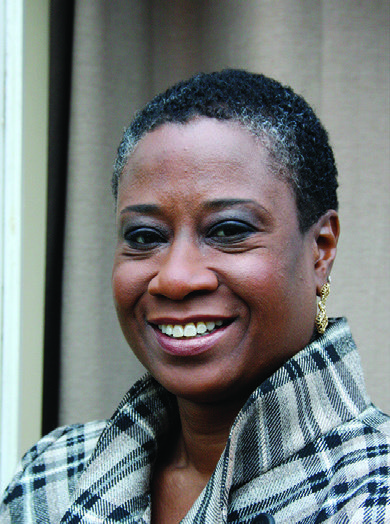
Vyla L Rollins Executive Director of the Leadership Institute, London Business School
On behalf of the Leadership Institute team
 Having personally engaged one-to-one with more than 25 FTSE directors
- of the 75 interviewed for this study – I am struck by just how many of them are committed to diversity, trying to do the 'right thing' but struggling to deliver it. Those who dismiss directors as being unsympathetic or unaware of the need to become more diverse have probably not spoken to very many of them. The ask of boards to increase demographic diversity against the backdrop of small numbers that do not turn over very often, along with the need to have diverse skillsets, is a complex and challenging one.
Understanding more about how, not whether to diversify boards, is the main purpose of this research. Being commissioned to do this research under the auspices of the FRC created an incredible opportunity for access to boards to understand not just how they look, but also how they function. The Leadership Institute at London Business School treated this opportunity accordingly, with the rigour and care of our best scholarly research.
Having completed the research, we are able to confirm many of the practices that are well known to work in terms of increasing board diversity, such as setting clear diversity targets and using data to make decisions about diversity rather than personal impressions. However, there are three findings that are not widely understood and deserve board-level attention:
1) Take the time to discuss and facilitate boardroom culture. Most directors know that creating an inclusive culture is important, and most directors are aware of the need to consider how specific individuals talk and behave. However, what they do not do enough of is talk about the collective culture that, for example, allows a difficult individual to engage in inappropriate ways without being challenged. 2) Prioritise learning. The one thing that successful boards tell us is guaranteed about becoming more diverse is that you will learn things about yourself and your business that you never knew that you needed to know. Ask yourself at the end of every meeting what you learned and what you need to know now. It turns out this is good for making your business more profitable, as well as diverse. 3) Appreciate there is
no magic bullet. There is no 'one size fits all' solution. Diverse boards are all unique, and the process of improving diversity and inclusion should always begin by appreciating what makes your board different.
But not everything has changed
- Minimal shift in female executive directors: There has been a minimal shift in the percentage of female executive directors on FTSE 100 boards. Woman are underrepresented in Executive Director and Chair roles. Over a 20-year time span (1996-2017) the proportion of women that were Executive Directors increased from 1% to 3% (ICSA, 2019).
- Parker Review Target: In 2020, 59% of FTSE 350 companies did not meet the target set by the Parker Review of having at least one director from an ethnic minority background on their boards... with less ethnic diversity observed on the boards of FTSE 250 than that of FTSE 100 companies.
- Decreasing functional diversity: There has also been decreasing functional diversity... Nearly half of FTSE 350 boards are qualified in accountancy or finance - this number was less than 38% 20 years ago.
- Moving from diversity to inclusion: The debate on diversity is no longer one of opportunity, representation, and business performance... but one of how diversity can make the most positive impact on company performance.
Research objectives and scope
The FRC updated the UK Corporate Governance Code in 2018, with renewed emphasis on board composition, diversity, board evaluation and succession planning. The Code acknowledges the importance of diversity and the value to boards of having a range of different perspectives.
The FRC continues to show leadership by highlighting the need for a more rigorous evidence-based 'lens' to bring the diversity debate into focus. In that spirit, the FRC commissioned SQW in collaboration with the London Business School Leadership Institute (LBSLI) to explore how diversity can influence board effectiveness and dynamics of FTSE 350 companies, and in particular, to address three interrelated and timely research questions.
- How have board effectiveness and dynamics been affected by the gender and ethnic diversity of board membership?
- What attributes, skills and experience do today's board members expect to be needed in boardrooms of the future?
- How can nomination committees be helped to take a more objective and diversity-friendly approach to board recruitment?
The SQW-LBSLI research is based on a mix of research methods, including quantitative and qualitative analysis of evidence. This mix of types of data and analysis has been used to establish the relationship between board diversity and effectiveness. More specifically:
- We used both quantitative and qualitative methods to understand the effects of gender and ethnic diversity, whereas for socioeconomic diversity we had interview data only.
- Our primary focus was on demographic diversity, rather than individual differences such as personality, functional diversity, and neurodiversity.
- Board effectiveness is measured in a number of ways, including those related to the quality of the process (e.g. board dynamics), as well as the range of outcomes (e.g. financial performance and reduced shareholder dissent).
- We measure board dynamics, the decision-making process of the board, because it plays a significant role in driving board effectiveness.
The overall purpose of this research is to add critical, evidence-based insights to the conversations taking place about diversity on boards, to inform policy and to provide practical recommendations for the effective implementation of diversity on the boards of FTSE companies. In doing so, we aim to move the conversation from the 'why' and 'what' of diversity, and onto the 'how' of diversity. Put another way, to facilitate the journey from diversity and towards inclusion and belonging.
Structure of this report
The remainder of this report is structured as follows.
| Section 2. | Section 3. | Section 4. |
|---|---|---|
| Highlights the importance of healthy board dynamics and culture for board effectiveness; crucially not just what the board does, but how it makes decisions. | Outlines the overall approach and methodology used in the research. | Presents the evidence on how board effectiveness and dynamics have been impacted by the gender, ethnic and socioeconomic diversity of board membership. |
| Section 5. | Section 6. | Section 7. |
| Identifies the attributes, skills and experience that board members expect to be needed in boardrooms of the future. | Sets out how nomination committees can be helped to take a more objective and diversity-friendly approach to board recruitment. | Presents our conclusions and recommendations based on the research evidence. |
In addition, there are four supporting appendices: further qualitative responses from FTSE directors; a detailed research methodology for the quantitative and qualitative research; quantitative models and estimates for the analysis of FTSE companies; and summary findings from the literature review on diversity and firm performance. There is also a list of references.
2. Board Effectiveness and Board Dynamics
It is hard to argue with the notion that board effectiveness is more important than ever. Companies are larger, the rate of turbulence in the world appears to be on the rise and the challenges businesses face are ever more complex. For those reasons, and many more, the question that needs answering is not whether we want effective boards, but rather, what makes for more effective boards? A cursory glance at the range of consultants who conduct board evaluations gives some answers. One suggests that the critical issue is to look at 'What the board does' as well as 'How the board does it'. Another focuses on 'the quality of debate ... build(ing) relationships ... in a safe and confidential space'.
The FRC contributed to this topic with its 2018 document, Guidance on Board Effectiveness, which articulates at a behavioural level, the actions, practices, and mindsets that contribute to 'board effectiveness'. By having inclusive board dynamics, an effective board is one that 'develops and promotes its collective vision of the company's purpose, its culture, its values and the behaviours it wishes to promote in conducting its business'. It will be able to explain the main trends and factors affecting the long-term success and future viability of the company – for example, technological change or environmental impacts – and how these and the company's principal risks, and uncertainties, have been addressed.1
We concur with these arguments that what makes for effective boards is a healthy board dynamic where information and a diversity of perspectives are shared to make effective decisions. The LBSLI collaborated with the Chartered Governance Institute (ICSA) to create a working definition of 'board dynamics' that informs this research:
> 'The interactions between board members individually and collectively in the boardroom.' The underlying assumption of the first part of this definition is that behaviours that emerge from the board are more than the accumulation of what board directors might bring. It also clearly suggests that individual behaviours matter in the boardroom, and that board dynamics are a major factor in creating board effectiveness.2
Given that boardroom behaviours facilitate board effectiveness, it is important to examine the relationship between the individuals in the room and boardroom culture, which we define as the unwritten rules that influence directors' interactions and decisions. These include the mindsets, hidden assumptions, group norms, beliefs, values and hard evidence (such as the board agenda) that influence the style of director discussions, the quality of engagement and trust among directors, and how the board makes decisions,3 in particular, how people interact in the boardroom and how diverse perspectives affect those behaviours and outcomes. This is a critical window on boards because every individual matters, but the board also has a collective responsibility to oversee and assess the overall direction and strategy of the organisation. In practice, this means that directors who disagree with their colleagues are not generally allowed to have an individual public opinion on board matters; hence why boards are generally best advised to establish a culture where all voices around the table are considered in an atmosphere of knowing individuals will not be punished, alienated, humiliated, ignored and/or silenced for voicing ideas, sharing hypotheses, thinking aloud, asking questions, sharing concerns, highlighting oversights or mistakes (e.g. creating psychological safety4) and to use qualified consensus as a decision rule.5
The balance between having a safe environment where everyone is able to freely express their views without fear of negative consequences and having enough time to debate key issues has always been a delicate one. Boards are typically made of a collection of directors, each with their own deep experience, and often have little interaction with each other outside official board meetings. Twenty years ago, this was manageable because boards were much more homogeneous than boardrooms today. This limited the possibilities in the range of board discussion, but it also made strategy discussions easier.
In the 21st century, directors come from a more diverse set of backgrounds than ever before including those that are visible such as ethnicity and gender, easily identifiable such as functional diversity, and others that are less so, such as socioeconomic, national cultural, neurodiversity and differences in personal values or individual traits. With this diversity comes new information, perspectives and competencies to the boardroom, some of which will be useful for making better decisions. The challenge is that it takes time to sort through all the new perspectives and find the most useful ideas, while at the same time diversity can interfere with social cohesion, all of which makes creating shared definitions of problems difficult. The social cohesion problem can easily result in task conflict turning into relationship conflict, i.e. development of factions, coalitions, misunderstandings and/or negative assumptions about intent of others, which impact on the quality of discussion. In short, greater diversity brings with it a range of unintended interpersonal challenges that need to be actively managed, taking time that is already precious in the boardroom.
Pulling these strands together, a more diverse board has the potential for both increased and decreased performance. Indeed, what the data tells us is that high diversity on all types of teams generates high variability in team performance.6,7 So, in fact, we expect to see that the highest performing boards will be highly diverse – but so will the lowest-performing boards. In the latter case, the teams' diversity impedes their ability to communicate internally, and thereby drives down their performance. And yet at the same time one truth remains, a board must be diverse to be highly effective.
Diversity itself is not just an opportunity to create broader perspectives; it is often an officially stated goal or target created for social justice reasons. Either way, when diversity increases, it is essential that boards also work to create a sense of inclusion and feeling of belonging for those bringing diverse perspectives in order to have them contribute to the goals, aspirations and remit of the board. Diverse boards need to be actively facilitated by an able Chair who is a good listener, which involves developing a collaborative mindset and practices in the boardroom that explicitly recognise and build director capability to work with the uniqueness that each individual brings, whatever the genesis of that uniqueness may be.
Diverse boards need to be actively facilitated by an able Chair who is a good listener, which involves developing a collaborative mindset and practices in the boardroom that explicitly recognise and build director capability to work with the uniqueness that each individual brings
More specifically, past research suggests that board performance is predicted by how relationships are managed, as well as the clarity of process, especially when in conflict. Inherent to productive relationships is trust between directors. Highly effective boards demonstrate the following characteristics and behaviours:
- Have clear and transparent rules of engagement
- Encourage and reward collaboration between board members
- Create feelings of psychological safety and belonging
- Use strategies to proactively manage conflict
- Encourage information-sharing
- Manage their offline conversations
- Balance being open-minded with strong opinions
- Seek feedback from each other
We are not aware of any other research that actually reaches inside the boardroom to investigate these processes, which have been so well identified in other teams, ranging from everyday work teams to top management teams.
3. Approach and Methodology
Key issues
In undertaking this research, we highlight the following key issues and challenges.
- Understanding of board effectiveness is not universal and so widely accepted measures are needed. Effectiveness can be reflected in the speed of making decisions, in ability to make the right decisions, in being proactive rather than reactive in identifying issues and opportunities, or simply in increased contribution to the company's day-to-day activities. Therefore, recognised 'hard' measures of financial performance and other 'softer' measures need to be adopted (see later in this section).
- Available data are not always comprehensive and of high quality. FTSE companies' financial data is generally available, but changes in reporting requirements and customs can make data from one period not directly comparable with data from another. Furthermore, the information on personal characteristics of board members is often sparse, and data on boardroom dynamics almost non-existent. What data is available needs to be compiled from different sources and there are inherent difficulties with data matching and compatibility.
- Any correlations♭ and causal relationships between diversity and effectiveness have to be interpreted carefully. This is because diversity is one of many interrelated elements of the environment within a company that may lead to positive outcomes. There is potential reverse influence – i.e. a more diverse board might lead to improvements in effectiveness – but perhaps when the company is doing well this allows them to take more perceived ‘risk' in appointing more diverse directors. Or perhaps there is some other factor driving both diversity and financial success (e.g. a particular CEO, entry into a new market with new customers, etc.).
- Board performance depends on how relationships are managed as well as the clarity of process, especially when in conflict. Diversity can bring benefits due to a greater range of perspectives, but it may also result in less social cohesion. Trust between board members is essential. For that reason companies need to manage diversity to fully realise its benefits and ensure mechanisms are in place that would prevent (or quickly resolve) any potential conflicts. Any examination of effective boards needs to consider the behaviours identified at the end of Section 2.
- Board dynamics can be hard to describe, change over time and be perceived in different ways depending on the board member. Thus, defining and capturing dynamics requires more nuanced methods. Also, a single board member's view cannot sufficiently represent the effectiveness of that board and could be vastly different to that of another group member. So, multiple perspectives from the same board are needed to arrive at a reliable and balanced assessment.
We have carefully considered and addressed the above issues in our research design and analysis. We share our overall approach and research methods below. Further details on the methodology can be found in Appendix B.
Overall approach
Our research design was based on developing and testing a set of hypotheses about the link between board diversity and effectiveness in FTSE 350 companies (see Table 3.1). This involved capturing the medium and long-term effects rather than possible immediate effects of an increase in diversity. The analysis examines the lagged relationship
- that is, the effects of past board diversity on current board effectiveness.
The approach also factors in board dynamics, i.e. individual and collective behaviours of board members (as described in Section 2). This allows key insights from board members on defining, managing and developing diversity so that it can be put to effective use (as highlighted in Section 1).
| # | Table 3.1: List of hypotheses |
|---|---|
| 1 | The 'time U-shape' hypothesis: an increase in board diversity may initially present challenges associated with managing the diversity and resulting in poor social cohesion. However, with time the positive impacts can outweigh the initial negative effects. To test the 'time U-shape' hypothesis, we modelled the relationship between board diversity and board effectiveness assuming different lengths of the lag in the effect – from one year to five years. |
| 2 | The 'cross-firm U-shape' hypothesis: 'more able' firms may have better mechanisms and procedures in place allowing them to manage diversity more successfully. As a result, these firms can experience greater benefits, whereas 'less able' firms may struggle. To test the 'cross-firm U-shape', we estimated the relationship for the top and bottom halves of our sample (based on the metrics of board effectiveness discussed below). |
| 3 | Board performance depends on how relationships are managed and the process. An increase in board diversity leads to different views and abilities that need managing to maximise effects and avoid conflict between board members. |
| 4 | The approach that facilitates diversity is common across all types of diversity (i.e. diverse boards are diverse on all characteristics including gender, ethnicity, socioeconomic background, etc). |
| 5 | Board members value 'useful' diversity, but do not necessarily perceive demographic diversity as being helpful for decision-making. |
The study objectives and hypotheses provide the 'framework' in which to undertake the research. This draws on mixed methods, including quantitative and qualitative approaches. The combination of multiple methods provides a more comprehensive understanding of the research objectives, while also informing each other during the research process. It is worth highlighting that the hypotheses and the research methods below have been informed by our review of the literature on diversity and performance, our own knowledge and experience of examining board diversity and dynamics in companies, allowing key insights to be applied to this study including the use of innovative research tools and approaches (e.g. Q-sort and econometric techniques as described below and detailed in Appendix B).
Analysis of FTSE 100, 250, and 350 companies from publicly available data
The research looking at the entire group of listed companies was done using the following main steps:
- Review of the empirical literature on company diversity and effectiveness. This focused on the range of financial and non-financial performance measures used as proxies for board effectiveness; the empirical methodologies adopted including data sources and time periods covered; and the key findings on diversity and board effectiveness results. This review helped to inform our design and implementation of a quantitative analysis of the effects of diversity in the boardroom.
- Scoping interviews with stakeholders to help inform the research design, in particular identifying suitable measures of effectiveness and the statistical models and analysis to be used. Scoping interviewees included key representatives of the FRC; Alex Edmans, Professor of Finance at London Business School and Academic Director of the Centre for Corporate Governance; and Mark Schaffer, Professor of Economics at Heriot-Watt University, Edinburgh.
- Method paper establishing the most suitable approach to the quantitative analysis. This was informed by the scoping interviews and review of the literature and available data sources. The paper explored the medium to long-term effect of board diversity on board effectiveness, reflecting the FRC's particular interest in the longer-term and sustained effects of diversity rather than in immediate gains (or losses). The paper also analysed the dynamics of the relationship between diversity and effectiveness by considering lagged effects rather than the immediate effect commonly estimated in the literature.
- Econometric modelling and analysis, involving estimations for: FTSE 35010 and, where possible, FTSE 250 and FTSE 100 companies; three different but complementary measures of board effectiveness; and three measures of gender and ethnic diversity. The modelling process involved numerous iterations and robustness checks including verification of results against the evidence collected during in-depth interviews with board members (as described below).
In our analysis, we used EBITDA margin, shareholder dissent and stock returns as measures of effectiveness. We detail each one in turn.
EBITDA margin –
The ratio of EBITDA to turnover as a 'hard'11 financial proxy of board effectiveness. There were four reasons for choosing this measure:
- EBITDA is a common measure of the general financial health of a company used by managers and investors, and a relatively standard measure in the diversity literature.
- One of the strengths of EBITDA compared to other financial indicators such as earnings or net income is that it shows earnings before they are affected by accounting deductions.
- EBITDA is well suited for cross-industry studies because it excludes expenses associated with debt and allows for direct comparisons between high and low-debt companies.8
- Finally, using the ratio of EBITDA to turnover helped us to isolate the effect of diversity on effectiveness (for a given company size) from its impact on the company's growth.
Shareholder dissent –
We analysed frequency of shareholder dissent as a 'behavioural' measure of board effectiveness, which reflects the fact that board objectives are typically much wider than ensuring strong financial performance. If an increase in diversity makes the board more effective, shareholders may be more satisfied with the board's work and oppose resolutions put forward by them less frequently.
Stock returns –
This proxy of board effectiveness is potentially the most 'balanced' measure, which incorporates certain elements of both measures discussed above.
- From a financial perspective, stock prices reflect the value of intangible assets and investments better than any hard balance sheet financial measure, and in the modern economy managing the intangibles is a very important part of company management.
- From the perspective of boards' wider objectives, they also absorb and reflect all the reputational gains and losses as well as companies' progress towards various sustainability targets, which can be different for every company.
- In addition to this, stock returns over longer periods of time iron out short-term fluctuations in stock prices due to temporary difficulties or localised decisions such as a sharp increase or decrease in R&D expenditure.
| Table 3.2: Measures of board effectiveness | ||
|---|---|---|
| EBITDA margin | Stock returns | Shareholder dissent |
| • 'Hard' financial measure | • 'Balanced' measure | • 'Behavioural' measure |
| • Ratio of EBITDA to turnover | • Reflects intangible assets and investment better than any balance sheet measure | • Frequency with which resolutions put forward by the board either receive 20% of votes against it or are withdrawn before the vote |
| • A common measure of companies' general financial health | • Reflects reputational gains and losses and progress towards sustainability targets | • Captures boards' objectives beyond financial performance |
| • Shows earnings before they are affected by accounting deductions | ||
| • Excludes expenses associated with debt | ||
| • Well suited for a cross-industry study |
Source: SQW
Board diversity was captured using three, alternative but closely related, measures: the percentage representation of a minority group i.e. the percentage of women and directors from a minority ethnic background on the board; the Blau diversity index13; and indicators for particular diversity thresholds.14 The quantitative analysis used secondary databases containing data on FTSE 350 companies: Fame by Bureau van Dijk database,[^h] and S&P Capital IQ by S&P Global Market Intelligence.[^i] The analysis focused on the period 2001 to 2019 for gender diversity in FTSE 350 companies. Ethnic diversity is more limited, covering FTSE 100 in 2017 and 2019 and FTSE 250 in 2019.15 Measures of ethnic diversity were created using the information on *apparent ethnicity
- of board members collected by LBSLI researchers and were available for two years: 201916 (FTSE 350) and 2017 (FTSE 100). The 2017 data was taken from a bespoke dataset used by LBSLI in its and the Chartered Governance Institute's report, 'A View at the Top: Boardroom Trends in Britain's Top 100 Companies' (2019).17 The 2019 data was collected specifically for this project by members of the research team, who independently assessed the apparent ethnicity of board members in the FTSE 350 companies based on publicly available information.
We explored both the possible correlations and causal effects between board diversity and board effectiveness to understand the impact of gender and ethnic diversity.
Deeper analysis of a representative sample of 25 of FTSE 100, 250, and 350 companies
In order to investigate the link between board diversity and effectiveness in more detail, we undertook a deeper analysis with a representative sample of 25 companies from the larger dataset. To do this we started with the data from the analysis described above. We then interviewed (online)18 a total of 71 board directors from a representative sample of 25 FTSE 100, 250 and 350 companies (e.g. the average gender diversity was 34.4% in the sample compared with 33.3% in the FTSE; ethnic diversity was 7.3% compared with 8% in the FTSE – the companies represented a wide spectrum of industries).
The invitations for companies to participate were sent in a highly targeted way to ensure we captured a balanced, representative sample of the FTSE 350 boards, across a large number of industries and diversity measures. We requested the Chair to nominate two additional directors who could provide unique insight into their board interactions. Therefore, we conducted, on average, three interviews per organisation, including the Chair. In three instances we interviewed the same director twice (representing different companies) as there is significant interlocking of FTSE boards, and one Chair declined to nominate a third director.
The first part of the discussion involved interviewees completing the Board Effectiveness Profile19 (BEP), followed by the questions exploring our three research questions, and then a set of demographic questions. The second part of the interview then covered the culture and dynamics in their boards, as well as directly asking the three research questions, towards the middle of the second part of the interview. The third part involved asking questions designed to capture demographic data.
We used the BEP for several reasons. First, we wanted a measure of board dynamics that allowed individual impressions to be compared across multiple directors from the same board, as well as something that could easily be aggregated and added to the financial and demographic data we already had. The BEP was designed by taking the group dynamics (GDQ) Q-sort Dr Peterson had previously developed and adjusting referents, so 'group leader' becomes 'Chair' and 'members' become 'directors'. The main advantage of the BEP and GDQ are that they are designed to eliminate individual differences in how response scales are used, and so makes data more comparable across individuals. Second, board dynamics, like all types of group dynamics, are not static and can be experienced very differently by different directors. Thus, two people sitting in the same board discussion can have very different understandings and experiences and so obtaining one board member's view cannot sufficiently represent the interactions of that board. The BEP allows individuals to share their interpretations of board dynamics in a way that is comparable with others because it is a standard set of items. Third, the existing literature on board effectiveness has focused predominantly on publicly available financial and demographic data with limited results, and more traditional interview-based studies have failed to capture the full range of diversity-related themes and topics in a reliable way because they become tainted by selective recall depending on their personal view of diversity. For example, when people believe in diversity, they recall only the positives in the board dynamics (or potential for positive), but when they have more sceptical views, they recall only the problems. The BEP has been developed to cover the full range of board/group dynamics issues in a standard set of items.
Completing the BEP involves directors looking at 40 Q-sort cards or items with two opposing statements about board dynamics on them. For example, one item is 'Dissent or disagreement is not acceptable even within private board meetings' versus 'Private criticism within board meetings is not only acceptable, it is actively encouraged as a way of improving decision-making'. The respondents were asked to look at each of the 40 items to view the upper and lower end of those statements and assess whether one of the statements is 'highly characteristic', 'somewhat characteristic', or whether neither were characteristic. The result is a set of items placed on a scale of five items, from 1=top statement highly characteristic to 5=bottom statement is highly characteristic. This generates a set of data where individual's' impressions of board dynamics can be contrasted, compared and combined to reflect board-level interaction patterns.
The BEP and financial data were then combined with the results from our semi-structured interview process. We devised seven questions that were informed by Peter Worley's structural pedagogical concept, 'Open Questioning Mindset' (OQM).20 We also created 12 questions that were designed to capture demographic data, including the socioeconomic status of each respondents' childhood. These questions were analysed via content analysis from the verbatim transcripts, then themed and coded to be examined along with other data in the dataset.
It is also worth noting that our research process was conceptualised before the Covid-19 pandemic led to global restrictions across the UK and the world but completed during the pandemic. Like so many we were forced to innovate as we shifted from an in-person interview protocol to a fully virtual process resulting in a mix of video conferencing and an interactive survey link to be used for the interview process.
Our research methodology was innovative in other ways too, in order to blend rigour with the depth one can gain only from an interview. For example, our preliminary econometric results contributed to interview and questionnaire design. The interview results enriched our understanding of the quantitative analysis by drawing attention to additional variables that can be included in the econometric modelling and by providing the necessary information for incorporating the time lags in measure of effectiveness. This systematic iterative approach provides us with additional confidence in the validity and robustness of our results and conclusions.
4. Diversity of Directors, Board Effectiveness and Dynamics
The questions on diversity now are about how diversity has changed boards, how to maintain and even increase board diversity, and how diversity can be leveraged to make boards more effective. Below are our findings on how the themes of gender, ethnic, and socioeconomic diversity are operating in the UK boardrooms of today. We do this by starting with how directors of FTSE 350 companies perceive diversity today, given the impact increasing diversity has already had, and then using this as the foundation for presenting the results on how to move the diversity agenda forward.
4.1 How directors think about diversity
We asked all of the interviewees to define diversity specifically in the context of the boardroom. We did not give them a list, nor did we define it for them. Rather, we wanted to understand how they think about diversity, and to look for indirect suggestions of changes that might help to make the boardrooms of the future more successful with diversity. We wanted to know, for example, whether there is any backlash to the changes in gender diversity that have already happened, or whether some types of diversity are relatively lower priority than others and, thus in need of greater attention.
To understand how directors are thinking about diversity today, we gave them complete freedom to define it in any way they liked. We then looked at respondent definitions of diversity by coding the verbatim transcripts from all interviews to know whether they mentioned diversity categories reported in past research, including both demographic and personal individual differences. This data reveals what respondents use as exemplars of diversity in conversation. We also wanted to know which categories of diversity are more or less top-of-mind for our respondents, so we next coded the first category they mention, and then we coded the categories that were emphasised in their definition. This data reveals which types of diversity are most valued by our respondents. Finally, we looked at these same analyses looking at white men versus all others. Not surprisingly, the answers interviewees shared were multi-faceted and often included up to ten subcategories when constructing their answers. Below, we report our findings on how boards think about diversity now.
| Interviewee's definition of diversity (original categories) | % of participant |
|---|---|
| Personal/Neuro/Personality | 86% |
| Gender | 73% |
| Race/Ethnicity | 73% |
| Other | 72% |
| Functional | 63% |
| Age/Experience | 63% |
| Nationality/Geographic | 37% |
| Sexual Orientation | 15% |
Source: LBSLI
Which diversity categories are top-of-mind for interviewees:
| Definition of diversity (first one mentioned) | % of participants |
|---|---|
| Personal/Neuro/Personality | 55% |
| Gender | 11% |
| Age/Experience | 10% |
| Functional | 8% |
| Background/Socioeconomic Status | 7% |
| Other | 3% |
| Mirror the customer | 3% |
| Race/Ethnicity | 1% |
| Nationality/Geographic | 1% |
*Note: The Other category refers to remaining individual definitions of diversity (i.e. meritocracy and anything not represented in the whole/missing link)
Source: LBSLI
| Definition of diversity (most important aspects) | % of total answers |
|---|---|
| Personal/Neuro (perspective, thought, views)/Personality | 34% |
| Functional/Skills/Experience | 24% |
| Background (upbringing/culture/social norms) | 13% |
| Gender | 6% |
| Race/Ethnicity | 6% |
| Other | 5% |
| Nationality/Geographic | 3% |
| Socioeconomic Status | 3% |
| Society/Customer Representation | 3% |
| Meritocracy/Contribution/Value added | 2% |
| Age | 2% |
*Note: The Other category refers to remaining individual definitions of diversity (i.e. perspectives while having the appropriate environment for that to flourish)
Source: LBSLI
It is possible to draw a number of interesting observations from these data. The first thing to notice is that individual differences such as personality are the most salient type of diversity, no matter how we look at the data. This effect is most obvious when we coded for the most emphasised aspect of diversity where individual differences, functional differences and background/socioeconomic status comprise the top three. Demographic diversity including gender, ethnicity and nationality are emphasised by relatively fewer interviewees. This suggests that individual differences are seen by directors as the most significant source of diversity in the boardroom, rather than demographic differences including gender, ethnicity and nationality.
The second finding we note could also be considered a 'non-finding' in that the 'Meritocracy/Contribution/Value added' category is very small (i.e. only 2% of the most emphasised aspects of diversity). Directors in this category emphasised individual meritocracy or individual contribution as the primary reason for appointment, rather than paying any attention to ethnicity, gender or background. However, although this number is small, it was only ever mentioned by white men and is strongly negatively correlated with the percentage of women and minority directors on their board. We interpret this as those directors who emphasise meritocracy as seeing women and minorities being 'less qualified', perhaps perceiving that diversity targets get in the way of diversity of thought and/or board effectiveness. Importantly, it is now clearly a small minority of directors who use such language as 'meritocracy' in the diversity conversation to avoid appointing a diverse board. This was confirmed by our analysis of white men compared to all others, revealing very few differences. This finding also suggests that boards largely do not see demographic diversity or targets as a threat to the quality of directors.
The third finding to note here is that there are some types of diversity that are simply not on the radar screen of most boards. In particular, sexual orientation is at the bottom of the list. It is rarely even mentioned by our respondents. This is consistent with other research and highlights the significance of the FRC publishing a recent report on barriers to LGBTQ+ people reaching the boardroom.21
There are some types of diversity that are simply not on the radar screen of most boards. In particular, sexual orientation is at the bottom of the list. It is rarely even mentioned by our respondents.
The conclusions we draw from these analyses are threefold.
- Most directors do not see increased diversity or diversity targets as a threat to competence and creating value for the business. Rather, they see diversity targets as one more activity to engage with that does not help them grow their business.
- Individual diversity or diversity of thought rather than demographic diversity is the most top-of-mind and valued aspect of diversity in the boardroom, including functional diversity.
- Although ethnic and gender diversity are always mentioned, they are not high in the minds of directors when it comes to the types of diversity that they think of either first or as most important.
Taken together, these results suggest that diversity is clearly valued by FTSE-listed company directors. However, the diversity that they value most is individual differences, such as personality and neurodiversity. Demographic diversity is neither seen as a threat to board effectiveness, nor does it appear to be seen as a primary means to achieve the type of diversity that leads to greater board effectiveness.
Having asked interviewees to give us their definition of diversity, we then asked them to share an example of how diversity has been positively leveraged in boardroom discussions and decisions, as well as an example of how it has been less effective. We wanted to know, for example, the reasons boards choose to diversify, as well as the perceived risks.
| Diversity positively leveraged | % of total answers |
|---|---|
| We diversify to bring in diverse perspectives (that we think will improve decisions) | 32% |
| It helps us reach our customers or specific markets when someone is on the board | 21% |
| It helps us match society/trying to reach a quota; | 12% |
| It helps us understand the whole organisation because we all of the functions represented | 12% |
| Other | 12% |
| We diversify to bring in specific skills | 10% |
| No example | 3% |
*Note: The Other category refers to remaining individual perceptions of positive aspects of diversity (i.e. it brings different a more engaging and better mood, it's an opportunity to ask difficult questions, and an opportunity to work together to solve the world's problems)
Source: LBSLI
| Diversity Negative Effect | % of total answers |
|---|---|
| Unable to think of a negative example | 39% |
| Diversity is distracting (either creating bias, unnecessary tension and complexity) | 25% |
| Other | 15% |
| People bring in pre-conceived perspectives and do not respond to what they see and hear | 11% |
| Each person represents their own group and does not engage with all of us | 8% |
*Note: The Other category refers to remaining individual perceptions of negative aspects of diversity (i.e. forced diversity/quotas, going overboard with diversity)
Source: LBSLI
Interestingly, almost all participants could easily recall specific examples to provide anecdotal evidence of diversity's positive impact on decision-making (i.e. sometimes we needed a bit of prompting). One example describes the impact of a female director on an aggressive takeover discussion in which 'a lot of us males get a bit of old testosterone going and really want to push, push, push' and she challenged them, asking 'you want to push hard and fast, why? Is that really essential?' and it resulted in a 'much more measured and, therefore, probably more sensible approach'.
Conversely, we note that nearly half of interviewees were unable or unwilling to identify less constructive examples. Even when prompted for a negative example, about half of respondents did not answer the question. The type of answers we did get tended to be personal again rather than demographic. For instance, one Chair noted 'regional emotions' had created some 'unnecessary tensions' and misunderstanding, which required additional time to resolve in order to return to the original discussion.
What emerges from these data is a couple of key insights. First, only 32% of the examples on how diversity has helped the board were about bringing diverse perspectives to the board to make better decisions. This finding confirms our earlier conclusion that boards do not see demographic diversity as a source of new ideas. Interestingly, there are a range of other reasons, including an opportunity to learn about new markets, or a different part of the business, or even some specific skills (e.g. digital or big data). When asked about how diversity has hindered their board, directors were most likely to identify distraction through creating conflict, followed by problems with new directors rigidly sticking to their own ideas.
Taken together, we believe that the results paint an interesting picture of boards being positive about diversity, but being largely focused on diversity of thought and functional diversity, and seeing demographic differences as being only somewhat related to diversity of thought. In the next section we challenge this perception that demographic diversity does not affect board dynamics and board effectiveness. We explore the impact of specific types of demographic diversity and the impact each has had on boards, beginning with the step change in gender diversity over the past decade.
Feedback (see Appendix A for exemplary quotes) from interviews with FTSE companies highlights the following observations on diversity:
- The overriding objective should be the absence of prejudice
- Boards have a role as exemplars in society and thus should be leading on diversity
- If, in trying to achieve diversity, boards are comprised of women and ethnic minority board members with a similar age profile, socioeconomic status, and elite educated background, this is not truly representative of a diverse board
| The definitive source of information on companies in the UK and Ireland | BvD (bvdinfo.com) [^i]: S&P Capital IQ Platform
| S&P Global Market Intelligence
| Diversity Negative Effect | % of total answers |
|---|---|
| Unable to think of a negative example | 39% |
| Diversity is distracting (either creating bias, unnecessary tension and complexity) | 25% |
| Other | 15% |
| People bring in pre-conceived perspectives and do not respond to what they see and hear | 11% |
| Each person represents their own group and does not engage with all of us | 8% |
*Note: The Other category refers to remaining individual perceptions of negative aspects of diversity (i.e. forced diversity/quotas, going overboard with diversity)
Source: LBSLI
Interestingly, almost all participants could easily recall specific examples to provide anecdotal evidence of diversity’s positive impact on decision-making (i.e. sometimes we needed a bit of prompting). One example describes the impact of a female director on an aggressive takeover discussion in which ‘a lot of us males get a bit of old testosterone going and really want to push, push, push’ and she challenged them, asking ‘you want to push hard and fast, why? Is that really essential?’ and it resulted in a ‘much more measured and, therefore, probably more sensible approach’.
Conversely, we note that nearly half of interviewees were unable or unwilling to identify less constructive examples. Even when prompted for a negative example, about half of respondents did not answer the question. The type of answers we did get tended to be personal again rather than demographic. For instance, one Chair noted ‘regional emotions’ had created some ‘unnecessary tensions’ and misunderstanding, which required additional time to resolve in order to return to the original discussion.
What emerges from these data is a couple of key insights. First, only 32% of the examples on how diversity has helped the board were about bringing diverse perspectives to the board to make better decisions. This finding confirms our earlier conclusion that boards do not see demographic diversity as a source of new ideas. Interestingly, there are a range of other reasons, including an opportunity to learn about new markets, or a different part of the business, or even some specific skills (e.g. digital or big data). When asked about how diversity has hindered their board, directors were most likely to identify distraction through creating conflict, followed by problems with new directors rigidly sticking to their own ideas.
Taken together, we believe that the results paint an interesting picture of boards being positive about diversity, but being largely focused on diversity of thought and functional diversity, and seeing demographic differences as being only somewhat related to diversity of thought. In the next section we challenge this perception that demographic diversity does not affect board dynamics and board effectiveness. We explore the impact of specific types of demographic diversity and the impact each has had on boards, beginning with the step change in gender diversity over the past decade.
Feedback (see Appendix A for exemplary quotes) from interviews with FTSE companies highlights the following observations on diversity:
- The overriding objective should be the absence of prejudice
- Boards have a role as exemplars in society and thus should be leading on diversity
- If, in trying to achieve diversity, boards are comprised of women and ethnic minority board members with a similar age profile, socioeconomic status, and elite educated background, this is not truly representative of a diverse board
- It is immensely challenging with a small group of 10-14 people to meet multiple diversity targets in addition to the industry and skillset requirements;
- There is bigger payoff when a genuinely diverse group of people come from different places, have different experiences and have been challenged in different ways.
The loudest conversation about diversity has been the one on gender. Many directors commented in particular on taking the time to nurture the pipeline of talent. The talent pipeline will be addressed later in the report. Our findings on the impact of the dramatic changes that arise from having more women in the boardroom follow.
4.2 Gender diversity
This subsection presents our findings on the effect of an increase in gender diversity of board membership on board effectiveness in FTSE 350 companies. These results are underpinned by quantitative analysis of data on gender diversity, financial performance and shareholder dissent in FTSE 350 companies, insights from which were further investigated during in-depth interviews with board members.
The full set of estimation results and robustness checks we undertook is presented in Appendix C. We highlight that many of model specifications we tested did not yield a statistically significant result[^n]. However, this is to be expected given the nature of analysed relationship, data, and the approach we adopted. All the models used in the statistical analysis assume that they accurately represent the underlying relationship between board diversity and effectiveness including the length of the lag in the effect (i.e. the amount of time necessary for the effects of a change in diversity to come through). For example, the model that assumes a three-year lag would not necessarily show a statistically significant result if the true lag was five years. Given this, the focus of our analysis was on the patterns of statistically significant results that allow us to assess the research hypotheses set out in Section 3.
Our analysis of data over time reveals that gender diversity has seen the most significant shift of any demographic group across the FTSE 350 companies. For example, according to our dataset, 5% of directors were women in 2001; by 2019 this had increased to 31% with almost all FTSE 350 companies having at least one woman on their board and half of the FTSE 100 companies reaching the Hampton-Alexander Review target of 33%.36 The latest Hampton-Alexander figures, published in February 2021, show that in 2020 34% of FTSE 350 board members were women with all FTSE 100 companies having at least one woman on the board.
The magnitude of the change over that time period allows for quantitative measures to be meaningful. If there had been no or very little change in diversity it would have been impossible to determine its effect on board effectiveness using statistical techniques.
Figure 4.1: Change in gender diversity of FTSE 350 boards between 2001 and 2019
Chart 1: % of the FTSE boards
This chart shows the percentage of FTSE boards that had 'At least one woman' and 'At least 33% women' in 2001 and 2019, broken down by FTSE 350, FTSE 100, and FTSE 250.
| Category | 2001 FTSE 350 | 2001 FTSE 100 | 2001 FTSE 250 | 2019 FTSE 350 | 2019 FTSE 100 | 2019 FTSE 250 |
|---|---|---|---|---|---|---|
| At least one woman | 24% | 40% | 17% | 99% | 100% | 99% |
| At least 33% women | 2% | 2% | 2% | 44% | 50% | 43% |
Chart 2: Average % of women on the board
This chart shows the average percentage of women on the board for FTSE 350, FTSE 100, and FTSE 250 in 2001 and 2019.
| Year | FTSE 350 | FTSE 100 | FTSE 250 |
|---|---|---|---|
| 2001 | 5% | 7% | 4% |
| 2019 | 31% | 33% | 30% |
Source: SQW
Gender diversity and financial performance
A basic correlation analysis revealed that over the 2001–2019 period, the gender diversity of FTSE 350 boards was positively and statistically significantly related with EBITDA margin observed in each of the next four years. The following two points illustrate this positive relationship:
- The FTSE 350 companies that have at least one woman on their board on average have a three to five percentage points (pp)[^p] higher EBITDA margin over the next four years, as demonstrated in Table 4.1.
| At least one woman on the board | No women on the board | Difference in percentage points (pp) | |
|---|---|---|---|
| Av. EBITDA margin next year | 31% | 26% | +5pp |
| Av. EBITDA margin in 2 years | 32% | 27% | +4pp |
| Av. EBITDA margin in 3 years | 33% | 29% | +4pp |
| Av. EBITDA margin in 4 years | 33% | 31% | +2pp |
Source: SQW
- The FTSE 350 companies in which at least one-third of board members are women are rarely associated with decreases. They account for less than 5% of instances of negative EBITDA observed in the sample (29 out of 615) while constituting a substantially larger proportion of the sample (12% over the whole 20-year period, and 28% since 2015).
Further to this, a more in-depth analysis[^q] of the FTSE 250 subsample indicates that reaching the Hampton-Alexander Review target of 33% women on the board may be associated with a higher EBITDA margin five years down the line, and the effect may exceed 20 pp.
This finding provides an indirect support to the time U-shape hypothesis (see Section 3). It does not confirm the existence of negative effects immediately after an increase in board diversity, but it suggests that the benefits are likely to come through much later.
We highlight that when interpreting these results two important points must be taken into account:
- In theory, the estimates we obtain from our models represent the effect that reaching the 33% representation of women on the board has on EBITDA margin in five years, keeping all other variables constant. However, reaching the target has an effect on other variables included in the model (such as the share of women on the board and potentially the size of the board). Therefore, the estimates should be seen as indicative of the direction of the effect and the absolute values should be interpreted with caution.
- This result was statistically significant at the 10% level rather than the standard 5% threshold of significance used in most of the academic literature. The fact that it was only observed for a subsample further suggests that this result should not be overstated, although it is possible that the time U-shape effect is present only for FTSE 250 firms.
To test the cross-firm U-shape hypothesis that 'more able' firms may benefit from a diverse board more than 'less able' companies, we estimated the models separately for the top and bottom 50% of the sample based on the average EBITDA margin observed for each firm.
The results provide modest support to this hypothesis. While for the bottom 50% of the sample we find no effect, the results for the top 50% of the sample show that companies that had at least one woman on the board experience higher levels of EBITDA margin after three years, and the effect can exceed 20 percentage points.
This finding demonstrates the benefits of diversity, especially for better-performing companies, and draws our attention to the importance of managing diversity. The latter is further emphasised by the findings on the effect of gender diversity of boards on stock returns for FTSE 250 and FTSE 350 companies, summarised in Table 4.2
One self-aware director described how she was developing her constructive enquiry because she noticed that she had an aggressive style of questioning and observed how another board member could successfully be tenacious and challenging, while at the same time diplomatic. Another talked about the importance of listening 'before diving in' to discover the nuances in what people were really saying, because one can get deeper understanding of what is occurring in the boardroom beyond the board papers. EQ isn't an ability held by all board members, with one Chair describing how those with lower EQs were unaware of their impact and could be 'awkward' and 'clunky' in what they say, and it created a challenge. All of these skills require an element of empathy, humility, and discipline to leave the power games at the door and become even more critical as boards become more diverse. Successful deployment of these skills requires commitment and emotional investment because, according to one director:
Boards that work best are those where the people really do know and understand each other.
E. Embracing diversity
There were differing views on diversity, as described earlier in this report on how directors think about diversity. Some directors stated that 'we are all doing it because we have been told we have to do the right thing'. This supports some of the FRC's recent work, which suggested that once a target had been met many boards may move onto the next issue.39 However, for nearly 40% of board members, diversity was mentioned, unprompted, as a response to key skills required of future boardrooms, bearing in mind that the research was positioned as a study on boardroom dynamics and diversity was not mentioned in our interview invitation. One Senior Independent Director (SID) talked about how the key to being an effective board is to go beyond a notion of compliance in terms of gender, ethnicity, and geography, to a situation where board members are adding value through their diverse lenses.
The challenge that many see is how to manage diversity, as they are in the 'tentative first steps' and are 'naïve' about it. Building and maintaining diversity requires proactive planning, taking concrete actions and consistent prioritisation. One Chair noted:
Unless I raise diversity and keep it on the agenda, it can easily fall off and not be prioritised. I feel a big obligation as the Chair to do that. (Helge Lund, Chair, BP)
This creates the environment for diversity to be cultivated, facilitated and leveraged in a way that adds value to the board's activities.
To embrace diversity is more than to tolerate differences. It is to nurture an environment where individuals feel their ideas and perspectives are valued, trust between members is present and everyone feels psychologically safe to publicly express their views or constructively challenge ideas (as opposed to challenging individuals). One director observed that you can create a diverse board, 'but once you're in the boardroom there's just so much pressure to conform to group-think, that the diversity becomes pointless'.
To embrace diversity is more than to tolerate differences. It is to nurture an environment where individuals feel their ideas and perspectives are valued, trust between members is present and everyone feels psychologically safe to publicly express their views or constructively challenge ideas (as opposed to challenging individuals)
Another director described how 'we heard the point, there's been silence and then we just move on because we just don't get that, don't understand it ... It brings out a level of conflict and confusion and uncomfortableness that most people don't find particularly enjoyable'. This is the reality of difference and illustrates how challenging it is to value friction and tension as key data for richer discussions and more thoughtful decision-making. Ultimately it is the Chair's responsibility, but it is on each board member to be open to 'wacky', 'annoying' or 'uncomfortable' input as an opportunity to be curious and reflective. The ultimate goal is that if there were no diversity in the boardroom, as one SID said, 'they would feel the absence ... because the conversation is incomplete'.
While the first steps to inclusion and being comfortable about diversity can be clumsy and tentative, with directors saying that they don't know how to talk about it – for instance, what language to use around ethnicity – it is also up to diverse board members to raise it, to provide their perspective and to encourage discussion of well-intended missteps as a route to understanding. This links to the earlier section on adaptability and resilience – viewing mistakes as learning opportunities and using interpersonal skills to create a safe environment. One SID stated that the Covid-19 pandemic has impacted the board's team-building efforts outside formal board settings. However, he acknowledged that encouraging and integrating diversity is closely linked to directors getting to know each other to reduce the risk of misunderstanding 'in the heat of decision-making'.
F. Digital skills and understanding of technology
There is no industry sector that remains untouched by technological trends. An understanding of technology, especially digitalisation and data management but also extending to Al, cyber-security, and privacy, is critical to boards of the future. While not all board members need to be experts, appreciating the potential for issues in these domains to disrupt and drive competitive advantage is a shared responsibility. It is the application of technology to reap benefits, rather than the technical detail itself that is important. Some directors noted that because technology permeates across the entire organisation, appointing a board member with that knowledge can be beneficial, and also links to the need to have a functionally diverse board. But all directors need, according to one board member, 'digital instinct – the ability to look at data, understand the art of the possible ... because if you don't get it, you're going to be left out. Given that the typical board is predominantly from the finance/accountancy function and independent directors are on average 60 years old, several directors questioned the degree of digital savviness currently in the boardroom and have raised it in board conversations.
In summary
When reviewing the list of future skills as reported by directors from a diversity perspective, we observe that almost all of these are critical to support and facilitate a diverse board. However, one in particular stands out as a possible area of tension to enabling diversity.
While almost all directors recognise the need for broader diversity, if ‘deep experience in business or as an executive' - the future skill ranked number 7 - continues to be a criterion for appointment as a director, this may prevent some demographically diverse candidates, e.g. younger people and those who find it more difficult to access the talent pipeline, from accessing board positions. In the next section we talk about risk-taking in directors' appointments; This is one example where outlining essential experience such as commercial, sector knowledge, relevant expertise and financial literacy remain key criteria, but relaxing 'deep' executive experience can broaden the board.
Boards of the future will need to look, think and behave differently. What is most important is how all of these future skills are valued and integrated in boardroom discussions
Overall, boards of the future will need to look, think and behave differently. What is most important is how all of these future skills are valued and integrated in boardroom discussions. It links to the need for Chairs and directors to work collectively to create the right environment. Beyond expectations of skills, we heard a number of comments about an increased level of commitment required from individual board members to truly understand the business, stakeholders and each other as a group – because the stakes are higher (see Appendix A for director quotes).
6. Diversity-friendly Approach of Nomination Committees to Board Recruitment
A good nominations committee is essential to board effectiveness. Although it does not always get the recognition it deserves, the nominations committee is the gatekeeper and influencer for who comes onto the board and for first impressions of the rest of the board. As succinctly argued in the 2016 report from Ernst & Young and ICSA', 'The nomination committee – coming out of the shadows', the nominations committee 'plays a pivotal role in appointing directors to the board and, if the board lacks the right balance, knowledge, skills and attributes, the likelihood of it and its committees operating effectively is greatly reduced'. 40
It is important not only to think about what nominations committees can do to help ensure a robust and diversity-friendly approach to board recruitment, but also to examine what they may or may not be doing that critically affects the recruitment process.
Given this essential role, it is important not only to think about what nominations committees can do to help ensure a robust and diversity-friendly approach to board recruitment, but also to examine what they may or may not be doing that critically affects the recruitment process. We asked our research participants for three things that nominations committees can do to take a more diversity-friendly approach to board recruitment. Six key themes emerged in response to this question, in order of frequency of responses:
- Choose the right search firm, provide a clear mandate, and start early;
- Manage the pipeline of diverse talent, which includes building and developing the pipeline, attracting candidates, and onboarding and supporting them once they join;
- Set clear targets and report regularly;
- Use a skills assessment that reflects what is required in the boardroom;
- Be prepared to invest time and energy into making diverse appointments;
- Ensure that the nominations committee itself is diverse.
| Actions nominations committees can take to take a more diversity-friendly approach | % of participants |
|---|---|
| Choose the right search firm, provide a clear mandate and start early | 77% |
| Manage the pipeline of diverse talent | 52% |
| Set clear targets and report regulary | 44% |
| Use a skills assessment | 41% |
| Be prepared to invest time and energy in making diverse appointments | 35% |
| Ensure that the Nomination Committee is itself diverse | 23% |
| Other | 7% |
*Note: The Other category refers to remaining individual answers (i.e. don't recruit in your own likeness - be very conscious of the subconscious stereotypes you hold) Source: LBSLI
Of those six, our research suggests that three of them are in widespread use already: 1. use a skills assessment, 2. manage the pipeline of diverse talent, and 3. set clear targets by diversity category and report regularly.
Then there were those tactics that are considered best practice, but are also moderately used now: 4. choose the right search firm and provide a clear mandate, 5. nominations committees themselves should be diverse, and 6. be prepared to invest time and energy in making diverse appointments.
Beyond these six there were a couple of other suggestions for what nominations committees could do that were only mentioned once or twice, but we believe have real potential: 7. get feedback on who expresses interest in posted roles and, if the pool is not diverse, go back to the board to explore why the signals your company is sending are not being seen as diversity-friendly, 'putting yourself in the position of the person you're trying to tempt', and 8. the nominations committee should also be a culture committee, tasked with measuring and managing boardroom and company culture.
Both of these suggestions harmonise well with our findings on ethnic diversity that, to succeed, companies need to be led by a Chair who is a good listener and can facilitate a conversation examining their own culture (Appendix A includes selected directors' quotes on nomination committee recommendations).
A. Use a skills assessment
When thinking about filling vacancies on the board, it is critical to not automatically slip into a 'like-for-like' replacement conversation. Boards evolve and so do their needs. At one point the board may need to be more hands-on when the business is small or in trouble, less so later. At another point the board may need to specifically recruit a digital specialist, but as those skills become more mainstream it should no longer be a specific skill to recruit. Each time a vacancy can be seen forthcoming it is an opportunity to redefine the selection criteria. The first step is to review the future business challenges and aspirations, and current skills on the board to identify what's needed but missing, alongside a list of directors who will be leaving over the next few years. It also involves considering those experiences and backgrounds that reflect stakeholder groups such as customers, suppliers, and employees, as mentioned earlier in the report on the stakeholder management, as a future skill needed in boardrooms. Another way of thinking about using a skills assessment is that board recruitment should be approached through the lens used by human resources and the people function in organisations; using a talent management process that involves taking a holistic view of the entire board member lifecycle, including recruiting, executive assessment, onboarding, training, performance management, personal development, and succession planning. Creating the role specification is not just the responsibility of the nominations committee
- it should start as a collective discussion across the board about what is needed, which then informs the development of the appropriate requirements. However, according to one director, the nominations committee needs to be disciplined, thoughtful and flexible about the 'must haves' in terms of experience and skills in order to 'hunt in a wider talent pool'. One Chair mentioned that while they were prepared to not tick all of the boxes with regard to experience, the bigger challenge was finding the right fit to the organisation's culture, a key success factor as a board member.
B. Manage the pipeline of diverse talent: monitor, attract and induct
Not only should nominations committees look at board candidates from a top-down perspective in making nominations to the board, they should be monitoring the pipeline from the bottom up to ensure that diversity is a priority at all levels of the organisation to be building board potential, but also to be building relationships externally with potential independent directors. Given board members' fixed-term tenure, the opportunity exists for both search firms and boards to look for candidates to put on the board's radar who are evolving towards being 'board-ready', in anticipation of a future search. In essence, they should be looking down and looking out.
There are many ways to build a diverse network of board-ready candidates. This can be done, for example, by investing time in attending professional events, next-generation director workshops, or board-relevant talks where potential candidates are likely to participate. Directors mentioned board apprenticeship programmes to support talent to become board-ready. Alternatively, data suggests that a high proportion of women are currently in senior audit, HR and legal function roles in FTSE organisations2 who could be ready to take on a non-executive director role and/or act as a Chair for relevant board committees, within a reasonable time horizon. Other, parallel, options for accessing candidates who may not be on any search firm slates, as one director explained, are using LinkedIn, Nurole, and KPMG's board platform. As observed by many directors, developing the pipeline takes time and although the pipeline of female candidates has strengthened over the past 20 years, for ethnic minorities it is still a challenge. Another director stated that it is every board's responsibility to ensure succession planning and development takes place – as a moral obligation to the business environment. That way, there will be a larger collective talent pool to access when any board needs to recruit.
Building and monitoring the pipeline does not guarantee successful recruitment if your organisation is not an attractive one for diverse candidates. This means ensuring that the organisation's image is one of openness and inclusivity, with a reputation for 'doing the right thing for the right reasons' (connecting to our earlier finding on ethnic diversity) and demonstrating that the organisation is not simply ticking boxes. One director described how being on the board in financial services can appear intimidating as a regulated industry that requires a high degree of financial knowledge and 'firepower', and thus attracting non-traditional candidates requires: 1. thought about how to make it more accessible, 2. putting more effort into wooing those potential board members who have 'easier options' with a lower 'wall to get over in order to feel comfortable', and 3. seeking help from the right partner(s) to help you understand what will make your company more attractive to the candidates you want.
Building and monitoring the pipeline does not guarantee successful recruitment if your organisation is not an attractive one for diverse candidates
The biggest challenge is to ensure that you have the right level of support and inclusion so new board members are made to feel they belong and their expertise and experience are valued
You may even be attracting the right candidates, but the biggest challenge is to ensure that you have the right level of support and inclusion so new board members are made to feel they belong and their expertise and experience are valued, as described earlier when looking at skills for boardrooms of the future including embracing diversity. In the case of diverse board members who may have come through non-traditional routes, this means ensuring that they have access to training, a proper onboarding process to set them on track for success and an ongoing development plan. And once they're in the boardroom, creating safety by encouraging the naïve questions without judgement, treating them as a sign of curiosity and an opportunity for them to learn. And, sometimes, understand that 'naïve' questions are actually a polite way of making an important point for you to learn.
If you haven't been successful in recruiting a diverse board, there needs to be some honest self-reflection across the board to identify why
Directors mention a 'hierarchy' that exists between first-time board members and experienced board members, and the need to create adequate support structures. One director empathised that if you have the first ethnic minority female board member who is also a first-time director, and the board sees this as risk-taking to recruit her, there is enormous pressure. She asks, 'How empowered does that person feel to actually have a voice?', which reinforces the need to ensure that there is a robust onboarding process and psychologically safe board environment, and where the roles of the Chair and the SID are especially critical.
Finally, nominations committees need to demonstrate an awareness of what's required to create a board environment where diversity can flourish. This can range from basic accommodations such as making physical allowances for disabilities in the boardroom environment, to the Chair facilitating and supporting awareness-raising on how to constructively engage with individuals with neurodiverse workstyles.
We also believe business schools and educators have a role to play in nurturing the pipeline and providing education on corporate governance early in the career cycle so candidates can be learning about boards before they are appointed. For example, the LBS Leadership Institute has supported a number of initiatives, such as the development of a LBS Board Fellows programme, and a few other schools have started to support similar initiatives, including courses, events and workshops. It is only a start, and clearly more needs to be done across the sector, but business schools should be playing a stronger role in developing and supporting a diverse talent pipeline.
C. Set clear targets and report regularly
In order to make diversity a reality, it needs to be owned by the entire board, not just the nominations committee. The Chair needs to be ultimately accountable, likewise the nominations committee tasked with operationalising diversity while being held accountable by setting clear targets. For example, one Chair we spoke with said that although the public target was 33% female, their internal target was actually 50%.
This report will not go into the targets versus quota-setting debate other than to note their concerns that targets can:
- Feel forced and artificial to a small but significant number of directors,
- Encourage unproductive behaviours such as box-ticking, or 'one and done' approaches,
- Make recruitment of board members extremely complicated and constraining when board are getting smaller while the diversity parameters expand (e.g. gender, ethnicity, SES, functional, geographical, neurodiverse, LGBTQ+, etc).
However, most of the directors we interviewed see target-setting as a necessary means to an important objective of achieving diversity; they accept it as a long-term process and observe how targets were successful in getting more women into the UK boardroom over the past 20 years. Many directors reported their boards as having private targets as noted above – private because they do not want to set public targets that they are not completely confident they will meet. This is very much in line with our earlier findings that directors are concerned about scoring an 'own goal' that is seen by stakeholders including the press, regulators and customers.
Given the level of stakeholder interest in the diversity of the board, however, there is a growing interest in greater accountability for companies to build targets into the annual report, especially when targets haven't been met. There is a call for more transparency in communication about the recruitment process and its outcome, not only from the Governance Institute (ICSA) in its 2019 report, Building a Balanced Board: Thoughts on the Challenges of Board Composition,41 but also echoed by several of the directors we interviewed. As one director noted: 'If you haven't been successful, there needs to be some honest self-reflection across the board to identify why. What is it in the process, the culture, or the board itself that led to failure to nurture a diverse board? Ultimately, progress, or lack thereof, impacts the organisation's reputation, and the board represents the role models of that organisation.'
D. Choose the right search firm, provide a clear mandate and start early
Given the development in governance standards, reporting and education over the past 20 years, it has become increasingly difficult to rely solely on existing networks to identify and appoint board members. It is not uncommon for searches to specify not only skills, but a particular demographic as well (e.g. all-female searches). It is important to have these conversations with the whole board to agree and align around each search before it happens because, as we have seen, diversity means many different things to many different people, and a successful search for ethnically diverse candidates is strongly associated with board unity and determination to do the 'right thing for the right reason'.
The overwhelming majority of those interviewed did exhibit a shared recognition of the need to promote, and continue to promote, diversity at board level. For most of the businesses we discussed this with the next step is to overlay the skills matrix with a range of diversity criteria to create a mandate for search firms, which is then agreed by the whole board. The use of search firms is commonplace for director recruitment now. However, our interviewees indicated an increasingly open debate on the efficacy of their efforts. A surprising number of the Chairs, NEDs and SIDs we spoke with are questioning the value of mainstream recruitment firms and increasingly feel confident when recruiting for non-white candidates in particular to not accept the answer that 'we've looked and haven't found any suitable candidates' for boards to consider. One NED went as far as to proclaim, 'get rid of the bloody head-hunters', and that it is naïve to think that they are thinking out of the box when they have their own diversity problems.
A surprising number of the Chairs, NEDS and SIDs we spoke with are questioning the value of mainstream recruitment firms and increasingly feel confident when recruiting for non-white candidates in particular to not accept the answer that 'we've looked and haven't found any suitable candidates' for boards to consider
The selection of search firm to partner on recruiting directors is clearly critical. Our respondents noted in particular that when looking to identify diverse candidates, it is helpful for the search firms themselves to be diverse – at multiple levels. When the firm is itself not terribly diverse, why should we be surprised that the candidates they find are not terribly diverse? One director observed that 'if you go to traditional head-hunters, you'll get traditional candidates'. Study participants shared they have experienced successful search outcomes in terms of expertise, experience, and desired diversity, but that this often involves challenging the search firm, on several occasions. Boards should not be reticent in asking search firms they are considering, to share their slates or database samples of diverse candidates to demonstrate their commitment and depth of understanding of what they define as diversity.
One Chair described a situation where she was Chair of the nominations committee and they were considering a male and an ethnic minority female candidate, both with similar credentials:
'She might not have all the credentials ... and hadn't had FTSE 100 board experience. Of course, the guy didn't have half of that, but it was fine. He talked about everything that he did have. I read those two write-ups and I went back to the search firm and I said, “I want you to read these again. Because I've seen both those candidates, and she is the stronger candidate”. They said, “Oh my gosh, you're right. We just took what she was telling us and how we heard it. And we didn't sense-check that with what we were seeing." It's really important that the Chair of the nominations committee and the members of the nominations committee have to ensure that they know what they want.
Another (male) Chair described a similar situation:
'I came to my first meeting with the then chairman [of the nominations committee] and with our executive search firm who was doing board searches. And after four or five minutes of discussion about candidates who were in a file that was given to us, I said, "Sorry, where is the other file?” And then they said, “What other file?” I said, “The file with women. We have just been talking about men. I imagine we are also looking at women." And then it was a new ball game. I think that giving them firm directions in terms of what you want is very important.
Last but by no means least, mandating a search firm to find a diverse shortlist in a narrow time period will decrease the odds of identifying good candidates. It is too often ignored.
Featured Insight 1
12 months ago, the nominations committee said to the Board it would like to recruit an individual to the board from a black, ethnic minority background. And we have. If we'd been required to do that against a three-month timeline, we probably wouldn't have been able to do it. But because we had raised the aspiration early, we had the time and space to identify and interview people and find someone who has the skills and experience we were looking for and was really a fantastic addition to the board.
We said to all of our senior people, if you were gone tomorrow, for whatever reason, God forbid, and you had to pick someone from outside the company to do your job, who would you have? We've set a plan for people to identify both internal and external potential succession-type candidates. I think that's the role of the nominations committee, to basically give itself enough time to be able to have enough runway to enable these plans to happen. Rather than scrambling around at the last minute, trying to find somebody to fit a role.
(Kevin Beeston, SID, Severn Trent)
Boards need to ensure they create space for the search efforts to yield viable results. Many board directors we spoke to mentioned leaving up to 12 months for the search process to unfold.
E. Ensure that the nominations committee is itself diverse
To reduce unconscious bias, stereotyping, and groupthink, active consideration also needs to be given to the membership of the nominations committee itself. The easy option is to appoint board members who have experience of working as a head-hunter or in human resources. However, creating a diverse nominations committee – using multiple lenses to inform the composition – can provide opportunities for a new and unique conversation on board recruitment and composition. Nominations committees need to be proactive in soliciting advice from a diverse range of individuals who can help identify blind spots or bias in the process. The more diverse the committee, the more likely the process will be robust. Implicit bias is always in the background and important to be aware with a diverse nominations committee, otherwise, as one NED told us, 'if you have to choose who's "good" out of three candidates, you pick the one who looks a bit like you, because you think you're good. (Andrew Higginson, Chair, Morrisons)
Featured Insight 2
One of the ways we achieve diversity in Johnson Matthey is that every board member is on the nominations committee, unlike certain companies, who shall remain nameless. The whole board must own diversity. That's why the whole board sits on the Nom Co. And the biggest barrier to diversity in a company starts right at the top, when you have the old boys' network sitting in a smoke-filled room in the Nom Co. Nom Cos are the secret to unlocking diversity, because they hold management accountable for operating selection processes that are in themselves diverse. You can't have a selection panel made up of Anglo-Saxon males.
(Patrick Thomas, Chair, Johnson Matthey)
F. Be prepared to invest time and energy in making diverse appointments
Recruiting diverse candidates often involves looking at non-traditional backgrounds to see skillsets and potential rather than whether a candidate ticks a traditional experience box. For example, track records that include strong listed plc experience is traditionally seen as desirable but can easily become a bar to entry as it creates the classic chicken and egg situation. How can potential board members gain the requisite experience when it is already a key requirement to board entry? This is especially challenging when seeking generational (or age) diversity. Directors describe an 'in-group' and an 'out-group', where getting that first board position provides entrée to the in-group. For instance, according to one SID:
'I have found it immensely hard to break into the whole boardroom piece. So, I ran a business that turned over $7 billion and made $1 billion of EBIT, and I found it hard to get a non-executive position. Once I got one or two non-executive positions, my phone rings off the hook. (NED, female)
The issue here seems to be that every board wants another board to make the investment of developing minority candidates so they can later put them on their board. However, that strategy of self-optimisation results in systemic failure with relatively few minority directors from which to choose, and who then individually can easily become over-boarded. If more boards were prepared to put the work in themselves, all boards would have a deeper and more diverse pool from which to draw.
To do their job effectively, many of our interviewees argued that nominations committees need to challenge themselves (or be open to challenge from the candidate) about beliefs on what a board candidate background should be. This requires nominations committees to take the time to really get to know candidates before appointment. A number of our respondents suggested that success comes from: 1. focusing on how the candidate can add value to the board, rather than a list of skills or experiences, 2. the Chair and the board consciously taking an 'investment and development mindset' from day one with new candidates by focusing on where they can contribute rather than their weaknesses, and 3. challenging the 'excuse that there is no pipeline'.
Nominations Committees need to really challenge themselves about beliefs on what a board candidate's background should be
As one director noted, they focus on the candidate's 'potential to grow into a role ... when looking at non-standard CVs and backgrounds'.
The interviews also suggest there is something for boards to debate around the notion of 'risk' being involved in taking on board members from so-called 'non-traditional' backgrounds, but who are seen as having strong potential. Here is an example of a Chair who has challenged that fixed mindset of what 'best' is and the need to take risks:
'But you'll always find one or two board members, in all societies I've operated in, who will say, yes but we need to get the best board member. That's what I'd call the safety trap. It's a trapdoor that they escape out into saying, there's none available. We tried, but there's none available. And my answer is, try harder.'
(Gary McGann, Chair, Flutter)
Reflecting on our findings, a more fundamental issue we believe is worth boards exploring is directors' willingness to be part of the 'development solution' for candidates with something to offer and potential for even more and who may also have had difficulty in accessing the talent pipeline. Specifically, this means individuals who have many of the basic skills/experience but need coaching and support to accelerate their competency to display the range of skills, practices and self-awareness required to be an effective board member. This approach could start by openly hypothesising what any 'risks' could be and then ask, what would the board and Chair need to do to minimise, if not eliminate, the risks articulated. This should be followed by providing development opportunities. Boards need to be mindful of not creating a deficit approach, however, rather than a 'yes, and' approach.
One Chair we interviewed described how older, male board members were concerned about the level of experience of a new, female board member. The Chair made a point of putting her 'in the sunlight, not the spotlight'. Not only did the sunlight demonstrate her credentials, it enabled her to provide a different perspective on board discussions, which had a positive impact on their decisions.
Featured Insight 3
We deliberately over-recruit, especially looking for 'rough diamonds' who may not yet have cultivated the skills, presence and don't yet look like they're ready for it. But we collectively commit and know there's enough of us that are poised enough to able to coach, manage and cultivate those 'rough diamonds'. This way of operating or developmental mindset in terms of thinking about board talent is possibly the biggest board topic of the next decade.
(CEO, female)
7. Conclusion and Recommendations
The past decade has seen a transformation of both the governance standards and the practice of diversity in the boardroom, resulting in a visible step change in board diversity. These changes have been fuelled by changing attitudes to diversity in society at large and the debate that we highlighted at the outset of this report shifting away from questions about whether diversity is helpful or not, and towards the question of how diversity can be put to effective purpose.
Consultancies, search firms and business schools have all offered boards help in responding to these changes. The FRC itself has been a proactive leader in helping to drive this step change in ways beyond creating the UK Corporate Governance Code. This report is a good example in asking us to go beyond the typical survey and self-reported perceptions research, which yields interesting and useful insights on issues about how diversity is seen by those at board level, but does not get at the deeper questions of how and why. To answer those questions the research needs to use more rigorous empirical research methods such as assembled datasets, econometric and statistical analysis, laboratory experiments, Q-sorts, category coding, etc, that are typically used by academics or academic institutions. These methods tend to yield additional insight and provide greater trust in the robustness of their results.
Having employed those rigorous methods, we are confident that the findings of this research will help boards focus more deeply on the 'how' of achieving greater diversity and becoming more effective. We have illustrated in a unique and evidence-based way that diversity can lead to improved financial performance for organisations when it is cultivated and the dynamics it creates are proactively managed and facilitated. For that reason, boards need to rethink how they understand diversity: they should stop seeing movement on diversity and inclusion efforts as a binary, linear progression. Rather, directors need to see that diversity is not an 'on or off' for boards; it is a long-term, multi-strand journey where progress in one area is not a guarantee of progress in another.
Building on that theme, we also show that many of the challenges of diversity have shifted away from the structural issues of the past and are now more about the change in mindset and behaviour required by individuals in leadership positions, coupled with a mixed understanding of how to effectively execute some of the structural changes that research shows can move the needle. For example, we show how creating an inclusive and belonging environment in the boardroom is key to success. Ticking a box and looking diverse in a photograph is an important signal, but if those new directors do not feel that they 'belong' then the potential for diversity to continue to grow and improve business results is significantly diminished. More specifically, we find that to be successful in creating an ethnically diverse board one needs a Chair who is both committed and a good listener to be able to prepare the organisation by leading a deep and critical look at their own culture. In other words, to move the needle, diversity and inclusion need to be addressed as a systemic issue that takes sustained effort over time. That is to say, the organisational ecosystem that the board is a part of needs to work to contribute to cultivating diversity in all parts of the system.
It is also important for Chairs and directors of all types to recognise that it is often what people choose not to voice that is blocking change. So it is critical that boards ask themselves as a collective, and as individuals: 'What am I/we doing or not doing that is preventing my commitment to diversity being fully realised?' As well as taking that questioning further to help shed light on your personal mindset, it is useful to explore questions such as, 'What is the assumption I am holding about what will happen to me in this group if I act more fully in accordance with my commitment to diversity?', 'What loss might occur?', 'What does how I feel about that loss say about what is fundamentally important to me at this point in my career?'
To that end, we also find that greater representation of women on boards is reshaping the culture and dynamics of the boardroom into something that is more collaborative and open for questions such as these. And, in the end, it also appears to benefit the businesses that get it right, from both a social justice and a performance perspective, as we find significant evidence that diversity, over time, improves the performance of boards and the businesses they lead. As more data becomes available, there are exciting opportunities for future research to study in more detail the impact of ethnic, socioeconomic, age and other diversity dimensions on boardroom effectiveness.
To quote one of our most inspirational interviewees:
'For me, it is inclusion that is the issue and even more so on boards. You can have the most diverse group of people on a board. If you do not have an inclusive culture, you're going to get absolutely nowhere. Inclusion is what allows you to chase diversity. For me, diversity is about diversity of experience, diversity of culture, diversity of views and not embodied by the traditional sense of ethnicity, etc., We have a diverse board and I have never been in any doubt that having a diverse board, with diverse thoughts, means you're a better board. It's the inclusivity.
(SID, male, 64 years old)
We could not have said it better ourselves.
Implications for board evaluation, development, and directors' CPD
Capturing the value in increasing diversity on boards cannot be fully realised without highlighting the role of independently facilitated board evaluations in the equation. Board evaluations can be a powerful catalyst for board development, including and perhaps especially in supporting a board's diversity efforts. We have watched with approval the transition from it being acceptable for boards to self-evaluate to the FRC specifically encouraging the regular use of external evaluators to develop and lead an independently driven assessment process. As psychologists and researchers, we know that the ability to identify and classify behavioural dynamics and understand how these dynamics drive decision-making, and ultimately effectiveness, are critical to any board accessing the value in diversity.
Given our findings suggesting the critical importance of creating a culture of inclusion and belonging, we hope board evaluation will continue to evolve to focus on a boards' collective awareness of both the individual, and group, factors that are helping or hindering the development of a diverse and inclusive boardroom culture. To that end, we note the re-drafting of one of the Higgs Report Suggestions for Good Practice, in the 2003 edition of the Combined Code on Corporate Governance, versus the subsequent iterations of the Code that call for Chairs to 'address the development needs of the board as a whole with a view to enhancing its overall effectiveness as a team' to 'The Chair should act on the results of the evaluation by recognising the strength and addressing any weaknesses of the board. Each director should engage with the process and take appropriate action when development needs have been identified' (2018 Code, Principle L, Provision 22). The mention of team in the original recommendation has been dropped.
We hope board evaluation will continue to evolve to focus on a boards' collective awareness of both the individual, and group, factors that are helping or hindering the development of a diverse and inclusive boardroom culture
Yet we have seen in this report the critical importance of board dynamics on company performance. In short, there is a significant difference between a collection of really competent directors, some of whom work well together, and an effective board. The first is a necessary but insufficient condition for the second. For that reason, we would encourage the re-adoption of some of the nuance from the 2003 Higgs report focusing on team dynamics. We hope that re-adoption of this responsibility will be seen as an essential step in supporting increased board diversity and effectiveness.
Knowing what is happening (including what is working), how to improve it and, most importantly what activities need to be engaged regularly and over time are the critical factors that create board development strategies that have impact.42 Developing director capabilities to support an inclusive culture (as opposed to sending someone on a training course) is important because cultivating individual, and group, capabilities is a process, not a single event. We note and support the Code and Guidance's advocacy that the Chair is “pivotal” in creating the conditions for overall board and individual director effectiveness, both inside and outside the boardroom', which includes mandating continuing professional development (CPD) for directors, not just around hard skills and knowledge, but interpersonal skills such as self-awareness, interpersonal effectiveness, influencing and group dynamics.
As John McGuire and Gary Rhodes remind us in their thought piece, Transforming Your Leadership Culture, 'Organisations have grown skilled at developing individual leader competencies, but have mostly ignored the challenge of transforming their leader's mindset from one level to the next.43 This applies equally to boards where the transition from executive to independent director is seen as straightforward, when it is in fact a significant transition44 that benefits from focusing on directors' CPD.
In the book, How the Way We Talk Can Change the Way We Work,45 Harvard psychologists Robert Kegan and Lisa Laskow Lahey suggest that you will know if an ownership and a culture of ongoing development exists if you can go into an organisation or a board where directors can tell you: 1. What is the one thing they are working on that will require that they grow (e.g. develop or strengthen a competency) to accomplish it? 2. How is the board working on it? 3. Who else knows and cares about it? 4. Why this matters to them?
Highlighting the need for directors' CPD is one of the most critical outcomes from a good board evaluation. By definition, board evaluations are an opportunity to encourage both self and board-level reflection on how to improve the conduct of the board. For that reason, they are also always an opportunity to move the diversity agenda of the board forwards by encouraging a more inclusive culture through CPD. Unfortunately, not many directors we interviewed made this connection. We hope this will change as the focus of diversity efforts turns away from structural changes and towards the mindset changes required for creating a culture of inclusion in the boardroom. To quote another of our most inspirational interviewees:
'I think more team-building on boards could be helpful. Unfortunately, what diversity sometimes brings is a risk of people misunderstanding each other. Were boards to spend more time outside of formal board settings getting to know each other's perspectives as opposed to under the pressure and dynamics in board meetings when trying to make important strategic or investment decisions, that would help enormously to integrate diversity and diverse views into outcomes. I say that in the current climate of Covid where boards have gone online and therefore without much opportunity to socialise views around the coffee table.
(John O'Higgins, SID, Johnson Matthey)
Once again, we could not have said it better ourselves.
Questions for boards to reflect on, consider, and discuss how they can be better at managing the diverse boardrooms of the future
This report has yielded what we believe are some unique and thought-provoking insights, as well as reconfirming issues and themes that are emerging from other research on board effectiveness and diversity. In our experience, fundamental change is created via conversations, and good conversations begin with challenging questions.
In this final section we propose a number of challenging questions, informed by our findings, that we encourage boards to engage in to facilitate those good conversations. Our hope is these questions will be discussed by boards and help to raise awareness of the issues highlighted in this report. We also aspire for these questions to help move boards closer to using the research insights to improve board culture, board dynamics, and, ultimately, board outputs by paying greater attention to issues relating to diversity.
Questions for Chairs
- Do you and fellow board members have the fundamental skills, competencies and mindsets required to manage diversity effectively in the boardrooms in which you sit?
- Have you ever asked board members to write down their definition of 'diversity' in a boardroom context and share that with board colleagues as part of a discussion?
- Are there additional processes you could use to increase your effectiveness in facilitating the diversity that resides in your board?
- How can you more effectively use your SID and Company Secretary to partner with you to draw out the diversity that resides in the boardroom?
- Who is responsible and accountable for the development and execution of your organisation's diversity efforts? How might your answer help or hinder the organisation in pursuing its efforts to increase diversity?
- What are the things you are doing to foster an environment of inclusion and belonging in your boardroom among board members?
- Have you taken the time to explore what personal beliefs, assumptions and fears you may have that could be influencing the diversity and inclusion dynamic in your boardroom?
- How often do you explore how you can use outcomes from empirical research studies to inform and shape interventions you undertake regarding diversity, inclusion and belonging?
- Are you still using 'business case' linked arguments (e.g. that hiring more women or ethnic minorities results in better financial performance) to engage individuals of the benefits of diversity?
Question for Boards
On board culture, dynamics and profile
- As a board member how proactive are you in helping to manage and/or facilitate the diversity that resides in your board for maximum impact?
- As part of boardroom discussions, have you shared your personal experiences on how diversity can contribute to enhancing the quality of board outputs?
- What deeply held biases or perceptions might you hold about the 'risks' associated with having a diverse boardroom?
- How do you give credence to passionate 'agitators' rather than dismissing them as having a narrow interest?
- How can you recognise and call each other out on bias and assumptions in your board's thought processes and discussions?
- Are directors motivated to 'do the right thing for the right reasons'?
On current Board profile
- How is your board doing in representing a diverse composition, including gender, ethnicity, nationality, social class and LGBTQ+?
On nominations committee efforts
- Are we making enough effort at recruiting a diverse board?
- How might the nominations committee take a more proactive approach in supporting the efforts of search firms to tap into a broader and deeper network of potential board members?
- Is your nominations committee demonstrating a flexible and open mindset when presented with candidates who are not fully 'board-ready'?
- Could you be experiencing a situation where diverse candidates are being approached, but for some reason have a perception that they will find it difficult to operate effectively on your board?
- What are some of the underlying assumptions that might be held by board members about appointing members with certain profiles?
- What would have to be done to allow the board to take a more developmental approach to bringing on board members who don't fully meet the recruitment specification, but who could be fully contributing board members in a 10 to 18 month period?
- How much is each board member playing a part in scouting potential board members with diverse profiles?
- What are some different and/or additional criteria your board and/or nominations committee could suggest search firms use to inform their search efforts?
- Are you willing to consider the use of a 'shadow board' to help bolster the pipeline of future board members with diverse profiles? What would be required if you were to work to use this idea?
- How do you ensure that you recruit board members who bring diversity, yet align to the organisation's values?
On future skills
- How does your board's current skills profile match with the future skills it is believed will be needed in the boardroom of the future?
- What can you do to prepare your board to be more resilient in the face of unexpected events?
- What skills and competencies will the Chair and the board need to develop to ensure that they are able to work in a manner that can manage diversity?
On Board evaluation
- What are the ways you, your fellow board members and your Chair, are addressing issues relating to diversity emerging from recent board evaluations?
- What biases might you need to explore that those conducting board evaluations might bring, and the impact of those biases/assumptions with respect to how they explore the issue of diversity in the evaluation process?
- How deeply do your current or past evaluations explore the dynamics of individuals, and the board as a whole, and how these aspects might be cultivating or thwarting efforts to cultivate and use the diversity in your boardroom?
- How effective are you in proactively facilitating the development plans for board members and contributing to facilitating their CPD, as suggested by the FRC Guidance on Board Effectiveness?
Questions for CEOs
- Who is responsible for the development and execution of your organisation's diversity efforts?
- Is there a clear understanding of who is accountable for the cultivation and development of culture in your organisation?
- How often do you review your organisation's culture development efforts alongside your strategy execution plans?
- Are you aware of the range of methods that exist that can help you measure the 'health' of your organisational culture?
- Are you taking full advantage of the skills that reside outside of your HR or Organisational Development function to help support culture measurement and cultivation (e.g. internal audit, marketing, customer support)?
Questions for shareholders
- How do you hold the board accountable for the diversity of its membership, and for demonstrating the contribution that diversity (in its broadest sense) has made to the boardroom?
- What is the degree of transparency you see in the board's communication/annual reports with regard to their efforts to proactively promote diversity and inclusivity?
Questions for stakeholders
- What are activities or processes you could advocate for to ensure your views and interests are genuinely reflected in boardroom discussions?
The 'how' of achieving diversity and inclusion will require the above questions to be considered and implemented collectively and require buy-in from boards to bring about positive change and make companies more effective.
Future research areas to consider
This report has gone a long way to providing new evidence and analysis on the diversity and dynamics of FTSE 350 boards and their relationship to board effectiveness. However, like any good research study, our research raises as many questions as it answers. We outline below some of the key questions and issues that we believe would benefit from further investigation.
Identify and analyse more data on ethnic and other types of diversity.
Our research found limited data on director ethnicity, and most of what we did find was only very recent, making it extremely difficult to explore the effects of ethnic diversity on board dynamics and effectiveness over time. Clearly more and better data is needed on director ethnicity on FTSE 350 boards. Addressing this clear gap will help to better understand the effects of ethnic diversity on effectiveness, in the same way that we are able to look at the effects of gender diversity. It will also help to explore the interdependencies between different types of diversity in the boardroom as we identified the nil correlation between increasing director gender and increasing ethnic diversity.
Identify and analyse more data on board dynamics and social inclusion.
Currently there are no data sets that allow us to compare a large number of businesses on the quality of boardroom dynamics and social inclusion using quantitative methods. That is why considering the interview and BEP Q-sort evidence was crucial for getting as complete an understanding of the relationship as possible. Ideally, data on board dynamics and inclusion should be as easy to obtain as financial data.
Undertake longitudinal data collection and analysis.
The data and findings in this report provide a potential baseline against which future changes in diversity and effectiveness could be measured and assessed. The frequency of any future data collection/survey work would need to be appropriate and proportionate to the research objectives and available resource.
Better explore the link between diversity of thought and demographic diversity (e.g. gender, ethnicity, SES).
Our research found that directors mostly think that the most valuable aspect of diversity in the boardroom is individual diversity, or diversity of thought, rather than demographic diversity. Better understanding of the extent and the ways in which demographic diversity contributes to thought diversity, and ultimately board effectiveness, will help to shed light on what is a nuanced and complex picture.
These proposed research areas will help improve the ability to capture the relationship between board diversity, dynamics, and effectiveness; thereby adding further evidence to the conversation on diversity, inclusion and belonging.
Glossary
| Term | Definition |
|---|---|
| Belonging | The sense of being accepted and included by others. |
| Board culture | A pattern of shared (and often unwritten) basic assumptions, behaviours and rules learned by a board as it works to fulfil its primary purpose(s). |
| Board development | Future-focused efforts that involve working with boards to move from evaluation recommendations to identify and engage in activities targeted to improve the working practices of boards. |
| Board dynamics | The interactions between board members individually and collectively in the boardroom. Often suggested as a major factor in creating board effectiveness. |
| Board effectiveness | Defining a company's purpose and setting a strategy to deliver it, underpinned by the values and behaviours that shape its culture and the way it conducts its business (see FRC Guidance on Board Effectiveness, 2018). |
| Board evaluation | A process that yields feedback to a board to help in improving culture and effectiveness, maximising strengths, and highlighting areas for further development. |
| Diversity | Understanding that each individual is distinct, and recognising our individual differences allow us to each contribute uniquely to organisational problems. |
| Diversity – age | Representation of individuals of different ages within a business environment. |
| Diversity – experience | Difference of experiences outside of work (e.g. religious belief, political belief, heritage, etc.) |
| Diversity – functional | Experience in the different functional areas (e.g. finance, marketing, human resources, etc.) in which individuals have worked. |
| Diversity – gender | Most commonly refers to an equitable ratio of men and women but may also include people of non-binary genders. |
| Diversity – nationality / geographic | Individuals belonging to a range of countries or having members who are citizens of different nations. |
| Diversity – neurodiverse | The variation in the human brain functioning in regard to sociability, learning, attention, mood and other mental functions. These variations are not regarded as abnormal or unhealthy but as basic differences |
| Diversity – personal / personality | Individual differences in characteristic patterns of thinking, feeling, and behaving. |
| Diversity – ethnicity | Differences in people's skin colour, cultural background, ethnic or national origin. |
| Diversity – SES (socioeconomic status) | A range of conditions of members' birth, parent’s’ upbringing and education, that influences personal networks and opportunity, and therefore has repercussions an individual’s prosperity/wealth, professional mobility and access. |
| Diversity – sexual orientation | Including a range of LGBTQ+ people who identify with one of these enduring patterns of romantic or sexual attraction. It may or may not be evident in the person’s appearance or behaviour. |
| EBITDA | EBITDA (earnings before interest, taxes, depreciation, and amortisation) is a measure of a company's overall financial performance and excludes the cost of capital investments such as property, plant, and equipment. |
| Fixed mindset | A belief that an individual's skills and intelligence are fixed traits that cannot change. |
| FTSE 100 | Share index of the 100 companies listed on the London Stock Exchange with the highest market capitalisation. It is seen as a gauge of prosperity for businesses regulated by UK company law. |
| FTSE 250 | Share index consisting of the 101st to the 250th largest companies listed on the London Stock Exchange. |
| FTSE 350 | The combination of the FTSE 100 Index of the largest 100 companies and the FTSE 250 Index. |
| Growth mindset | A belief that skills and intelligence can be improved with effort and persistence. |
| Inclusion | The extent to which everyone at work, regardless of their background, identity or circumstance, feels valued, accepted and supported to succeed. |
| LGBTQ+ | The acronym used for individuals who are lesbian, gay, bisexual, transgender, queer (or questioning) and others. |
| Psychological safety | A belief that individuals will not be punished, alienated, humiliated, ignored and/or silenced for voicing ideas, sharing hypotheses, thinking aloud, asking questions, sharing concerns, highlighting oversights or mistakes. |
Appendix A: Qualitative Evidence
Table A.1: Quotes from board interviews
Page numbers and section headings refer to the location that related content can be found in the report.
Skills 7-14 are not written up in the report but were recorded during our interviews with directors. We have shared selected quotes here.
While not specifically a topic within the scope of our research, age diversity on boards is a valid consideration and was mentioned several times by directors during our interviews. We share their observations here.
| Page number | Section heading | Theme | Quote |
|---|---|---|---|
| 27-31 | How directors think about diversity | Diversity of thought through diversity of people | There have been enough reports,... statistics and... evidence-based research to stop talking about it and get on with it. We actually know what we need to do... If we recruit board members from the same societal background, from ... the same schools, from the same... industry... we will get the same perspective. And we will be violently in agreement on most things. As distinct from the diversity of thought that comes with the diversity of the people, in all of its manifestations. (Gary McGann, Chair, Flutter) |
| 27-31 | Moving forward on diversity | There is absolutely an issue around diversity relating to people of colour. The same applies to gender. And then you have areas of intersectionality that are very important. Social mobility..., sexual orientation..., disability and access.... One of the most important outcomes when we get some or, even better, all of this right is real diversity of thought. And by the way, I think we have to be careful not to use diversity of thought of current (non-diverse) colleagues as an excuse for not improving diversity mix. (NED, female, 61 years old) | |
| 27-31 | Moving forward on diversity | Now, [a] diverse board means nearly as many women as men. That's not diverse. All the women are in their 50s, 60s and 70s. They're predominantly white, predominantly tertiary educated. I would call them middle-class... but that's not diversity... that's breaking the patriarchy. Where are we going to get people of different ethnic origins, people of different abilities? Where are those people coming from? But we shouldn't sit back and wait for it to happen organically. (Director) | |
| 27-31 | The power of diversity | The power of diversity | When I was chairman at [COMPANY 1], I used to come back from my board meetings at [COMPANY 2] and everyone used to dive under the table because they'd say, oh my God, she's been to a [COMPANY 2] board meeting. She's going to come back with five new ideas... In [COMPANY 1], I was surrounded by people who'd... grown up in the same sector as me. And we used to... attack a problem in the same way. Whereas at [COMPANY 2], because you had people [from different ethnic, cultural, industry backgrounds] you had this whole cadre of different skills. We'd be talking about a topic and somebody would make a comment and I would think, I could have sat here for two weeks, I'd never come at the problem from that angle. And that for me was the richness of it, that you realised that, and... you think, crikey, that is the power of diversity. (Director) |
| 31-37 | Gender Diversity | I think if you have just one woman around the board table, there is a great pressure on that individual to be like the men around the table... You reach a tipping point at around three out of ten, when the dynamic around the table is more open and constructive. You get much more respect and much more actual genuine listening if you have a diverse group of people around the table. (Sir John Sawers, NED, BP plc) | |
| 31-37 | We have one director on our RemCo, [who has] this view of, 'by God, we will just tough it out because we're going to do the right thing [about remuneration]' and she's a moral voice, actually... But she put a stake in the ground.... She knows the role of the director. It wasn't like she was saying, you'll never get my vote. But she was putting a stake in the ground and we let that stake sit there and see what can happen. (SID, female, 64 years old) | ||
| 31-37 | We've just added three NEDs to the board, two of whom are women, two of whom have expertise beyond [our industry], two of whom are probably typically younger than an average board member. Which I think has contributed quite significantly to a different take on the strategy of the company, including a different view of appetite for growth, appetite for risk. (Lyssa McGowan, NED, Wm Morrison Supermarkets) | ||
| 31-37 | When I interview woman-to-woman [prospective board members], women will dig into what is really the culture of the board. What is the ability to be heard and is it a group-think? Women tend to probe on those types of issues in an interview more than men do. Men really never go there. They may go to the power of the board, but they won't go into the really cultural workings of the board. (Anne Stevens, NED, Anglo American plc) | ||
| 37-39 | Ethnic Diversity | To create a board that is genuinely very diverse,... which is very strong in terms of gender diversity, rather less strong in terms of ethnic diversity,... we've got this important challenge that we have lots of ethnically diverse colleagues at the first or second or third levels of management and bringing them through so that they make it to the executive committee or board, if that's what they want to do, requires quite a lot of work (John Allan CBE, Chair, Tesco) | |
| 37-39 | I also believe that the BAME person that we hired last year is an excellent director, and very interestingly, decided not to participate in a board conversation about diversity in her first board meeting. It's a great decision, so that she would not be seen as the BAME diversity candidate. (Director) | ||
| 37-39 | We recently had our first... director from an ethnic minority background join the board, and [they] helped us think about our response to Black Lives Matter movement. We were... like a lot of boards, really worried of putting a foot wrong. And...we didn't properly engage with it early enough... [which] impacted our response....Having a board director where you felt that you could have a really open conversation with, and could help us navigate some of the areas... was really, really valuable. (Simon Carter, CEO, British Land) | ||
| 37-39 | There were one or two people from the non-white group who only made ethnic points, and they seemed to think it was their job to make the ethnic intervention. You don't have to be of non-white origin to be passionate about improving cultural diversity, gender, and ethnic diversity. (Chair, male, 65 years old) | ||
| 37-39 | I'm encouraged by how our chairman runs [the] NomCo and the general approach to recruitment. It's a rigorous process that focuses on the right skills and greater diversity in equal measure; you can have both. Frankly, I don't have time for those that still talk about tokenism, there just isn't any room for it in the rigorous selection processes that I have personally experienced and been part of as a member of [the] NomCo. (Irvinder Goodhew, NED, British Land) | ||
| 39-41 | Socioeconomic Diversity | I'm not a graduate, I'm quite a hands-on bottom-up, I'm often the slight grit in the oyster. (NED, female, 58 years old) | |
| 39-41 | Many jobs when I was growing up, you couldn't get if you... hadn't been to a private school, you hadn't been to a redbrick or top-class university, and your accent wasn't the correct accent. It was bloody hard. Let's say you were a white male, but you didn't fulfil some of the other criteria. It was very hard and it still probably is. (NED, male, 65 years old) | ||
| 39-41 | If you have an ethnic, gender,... diversified board, but they all went to public school, Oxbridge, Harvard, or whatever,... and all read The Economist, you have got no diversity of views at all. In fact, everyone's in vehement agreement. Some people refer to it as the Davos factor -... a whole Eurocracy in business..., who go to Davos and pat each other on the back, and [are] self-congratulatory. (Director) | ||
| 42-46 | Attributes, skills and experience in the diverse boardrooms of the future | Stakeholder realities | [Diversity] means forcing yourself... to get out of your world view,... The board as individuals, me, I don't look like our target market and I cannot claim to walk in their shoes. And I don't look like the vast majority of the people we employ... So, in order to do our job effectively, we have to find ways to have those realities brought into the boardroom because we're falling short otherwise... It's uncomfortable to hear that the vast majority of people who work for us, serving the communities in which we want to win, don't think there is a place for them at the top of the organisation. (NED, female, 58 years old) |
| 42-46 | Stakeholder geographic diversity | The diversity we have geographically allows us to gain insights that a board of UK-based directors could not possibly access. Although a UK-based board can intellectually understand foreign issues, growing up and living in other countries provides a different perspective. This allows board decisions to be made through an international lens rather than from one or two points of the compass. (Dr Byron Grote, NED, Standard Chartered) | |
| 42-46 | Stakeholder empathy | Empathy ... it's an intelligence which determines how we operate in an interconnected world, where the needs of the organisation are not in conflict with the needs of the planet. In other words, do I want to deforest the Amazon because I want higher outputs of corn or soya? Or, do I want to drive the orangutans out of their natural habitat because the demand for palm oil around the world is increasing? How do we harmonise the needs of the planet? That requires empathy and the willingness to accept that there is an interdependency between that tree and me. (Vinita Bali, NED) | |
| 42-46 | Interpersonal skills | Boardrooms are moving to warmer, constructive questioning ... there's... the ability of the person to portray their contribution in a manner that management can actually receive, that the rest of the board can get a sense. (CEO, female) | |
| 42-46 | Know and understand each other | People who are prepared to spend the time to get to know their other board members well. Understand what makes them tick. Rather than just arrive for a board meeting, have a board meeting, out for two hours, disappear and then have no interaction for another two months. In my view, boards that work best are those where the people really do know and understand each other. They are more collegiate. But equally it's much easier to challenge someone if you know them well. And know how to approach that challenge. It can be much more effective if you understand the person, that much more. (Company Secretary, male, 53 years old) | |
| 42-46 | Embrace Diversity: Inclusion | It's a difficult topic, boards can take greater accountability to ask the right (and uncomfortable) questions about inclusion to support management teams in really challenging themselves to create a more inclusive and diverse workforce. (Irvinder Goodhew, NED, British Land) | |
| 42-46 | Embrace Diversity: Inclusion | You can have the most diverse board in the world, but if you don't want to listen to anybody who has a different view, it's a complete and utter waste of time. But I have seen it work and I have seen it where we're just... gobsmacked – heard the point, there's been silence and then we just move on because we just don't get that, don't understand it... It brings out a level of conflict and confusion and uncomfortableness that most people don't find particularly enjoyable. (NED, male, 62 years old) | |
| 42-46 | Embrace Diversity: Inclusion | But the real problem is... how you get a diversity of expertise around the table and an openness of debate so that all voices have a comparable weighting around the table and everybody is listened to with the same degree of respect, and that their particular areas of expertise are drawn out and valued by the board as a whole. (Sir John Sawers, NED, BP plc) | |
| 42-46 | Embrace Diversity: Inclusion | So it drives me crazy when boards bring on a couple of people who, from an identity perspective, look different, and have a different profile. But once you're in the boardroom there's just so much pressure to conform to groupthink that the diversity becomes pointless. And so,... diversity is creating the kind of environment where the diversity not only exists, but the diversity affects decision-making in a really productive way. Because those points of view are creating the kind of friction you need to make better decisions... So, you know you've achieved diversity when the diverse voices around the table become essential. Not when they feel included, but when it becomes taken for granted how essential it is. If all the women, just to use gender as an example... were to suddenly drop off the board,... they [the men] would feel the absence, because it would just be so bizarre. In other words, diversity is the norm there. And so they would be just scrambling. It would just be absolutely unacceptable. Because they would feel like the conversation is incomplete. They would feel like the conversation is too one, or two-dimensional, as opposed to being ten or 11-dimensional. (Female director) | |
| Skill 7 Deep expertise and commitment | Skill 7 Deep expertise and commitment | Rather than... either asking questions that challenge the thinking, or putting forward views based on experience or knowledge of what happens elsewhere to enrich the conversation. So, I frequently condemn what I call the off-the-shelf, non-exec question pack, which is, I could write them for you, 20 questions that non-executives can ask and sound like they're doing the job. But they're largely meaningless, and they're just stock questions that people feel they should ask, they're not actually driving at anything. And so they waste time. (Female director) | |
| Skill 7 Deep expertise and commitment | Skill 7 Deep expertise and commitment | I think, people are going to have to spend more time with the business. And I think that's been moving over the years. If you go back 20 years, non-exec directors, for example, didn't spend much time in the business at all. They rocked up to board meetings and finished by lunchtime for a nice lunch and glass of wine. Those days are gone and I think the time commitment is going up quite significantly. (Company Secretary, male) | |
| Skill 7 Deep expertise and commitment | Skill 7 Deep expertise and commitment | You're actually getting somebody who comes along to board meetings that gets involved from the grassroots level of the company. And can then go back to the company and say, well actually, this is why they're making these decisions. And it makes those decisions more impactful in the company, because people think that you're human, and actually where you're coming from. As opposed to it seeming like this thing on high that's just sending out these decisions and being completely disconnected. (Dr John Bates, NED, Sage Group plc) | |
| Skill 7 Deep expertise and commitment | Skill 7 Deep expertise and commitment | You need to have people who have created successful businesses recently and have the ability to assess management's capability of being able to do that in this business. And articulate that in a way that is insightful and actionable. (Deanna Oppenheimer, Chair, Hargreaves Lansdown) | |
| Skill 8 Facilitating leadership and engaging the workforce | Skill 8 Facilitating leadership and engaging the workforce | I always try and create an environment in an organisation where there's high levels of oxygen in the system... Trust is like oxygen, invisible until you haven't got it ... you have to oxygenate the instincts and behaviours of individuals, not suppress and suffocate them with rules-based organisations. And that's sort of been my philosophy of chairmanship. (Ed Smith CBE, Chair, Assura) | |
| Skill 8 Facilitating leadership and engaging the workforce | Skill 8 Facilitating leadership and engaging the workforce | The kind of influence that you exert as a director to be effective on a board, you have to be able to exercise a softer form of leadership, that is complementary to your management team.... You really can't get away with having passive directors anymore. On the other hand, if you have a bunch of alpha, aggressive directors in there, it's completely dysfunctional and all you get is contention with respect to management. And so, what you need in the boardroom to be effective, I think [is] really important to creating the right culture in which you can make decisions, difficult decisions, at the appropriate pace, is an understanding of how to exercise soft leadership. (Female director) | |
| Skill 8 Facilitating leadership and engaging the workforce | Skill 8 Facilitating leadership and engaging the workforce | We're a very diverse society, if we just look at the UK, and, frankly, I think businesses that actually embrace that will actually have access to more talent. Apart from being the right thing to do, there's a sort of moral argument. I think there's also an effectiveness argument. If you have a very broad brush in terms of looking for talent, you're likely to be able to find more of it than others. Engaging the workforce and giving them a real sense that they have an important role to play in the success of the organisation and that we value that role... (John Allan CBE, Chair, Tesco) | |
| Skill 8 Facilitating leadership and engaging the workforce | Skill 8 Facilitating leadership and engaging the workforce | I think there's one common thread for me that goes through all of that, is leadership. I think that in all of the people you have around the table, you want them to be able to demonstrate that they've got leadership capability in whatever their skills are. I think you want a board that is credible. You want people in the organisation to look up to the board and say, I can see they're a leader in the financial world or our particular sector. (Director) | |
| Skill 9 Learning and growth mindset | Skill 9 Learning and growth mindset | I think excellent board members are really multi-dimensional people, ... curious and fluid. But really fluid people that bring a lot of external perspective, think creatively, low ego, don't put themselves first. (Lena Wilson CBE, NED) | |
| Skill 9 Learning and growth mindset | Skill 9 Learning and growth mindset | And you consider against that context reflective thought of what could be the big things that make a difference. So, not that I've looked at Section 2.2 of the document and here's a few spelling mistakes, but actually I've really mulled over with a conscience and I think this is really fascinating as to whether we're going the right way. (CEO, female) | |
| Skill 10 Financial Literacy | Skill 10 Financial Literacy | We shouldn't ignore some of the old guys. I still think having robust financial skills around the boardroom table, financial – commercial, it's hard to see a world where that isn't still highly relevant to the boardroom of the future... I don't think it's as important as it was in the past, but nevertheless I struggle to envision a board where being financially literate in some guise is not still important... (NED, male, 57 years old) | |
| Skill 12 Confidence Courage Integrity | Skill 12 Confidence Courage Integrity | I think people have got to bring... their true selves. Previously, people brought in almost like a work persona,... and I think really good boards, now, they want the true person to bring their 360° life into that boardroom and actually portray that. (CEO, female) | |
| Skill 12 Confidence Courage Integrity | Skill 12 Confidence Courage Integrity | We still need high integrity. I know a lot of people say that it is an axiom, but I think if you look at some of the recent board failures, there has been a lack of integrity in the board. And I use integrity in its broadest meaning. Integrity in the sense that if you believe something you must say it. It is a duty to say what you believe. You mustn't hide your independence. For me, independence is one of the characteristics of being a high integrity board member... in the broadest sense of the meaning. It's not just about being honest. It's actually about being clear, transparent, open, listening well. That's a high integrity board member. (Patrick Thomas, Chair, Johnson Matthey) | |
| Skill 12 Confidence Courage Integrity | Skill 12 Confidence Courage Integrity | I don't think that most boards really know how to care about brand and reputation... When boards talk about reputation, if you listen very closely, they're actually often talking about their own reputation as opposed to the reputation of the business or the products or the sort of wider impact of the business. I don't think that's a sustainable position for boards to have because I don't think that the up-and-coming generation will tolerate that type of attitude. (NED, female, 49 years old) | |
| Skill 14 Understand the culture | Skill 14 Understand the culture | So, the more the board truly understands the culture of the organisation the better chance they've got of actually guiding advice that is likely to work well in the organisation. (CEO, female) | |
| Skill 14 Understand the culture | Skill 14 Understand the culture | You hire people for their skills and knowledge, and you fire them because they didn't fit the culture and understand culture and how change takes place and they failed to lead. I think it's the same with board members. (Patrick Thomas, Chair, Johnson Matthey) | |
| 47-54 | Diversity-friendly approach of nomination committees to board recruitment | Role of NomCo | It makes us all sound very bad but somewhere within us, there is a bit of discrimination there and I think boards in general don't have those honest conversations about how discriminatory they are. And maybe that's an area that [the] nominations committee should really get their heads around, and might make them open their minds to different pools of talent. (Company Secretary, male) |
| 47-54 | Board as role model | But if a board does not engage with the people in the organisation, people will either make assumptions about the board's behaviour or they will make a judgement... And it has a knock-on effect. Behaviours cascade. The board is absolutely where it starts in terms of setting the demonstration of the leadership and the values of the business... And you might think as a non-exec, you only walk through the door 10, 12, 15 times a year, but your impact is still significant. (Kate Allum, NED) | |
| 47-54 | Reputation | There's a question a board has to ask itself. Do they care about the external view of the company? Because if you do care, then you've got to make sure that you manage within the norms and expectations of the outside world, and the stakeholder groups. If you don't care, you do whatever the hell you want and you do it under the guise of meritocracy, and kind of best person for role only. You've first of all got to ask yourself that question. Assuming the answer is yes you do care, you've then got to be pretty directive and prescriptive, on the end design point for the board. (Chair, male, 59 years old) | |
| 47-54 | We are failing | We are the olds that need to take this seriously because we're failing. We're using all this data we've got on people to not make decisions. Culturally, we got something wrong... even from the way that we issued adverts. We've got somebody who said, look at the wording, what does it mean to the various cultural people that we're trying to attract? How are we running interviews? Are we running them with a diverse panel or not a diverse panel? (SID, male, 64 years old) | |
| 47-54 | Quotas and targets | I have some concerns over just setting targets. I think at the end of the day you can have people pay lip service to the solution rather than genuinely achieving the diversification that we've talked about. But maybe given that we are a long way away from having acceptable diversity currently, that maybe for this stage of the evolution a target-driven, quota-driven, whatever we want to call it, I think it has got a role to play. There's no doubt in my mind that by setting the targets over the last five years or so, it has made a difference. (Independent director) | |
| 47-54 | Quotas and targets | The broader problem with diversity is a board is generally in the range of 10 to 14 people in size. And when people start saying, right we want to see at least 35% of the board is female. We want to see BAME representation. We then want to see LGBTQ+ representation. We want to have industry diversity. We want geographical diversity, because you're a global company... I can't tick those boxes. And I'll end up with a very, a worse board as a result, by just having to go through all of those badges of diversity. So at some point you've got to actually stick to who is the best person for the job. What is the best board that we can build? And that's where the challenge of diversity can become difficult. (Company Secretary, male) | |
| 47-54 | Reporting | The NomCo report in the annual report never describes why it elects directors, other than some general blurb about valued experience, and so and so will bring da-da-da. But there's no real descriptions about why, to the contrary, they haven't chosen a diversity candidate, for example. Have they actually tested that? Was that part of their remit? How did they brief the head-hunter? That's something you could hold people to account more stringently on, just so there's some transparency on it. (Chair, male, 65 years old) | |
| 47-54 | Briefing search firms | I don't want to see any men. I don't care if they're Jesus Christ. I don't want to see them. (Chair, male, 70 years old) | |
| 47-54 | Challenging search firms | What I've basically done is to say to the recruitment consultant, 'No, you just haven't brought us a good enough list. Can you go back to the original design spec and bring us a viable list, to the criteria we want. And if you can't, can you tell us that, and we'll look at other recruitment consultants.' Rather than you basically saying it's a function of the market. (Chair, male, 59 years old) | |
| 47-54 | Diverse NomCo | There is no doubt in my mind that, not through any badness or evil intent, I think people just like to pick people who look a bit like them. It's just a natural human instinct. If you're going to say who's good out of these three people, you pick the one who looks a bit like you, because you think you're good. (Andrew Higginson, Chair, Wm Morrison Supermarkets) | |
| 47-54 | Diverse NomCo | If you have an all-male board then by definition you have an all-male selection process if you're not careful. And it is my view that an all-male board would find it very difficult to take a completely objective view about a candidate list that included men and women. So, make sure that the interviewing team is diverse as much as your candidate list. (Stephen Robertson, NED, Hargreaves Lansdown) | |
| 47-54 | Take risks | I remember a wise head-hunter saying to me many years ago, when I was up for some job or other, Simon, you'd be really interesting in this role, but I can tell you, you're not going to get it. She said, if I had a pound for every time a client says to me at the start of a search process, 'now, we want to be really radical here, we want to think outside the box. And we want left-field candidates'. But by the time they get to the end, they just put a square peg in a square hole. They take the absolute bog-standard appointment for that job. That is still what happens all the time. And so I think NomCos could just be a bit more willing to take risks, and just see what putting something different into the mix would do. (Simon Burke, Chair, Bakkavor Group) | |
| 47-54 | Take risks | If you say, I want a woman of colour, who has board experience and has been either a chief executive officer of a $20 billion company or greater, or has run a business unit of that size or greater. Okay, that is a very small set of people, and the people who fall into that category are probably already on three or four boards already. So there has to be a relaxing of the fear of bringing on new directors. (Female director) | |
| Age diversity | There's got to be a balance between a youthful perspective as well as an experience perspective of the world. Most boards today have too many people my age on them, or a little bit younger than me.... Somehow, we really have to look at board membership and change our definition of a well-rounded board. Typically, what we look at today is experience. (Anne Stevens, NED, Anglo American plc) | ||
| Age diversity | You put somebody who's young on the board because you have a vision about the future. But you've got a couple board members who are saying, 'he/she is just too young'. That's why we have to surround that new person and say, We will find a way to make this work. (SID, female, 64 years old) | ||
| Age diversity | One of the problems with boards is they tend to be a bit ageist and they look for track records and people who are well established... Sometimes it's worth forcing yourself to take a flyer on somebody who's a bit younger, bit less experienced, but you feel could bring something to the board. (Drummond Hall, SID, Sage Group plc) | ||
| Age diversity | Boards typically are people in the 50s, 60s and 70s. People who are running the world now are in their 20s and 30s, and I'm perplexed as to how boards deal with that, because the world as it is... Boards are going to have to think about how they address that, whether it's bringing younger people into boards or having advisories. (Director) |
Appendix B: Detailed Research Methodology
This section outlines our overall approach and methodology. The analysis for this study was structured in two main parts, which used different but complementary methodologies to investigate the link between board diversity and effectiveness in FTSE 350 companies. The first part is focused on quantitative methods and secondary data analysis, relying mainly on information about FTSE 350 companies available from the Fame by Bureau van Dijk database and S&P Capital IQ by S&P Global Market Intelligence, covering a period from 2001 to
- The second part employed a more focused approach using a mix of qualitative and quantitative methods for in-depth analysis of primary data. For this part, data was collected on 71 board members using semi-structured interviews on 25 of the FTSE 350 companies.
The combination of these two different approaches was used to provide a more comprehensive understanding of the research objectives, while also being used to inform each other during the research process.
This appendix provides additional detail to the description of research methods provided in Section 3.
Quantitative analysis of FTSE 350 companies from publicly available data
The quantitative analysis focuses on two main objectives in relation to FTSE 350 boards:
- Objective 1: Explore how board effectiveness (medium to long term) is affected by the gender and ethnic diversity of board membership;
- Objective 2: Explore the dynamics of the relationship between diversity and effectiveness by considering lagged effects rather than a contemporaneous relationship (i.e. the immediate effect).
Table B.1 below presents the coverage and source of data used.
Table B.1: Data and sources used in the quantitative analysis of the FTSE 350 companies
| Data | Source | Coverage |
|---|---|---|
| Business characteristics and financial performance | ||
| Industry, employment, turnover, EBITDA, total assets, long-term liabilities, independence rating*22 | Fame | 2001-2019 |
| Stock prices, share of institutional ownership | Capital IQ | 2001-2019, 2019 (for institutional ownership) |
| Characteristics of the boards and board members | ||
| Gender, role, dates of appointment and resignation, nationality, board size | Fame | 2001-2019 |
| Apparent ethnicity | LBSI | FTSE 100: 2017, 2019 FTSE 250: 2019 |
| Shareholder dissent | ||
| Records of events of shareholder dissent | The Investment Association's Public Register | 2017-2019 |
Source: SQW
The percentage representation of a minority group on the board is a very tractable measure of diversity; however, it can be misleading when its values are high. This is because when the representation of a minority group reaches 50%, appointing another board member from the same group would in fact reduce the diversity.
For this reason, in addition to the percentage representation we measured board diversity with the Blau index. This index represents the probability of two board members selected at random being of the same gender or ethnicity. Figure B.1 illustrates the difference between the percentage representation and the Blau index when measuring gender diversity.
Figure B.1: Measuring gender diversity with the Blau index. The index indicates maximum diversity when 50% of the board are women
Chart showing Blau index versus Percentage of women on the board.
The chart displays a curve, starting at 0.00 Blau index at 0% women, rising to a maximum Blau index of 0.50 at 50% women, and then declining back to 0.00 Blau index at 100% women.
| Data | Source | Coverage |
|---|---|---|
| Business characteristics and financial performance | ||
| Industry, employment, turnover, EBITDA, total assets, long-term liabilities, independence rating22 | Fame | 2001-2019 |
| Stock prices, share of institutional ownership | Capital IQ | 2001-2019, 2019 (for institutional ownership) |
| Characteristics of the boards and board members | ||
| Gender, role, dates of appointment and resignation, nationality, board size | Fame | 2001-2019 |
| Apparent ethnicity | LBSI | FTSE 100: 2017, 2019 FTSE 250: 2019 |
| Shareholder dissent | ||
| Records of events of shareholder dissent | The Investment Association's Public Register | 2017-2019 |
Source: SQW
The percentage representation of a minority group on the board is a very tractable measure of diversity; however, it can be misleading when its values are high. This is because when the representation of a minority group reaches 50%, appointing another board member from the same group would in fact reduce the diversity.
For this reason, in addition to the percentage representation we measured board diversity with the Blau index. This index represents the probability of two board members selected at random being of the same gender or ethnicity. Figure B.1 illustrates the difference between the percentage representation and the Blau index when measuring gender diversity.
Figure B.1: Measuring gender diversity with the Blau index. The index indicates maximum diversity when 50% of the board are women
The chart displays a curve, starting at 0.00 Blau index at 0% women, rising to a maximum Blau index of 0.50 at 50% women, and then declining back to 0.00 Blau index at 100% women.
One of the main challenges in the analysis of the relationship between board diversity and board effectiveness is to isolate the impact of diversity on effectiveness from potential reverse influence (this issue is known as reverse causality). When modelling the effects of gender diversity, reverse causality was addressed by using the time dimension in the data set and combining observations from different years in one statistical model:
- The EBITDA margin was explained by past levels of diversity (with 1-5 year lag);
- Future stock returns (over 1-5 years) were explained by current levels of diversity;
-
The probability of facing shareholder dissent in the period between 2017 and 2019 was explained by changes in diversity in the three previous years (2014-2016). 23 Due to the limited amount of data when analysing the effects of both gender and ethnic diversity, we adopted another common method of addressing the issue of reverse causality widely used in the literature – an Instrumental Variable estimation (IV). This method relies on using an *instrument
-
– a variable related to the main variable of interest, which is not affected by reverse causality – to estimate the effect. In some sense, the instrument helps to identify the information contained in the problematic variable that is not subject to reverse influence. Examples of instruments used in board diversity studies include the percentage of women in managerial positions in the industry24 and the number of male board members with business connections to women on other boards.25 The main shortcoming of this method is that often the relationship between diversity measures and instruments is weak, which can lead to imprecise estimates of the effect. In our models, we used diversity in nationalities and past values of gender diversity as instruments.6
To isolate the effect of diversity on board effectiveness from the influence of other factors, all models included a set of control variables. Our goal was to control for important business characteristics keeping the models parsimonious. Not all variables are available for all the companies in all the years. Therefore, there was a trade-off between controlling for a larger set of characteristics and being able to use a larger number of companies in the modelling. The list of control variables we use for EBITDA margin and stock returns estimations is similar to that used by Shehata and El-Helaly (2017)26 for their analysis of diversity in SMEs using Fame data. The analysis of shareholder dissent additionally controls for the level of stock prices (following Alkalbani et al, 201927) and the levels of independence and institutional ownership. Table B.2 presents the list of main control variables used in the analysis.
| Business characteristic | Control variable |
|---|---|
| Models for EBITDA margin and stock returns | |
| Firm size | Employment |
| Established traditions/ internal procedures | Company's age |
| Firm's management complexity | Board size |
| Level of risk | Ratio of long-term liabilities to total assets |
| Industry | Broad sector based on primary Standard Industrial Classification (SIC) code |
| Economy-wide events | Variables representing each year |
| Unobserved characteristics (assumed not to vary with time) | Controlled for through chosen estimation methods, equivalent to a set of variables representing each company |
| Models of shareholder dissent (additional variables) | |
| Level of independence | Bureau van Dijk independence index based on the number of known shareholders |
| Influence of institutional shareholders | The percentage of shares held by the top five institutional shareholders |
Source: SQW
Using a wide range of diversity and effectiveness measures allowed us to assess the robustness of our findings to the choice of the measures and to gain a deeper understanding of how the relationship between board diversity and effectiveness is structured. Elements of these findings were further explored in interviews with FTSE 350 directors. However, it is important to note that our approach does not fully replicate a hypothetical experiment where two groups of companies with different levels of board diversity (but otherwise similar) would be compared in a controlled environment. Each of our models assumes that its specification (including the length of the lag in the effect) mirrors the true relationship. Such assumptions are untestable and therefore the results in terms of causal impact should be interpreted with caution.
A more detailed and technical description of the models and estimation techniques together with our results for key variables of interest can be found in Appendix C.
In-depth analysis of a representative sample of 25 of FTSE 350 Companies
The second part of the analysis had three main objectives in relation to FTSE 350 boards:
- Objective 1: Explore how board effectiveness and dynamics are affected by the gender, socioeconomic and ethnic diversity of board membership;
- Objective 2: Describe what attributes, skills and experience today's board members expect to be needed in boardrooms of the future;
- Objective 3: Provide concrete examples of how nomination committees can be helped to take a more objective and diversity-friendly approach to board recruitment.
Without specific parameters, data on board effectiveness and dynamics risks being biased by individual interpretations. Therefore, we used specific criteria to define and explore effectiveness:
- Have clear and transparent rules of engagement;
- Encourage and reward collaboration between board members;
- Create feelings of psychological safety and belonging; use strategies to manage conflict;
- Encourage information-sharing;
- Manage their offline conversations;
- Balance being open-minded with strong opinions;
- Seek feedback from each other.
In order to address research objectives 3 and 4, we employed a mixed-methods approach using Board Effectiveness Profile, combined with semi-structured interviews. A total of 40 Q-sort questionnaire items have been captured. The respondents were asked to look at each of the 40 items to view the upper and lower end of those statements and assess them, before moving the cards into the respective bucket based on their views. The limits on the number of items that could be placed in each bucket are presented in Table B.3.
| Rating | Maximum rating count |
|---|---|
| 1. Top statement is highly characteristic | 5 |
| 2. Top statement is somewhat characteristic | 9 |
| 3. Neither statement is characteristic | 12 |
| 4. Lower statement is somewhat characteristic | 9 |
| 5. Lower statement is highly characteristic | 5 |
These 40 items have been combined to look at general similarity across boards, and to capture a wide range of boardroom dynamics including seven specific aspects of it including:
- Intellectual flexibility
- Chair directiveness
- Board cohesion
- Power concentration
- Collective confidence
- Board norm flexibility
- Risk appetite
These seven scales form the basis of understanding the norms, culture and ways of working in the boardroom itself. The primary virtue of this technique is that it provides a broad and systematic means of capturing the impressions of participants across diverse and non-diverse boards. Another important advantage of the method is that it allows us to capture the richness of information captured from interviews that we can then use to classify across themes, with respect to the inherent differences among board groups and their dynamics. But in order for us to reliably capture and analyse the opinions and perceived effects of gender diversity, ethnic diversity and socioeconomic diversity, as well as their combined effects, it's very important that we have as rich detail as possible about the background of the board members.
One of the benefits of the BEP approach is that it avoids open-ended questions where participants' selective recall is allowed to flourish. Information captured through interviews generally risks bias in data processing and it doesn't permit measuring one person's view versus another's. This method allowed us to bridge the benefits of quantitative and qualitative approaches, giving us the possibility to analyse all the captured information in a more objective and comprehensive fashion. This gave us specific and measurable data we can use, with direct comparisons between board members in order to identify areas of agreement and disagreement.
We complemented the use of the BEP with semi-structured interviews to provide a detailed exploration of the diversity factors and judgements about the future of boards and boardroom interactions at board level within FTSE 350 companies. On their own, interviews risk bias in information processing and we cannot robustly measure the agreement of one person's view versus another's. However, in conjunction with the BEP, the semi-structured interview approach provides the narrative, as well as follow-up to BEP responses. This information was used to investigate specific links and correlations available in our data set, and to inform our analyses exploring the existence of causal links between diversity at board level and board effectiveness.
To answer research objective 5, we used the data generated from the semi-structured interviews combined with interview data from our existing research in order to produce a unique set of recommendations for nomination committees. We also examined the interview transcripts in detail in order to provide real-life examples from directors and to create practical outputs and recommendations that will assist boards based on their shared knowledge and experience.
Appendix C: Quantitative Models and Estimates
This appendix describes the methods used for, and presents the results obtained from, the analysis of the full FTSE 350 sample.
We note that relatively few results presented in this appendix are statistically significant. This is to be expected given the nature of the data and phenomenon being analysed. All the models used in the statistical analysis assume that they accurately represent the underlying relationship between the variables, including the length of the lag in the effect. Given this, the focus of the analysis is not so much on how many of the results are statistically significant but on whether there are any patterns that could help us to assess the research hypotheses outlined earlier in this report (see Section 3).
Table C.1 to Table C.3 present summary statistics for selected key variables used in the analysis by sample group (FTSE 350, FTSE 100 and FTSE 250).
| Variable | Mean | Median | Std deviation | Coverage |
|---|---|---|---|---|
| Business characteristics | ||||
| Logarithm of employment28 | 8.02 | 8.49 | 2.66 | 2001 - 2019, 14 observations per company on average |
| Risk (ratio of long-term liabilities to total assets) | 0.28 | 0.25 | 0.22 | 2001 - 2019, 14 observations per company on average |
| Company's age | 38.96 | 23.00 | 38.10 | 2001 - 2019, 17 observations per company on average |
| EBITDA margin | 0.29 | 0.19 | 1.50 | 2001 - 2019, 14 observations per company on average |
| One-year change in stock prices | 0.02 | 0.07 | 0.39 | 2001 - 2019, 16 observations per company on average |
| Institutional ownership | 36.95 | 33.74 | 15.53 | 2019 |
| Characteristics of the boards | ||||
| Board size | 10.37 | 10.00 | 3.57 | 2001 - 2019, 16 observations per company on average |
| % of women on the board | 16.37 | 15.79 | 13.23 | 2001 - 2019, 16 observations per company on average |
| Blau index: gender29 | 23.89 | 26.59 | 16.57 | 2001 - 2019, 16 observations per company on average |
| Change in Blau index 2014-2016 (gender) | 4.74 | 2.91 | 9.32 | 2014-2016 |
| At least one woman on the board | 0.64 | 0.48 | 2001 - 2019, 16 observations per company on average | |
| At least 33% of women on the board | 0.27 | 0.45 | 2001 - 2019, 16 observations per company on average | |
| % non-white board members | 5.58 | 9.35 | 2019 and 2017 (part of the sample) | |
| Blau index: apparent ethnicity | 8.79 | 12.47 | 2019 and 2017 (part of the sample) | |
| At least one non-white Board member | 0.38 | 0.49 | 2019 and 2017 (part of the sample) |
| Variable | Mean | Median | Std deviation | Coverage |
|---|---|---|---|---|
| At least 12.5% of non-white board members | 0.17 | 0.37 | 2019 and 2017 (part of the sample) | |
| Shareholder dissent | ||||
| All resolutions | 1.02 | 1.96 | 2017-2019 | |
| Resolutions on share decisions | 0.18 | 0.64 | 2017-2019 | |
| Resolutions on remuneration | 0.11 | 0.38 | 2017-2019 | |
| Resolutions on elections | 0.35 | 1.22 | 2017-2019 | |
| Other resolutions | 0.10 | 0.36 | 2017-2019 |
Table C.2: Summary statistics for key variables, FTSE 100
| Variable | Mean | Median | Std deviation | Coverage |
|---|---|---|---|---|
| Business characteristics | ||||
| Logarithm of employment | 9.67 | 9.99 | 1.79 | 2001 - 2019, 15 observations per company on average |
| Risk (ratio of long-term liabilities to total assets) | 0.31 | 0.29 | 0.22 | 2001 - 2019, 15 observations per company on average |
| Company's age | 36.84 | 23.00 | 35.35 | 2001 - 2019, 17 observations per company on average |
| EBITDA margin | 0.22 | 0.20 | 1.85 | 2001 - 2019, 15 observations per company on average |
| One-year change in stock prices | 0.02 | 0.06 | 0.36 | 2001 - 2019, 17 observations per company on average |
| Institutional ownership | 32.03 | 27.99 | 13.45 | 2019 |
| Characteristics of the boards | ||||
| Board size | 12.85 | 12.00 | 3.47 | 2001 - 2019, 17 observations per company on average |
| % of women on the board | 19.09 | 18.18 | 12.38 | 2001 - 2019, 17 observations per company on average |
| Blau index: gender | 27.83 | 29.75 | 14.79 | 2001 - 2019, 17 observations per company on average |
| Change in Blau index 2014-2016 (gender) | 5.42 | 4.22 | 6.18 | 2014-2016 |
| At least one woman on the board | 0.79 | 0.41 | 2001 - 2019, 17 observations per company on average | |
| At least 33% of women on the board | 0.24 | 0.43 | 2001 - 2019, 17 observations per company on average | |
| % non-white board members | 6.57 | 9.13 | 2019 and 2017 | |
| Blau index: apparent ethnicity | 10.62 | 12.24 | 2019 and 2017 | |
| At least one non-white board member | 0.48 | 0.50 | 2019 and 2017 | |
| At least 12.5% of non-white board members | 0.19 | 0.40 | 2019 and 2017 |
| Variable | Mean | Median | Std deviation | Coverage |
|---|---|---|---|---|
| Shareholder dissent | ||||
| All resolutions | 0.91 | 1.42 | 2017-2019 | |
| Resolutions on share decisions | 0.13 | 0.45 | 2017-2019 | |
| Resolutions on remuneration | 0.13 | 0.42 | 2017-2019 | |
| Resolutions on elections | 0.24 | 0.59 | 2017-2019 | |
| Other resolutions | 0.05 | 0.22 | 2017-2019 |
Table C.3: Summary statistics for key variables, FTSE 250
| Variable | Mean | Median | Std deviation | Coverage |
|---|---|---|---|---|
| Business characteristics | ||||
| Logarithm of employment | 7.10 | 7.62 | 2.62 | 2001 - 2019, 13 observations per company on average |
| Risk (ratio of long-term liabilities to total assets) | 0.26 | 0.21 | 0.21 | 2001 - 2019, 13 observations per company on average |
| Company's age | 40.01 | 23.00 | 39.36 | 2001 - 2019, 16 observations per company on average |
| EBITDA margin | 0.33 | 0.18 | 1.27 | 2001 - 2019, 13 observations per company on average |
| One-year change in stock prices | 0.02 | 0.08 | 0.41 | 2001 - 2019, 15 observations per company on average |
| Institutional ownership | 39.29 | 37.09 | 15.93 | 2019 |
| Characteristics of the boards | ||||
| Board size | 9.19 | 9.00 | 2.96 | 2001 - 2019, 16 observations per company on average |
| % of women on the board | 15.09 | 14.29 | 13.42 | 2001 - 2019, 16 observations per company on average |
| Blau index: gender | 22.02 | 24.49 | 17.04 | 2001 - 2019, 16 observations per company on average |
| Change in Blau index 2014-2016 (gender) | 4.43 | 1.47 | 10.47 | 2014-2016 |
| At least one woman on the board | 0.57 | 0.50 | 2001 - 2019, 16 observations per company on average | |
| At least 33% of women on the board | 0.29 | 0.45 | 2001 - 2019, 16 observations per company on average | |
| % non-white board members | 4.84 | 9.47 | 2019 | |
| Blau index: apparent ethnicity | 7.42 | 12.49 | 2019 | |
| At least one non-white board member | 0.30 | 0.46 | 2019 | |
| At least 12.5% of non-white board members | 0.15 | 0.35 | 2019 |
| Variable | Mean | Median | Std deviation | Coverage |
|---|---|---|---|---|
| Shareholder dissent | ||||
| All resolutions | 1.07 | 2.17 | 2017-2019 | |
| Resolutions on share decisions | 0.20 | 0.71 | 2017-2019 | |
| Resolutions on remuneration | 0.10 | 0.36 | 2017-2019 | |
| Resolutions on elections | 0.40 | 1.42 | 2017-2019 | |
| Other resolutions | 0.12 | 0.41 | 2017-2019 |
Table C.4 to Table C.6 present the correlation coefficients for key variables of interest.
| 1-year lag | 2-year lag | 3-year lag | 4-year lag | 5-year lag | |
|---|---|---|---|---|---|
| % women | |||||
| % women | 0.043 | 0.042 | 0.045 | 0.035 | 0.023 |
| p-value | 0.007 | 0.010 | 0.008 | 0.045 | 0.201 |
| Blau gender | |||||
| Blau gender | 0.039 | 0.038 | 0.042 | 0.032 | 0.023 |
| p-value | 0.014 | 0.021 | 0.013 | 0.066 | 0.203 |
Table C.5: Correlation coefficients between stock returns and measures of gender diversity of FTSE 350 boards
| 1-year stock return | 2-year stock return | 3-year stock return | 4-year stock return | 5-year stock return | |
|---|---|---|---|---|---|
| % women | |||||
| % women | -0.139 | -0.153 | -0.125 | -0.101 | -0.087 |
| p-value | 0.000 | 0.000 | 0.000 | 0.000 | 0.000 |
| Blau gender | |||||
| Blau gender | -0.133 | -0.150 | -0.125 | -0.108 | -0.090 |
| p-value | 0.000 | 0.000 | 0.000 | 0.000 | 0.000 |
Table C.6: Correlation between measures of apparent ethnic diversity of FTSE 350 boards and EBITDA margin and stock returns
| EBITDA margin 2017 | EBITDA margin 2019 | Stock returns (2017-2019) | |
|---|---|---|---|
| % minority 2017 | |||
| % minority 2017 | -0.085 | -0.0249 | |
| p-value | 0.428 | 0.8171 | |
| % minority 2019 | -0.150 | ||
| p-value | 0.038 |
Modelling the effect of gender and ethnic diversity of FTSE 350 companies on EBITDA margin
All modelling and estimations described below were performed in Stata, a specialist software for econometric analysis.
Modelling the effects of gender diversity on EBITDA margin
Following an approach to addressing reverse causality when using panel data30 discussed in Leszczensky and Wolbring (2019),7 we formulated the following model in which EBITDA margin is explained by lagged values of gender diversity of the board and contemporaneous values of control variables:
EBITDA margini,t = ai + Yt + ß₁Diversityi,t-t + β2Xi,t + Eit,
(1)
where
- Diversity
i,t-τis the level of diversity of the board of company i, τ years ago. In our estimations τ ranged from one to five years. Diversity was measured as the percentage of women on the board, the Blau index, and with indicator variables for at least one woman on the board and at least one-third of the board being women. - X
itis a set of control variables that includes the natural logarithm of employment, company's age, board size, level of risk and industry. - a
iis a firm-specific 'fixed effect' that reflects all time-invariant unobserved characteristics of company i. - Y
tis a year-specific 'fixed effect' that captures economy-wide events affecting all businesses in year t. - ε
itis an error term 'clustered' by company allowing for a non-zero correlation within each cluster.
The reverse causality is explicitly addressed in this model by combining observations on board effectiveness and board diversity from different periods. However, this model assumes that the lag in the effect built into the model reflects the true relationship between the variables. This is a fairly strong and untestable assumption. Therefore, though the results of the analysis of these models will shed light on the causal impact of diversity on effectiveness, the coefficients should be interpreted with caution.
The models were estimating using the Fixed (FE) and Random (RE) Effects estimators:
- The FE estimator derives an estimate of the effect using 'within firm' variation. In other words, the value of the coefficient is determined by changes in board composition and associated changes in board effectiveness within each firm.
- The FE estimator can be obtained by solving a system of the following equations (moment conditions):
E(εi,tWi,t) = 0, where W=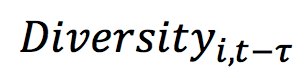
- Alternatively it can be obtained by applying an Ordinary Least Square (OLS) estimation to a demeaned model:
Ebitda margini,t = ỹt + β₁Diversityi, t−t + β2 Xi,t + Eit, whereait = ait – āī, andāīis the mean value of a variable for company i. - Because the FE estimator focuses on the changes in the values of variables over time, it does not provide an explicit estimate for time-invariant characteristics, but it does control for them.
- The FE estimator can be obtained by solving a system of the following equations (moment conditions):
- The RE estimator relies on the same information as the FE estimator but also uses the 'between firm variation', i.e. the value of coefficient is identified not only by the variation in variables within each company over time, but also by the variation between the companies.
- The RE estimator can be obtained by solving a system of the following moment conditions:
E(εi,tWi,t) = 0, andE(αiWi,t) = 0whereW=[Diversityi,t-t, Xit]. - The second set of moment conditions implies that firm-specific effects must not be correlated with regressors. In other words, the RE estimator assumes there are no differences between the firms that affect how they make their choices regarding the variables included in the model.
- Alternatively the RE estimate can be obtained by applying OLS to quasi-demeaned data:
EBITDA margini,t = äi + Ÿt + β₁Diversityi, t-t + B2Xi,t + Eit, whereäit = ait − θᾶ, 0 < θ < 1. - Since the RE estimation uses more information to identify the coefficient of interest it is more efficient (i.e. it produces a more precise estimate with smaller standard errors) than the FE estimation. However, if the additional assumptions are violated the estimates are invalid.
- We tested the additional set of assumptions using Mundlak (1978) test to determine which estimator to use for each model and subsample we considered. We chose this test over a more standard Hausman (1978)31 test because it is valid when cluster-robust standard errors are used.
- The RE estimator can be obtained by solving a system of the following moment conditions:
For a more detailed discussion of the FE and RE estimators see, for example, Wooldridge (2010).32
Table C.7 to Table C.9 present the results for the estimation of the main coefficients of interest across the specifications we tested. The coefficients that are highlighted in green are statistically significant at the 10% level (the p-values are shown for reference).
The level of statistical significance represents the probability of being wrong if we conclude that the relationship exists. Given the complexity of the relationship between board diversity and effectiveness we consider all results significant at the 10% level to be of interest.
All statistically significant coefficients presented in Table C.7 to Table C.9 can be interpreted directly as effects of an increase in the variable by one unit while holding all other variables constant.
- For example, all else equal, over the sample period FTSE 250 companies that achieved the target of 33% women representation on their boards five years later enjoyed EBITDA margin on average a 22-24 percentage points higher.
- All else equal, among the top 50% of FTSE 350 companies by average EBITDA margin over the sample period, those that appointed at least one woman on their boards three years later enjoyed EBITDA margin on average 22 percentage points higher.
However, in reality appointing the first women or reaching the 33% target necessarily affects other variables (e.g. the percentage of women on the board, or the board size that is one of the control variables in the model). Therefore, the coefficients should be mainly interpreted as indicating the direction of the effect. The absolute values should be interpreted with great caution.
| FTSE 350 | Coef. | St. err | P-val | Coef. | St. err | P-val | Coef. | St. err | P-val | Coef. | St. err | P-val | Coef. | St. err | P-val | |:--------------------------|:-------|:--------|:------|:-------|:--------|:------|:-------|:--------|:------|:-------|:--------|:------|:-------|:--------| | % women | 1-year lag | | | 2-year lag | | | 3-year lag | | | 4-year lag | | | 5-year lag | | | | % women | 0.002 | 0.003 | 0.535 | 0.005 | 0.005 | 0.272 | 0.008 | 0.009 | 0.351 | 0.005 | 0.010 | 0.611 | 0.002 | 0.008 | 0.786 | | At least one woman | -0.092 | 0.083 | 0.272 | -0.103 | 0.133 | 0.439 | -0.122 | 0.204 | 0.550 | -0.087 | 0.238 | 0.714 | -0.066 | 0.223 | 0.767 | | At least 33% women | 0.260 | 0.233 | 0.265 | 0.198 | 0.146 | 0.176 | 0.158 | 0.119 | 0.185 | 0.204 | 0.140 | 0.147 | -0.061 | 0.218 | 0.780 | | Blau index | | | | | | | | | | | | | | | | | Blau index | 0.003 | 0.003 | 0.400 | 0.005 | 0.005 | 0.304 | 0.007 | 0.008 | 0.373 | 0.005 | 0.009 | 0.618 | 0.003 | 0.008 | 0.722 | | At least one woman | -0.126 | 0.114 | 0.272 | -0.142 | 0.174 | 0.414 | -0.167 | 0.257 | 0.518 | -0.124 | 0.312 | 0.690 | -0.098 | 0.288 | 0.734 | | At least 33% women | 0.255 | 0.229 | 0.267 | 0.219 | 0.155 | 0.159 | 0.199 | 0.146 | 0.172 | 0.222 | 0.160 | 0.166 | -0.064 | 0.199 | 0.749 |
Table C.7: Estimates for the effect of gender diversity of FTSE 350 boards on EBITDA margin. FE estimation, cluster-robust st. errors Source: SQW; Results statistically significant at the 10% level are highlighted in green
| FTSE 100 | Coef. | St. err | P-val. | Coef. | St. err | P-val. | Coef. | St. err | P-val. | Coef. | St. err | P-val. | Coef. | St. err | P-val. | |:--------------------------|:-------|:--------|:-------|:-------|:--------|:-------|:-------|:--------|:-------|:-------|:--------|:-------|:-------|:--------| | % women | 1-year lag | | | 2-year lag | | | 3-year lag | | | 4-year lag | | | 5-year lag | | | | % women | 0.003 | 0.004 | 0.416 | 0.008 | 0.008 | 0.288 | 0.013 | 0.014 | 0.358 | 0.013 | 0.016 | 0.415 | 0.011 | 0.014 | 0.420 | | At least one woman | -0.155 | 0.121 | 0.201 | -0.231 | 0.214 | 0.282 | -0.280 | 0.318 | 0.379 | -0.198 | 0.345 | 0.565 | -0.104 | 0.301 | 0.730 | | At least 33% women | 0.442 | 0.464 | 0.341 | 0.293 | 0.312 | 0.349 | 0.287 | 0.264 | 0.277 | 0.283 | 0.316 | 0.370 | -0.348 | 0.351 | 0.321 | | Blau index | | | | | | | | | | | | | | | | | Blau index | 0.005 | 0.004 | 0.275 | 0.008 | 0.007 | 0.283 | 0.011 | 0.012 | 0.353 | 0.011 | 0.014 | 0.418 | 0.011 | 0.013 | 0.411 | | At least one woman | -0.216 | 0.169 | 0.200 | -0.297 | 0.272 | 0.275 | -0.356 | 0.395 | 0.368 | -0.278 | 0.441 | 0.529 | -0.189 | 0.398 | 0.634 | | At least 33% women | 0.433 | 0.447 | 0.334 | 0.320 | 0.332 | 0.334 | 0.345 | 0.318 | 0.279 | 0.332 | 0.364 | 0.362 | -0.315 | 0.309 | 0.308 |
Table C.8: Estimates for the effect of gender diversity of FTSE 100 boards on EBITDA margin. RE estimation, cluster-robust st. errors Source: SQW; Results statistically significant at the 10% level are highlighted in green
| FTSE 250 | Coef. | St. err | P-val. | Coef. | St. err | P-val. | Coef. | St. err | P-val. | Coef. | St. err | P-val. | Coef. | St. err | P-val. | |:--------------------------|:-------|:--------|:-------|:-------|:--------|:-------|:-------|:--------|:-------|:-------|:--------|:-------|:--------|:-------| | % women | 1-year lag | | | 2-year lag | | | 3-year lag | | | 4-year lag | | | 5-year lag | | | | % women | 0.000 | 0.003 | 0.979 | 0.003 | 0.004 | 0.518 | 0.000 | 0.004 | 0.972 | -0.003 | 0.004 | 0.491 | -0.004 | 0.004 | 0.309 | | At least one woman | -0.005 | 0.055 | 0.921 | 0.017 | 0.077 | 0.823 | 0.103 | 0.086 | 0.236 | 0.086 | 0.088 | 0.329 | 0.083 | 0.091 | 0.363 | | At least 33% women | 0.091 | 0.106 | 0.389 | 0.058 | 0.119 | 0.625 | 0.122 | 0.138 | 0.376 | 0.185 | 0.194 | 0.339 | 0.244 | 0.135 | 0.071 | | Blau index | | | | | | | | | | | | | | | | | Blau index | 0.000 | 0.003 | 0.995 | 0.002 | 0.004 | 0.659 | -0.001 | 0.004 | 0.836 | -0.003 | 0.004 | 0.441 | -0.004 | 0.004 | 0.356 | | At least one woman | -0.007 | 0.077 | 0.925 | 0.014 | 0.107 | 0.897 | 0.098 | 0.112 | 0.385 | 0.118 | 0.119 | 0.320 | 0.109 | 0.119 | 0.360 | | At least 33% women | 0.090 | 0.097 | 0.357 | 0.079 | 0.108 | 0.465 | 0.127 | 0.133 | 0.339 | 0.182 | 0.170 | 0.286 | 0.224 | 0.117 | 0.056 |
Table C.9: Estimates for the effect of gender diversity of FTSE 250 boards on EBITDA margin. RE estimation, cluster-robust st. errors Source: SQW; Results statistically significant at the 10% level are highlighted in green
| Cross-firm U-shape | Coef. | St. err | P-val. | Coef. | St. err | P-val. |
|---|---|---|---|---|---|---|
| Top 50% | 1-year lag | 2-year lag | ||||
| % women | 0.000 | 0.003 | 0.924 | 0.001 | 0.004 | 0.878 |
| At least one woman | 0.023 | 0.064 | 0.714 | 0.096 | 0.104 | 0.356 |
| At least 33% women | 0.071 | 0.092 | 0.444 | 0.086 | 0.114 | 0.452 |
| Bottom 50% | ||||||
| % women | 0.004 | 0.006 | 0.502 | 0.012 | 0.011 | 0.282 |
| At least one woman | -0.234 | 0.193 | 0.227 | -0.353 | 0.289 | 0.225 |
| At least 33% women | 0.490 | 0.475 | 0.304 | 0.262 | 0.218 | 0.230 |
Table C.10: Estimates for the effects of gender diversity of FTSE 350 boards on EBITDA margin for the top and bottom 50% of companies by average EBITDA margin over the sample period. FE estimation, cluster-robust st. errors Source: SQW; Results statistically significant at the 10% level are highlighted in green
Modelling the effects of gender and ethnic diversity on EBITDA margin
Due to a more limited dataset on ethnic diversity of the FTSE 350 boards, when we analysed the effect of both gender and ethnic diversity of boards on EBITDA margin as a proxy for board effectiveness, we modelled a contemporaneous relationship of the following form:
EBITDAmargini = a + β₁ EthnicDiversityi + β₂GenderDiversityi + β₃Xi + εi,
(2)
where the notation and control variables are the same as in the previous model (equation (1)).
We estimated equation (2) above separately for 2017 and 2019 as well as pooling the two years together. When we combined the data from both years in the same model, we were not able to use the FE or RE methods because the sample size was small (we were able to measure ethnic diversity in both years only in 89 organisations33) and changes in ethnic diversity on average were small (less than one percentage point).
To address the issue of reverse causality in model (2) we used a two-stage least squares (2SLS) instrumental variable (IV) estimation, which identified the coefficient by analysing the variation in data across companies in each year. The pooled estimation treated the same organisations in both years (2017 and 2019) as independent observations. The diversity in nationalities of board members was used as an instrument for ethnic diversity, while past values of gender diversity were used as instruments for gender diversity.
The two-stage estimation procedure uses an auxiliary regression of original variables of interest on the instruments to identify 'the overlap' in the information contained in those measures that can be used for consistent estimation of the causal effect. The main estimation then uses the predicted values of original variables of interest from the auxiliary regression:
- 1st stage:
Diversityᵢ = c + β₁Instrumentsᵢ + eᵢ⇒Diversitŷ, where the hat represents predicted values obtained using estimated coefficients. - 2nd stage:
EBITDA marginᵢ = a + β₂ Diversitŷᵢ +β₃Xi + εᵢ
For a more detailed description of the method see, for example, Angrist and Pischke (2008).34
One of the main challenges with using the IV approach in this field is the weakness of the relationship between instruments and measures of diversity. We have performed a wide range of specification tests to determine whether the instruments are valid and not weak, including:
- Kleibergen-Paap underidentification test to check that the instruments are relevant;35
- Cragg-Donald weak identification test with Stock-Yogo critical values to test the strength of the instruments;17,36
- Sargan-Hansen endogeneity test to determine whether we can use the standard OLS estimates;37
- Anderson-Rubin weak instruments inference test to determine statistical significance if the instruments are weak.38
The tests suggested the instruments were valid and 'not weak'. In most cases, the Hansen test suggested that the standard OLS estimates could be valid. However, this is a 'distance' tests that essentially compares the estimates obtained with the two methods and relies on the instrument being valid. Although unlikely, it is possible that both sets of estimates (IV and OLS) are inconsistent (i.e. invalid).
In our final specification we excluded the indicator variables for diversity milestones (at least one woman, at least one non-white board member, at least 33% women and at least 12.5% non-white members). We also did not include the interaction term between the two types of diversity that could capture the fact that an increase in one type of diversity may lead to a decrease in diversity in the other dimension (e.g. when a woman replaced a non-white man). This was done to improve the specification of the model: a) none of these variables were statistically significant; b) the only available instrument for the interaction term between the two types of diversity was the interaction between the instruments, i.e. the interaction between diversity in nationalities and past gender diversity. Formal statistical tests indicated that although this instrument was valid it was weak and could lead to imprecise estimates for all coefficients in the model.
Table C.11 presents the estimated coefficients for the main variables of interest in the models exploring the effect of gender and ethnic diversity on EBITDA margin. The coefficients, which are highlighted in green, are statistically significant at the 10% level (the p-values are shown for reference). The standard errors are robust to heteroskedasticity.39 None of the coefficients of interest are statistically significant.
Modelling the effect of gender and ethnic diversity of the FTSE 350 boards on stock returns
Modelling the effects of gender diversity on stock returns
| Coef. | St. Err | P-val. | Coef. | St. Err. | P-val | Coef. | St. Err. | P-val. | |
|---|---|---|---|---|---|---|---|---|---|
| 2017 | 2019 | Pooled (2017, 2019) | |||||||
| IV | |||||||||
| % women | 0.018 | 0.056 | 0.752 | -0.001 | 0.003 | 0.769 | 0.003 | 0.009 | 0.763 |
| % non-white | 0.084 | 0.074 | 0.262 | 0.014 | 0.010 | 0.164 | 0.074 | 0.051 | 0.144 |
| Endogeneity test (H0: exogeneity) | 0.314 | 0.132 | 0.195 | ||||||
| OLS | |||||||||
| % women | 0.009 | 0.035 | 0.789 | 0.002 | 0.002 | 0.243 | 0.001 | 0.005 | 0.871 |
| % non-white | 0.002 | 0.023 | 0.948 | -0.002 | 0.003 | 0.508 | 0.004 | 0.006 | 0.503 |
| IV | |||||||||
| Blau index gender | 0.023 | 0.063 | 0.716 | -0.001 | 0.004 | 0.829 | 0.004 | 0.013 | 0.786 |
| Blau index ethnicity | 0.060 | 0.051 | 0.235 | 0.009 | 0.006 | 0.164 | 0.049 | 0.034 | 0.143 |
| Endogeneity test (H0: exogeneity) | 0.278 | 0.192 | 0.260 | ||||||
| OLS | |||||||||
| Blau index gender | 0.019 | 0.050 | 0.707 | 0.002 | 0.003 | 0.564 | 0.002 | 0.009 | 0.777 |
| Blau index ethnicity | -0.001 | 0.018 | 0.939 | -0.001 | 0.002 | 0.542 | 0.003 | 0.004 | 0.531 |
Source: SQW; Results statistically significant at the 10% level are highlighted in green
Stock returns consist of two elements: capital gains (from the change in price) and dividend income. In our analysis, we focused on capital gains and did not consider dividend income. There were three main reasons for that: a) dividends are paid out when companies make profit and we analysed EBITDA margin, a measure of profitability, separately; b) according to the generalised dividend model, stock prices contain information about expected future dividends; and c) sample size considerations – our data set contained less data about dividend payments than about other financial characteristics, thus using this variable would reduce the sample size.
Stock returns (capital gains) can be expressed as the difference in the logarithms of stock prices and modelled as a function of diversity and a set of control variables: $lny_{i,t−t} = a_i + Y_t + β_2Diversity_{i,t-t} + β_3X_{i,t-t} + E_{i,t}$, where $y_{i,t}$ is the price of shares of company i in year t and the rest of the notation is the same as in the models described above (e.g. in equation (1)). This relationship can be rewritten as:
$lny_{i,t} = B_1lny_{i,t−t} + a_i + Y_t + β_2Diversity_{i,t-t} + β_3X_{i,t-t} + E_{i,t}$ (3)
Modelling the relationship between stock returns (capital gains) and board diversity is equivalent to explaining stock prices by their past values and past realisations of board diversity and control variables.
The issue of reverse causality is explicitly addressed in this model: current stock prices are assumed to be a function of past values of board diversity. This model can be estimated using the FE and RE estimators discussed above; however, because it also contains a lagged dependent variable the estimates will suffer from Nickell (1981) bias[^60],[^61] – the demeaned error term is necessarily correlated with the lagged dependent variable, in other words an endogeneity problem is guaranteed to be present.40
To overcome this bias, we use a System Generalised Method of Moment Estimator (SGMM) suggested by Blundell and Bond (1998).[^62] The process involves estimating a system of two equations:
$$ \begin{cases} Y_{i,t} = B_1Y_{i,t-t} + B_2Diversity_{i,t-t} + \beta_3X_{i,t-t} + V_t + a_i + \epsilon_{i,t} \ (\Delta Y_{i,t} = B_1 \Delta Y_{i,t-t} + \beta_2 \Delta Diversity_{i,t-t} + \beta_3 \Delta X_{i,t−τ} + \Delta\gamma_τ + \Delta\epsilon_{i,t})' \end{cases} $$
and using past values of variables as instruments for current values to overcome the endogeneity issues that lead to Nickell bias. The system can be estimated by solving the following sets of moment conditions:
- The moment conditions for the difference equation: $Ε(\Delta\epsilon_{i,t}W_{t-s_t}) = 0$, $s \ge 2$, where $W = [y, Diversity, X]$
- The moment conditions for the level equation: $E (W_{i, t-s_t}(a_i + \epsilon_i)) = 0$, $s = 1$, where $W = [y, Diversity, X]$
This method is well suited for models where the correlation between dependent variable and its lag is high[^99], which is the case for stock returns, and is commonly used in modern empirical literature on board diversity.2 For a more detailed description of the method see, for example, Roodman (2009).[^63]
The main weakness of this method is that the number of instruments can quickly become very large relative to the number of observations. In our case, the specification tests3 indicated that models for stock returns over more than one year required using lagging the variables by more than five periods to satisfy the assumptions of the method, and despite having a fairly large data set there were not enough observations to fit correctly specified models.
Therefore, the models considering stock returns over more than one year were estimated using the FE method. It can be shown that Nickell bias disappears as the time dimension of the data set increases. Our data covers 19 years and for the persistency of stock prices observed in our data set the bias for the lagged dependent variable is expected to be between 10% and 15%. This bias may spread into the estimate for the coefficients of interest, but will be limited by a relatively low contemporaneous correlation between them.
Table C.12 to Table C.15 present the coefficients of interest from the estimated models of the impact of gender diversity of boards on stock returns. The coefficients, which are highlighted in green, are statistically significant at the 10% level (the p-values are shown for reference).
The statistically significant coefficients can be interpreted as the percentage impact of the variable on future stock prices, keeping all other variables constant.
- For example, all else equal, over the sample period FTSE 250 companies that appointed at least one woman on their board enjoyed on average an 11% higher stock price the following year.
- All else equal, over the sample period FTSE 250 companies that increased the representation of women on their board by 10% (which is equivalent to appointing one woman while keeping the board size constant4) the following year experienced on average a 3-5% lower stock price. For our interpretation of this result see Section 4.
However, in reality appointing the first women or reaching the 33% target necessarily affects other variables (e.g. the percentage of women on the board, or the board size that is one of the control variables in the model). On top of that, the estimates for stock returns over more than one year may be biased by 10-15%. Therefore, the coefficients should be mainly interpreted as indicating the direction of the effect. The absolute values should be interpreted with great caution.
Table C.12: Estimates for the effect of gender diversity of FTSE 350 boards on stock returns. SGMM estimation (1-year returns), FE (2+ year returns5), cluster-robust standard errors
| FTSE 350 | Coef. | St. err | P-val. | Coef. | St. err | P-val. |
|---|---|---|---|---|---|---|
| % women | 1-year stock returns | 2-year stock returns | ||||
| % women | 0.000 | 0.002 | 0.951 | -0.001 | 0.002 | 0.538 |
| At least one woman | -0.014 | 0.039 | 0.715 | 0.052 | 0.038 | 0.181 |
| At least 33% women | 0.011 | 0.030 | 0.712 | 0.006 | 0.044 | 0.896 |
| Hansen test | 0.414 | |||||
| Difference in Hansen test (instruments in levels) | 0.862 | |||||
| Blau index | ||||||
| Blau index gender | 0.000 | 0.002 | 0.943 | -0.001 | 0.002 | 0.542 |
| At least one woman | -0.022 | 0.044 | 0.624 | 0.012 | 0.048 | 0.809 |
| At least 33% women | 0.011 | 0.027 | 0.675 | 0.046 | 0.036 | 0.201 |
| Hansen test | 0.486 | |||||
| Difference in Hansen test (instruments in levels) | 0.919 |
Source: SQW; Results statistically significant at the 10% level are highlighted in green
Table C.13: Estimates for the effect of gender diversity of FTSE 100 boards on stock returns. SGMM estimation (1-year returns), FE (2+ year returns8), cluster-robust standard errors
| FTSE 100 | Coef. | St. err | P-val. | Coef. | St. err | P-val. |
|---|---|---|---|---|---|---|
| % women | 1-year stock returns | 2-year stock returns | ||||
| % women | 0.000 | 0.004 | 0.950 | 0.000 | 0.003 | 0.984 |
| At least one woman | -0.102 | 0.083 | 0.220 | 0.092 | 0.086 | 0.285 |
| At least 33% women | -0.019 | 0.053 | 0.723 | 0.015 | 0.043 | 0.723 |
| Hansen test | 1.000 | |||||
| Difference in Hansen test (instruments in levels) | 0.982 | |||||
| Blau index | ||||||
| Blau index gender | 0.000 | 0.003 | 0.938 | 0.000 | 0.002 | 0.937 |
| At least one woman | -0.119 | 0.083 | -0.282 | 0.096 | 0.088 | 0.278 |
| At least 33% women | -0.026 | 0.041 | 0.528 | 0.017 | 0.040 | 0.668 |
| Hansen test | 1.000 | |||||
| Difference in Hansen test (instruments in levels) | 0.985 |
Source: SQW; Results statistically significant at the 10% level are highlighted in green
| Coef. | St. err | P-val. | Coef. | St. err | P-val. | Coef. | St. err | P-val. | |
|---|---|---|---|---|---|---|---|---|---|
| 3-year stock returns | 4-year stock returns | 5-year stock returns | |||||||
| -0.003 | 0.002 | 0.249 | -0.003 | 0.003 | 0.315 | -0.006 | 0.003 | 0.072 | |
| 0.094 | 0.060 | 0.122 | 0.054 | 0.067 | 0.418 | 0.097 | 0.071 | 0.173 | |
| 0.049 | 0.060 | 0.414 | 0.108 | 0.082 | 0.191 | 0.214 | 0.104 | 0.041 | |
| -0.003 | 0.002 | 0.138 | -0.003 | 0.002 | 0.175 | -0.005 | 0.003 | 0.054 | |
| 0.076 | 0.065 | 0.248 | 0.082 | 0.072 | 0.257 | 0.128 | 0.079 | 0.104 | |
| 0.087 | 0.059 | 0.139 | 0.102 | 0.085 | 0.230 | 0.191 | 0.108 | 0.079 | |
| Coef. | St. err | P-val. | Coef. | St. err | P-val. | Coef. | St. err | P-val. | |
| 3-year stock returns | 4-year stock returns | 5-year stock returns | |||||||
| -0.001 | 0.003 | 0.835 | -0.001 | 0.004 | 0.725 | -0.005 | 0.005 | 0.315 | |
| 0.178 | 0.108 | 0.105 | 0.259 | 0.121 | 0.034 | 0.325 | 0.129 | 0.013 | |
| 0.040 | 0.048 | 0.410 | 0.061 | 0.067 | 0.365 | 0.109 | 0.084 | 0.198 | |
| -0.002 | 0.003 | 0.567 | -0.002 | 0.003 | 0.514 | -0.004 | 0.004 | 0.266 | |
| 0.198 | 0.111 | 0.077 | 0.282 | 0.124 | 0.025 | 0.351 | 0.134 | 0.010 | |
| 0.044 | 0.047 | 0.349 | 0.062 | 0.066 | 0.352 | 0.093 | 0.081 | 0.256 |
Table C.14: Estimates for the effect of gender diversity of FTSE 250 boards on stock returns. SGMM estimation (1-year returns), FE (2+ year returns20), cluster-robust standard errors
| FTSE 250 | Coef. | St. err | P-val. | Coef. | St. err | P-val. |
|---|---|---|---|---|---|---|
| % women | 1-year stock returns | 2-year stock returns | ||||
| % women | -0.005 | 0.002 | 0.016 | -0.003 | 0.003 | 0.303 |
| At least one woman | 0.105 | 0.047 | 0.025 | 0.085 | 0.060 | 0.159 |
| At least 33% women | 0.028 | 0.038 | 0.451 | 0.017 | 0.055 | 0.752 |
| Hansen test | 0.693 | |||||
| Difference in Hansen test (instruments in levels) | 0.762 | |||||
| Blau index | ||||||
| Blau index gender | -0.003 | 0.002 | 0.044 | -0.002 | 0.002 | 0.356 |
| At least one woman | 0.109 | 0.051 | 0.034 | 0.071 | 0.056 | 0.209 |
| At least 33% women | 0.015 | 0.035 | 0.658 | 0.028 | 0.065 | 0.666 |
| Hansen test | 0.695 | |||||
| Difference in Hansen test (instruments in levels) | 0.674 |
Source: SQW; Results statistically significant at the 10% level are highlighted in green
Table C.15: Estimates for the effect of gender diversity of FTSE 350 boards on stock returns for the top and bottom 50% of companies by average stock returns. SGMM estimation (1-year returns41), FE (2+ year returns21), cluster-robust standard errors
| Cross-firm U-shape | Coef. | St. err | P-val. | Coef. | St. err | P-val. |
|---|---|---|---|---|---|---|
| Top 50% by average one-year stock return | 1-year stock returns | 2-year stock returns | ||||
| % women | -0.004 | 0.002 | 0.101 | -0.002 | 0.002 | 0.304 |
| At least one woman | 0.040 | 0.039 | 0.307 | 0.033 | 0.054 | 0.545 |
| At least 33% women | 0.012 | 0.060 | 0.838 | -0.002 | 0.053 | 0.975 |
| Hansen test | 1.000 | |||||
| Difference in Hansen test (instruments in levels) | 1.000 | |||||
| Bottom 50% by average one-year stock return | ||||||
| % women | 0.001 | 0.003 | 0.819 | 0.000 | 0.003 | 0.958 |
| At least one woman | 0.065 | 0.057 | 0.255 | -0.065 | 0.063 | 0.297 |
| At least 33% women | -0.016 | 0.047 | 0.731 | 0.045 | 0.051 | 0.385 |
| Hansen test | 0.999 | |||||
| Difference in Hansen test (instruments in levels) | 1.000 |
Source: SQW; Results statistically significant at the 10% level are highlighted in green
| Coef. | St. err | P-val. | Coef. | St. err | P-val. | Coef. | St. err | P-val. | |
|---|---|---|---|---|---|---|---|---|---|
| 3-year stock returns | 4-year stock returns | 5-year stock returns | |||||||
| -0.005 | 0.004 | 0.189 | -0.004 | 0.004 | 0.384 | -0.005 | 0.005 | 0.246 | |
| 0.125 | 0.102 | 0.224 | 0.018 | 0.083 | 0.826 | 0.036 | 0.086 | 0.675 | |
| 0.050 | 0.076 | 0.508 | 0.111 | 0.138 | 0.421 | 0.249 | 0.164 | 0.130 | |
| -0.004 | 0.003 | 0.147 | -0.003 | 0.003 | 0.316 | -0.004 | 0.004 | 0.243 | |
| 0.110 | 0.099 | 0.271 | 0.043 | 0.094 | 0.650 | 0.059 | 0.099 | 0.553 | |
| 0.083 | 0.088 | 0.346 | 0.099 | 0.143 | 0.489 | 0.224 | 0.171 | 0.192 | |
| Coef. | St. err | P-val. | Coef. | St. err | P-val. | Coef. | St. err | P-val. | |
| 3-year stock returns | 4-year stock returns | 5-year stock returns | |||||||
| -0.003 | 0.003 | 0.372 | -0.003 | 0.003 | 0.293 | -0.007 | 0.003 | 0.046 | |
| 0.017 | 0.074 | 0.823 | 0.013 | 0.078 | 0.872 | 0.019 | 0.075 | 0.800 | |
| -0.020 | 0.072 | 0.776 | -0.031 | 0.075 | 0.681 | 0.053 | 0.074 | 0.470 | |
| -0.003 | 0.003 | 0.356 | -0.002 | 0.004 | 0.649 | -0.004 | 0.004 | 0.385 | |
| 0.015 | 0.083 | 0.859 | 0.014 | 0.095 | 0.885 | 0.082 | 0.101 | 0.419 | |
| 0.102 | 0.082 | 0.212 | 0.063 | 0.127 | 0.623 | 0.192 | 0.177 | 0.280 |
Modelling the effects of gender and ethnic diversity on stock returns (FTSE 100 Companies)
Because of a more limited data set on the ethnic diversity of boards, the effect of ethnic and gender diversity on stock returns was estimated only for FTSE 100 companies for which we had observations in both 2017 and
- We analysed the following model:
$lny_{i,2019} - lny_{i,2017} = a_i + Y_t + \beta_1GenderDiversity_{2017} + \beta_2EthnicDiversity_{i,2017} + \beta_3X_{i,2017} + \epsilon_{i,t}$, (4)
where the notation is the same as in the models discussed above (equations (1), (2) and (3)). The model was estimated using OLS. The reverse causality in this model was addressed by the fact that the stock returns were realised two years after the level of ethnic and gender diversity was determined. However, for comparison, we also performed a 2SLS estimation using diversity in nationalities in 2017 as an instrument for ethnic diversity in 2017, and gender diversity in 2015 as an instrument for gender diversity in
- The estimation results for the main coefficients of interest are presented in Table C.16.
Table C.16: Estimates for the effect of gender and ethnic diversity of FTSE 350 boards on two-year stock return between 2019 and 2017. IV and OLS estimates, robust standard errors.
| Coef. | St. Error | P-value | |
|---|---|---|---|
| IV | |||
| % women | -0.001 | 0.007 | 0.881 |
| % non-white | -0.001 | 0.007 | 0.843 |
| Endogeneity test (H0: exogeneity) | 0.908 | ||
| OLS | |||
| % women | -0.002 | 0.005 | 0.664 |
| % non-white | 0.001 | 0.004 | 0.782 |
Source: SQW; Results statistically significant at the 10% level are highlighted in green
Modelling the effect of gender and ethnic diversity of FTSE 350 boards on shareholder dissent
Modelling the effects of gender diversity on probability of shareholder dissent
When considering the effect of gender diversity on shareholder dissent we estimated the effect of a change in gender diversity of a board over the period between 2014 and 2016 on the probability of facing a strong opposition from shareholders over the period between 2017 and 2019.
We used a standard logit limited dependent variable model:

where
- $P(dissent_{2017-2019} = 1)$ is the probability of experiencing shareholder dissent between 2017 and 2019
- $\Lambda$ is the cumulative distribution function (CDF) of Logistic distribution42
- $\Delta Diversity_{2014–2016}$ is the change in gender diversity over the 2014 – 2016 period
- $X$ is a set of control variables averaged over the period between 2017 and 2019.
The logit model is a non-linear model that we estimated using the Maximum Likelihood method (a standard approach for such models). Intuitively, this estimation method involves solving for a set of coefficients that maximises the likelihood of obtaining the observed data. For more details on the model and appropriate estimation methods see, for example, Wooldridge (2010).[^53]
The control variables used were the same as in our models for EBITDA margin and stock returns (equations (1) to (3)) with an addition of: a) independence rating; b) institutional ownership; c) FTSE 100 indicator (in lieu of separate estimations for FTSE 100 and 250 to preserve the sample size); and d) average stock price (following Alkalbani et al, 2019[^49]).
First, we estimated the effect of a change in gender diversity on the probability of experiencing at least one event of shareholder dissent by type of resolution. Given that the average number of events of shareholder dissent for companies in our sample in the three years between 2017 and 2019 was one, we also estimated the effect on the probability of having exactly one and more than one such event(s) using an ordered logistic regression (which allows multiple outcomes ordered from worst to best).
The results of our estimations for the main variables of interest are presented in Table C.17 and Table C.18. Note that the coefficients obtained from a logit model cannot be directly interpreted as the effect on the probability of shareholder dissent. To interpret the results, one needs to calculate the probability of shareholder dissent predicted by the model for given values of explanatory variables. The difference between two predicted probabilities obtained by changing one of the variables while holding all others constant gives the 'marginal effect' of that variable. Where the results are statistically significant at the 10% level, we present an estimate of the effect of a 10 pp increase in gender diversity as measured by the Blau index (while keeping all other variables at their sample means). Given the average size of the board in the sample, this is equivalent to the effect of appointing one more woman while keeping the board size constant.
Table C.17: The estimates for the effect of a change in gender diversity of FTSE 350 boards on probability of shareholder dissent. Binary logit model.
| Type of resolution | Coef. | St. err | P-value | Marginal effect |
|---|---|---|---|---|
| Change in the Blau index 2014-2016 | ||||
| All types | -0.034 | 0.018 | 0.056 | -8 p.p. (45%→37%) |
| Elections | -0.040 | 0.022 | 0.067 | -5 p.p. (20%→15%) |
| Shares | -0.024 | 0.028 | 0.401 | |
| Remuneration | -0.010 | 0.033 | 0.752 | |
| Other (incl. rule 9 and withdrawn) | -0.024 | 0.032 | 0.463 | |
| Change in the % of women 2014-2016 | ||||
| All types | -0.030 | 0.019 | 0.121 | |
| Elections | -0.034 | 0.024 | 0.149 | |
| Shares | -0.024 | 0.028 | 0.401 | |
| Remuneration | -0.010 | 0.033 | 0.752 | |
| Other (incl. rule 9 and withdrawn) | -0.024 | 0.032 | 0.463 |
Source: SQW Results statistically significant at the 10% level are highlighted in green
Table C.18: The estimates for the effect of a change in gender diversity of FTSE 350 boards on probability of shareholder dissent. Ordered logit model (0 vs 1 vs 2+ events).
| Type of resolution | Coef. | St. err | P-val. | Marginal effects | ||
|---|---|---|---|---|---|---|
| Change in the Blau index 2014-2016 | 0 events | 1 event | 2+ events | |||
| All types | -0.027 | 0.016 | 0.084 | +5 p.p. (72% →77%) | -3 p.p (18%→15%) | -2 p.p. (10% →8%) |
| Elections | -0.044 | 0.022 | 0.049 | +2 p.p. (93% →95%) | -3 p.p. (6%→3%) | |
| Shares | -0.024 | 0.028 | 0.408 | |||
| Remuneration | -0.026 | 0.028 | 0.358 | |||
| Other (incl. rule 9 and withdrawn) | -0.028 | 0.031 | 0.361 | |||
| Change in the % of women 2014-2016 | ||||||
| All types | -0.022 | 0.017 | 0.205 | |||
| Elections 0 vs 1 | -0.042 | 0.024 | 0.083 | +2 p.p. | -3 p.p. | +1 p.p. |
| Elections 1 vs 2+ | 0.124 | 0.060 | 0.038 | (93% →95%) | (6% →3%) | (0% →1%) |
| Shares | -0.015 | 0.031 | 0.628 | |||
| Remuneration | -0.015 | 0.029 | 0.611 | |||
| Other (incl. rule 9 and withdrawn) | -0.021 | 0.037 | 0.558 |
Source: SQW; Results statistically significant at the 10% level are highlighted in green
Modelling the effect of gender and ethnic diversity on shareholder dissent
Due to having more limited data on ethnic diversity of the FTSE 350 boards we estimated the contemporaneous effect of having a more ethnically and gender-diverse board on the probability of shareholder dissent in the same year.
Similar to our estimation of the effect of ethnic and gender diversity on EBITDA margin, we estimated separate limited dependent variable models for 2017 and 2019 as well as performed a pooled estimation where observations on the same company in 2017 and 2019 were treated as independent.
To address reverse causality, as in all previous estimations concerning both ethnic and gender diversity, we performed a 2SLS IV estimation using diversity in nationalities as an instrument for ethnic diversity and past gender diversity as an instrument for gender diversity.
The IV routine for logit models is unavailable in Stata. This is due to analytical difficulties in deriving the IV estimator for logistic models. Probit models that use the standard normal distribution allow for a simpler analytical result and an IV routine for such models is available (though only applicable to continuous variables). Hence, we estimated the following two Probit models:44

standard normal distribution.
Table C.19 presents the estimation results for the key variables of interest: See overleaf
Table C.19: Estimated for the effects of gender and ethnic diversity of FTSE 350 boards on shareholder dissent (all resolutions)
| Coef. | St. Err | P-val | Marg. Effect | |
|---|---|---|---|---|
| 2017 | ||||
| IV | ||||
| % women | 0.059 | 0.127 | 0.641 | |
| % non-white | -0.199 | 0.123 | 0.105 | |
| Endogeneity test (H0: exogeneity) | 0.100 | |||
| OLS | ||||
| % women | -0.117 | 0.048 | 0.016 | -15 p.p.47 (17% →2%) |
| -0.014 | 0.014 | 0.335 | ||
| % non-white | -0.019 | 0.041 | 0.633 | |
| IV | ||||
| Blau index gender | 0.098 | 0.150 | 0.512 | |
| Blau index ethnicity | -0.133 | 0.083 | 0.108 | |
| Endogeneity test (H0: exogeneity) | 0.070 | |||
| OLS | ||||
| Blau index gender | -0.131 | 0.053 | 0.013 | -20 p.p.49 (22% →2%) |
| -0.023 | 0.019 | 0.217 | ||
| Blau index ethnicity | -0.013 | 0.025 | 0.603 |
Source: SQW; Results statistically significant at the 10% level are highlighted in green
| Coef. | St. Error | P-value | Marg. Effect | Coef. | St. Err. | P-val. | Marg. Effect | |
|---|---|---|---|---|---|---|---|---|
| 2019 | Pooled (2017, 2019) | |||||||
| -0.010 | 0.021 | 0.639 | -0.003 | 0.018 | 0.881 | |||
| 0.061 | 0.055 | 0.267 | -0.069 | 0.041 | 0.09446 | -4 p.p.46 (19% →15%) | ||
| 0.290 | 0.454 | |||||||
| -0.003 | 0.018 | 0.881 | -0.003 | 0.018 | 0.881 | |||
| -0.021 | 0.025 | 0.392 | -0.069 | 0.041 | 0.09448 | -4 p.p.48 (19% →16%) | ||
| 0.003 | 0.036 | 0.927 | 0.008 | 0.023 | 0.742 | |||
| 0.050 | 0.050 | 0.317 | -0.043 | 0.027 | 0.111 | |||
| 0.245 | ||||||||
| -0.019 | 0.013 | 0.134 | ||||||
| -0.012 | 0.015 | 0.407 | -0.012 | 0.010 | 0.220 |
Appendix D: Literature Review
For decades, researchers have been on a quest to find a causal link between board diversity and a firm's performance or market value. Demographic diversity is often the focus because it includes characteristics that are visible to observers (e.g. age, gender, ethnicity etc.) and is manageable for data collection efforts.
Literature on board diversity and effectiveness has focused predominantly on quantitative approaches with negligible or mixed results, especially with regard to firm performance.25-31
However, a recent study suggested that a diverse board has positive impacts and a statistically significant relationship to the firm's value.[^65] Existing research has linked the diversity of directors to a number of important benefits besides financial performance, such as increased firm reputation, greater corporate social responsibility, higher innovation levels and other performance factors.32-35 More diverse boards may have the ability to consider a greater range of solutions and may provide access to broader social capital and resources. Studies have also indicated that the benefits of a more gender-diverse board are realised only when directors move beyond a single female representative.[^66],[^67]
And while there is a range of potential benefits to board diversity, there is also contrasting research showing that board diversity can have a negative impact on firms in a number of different ways.[^68],[^69] Differences among group members can decrease performance through increased levels of conflict and decreased levels of trust or communication. Diversity may also hinder group information-processing capabilities because diversity can make communication among group members more difficult.30
In their quest for the holy grail of causal relationships, many studies fail to go beyond this point to further test the theories and mechanisms that could moderate this relationship in a convincing manner, especially when focusing on boards.
Given that results are mixed and vary depending on the data available to researchers (e.g. the time period it covers and the set of other business characteristics that can be controlled for), the measures of diversity they use, the model specification they analyse and the specific estimation technique they employ, academic evidence helped us to determine our approach to the quantitative part of the study. The main three points that affected our choices are:
- Firm performance and board effectiveness have been measured in a number of different ways. Financial and accounting measures were common (e.g. Tobin's Q and Return on Assets), but increasingly studies start to look beyond financial indicators and consider 'softer' measures of performance and effectiveness (e.g. shareholder dissent). This informed our selection of board effectiveness measures in our analysis.
- While most academic studies analysed data over time, there was little consideration for the time it takes for a change in diversity to translate into impacts on business performance and board effectiveness. This, in combination with our interest in medium to long-term sustained effects, informed our choice to focus on a lagged relationship between current board diversity and future board effectiveness.
- Finally, studies indicate that a level of critical mass is needed to experience the full benefits of diversity. To test this, we used a variety of diversity measures to understand the impact of reaching a particular gender or ethnic diversity milestone in the company's diversity journey.
For the qualitative part of the research, measuring the impact of diversity on board dynamics is challenging, and can also risk emerging with scant evidence to support diversity, although it is perceived as the 'right thing to do'. Scientists need to look instead for conditions that will influence a positive impact, for instance leadership and social interaction styles, inclusion variables, interaction frequency and duration,[^70] or even information coordination failure.[^71]
Identifying the appropriate method for measuring board dynamics also presents challenges. Encouragingly, one study[^72] found no difference between how female and male board members experienced board dynamics through surveys of Norwegian board members, but this is in a country where female board representation is mandated at 40%.
Traditional interview-based studies have captured some aspects of diversity-related dynamics.[^73],[^74] Indeed, such research has not managed to provide clear examples of the effects of diversity. Interview-based research risks bias by selective recall, depending on their personal view of diversity – when people believe in diversity, they recall only the positives in the board dynamics (or potential for positive), but when they have more sceptical views, they recall the problems. Thus, two people sitting in the same board discussion can have very different experiences. Other historical challenges for interview-based diversity research have been the difficulty in identifying those board members who are classified as minorities (which is not captured in FTSE 350 databases), but also gaining access to FTSE 350 directors in order to canvas their opinions.
Due to the complex nature of this topic, it was necessary to have a more thorough and systematic approach involving detailed discussions with the directors in order to validate any perceived effects of diversity. The aim was to capture examples and evidence from directors in a way that allowed information to be catalogued and broken down into specific themes. We would then showcase the actual and observed impact of female and minority ethnic participation on boardroom dynamics and board effectiveness from companies whose boards were categorised as 'more diverse' or 'less diverse'.
To measure subjective experiences of the boardroom, we employed a Q-sort methodology. This provides a means to compare views of individual group members through a statement sorting exercise; it has been deployed in psychological, health, political and social research.[^75],[^76],[^77] It is a means of studying dynamic group processes, which is more difficult to capture through narrowly focused questionnaires that tend to confirm or disconfirm specific theories.[^78] The Q-sort methodology research was in the form of the proprietary BEP tool developed by Dr Peterson, which has been used successfully with boards and top teams to analyse how they interact. It captures and evidences the broad effects of diversity in a novel, more systematic way, providing specific and measurable data with direct comparisons between board members in order to identify areas of agreement and disagreement. Information captured through interviews generally risks bias in data processing and restricts comparison between individual viewpoints. The BEP allowed us to bridge the benefits of quantitative and qualitative approaches, giving us the possibility to analyse all the captured information in a more objective and comprehensive fashion, especially under conditions where the study was exploratory in nature.[^77] Participants were asked to rank statements that describe aspects of key board dynamics. Next, these rankings were factor-analysed to look at the degree of agreement or disagreement across participant groupings, in this case, for instance, gender or ethnic minority sub-groups.
The BEP was augmented with interview-style questions after the exercise. The primary virtue of the mixed-method approach was that it provided a convenient and systematic means of capturing the impressions of participants across diverse and non-diverse boards as per the requirements of the study. Another important advantage was that it allowed us to gather rich information from interviews that we classified into themes, with respect to the inherent differences among board groups and their dynamics.
Table D.1: Summary of non-academic literature
| Report title and author | Purpose of the report | Headline findings/conclusions |
|---|---|---|
| Hampton-Alexander Review (February 2021) | This fifth and final annual report celebrates progress, shares best practice, and issues a call to action to address other challenges. | In this final report, all FTSE 350 boards have met or exceeded the 30% target with 34.3% of board roles occupied by women, compared with 22% in 2016. No all-male boards now exist in the FTSE 350, compared with 15 in 2015. The report celebrates this success, which has been achieved on a voluntary basis. |
| FTSE Women Leaders Improving gender balance in FTSE Leadership | In 2016 the Review set five key recommendations aimed at increasing the number of women in leadership positions of FTSE 350 companies, including a target of 33% by the end of 2020. | In the FTSE 100, more than half have 40%+ female board members, and female Chairs and SIDs make up about one-third (this figure is also true of the FTSE 250). |
| However, there are still 16 boards in the FTSE 250 that have 'one and done' female representation, a marked decrease from 116 in 2016. And one-third of FTSE 100 boards failed to reach 33% female. | ||
| Slower progress has been made in the Executive Committee and Direct Report area, with 30.6% females in the FTSE 100 and 28.5% in the FTSE 250, where focused effort is required to bring up the number of female CEOs, CFOs, and CIOs. Women in executive roles on the board make up only 14% of FTSE 100 board executives. Two-thirds of appointments at this level go to men. Thirty-seven companies in the FTSE 100 and 48 companies in the FTSE 250 have met or exceeded the 33% target. More work is required to build the pipeline to these executive roles and achieve the 33% target. | ||
| The Review Steering Group encourages that another review be established with a target of 40% female boards in the next three years, and a focus on executive level representation. They have four recommendations: | ||
| 1. One woman as either Chair, CEO, SID, or CFO | ||
| 2. Dept for Business, Energy and Industrial Strategy (BEIS) and Government Equalities Office (GEO) should work in a coordinated way to gather information and develop policy for gender and ethnicity initiatives. | ||
| 3. Gender pay gaps for executives and board members should be published by companies | ||
| 4. Impose voting sanctions on non-compliant listed companies (BEIS, GEO and Investment Association) |
| Report title and author | Purpose of the report | Headline findings/conclusions |
|---|---|---|
| The Pipeline (July 2020) | Women Count 2020 is the fifth in a series of annual tracking reports on the number of women on executive committees and main boards in FTSE 350 companies, as it stands at 17 April 2020. | This report reveals how the failure to advance women to leading corporate positions has become a significant drain on profitability. This year there are fewer female CEOs taking the reins of FTSE 100 businesses. There has been some progress in the total numbers of women on executive committees. However, a deeper dive into this data shows that the 2.7% increase of women on executive committees since last year comes from only a small number of companies that were already doing well. |
| Women Count 2020 | The purpose of Women Count 2020 is to provide compelling evidence as to why it is in companies' financial self-interest to improve gender diversity at executive committee level. | It's clear: the UK remains in the slow lane on gender diversity at the top of its biggest companies. |
| FTSE 350 companies that have executive committees with female membership of more than 33% have a net profit margin over 10 times greater than those companies with no women at this level. Companies with no women on their executive committees have a net profit margin of 1.5%, whereas those with more than 33% women at this level have a 15.2% net profit margin. If companies with 33% or less female executives were to perform with the same net profit margin as companies with more than 33% female executives, there would be an additional £195 billion in pre-tax profit for the UK economy and shareholders. | ||
| In 2020, there were just 13 female CEOs of FTSE 350 companies. That's a mere 5% of company leaders. In the FTSE 100, the number of female CEOs decreased from six to five between 2019 and 2020. | ||
| Female CEOs are much more likely to prioritise gender diversity at executive committee level than their male counterparts. | ||
| There is also huge female underrepresentation in the position of CFO. In 2020 just 16% of CFOs were women, with men taking 84% of these roles. | ||
| There are also concerns that women on executive committees are being appointed to functional roles, where prospects for future advancement to CEO level are extremely limited. Profit and loss (P&L) roles are seen as essential roles for people looking to make the final step to CEO. Women hold just 10% of P&L roles that sit on FTSE 350 executive committees. |
| The Pipeline (July 2020)
Women Count 2020 | Women Count 2020 is the fifth in a series of annual tracking reports on the number of women on executive committees and main boards in FTSE 350 companies, as it stands at 17 April 2020.
The purpose of Women Count 2020 is to provide compelling evidence as to why it is in companies’ financial self-interest to improve gender diversity at executive committee level. | This report reveals how the failure to advance women to leading corporate positions has become a significant drain on profitability. This year there are fewer female CEOs taking the reins of FTSE 100 businesses. There has been some progress in the total numbers of women on executive committees. However, a deeper dive into this data shows that the 2.7% increase of women on executive committees since last year comes from only a small number of companies that were already doing well.
It's clear: the UK remains in the slow lane on gender diversity at the top of its biggest companies.
FTSE 350 companies that have executive committees with female membership of more than 33% have a net profit margin over 10 times greater than those companies with no women at this level. Companies with no women on their executive committees have a net profit margin of 1.5%, whereas those with more than 33% women at this level have a 15.2% net profit margin. If companies with 33% or less female executives were to perform with the same net profit margin as companies with more than 33% female executives, there would be an additional £195 billion in pre-tax profit for the UK economy and shareholders.
In 2020, there were just 13 female CEOs of FTSE 350 companies. That's a mere 5% of company leaders. In the FTSE 100, the number of female CEOs decreased from six to five between 2019 and 2020.
Female CEOs are much more likely to prioritise gender diversity at executive committee level than their male counterparts.
There is also huge female underrepresentation in the position of CFO. In 2020 just 16% of CFOs were women, with men taking 84% of these roles.
There are also concerns that women on executive committees are being appointed to functional roles, where prospects for future advancement to CEO level are extremely limited. Profit and loss (P&L) roles are seen as essential roles for people looking to make the final step to CEO. Women hold just 10% of P&L roles that sit on FTSE 350 executive committees.
In 2019-20 there was progress in getting more women onto FTSE 350 executive committees. Women accounted for 19.8% of executive committee members that year, an increase of 2.7% since the previous year. If that rate of growth were to be maintained, it would be 2032 to reach a 50-50 split between women and men for FTSE 350 companies. Most of this increase comes from the FTSE 250, as the increase of female membership on FTSE 100 executive committees has slowed to 1.4%, while 15% of FTSE 350 businesses refused to have a single woman on their executive committee. |
| McKinsey & Company (May 2020)
Diversity Wins: How Inclusion Matters | Diversity Wins is the third in a McKinsey series investigating the business case for diversity, following Why Diversity Matters (2015) and Delivering through Diversity (2018).
The purpose of the Diversity Matters series is to explore the link between increased gender and ethnic diversity in companies’ top teams, and those companies’ business performance. Over the past five years, McKinsey has tracked the progress of hundreds of large companies (each with annual revenues exceeding $1.5 billion). For this report, they have expanded the global data set to take in 1,039 companies in 15 countries: Australia, Brazil, France, Germany, Norway, Denmark, India, Japan, Mexico, Nigeria, Singapore, South Africa, Sweden, the UK and the US. | This report shows not only that the business case remains robust, but also that the relationship between diversity on executive teams and the likelihood of financial outperformance is now even stronger than before. McKinsey’s latest analysis finds:
• Companies in the top quartile of gender diversity on executive teams were 25 % more likely to experience above-average profitability than peer companies in the fourth quartile. This is up from 21 % in 2017 and 15% in 2014.
• Companies with more than 30% women on their executive teams are significantly more likely to outperform those with between 10% and 30% women, and these companies in turn are more likely to outperform those with fewer or no female executives.
• In the case of ethnic and cultural diversity, the analysis found that companies in the top quartile outperformed those in the fourth by 36% in terms of profitability in 2019, slightly up from 33% in 2017 and 35% in 2014.
• There continues to be a higher likelihood of outperformance difference with ethnicity than with gender.
Despite this, progress overall has been slow. Across the global data set, for which data starts in 2017, female representation on executive teams rose from 14% to 15% in 2019, while more than a third of companies still have no women at all on their executive teams. Similarly, representation of ethnic minorities on executive teams stood at 14%, up from 12% in 2017.
The report also provides new insights into how inclusion matters, through an analysis of indicators relating to inclusion, outside-in. This analysis focused on employee reviews about the firms they work for made on online recruitment websites. This allows data across dozens of companies to be analysed rapidly and simultaneously. |
| Ethnic Diversity Enriching Sir John Parker and The Parker Review Committee (February 2020)
Business Leadership: An Update Report from The Parker Review | This iteration of the Parker Review was conducted through survey research of all FTSE 350 companies. Data presented is therefore self-reported by companies. Data was collected between July 2019 and January 2020.
Results are not fully comparable with previous years as this methodology differs from the one used to collect data for the 2017 Parker Review report, and the 2018 press release, for which the methodology relied on analysis of director names, photographs, biographic data from databases and, where necessary, additional data obtained from open sources. This mode of obtaining data is no longer used due to GDPR restrictions.
In addition, the coverage has been expanded beyond FTSE 100 companies, to include the FTSE 250.
It should be deemed unacceptable that FTSE 350 companies should not engage constructively with reporting the ethnic diversity of their boards. | Drawing on best practices from these 'diversity winners', this report highlights five areas of action for companies, as follows:
• Ensure representation of diverse talent
• Strengthen leadership accountability and capability for Inclusion & Diversity
• Enable equality of opportunity through fairness and transparency
• Promote openness and tackle microaggressions
• Foster belonging through unequivocal support for multivariate diversity
Of 256 companies, 150 (59%) did not meet the target of having at least one director of colour on their boards, with less ethnic diversity observed on the boards of FTSE 250 companies. Considering only 'known' companies from the FTSE 100, 52 of 83 respondent companies (63%) met the target, and 31 of 83 companies (37%) did not meet the target. This compares with 54 of 100 companies (54%) not meeting the target in 2018, and 51 of 100 companies (51%) not meeting the target in 2017. Although this suggests an improvement over time, non-responders and otherwise unknown companies make comparisons between years unreliable.
FTSE 100: 98 directors of colour in post: 11.3% out of directors of known ethnicity, 9.7% when directors of unknown ethnicity are included.
FTSE 250: 80 directors of colour in post: 5.3% out of directors of known ethnicity, 5.0% when directors of unknown ethnicity are included.
The Parker Review asked FTSE companies to have at least one non-white director by 2021 for the FTSE 100, and at least one non-white director by 2024 for the FTSE 250. The Steering Committee also made recommendations about developing the internal pipeline and asked for enhanced transparency around diversity policies and reporting.
In light of the responses obtained in the survey and in consideration of the latest research on company diversity reporting, the Steering Committee has further recommendations in relation to measuring board-level diversity and for building a pipeline for ethnically diverse board candidates:
• We urge companies to report fully on their ethnic diversity policies and activities as part of their Section 172 reporting requirements and in complying with principles J and L of the UK Corporate Governance Code.
• Executive recruiters should be much more proactive in marketing highly talented ethnic minority candidates.
• There should be a developed pool of high potential ethnic minority leaders and senior managers as part of a cross-sector sponsorship/mentoring programme.
The report states that the Steering Committee has become concerned that there are too few people within corporate Britain prepared to drive the corporate change. There has been little evidence of action beyond acknowledgement. The following observations were imparted by the Steering Committee:
• The first is to suggest that there may be longstanding talent bias, and that there is little interest in or appreciation of the benefits that ethnic diversity can bring into the boardroom. The Steering Committee strongly believes that such a fear underestimates the breadth and depth of the available talent pool, and the benefits to be gained. It suggests an unwillingness to be open, to be inclusive and to value diverse experiences and perspectives.
• The second is to recognise that race and ethnicity are the most difficult things to talk about in the UK, for good and bad reasons – they are just too hard and too sensitive. The Steering Committee believes that until there is a true appreciation of the importance of race and ethnicity to a person's lived experience, and we can have a conversation based on mutual respect and appreciation of difference based upon it, the ability of UK boardrooms to change will be constrained. |
| Financial Reporting Council (January 2020)
Annual Review of The UK Corporate Governance Code | This report has two purposes:
to give an assessment of corporate governance in the UK by considering the quality of reporting against the 2016 UK Corporate Governance Code (2016 Code);
and to comment on any early adoption by FTSE 100 companies of the 2018 UK Corporate Governance Code (2018 Code). In commenting on early adoption, the FRC sets out its expectations for companies reporting on the 2018 Code. | The review of compliance with the 2016 Code found that the overall quality of reporting is unchanged. In relation to early adoption of the 2018 Code, the quality of reporting was mixed. The majority of companies declared themselves fully Code compliant; however, many annual reports lacked information on the outcomes of governance policies and practices, including any areas for future improvement.
Grant Thornton's annual survey found that declared compliance with the 2016 Code remains high. Of the 288 non-investment companies reviewed, 73% claim full compliance and 95% report that they were complying either with all, or all but one or two, of its 54 Provisions.
Evidence from the review suggests that that many companies simply concentrated on achieving strict compliance with the Provisions, and that this approach gave little insight into governance practices. The FRC wishes to see a much greater focus on the activities and outcomes of implementing the Principles of the 2018 Code, particularly on the board's effectiveness and decision-making, and how this has led to sustainable benefits for shareholders and wider stakeholders.
Diversity
Almost all the annual reports considered stated that the company had a diversity and inclusion policy and included statistics for women at board level and senior management levels. However, it was not always clear whether there were targets related to diversity at board and senior management level and, if so, what actions were being taken to achieve these targets or wider objectives.
There was limited reporting of diversity beyond gender. While several FTSE 100 companies did comment on ethnic diversity and included plans and targets to improve this area (often in line with the Parker recommendations) only one or two reported on their approach to age, disability and/or LGBTQ+ diversity.
The FRC outlined its expectation of an increase in more detailed commentary on all aspects of diversity in future disclosures. |
| Hampton-Alexander Review (November 2019)
FTSE Women Leaders Improving Gender Balance in FTSE Leadership | In 2016 the Review set five key recommendations aimed at increasing the number of women in leadership positions of FTSE 350 companies, including a target of 33% by the end of 2020.
This penultimate and fourth annual report assesses progress, shares emerging best practice and sets out current challenges. | The FTSE 100 has progressed in line with expectations and is close to the target with the number of women on FTSE 100 boards at 32.4% in 2019, up from 30.2% in 2018. The FTSE 250 had its best year ever increasing the number of women on FTSE 250 boards to 29.6%, up from 24.9% in 2018.
The FTSE 100 saw reasonable progress in 2019 with the number of women in the Combined Executive Committee & Direct Reports increasing to 28.6% up from 27% in 2018. The FTSE 250 had a better year with the number of women on the Combined Executive Committee & Direct Reports increasing to 27.9% in 2019, up from 24.9% in 2018.
Four years on, too few women are being appointed into senior leadership roles in the FTSE 100, with around two-thirds of all available roles still going to men. However, the appointment rate of women has been the big driver of progress in the FTSE 250, increasing 5% in 2019 to 35%. However, consistent with the pattern in the FTSE 100, two-thirds of all available roles are still going to men. As a result, too many companies remain well adrift from the 33% target, unless the appointment rate of women to leadership roles increases to nearer 50% in 2020, i.e. half of all available roles going to women and half going to men. The good news is the FTSE 100 looked likely to achieve the 33% target for women on boards in the months ahead of the December 2020 deadline.
In a surprising break with the trend, the FTSE 250 outperformed the FTSE 100 in 2019. If this trend continues and nearly half of all available appointments go to women next year, the FTSE 350 would also meet the target by the end of 2020. |
| ICSA (July 2019) A View at the Top: Boardroom Trends in Britain's Top 100 Companies | This report is particularly interested in exploring what changes have occurred in the board composition of the FTSE 100 companies since the publication of A View at the Top (Marx, 1998).
Method:
The authors analysed the board composition of Britain's Top 100 companies (FTSE 100, July 2017) as a follow-up review and comparison with A View at the Top (Marx, 1998).
Data was collected for all of the current Top 100 companies as per July 2017 from a number of sources: companies' websites and annual reports, LinkedIn, news media, and Management Today BMAC 2012-2016,
The following characteristics of board members were analysed: gender, age, nationality, ethnicity, career profile, career background, international experience (defined as working or studying abroad for at least one year) and educational background | Compared with 20 years ago, there are now fewer executive directors on the board in preference of non-executive directors. In 1996, 49% of the board were executive directors, compared with 26% in 2017. This is a direct consequence of the Corporate Governance recommendations (Higgs report).
Data shows a significant increase in the number of female board directors, from 4.1% in 1996 to 28% in 2017. However, there was hardly any progress in the percentage of female executive directors on FTSE 100 boards. In 1996, 1% of female board directors were executive directors; within a 20-year timespan and despite all the current diversity initiatives, this figure increased very little to only 3% in 2017.
There was a trend in 2017 for slightly older board directors (58.5 years versus 56 years in 1996) – this is probably best explained by the reduction in executive directors, as they tend to be younger than the non-executive directors.
International experience is well represented in FTSE 100 boards and in 20 years rose to 57%, compared with 24% in 1996.
The boards of the 'Most Admired Companies' had much more diverse boards, as defined in the broadest sense. Companies that were identified as 'most admired' had more women and more executive directors on their boards; their directors also had more international experience and were better educated.
The data shows not only that government pressure and reports have an impact on boardrooms, so too does public pressure. This is important when considering how boards will respond to future pressures, e.g. ethnic diversity and climate change. |
| Cranfield University (2019)
The Female FTSE Board Report 2019 Moving Beyond the Numbers | The annual Female FTSE benchmarking report provides a regular measure of the number of women executive directors on the corporate boards of the UK's top 100 companies. | Over the past 12 months the percentage of women on FTSE 100 boards increased from 29% to 32%, while 48 companies had already reached the required target of 33% women on their boards by 2020, great progress on 2018's figure of 32. In total, 292 women held 339 directorships on FTSE 100 boards. The percentage of female NEDs was at the all-time high of 38.9%, while the percentage of female executives remained worryingly low at 10.9%.
There was also progress on the FTSE 250 boards, with the percentage of women directors rising from 23.7% to 27.3% in 2018 the percentage of female NEDs at 32.8%. However, the percentage of female executive directors (EDs) remained low at 8.4%.
The report examined the wider diversity of all the female directors on FTSE 100 boards. While the majority were British (55%), the remaining women came from 18 other countries. Only 11% were from black or ethnic minority backgrounds. The average age of the female directors was 57.3, approximately two years younger than the male directors at 59.2 years of age. The gap was slightly larger at 3.6 years for NEDs - 57.9 years for women and 61.5 years for men. Seventy-six per cent of the women directors had an undergraduate degree, compared with 86% of the new female directors appointed during 2011-2015.
Mounting evidence shows that once women are appointed to boards they have significantly shorter tenures and are less likely to be promoted into SID or Chair roles. The number of women holding Chair roles across FTSE 100 boards actually decreased on the already low levels of 2018. |
| Review (November 2018)
Hampton-Alexander
FTSE Women Leaders Improving gender balance in FTSE | The Hampton-Alexander Review (the Review), an independent, business-led initiative supported by Government, builds on the success of its predecessor, the Davies Review.
In 2016 the voluntary review set five key recommendations aimed at increasing the number of women in leadership positions of FTSE 350 companies. The 2018 report is the third annual report. It assesses progress, shines a spotlight on emerging best practice and current challenges.
The scope of the review captures over 23,000 leadership roles in 350 of Britain's largest companies. It covers the board and extends down two leadership layers below the board. | The Recommendations called for action from all stakeholders and, importantly, included a target of 33% representation of women on FTSE 350 Boards and FTSE 350 Executive Committees and their Direct Reports by the end of 2020.
The FTSE 100, following a year of minimal progress in 2017, saw the number of women on the Combined Executive Committee and Direct Reports increase to 27% in 2018, up from 25.2%. The FTSE 100 progressed more in line with expectations, with the number of women on FTSE 100 boards at 30.2% in 2018, up from 27.7%.
The FTSE 250 had a slower year with the number of women on the Combined Executive Committee and Direct Reports increasing marginally to 24.9% in 2018, up from 24% in 2017. The FTSE 250 also moved forward with women's representation at 24.9% in 2018, up from 22.8% in 2017.
The number of all-male boards fell to five from 10 in 2017, still five too many, while the number of women in CEO or Chair roles barely moved, with just 22 in Chair roles in the FTSE 350.
The FTSE 100 is well placed to make significant strides by the end of 2020, but will not reach the 33% target unless the appointment rate of women is increased from 35% to at least 46% (assuming the turnover rate in 2017 and 2018 and total number of positions available remain constant).
The FTSE 250 will not reach the 33% target unless the appointment rate of women is significantly increased to at least 50% (assuming the turnover rate in 2017 and 2018 and total number of positions available remain constant). |
| Financial Reporting Council (September 2018)
Board Diversity Reporting | This report assesses the current extent and manner of reporting by FTSE 350 companies on diversity at board and senior management levels in their annual reports.
The report also identifies examples of reporting that lead the way in terms of quality, in some cases providing real insight into their approach.
However, the report findings represent a snapshot of what companies are reporting in their annual reports. The information in the reports may not include all that companies are doing in relation to diversity. | Considerable progress has been made in increasing the diversity of UK boards since Lord Davies published his report into the gender balance of FTSE 100 boards in 2011. In 2017 women made up 27.7% on average of FTSE 100 boards, up from 12.5% in 2010, demonstrating continued progress towards the target of 33% by 2020, as set by the follow-up Hampton-Alexander Review published in November 2016.This had reached 29.0% by July 2018.
Overall, the quality of reporting on diversity of boards has improved since it was first included in the Code in 2012. At that stage, just 56 FTSE 100 companies stated that they had a board diversity policy, all of which focused on gender. Today, 98% of FTSE 100 and 88% of FTSE 250 companies have one, and roughly a third of these refer to ethnicity as well as gender.
Analysis of the annual reports of FTSE 350 companies reveals a range of approaches to diversity reporting. At one end, a sophisticated understanding of diversity as the best use of talent and a significant strategic issue is evident. At the other end, a lack of engagement, leading to a minimalistic, 'tick-box' approach. The FRC estimated 20-30% of the FTSE 100 and 10% of the FTSE 250 to be 'best in class'.
In the FTSE 100, 98% of companies had a clear policy on boardroom diversity, compared with 85% in 2014. In 2018, 83% of FTSE 100 companies specified gender in their policy, compared with 78% in 2014.
Almost one-third of all FTSE 350 companies now referred to ethnic diversity within their board's diversity policy, from only ten companies in the FTSE 100 and 23 in the FTSE 250 as recently as 2016.
The sophistication of reporting on initiatives increased in the majority of the annual reports reviewed compared with 2014. Companies are increasingly discussing a range of different aspects of diversity, including many of the 'protected characteristics'. In addition, a number of companies also target other diversity aims, such as those designed to support opportunities for social mobility, carers and former service personnel.
However, organisations need clearer strategies to drive greater diversity at senior management levels. |
| Financial Reporting Council (July 2018)
Guidance on Board Effectiveness | The primary purpose of the Guidance on Board Effectiveness (the Guidance) is to stimulate boards' thinking on how they can carry out their role and encourage them to focus on continually improving their effectiveness.
The Guidance contains suggestions of good practice to support directors and their advisers in applying the Code. The structure of the Guidance follows the structure of the Code and now includes some of the procedural aspects of governance that, historically, were covered by the Code.
The tools and techniques for board effectiveness suggested in the Guidance will assist companies in applying the Principles in the Code. | An effective board will manage the conflict between short-term interests and the long-term impacts of its decisions; it will assess shareholder and stakeholder interests from the perspective of the long-term sustainable success of the company.
An effective board defines the company's purpose and then sets a strategy to deliver it, underpinned by the values and behaviours that shape its culture and the way it conducts its business.
Diversity of skills, background and personal strengths is an important driver of a board's effectiveness, creating different perspectives among directors, and breaking down a tendency towards group-think. Diversity in the boardroom can have a positive effect on the quality of decision-making by reducing the risk of group-think.
Boards can minimise the risk of poor decisions by investing time in the design of their decision-making policies and processes, including the contribution of committees and obtaining input from key stakeholders and expert opinions when necessary. An effective board will appreciate the importance of dialogue with shareholders, the workforce, and other key stakeholders.
The Chair is pivotal in creating the conditions for overall board and individual director effectiveness. The chief executive's relationship with the Chair is a key influence on board effectiveness.
Boards continually need to monitor and improve their performance. This can be achieved through evaluation, which provides a powerful and valuable feedback mechanism for improving effectiveness. The Code recommends that FTSE 350 companies have externally facilitated board evaluations at least every three years. |
| Sir John Parker and The Parker Review Committee (November 2016)
A Report into the Ethnic Diversity of UK Boards Consultation Version | In late 2015, the then-Secretary of State for Business invited Sir John Parker to conduct an official review.
The purpose of the review was to explore why there is an absence of ethnic diversity on boards, suggest realistic and pragmatic ways of increasing ethnic diversity on boards and encourage businesses to adopt approaches that could be effective at increasing ethnic diversity on boards.
Method:
Data on each company was collected from multiple sources, including the BoardEx database, annual reports, and corporate and public websites (e.g. Bloomberg, Wikipedia, media). For inclusion in the index, the authors checked directors' names and accompanying photographs; this data was available on the vast majority of corporate websites (96%). For these data points, they sought out markers that signalled white European origin. Where this was not evident, further checks were made. Thus, the focus is on non-white directors. The methodology runs the risk of over-reporting minority ethnicity rather than underreporting, as some people may not 'look' like minorities or may not self-identify as minorities despite being of non-white ethnic origin, but may have been included in the list based on their names. | Recommendations:
• Increase the ethnic diversity of UK boards: Each FTSE 100 board should have at least one director of colour by 2021; and each FTSE 250 board should have at least one director of colour by 2024.
• Develop candidates for the pipeline and plan for succession: Members of the FTSE 100 and FTSE 250 should develop mechanisms to identify, develop and promote people of colour within their organisations.
• Enhance transparency and disclosure: A description of the board's policy on diversity should be set out in a company's annual report, and include a description of the company's efforts to increase ethnic diversity within its organisation, including at board level.
UK companies have made great progress on gender diversity but they still have much to do when it comes to ethnic and cultural diversity as a business imperative.
Total directors of colour represent about 8% of the total (compared with 14% of the UK population), while 53 out of the FTSE 100 companies have no directors of colour. Only nine people of colour hold the position of Chair or CEO.
Based on the current rates of turnover among FTSE 100 directors, the authors estimate that to reach an ethnically diverse mix similar to that of the overall adult working population by 2021 (approximately 15%), just one in five new board appointees would need to be a person of colour. In practice, taking into account typical board appointment cycles, that would mean that (on average) each FTSE 100 company would need to appoint one minority director in the period to 2021.
Business reasons for increasing ethnic diversity on UK boards include:
- inclusive leadership and avoiding group-think
- underpinning of corporate culture and values
- enhanced brand value and reputation
- improved access to top talent
- better understanding of corporate supply chain |
| Financial Reporting Council (July 2016)
Corporate Culture and The Role of Boards | This report looks at the increasing importance that corporate culture plays in delivering long-term business and economic success. In doing so it focuses on the role of the board in shaping, monitoring and overseeing culture.
The report is designed to stimulate thinking around the role of boards in relation to culture, and encourage boards to reflect on what they are currently doing. | Boards and executive teams need to have a good understanding of their company and how it makes money – its business model – in order to have a clear line of sight between the decisions they take and how these impact on the company's culture and deliver its purpose.
Boards need to start by defining their purpose and values, and setting out clearly the desired culture and behaviours against which they can benchmark actual behaviour throughout the organisation. They then need to develop frameworks and tools to assess behaviours and culture to guide management and board decisions.
At a strategic level, the board's focus will be on setting and monitoring the company's culture, in terms of the values and behaviours that best deliver value creation over the short, medium, and long term, and the incentives that support this. At an operational level the focus will be on obtaining assurance that the company's operations are aligned with its culture.
Shareholders rely on the board to oversee a healthy culture that is compatible with the business model, steers the executive and delivers the strategy. Boards must be actively engaged in the business of shaping, overseeing, and monitoring culture and holding the executive to account where they find misalignment with company purpose and values. |
| Name | Author | Year | Findings | Summary |
|---|---|---|---|---|
| Table D.2: Summary findings from key academic literature | ||||
| Board Diversity and Corporate Social Responsibility: Empirical Evidence from France | Beji, R., Yousfi, O., Loukil, N. and Omri, A. | 2020 | Positive correlation between diversity and different aspects of CSR. Examples: Gender (women) is positively correlated with governance and human rights; Foreign directors with environment and community involvement. | Positive |
| Board Gender Diversity and Firm Performance: The UK evidence | Brahma, S., Nwafor, C. and Boateng, A. | 2020 | This study finds a positive and significant relationship between gender diversity and firm performance (as measured by return on assets and Tobin's Q). However, the results become highly significant and unequivocal when three or more women are appointed to the board compared with the appointment of two or fewer women. | Positive |
| Does a Diverse Board Matter? A Mediation Analysis of Board Racial Diversity and Financial Performance | Vairavan, A. and Zhang, G.P. | 2020 | Research on racial diversity in US S&P 1500 boards found no direct or indirect effect on firm performance via R&D and employee productivity. | None |
| Gender Diversity and Firm Value: Evidence from UK Financial Institutions | Agyemang-Mintah, P. and Schadewitz, H. | 2019 | Studying a specific sector and country, using gender as the diversity variable, they found a statistically significant relationship with firm value in the lead-up to the financial crisis (2000–2006) but no relationship post-crisis (2009–2011). | Positive |
| Gender Diversity And Say-on-pay: Evidence From UK Remuneration Committees | Alkalbani, N., Cuomo, F. and Mallin, C. | 2019 | The study finds that firms with women on the remuneration committee reduce shareholders' dissent via say-on-pay. However, only firms with a critical mass of more than 30% women on this committee are more likely to have less shareholders' dissent via say-on-pay. | Positive |
| Glass Breaking, Strategy Making and Value Creating: Meta-Analytic Outcomes of Women as CEOs and TMT Members | Jeong, S-H., and Harrison, D. | 2017 | Meta-analysis: 144 studies across 33 countries find a weakly positive relationship between female representation and long-term financial returns; weakly negative for short-term market returns. | Mixed |
| Board Diversity and Firm Performance: Evidence from the UK SMES | Shehata, N., Salhin, A. and El-Helaly, M. | 2017 | Results show a significant negative association between each of gender diversity and age diversity, and firm performance (measured by return on assets) for UK SMEs. | Negative |
| Women on Boards of Directors and Corporate Social Performance: A Meta-analysis | Byron, K. and Post, C. | 2016 | Building on previous meta-analysis (Post & Byron 2015), a positive relationship between women on boards and CSR performance and reputation, even more strongly when there is gender parity on the board and higher shareholder protection. | Positive |
| When Passionate Advocates Meet Research on Diversity, Does the Honest Broker Stand a Chance? | Eagly, A. | 2016 | Social scientists risk policy pressure to identify findings that support a 'just' cause, such as diversity and its benefits, although disappointingly strong causal relationships have not yet been identified for women on corporate boards, nor for diverse task teams. Scientists need to look instead for moderators – conditions that will influence a positive impact, for instance – leadership and social interaction styles, inclusion variables and interaction frequency and duration. | N/A |
| Corporate Governance, Board Diversity and Firm Value: Examining Large Companies Using Panel Data Approach | Hassan, R. and Marimuthu, M. | 2016 | Study of 936 Malaysian companies over a five-year period, looking at correlations between diversity (gender, ethnicity and age) and firm performance (ROE, ROA and Tobin's Q). Only age was positively correlated (ROE and Tobin's Q). No significant correlation with gender, nor ethnicity. | None |
| A Dynamic Perspective on Diverse Teams: Moving from the Dual-Process Model to a Dynamic Coordination-based Model of Diverse Team Performance | Srikanth, K., Harvey, S. and Peterson, R. | 2016 | Review of team diversity literature studying teams over short, medium and long-term periods, specifically focusing on information coordination failure, which is key to influencing group process. For example, diverse teams bring diverse information, but with lack of social cohesion cannot process it effectively. Depending on how they deal with it, either reinforcing dysfunctionality or positively overcoming it through interpersonal group process results in level of performance. | Mixed |
| UK and US board director perceptions of the significance of gender and racial diversity on board governance | Booth-Bell, D. | 2015 | Mixed method research targeting FTSE350 and Fortune 500 directors using surveys and interviews. UK data based on 73 survey responses and 10 interviews; US data based on 10 interviews. UK directors place more emphasis on experience and expertise, and are less supportive of positive discrimination compared to US counterparts. US directors observe tangible benefits of diversity. While most directors do not report race or gender as variables in their own appointments, UK male directors perceive that they are disadvantaged in selection more-so than female directors. | N/A |
| Gender Diversity and Board Performance: Women's Experiences and Perspectives | Kakabadse, N.K., Figueira, C., Nicolopoulo, K., Hong Yang, J., Kakabadse, A.P. and Özbilgin, M. | 2015 | Qualitative research with female board directors – degree of impact varies depending on the context of the specific boardroom, and the Chair plays a prominent role in their effective contribution. Emphasises the need for a strategic approach to leveraging diversity in the boardroom. | NA |
| Board gender diversity and firm performance: Empirical evidence from Hong Kong, South Korea, Malaysia and Singapore | Low, D.C.M., Roberts, H. and Whiting, R.H. | 2015 | The authors find that increasing the number of female directors on the board has a positive effect on firm performance (as measured by return on equity) in Asian countries. However, the positive effects of gender diversity appear to be diminished in countries with higher female economic participation and empowerment. | Positive |
| Gender Diversity and Firm Performance: Evidence from Dutch and Danish Boardrooms | Marinova, J., Plantenga, J. and Remery, C. | 2015 | The study finds no relationship between board diversity of Dutch and Danish companies and their economic performance as measured by Tobin's Q. | None |
| Does Gender Matter? Female Representation on Corporate Boards and Firm Financial Performance – A Meta-analysis | Pletzer, J.L., Nikolova, R., Kedzior, K. and Voelpel, S. | 2015 | Meta-analysis of 20 studies internationally – positive but not statistically significant relationship between percentage of women on boards and firm performance (ROA, ROE, Tobin's Q) regardless of country's development status or wealth (GNI). Identifying specific moderators is difficult due to the variability in study characteristics across the different studies. | None |
| Women on Boards and Firm Financial Performance: A Meta-analysis | Post C. and Byron K. | 2015 | Global meta-analysis across 140 studies and 35 countries. No direct relationship between female representation and market returns. However, a slightly positive relationship between women on boards and accounting returns, e.g. profitability. The relationship is stronger where shareholder protection is higher (directors held liable for their fiduciary responsibilities). There is a relationship between female representation and market returns when there is gender parity on the board. | Positive |
| Does the presence of independent and female directors impact firm performance? A multi-country study of board diversity | Terjesen, S., Couto, E.B. and Francisco, P.M. | 2015 | Firms with more female directors have higher firm performance by market (Tobin's Q) and accounting (return on assets) measures. The results also suggest that external independent directors do not contribute to firm performance unless the board is gender diversified. | Positive |
| Female Board Representation and Corporate Acquisition Intensity | Chen, G., Crossland, C. and Huang, S. | 2014 | In a study of US firms, the presence of women on boards had an impact on firms' strategic decision-making in that they were less acquisitive and the deal size was smaller due to a higher level of scrutiny and discussion prior to acquisition decisions, i.e. strategic decisions. | Positive |
| Women on Boards and Firm Financial Performance: A Meta-analysis | Post, C. and Byron, K. | 2014 | The meta-analysis found that female board representation is positively related to accounting returns and that this relationship is more positive in countries with stronger shareholder protections. Although the relationship between female board representation and market performance is near-zero, the relationship is positive in countries with greater gender parity (and negative in countries with low gender parity). Finally, female board representation is positively related to boards' two primary responsibilities: monitoring and strategy involvement. | Mixed |
| Female Board Appointments and Stock Market Reactions: Evidence from the German Stock Market | Sudeck, K. and Iatridis, G.E. | 2014 | The findings show that the market response to the announcement of female board appointments, either executive or non-executive, is significantly positive. The results imply that increased gender diversity can be achieved without distorting shareholder value. | Positive |
| Hidden Connections: The Link Between Board Gender Diversity and Corporate Social Performance | Boulouta, I. | 2013 | Findings are that a diverse board with female board members impacts corporate social performance in S&P 500 companies. There is a correlation in specific aspects of CSP such as those measures where there is a potential for negative concern (e.g. pollution). | Positive | | Board Diversity as a Shield During the Financial Crisis | Engelen, P-J., van den Berg, A. and van der Laan, G. | 2012 | Study of Dutch firms during the 2006–2009 financial crisis on a variety of diversity demographics. Demonstrated a relationship between age, expertise, and background, but not gender, education, or nationality in order to fine-tune a board's composition during times of crisis for optimal performance. | Mixed | | Women in the Boardroom: How Do Female Directors of Corporate Boards Perceive Boardroom Dynamics? | Mathisen, GE., Ogaard, T. and Marnburg, E. | 2012 | Investigated female and male Norwegian board members' perceptions of board dynamics using a survey. There was no difference found, for instance women feeling outnumbered, perhaps owing to more gender parity on Norwegian boards (40% female). Slightly more negative perceptions from women from non-traditional education backgrounds. | None | | Getting Specific about Demographic Diversity Variable and Team Performance Relationships: A Meta-analysis | Bell, T., Villado, A., Lukasik, M., Belau, L. and Briggs, A. | 2011 | 92 studies: Findings – functional background diversity had a positive effect on team performance, more so in innovation and creativity contexts. A small but negative relationship between race and gender diversity and team performance (in the field as opposed to lab studies). | Negative | | Women Directors on Corporate Boards: From Tokenism to Critical Mass | Torchia, M., Calabro, A. and Huse, H. | 2011 | Impact on innovation of women on Norwegian firm boards is dependent on the number of women – three represents critical mass. They compared innovation levels of one, two and three women on the boards, where fewer women had little or no impact. Female board members influence strategic tasks that then improve innovation decisions and level of innovation. | Positive | | The Gender and Ethnic Diversity of US Boards and Board Committees and Firm Financial Performance | Carter, D.A., D'Souza, F., Simkins, B.J. and Simpson, W.G. | 2010 | This study does not find a significant relationship between the gender or ethnic diversity of the board on US firms' financial performance (measured as return on assets and Tobin's Q.) | None | | Women in the boardroom and their impact on governance and performance | Adams, R.B. and Ferreira, D. | 2009 | Results suggest that, on average, firms perform worse the greater the gender diversity of the board. The authors conclude that gender diversity has beneficial effects in companies with weak shareholder rights, where additional board monitoring could enhance firm value, but detrimental effects in companies with strong shareholder rights. | Negative | | Demographic Diversity in the Boardroom: Mediators of the Board Diversity-Firm Performance Relationship | Miller, T. and Triana. M. | 2009 | This study explores the empirical linkages of board diversity, reputation, innovation and performance. The authors find that firm reputation is significantly and positively correlated with racial diversity, while innovation is positively and significantly correlated with racial diversity and marginally significantly correlated with gender diversity. | Positive | | Gender Diversity in the Boardroom and Firm Financial Performance | Campbell, K. and Minguez-Vera, A. | 2008 | The results indicate a positive effect of the percentage of female board members on firm value in Spain (as measured by Tobin's Q). | Positive | | Work Group Diversity | Van Knippenberg, D. and Schippers, M.C. | 2007 | Literature review that starts where Williams & O'Reilly (1998) concluded: 1997-2005, again with mixed results, even when looking at moderating processes of the diversity-performance relationship, such as diversity mindset (e.g. attitudes toward diversity), time (e.g. tenure of the team/members) and interdependence (e.g. cooperation levels). They recommend further study into these aspects as well as looking at curvilinear relationships. | Mixed | | What Differences Make a Difference? The Promise and Reality of Diverse Teams in Organisations | Mannix, M. and Neale, M. | 2005 | Reviewing 50 years of research on diversity, it would appear that there is a negative correlation between surface-level diversity e.g. gender/ethnicity and performance; but positively correlated when looking at underlying difference such as functional background or personality. This requires looking at moderators that influence this rather than a purely input-output process such as organisational context/culture; underlying mechanisms like communication and conflict. In terms of impact on performance, researchers need to look beyond financial measures. | Mixed | | Impact of Highly and Less Job-related Diversity on Work Group Cohesion and Performance: A Meta-analysis | Webber, S.S. and Donahue, L. | 2001 | Meta-analysis of 24 studies. Gender, ethnicity, etc, were categorised as less job-related characteristics, while function, education and industry background were job-related. Neither type of diversity had an impact on cohesion or performance outcomes for groups. They suggest looking for other factors that could influence the relationships such as time, organisational culture, leadership and team development, and a curvilinear relationship. | None | | Demography and Diversity in Organisations: A Review of 40 Years of Research | Williams, K. and O'Reilly III, C. | 1998 | A review of 80 studies finds that diversity in groups (age, tenure, functional, gender, ethnic) impacts group processes (such as cooperation and conflict levels), mainly negatively. Diversity also negatively impacts levels of individual satisfaction generally. But it can positively affect creativity and problem-solving as performance outputs | Mixed |
Appendix E: References
- Davies Review. (2011, February). Women on boards. https://assets.publishing.service.gov.uk/government/uploads/system/uploads/attachment_data/file/31480/11-745-women-on-boards.pdf
- Hampton-Alexander Review FTSE Women Leaders. (2016). Improving gender balance in FTSE Leadership. https://ftsewomenleaders.com/wp-content/uploads/2016/08/FINAL-HA-Review-Nov-2016.pdf
- Parker, J. (2017). A Report into the Ethnic Diversity of UK Boards. The Parker Review Committee. Department for Business. https://assets.ey.com/content/dam/ey-sites/ey-com/en_uk/news/2020/02/ey-parker-review-2017-report-final.pdf
- Williams, K.Y. and O'Reilly III, C.A. (1998). Demography and Diversity in Organisations. Research in Organizational Behavior, 20, 77–140. https://www.researchgate.net/profile/Charles-Oreilly/publication/234022034_Demography_and_Diversity_in_Organizations_A_Review_of_40_Years_of_Research/links/55b0f45d08aec0e5f430e49e/Demography-and-Diversity-in-Organizations-A-Review-of-40-Years-of-Research.pdf
- Post, C. and Byron, K. (2015). Women on boards and firm financial performance: A meta-analysis. Academy of Management Journal, 58(5), 1546-1571. https://doi.org/10.5465/amj.2013.0319
- Pletzer, J.L., Nikolova, R., Kedzior, K.K. and Voelpel, S.C. (2015). Does gender matter? Female representation on corporate boards and firm financial performance-a meta-analysis. PloS one, 10(6), e0130005. https://doi.org/10.1371/journal.pone.0130005
- Jeong, S.H. and Harrison, D.A. (2017). Glass breaking, strategy making and value creating: Meta-analytic outcomes of women as CEOs and TMT members. Academy of Management Journal, 60(4), 1219-1252. https://doi.org/10.5465/amj.2014.0716
- Hassan, R., & Marimuthu, M. (2016). Corporate governance, board diversity, and firm value: Examining large companies using panel data approach.
- Mannix, E. and Neale, M.A. (2005). What differences make a difference? The promise and reality of diverse teams in organisations. Psychological Science in the Public Interest, 6(2), 31-55. https://doi.org/10.1111/j.1529-1006.2005.00022.x
- Webber, S. S. and Donahue, L. M. (2001). Impact of highly and less job-related diversity on work group cohesion and performance: A meta-analysis. Journal of Management, 27(2), 141-162. https://doi.org/10.1177/014920630102700202
- Van Knippenberg, D. and Schippers, M. C. (2007). Work group diversity. Annual Review of Psychology, 58(1), 515-541. https://doi.org/10.1146/annurev.psych.58.110405.085546
- Engelen, P. J., van den Berg, A. and van der Laan, G. (2012). Board diversity as a shield during the financial crisis. In Corporate governance (pp. 259–285). Springer, Berlin, Heidelberg. https://doi.org/10.1007/978-3-642-31579-4_11
- Byron, K. and Post, C. (2016). Women on boards of directors and corporate social performance: A meta-analysis. Corporate Governance: An International Review, 24(4), 428-442. https://doi.org/10.1111/corg.12165
- Beji, R., Yousfi, O., Loukil, N. and Omri, A. (2020). Board diversity and corporate social responsibility: Empirical evidence from France. Journal of Business Ethics, 1–23. https://doi.org/10.1007/s10551-020-04522-4
- Miller, T. and del Carmen Triana, M. (2009). Demographic diversity in the boardroom: Mediators of the board diversity-firm performance relationship. Journal of Management Studies, 46(5), 755–786. https://doi.org/10.1111/j.1467-6486.2009.00839.x
- Chen, G., Crossland, C. and Huang, S. (2014). Female board representation and corporate acquisition intensity. Strategic Management Journal, 37(2), 303–313. https://doi.org/10.1002/smj.2323
- Marx, E., Peterson, R. S., Rollins, V., Drake, S., & Swabey, P. (2019). A View at the Top: Boardroom Trends in Britain's Top 100 Companies. https://www.icsa.org.uk/assets/files/free-guidance-notes/a-view-at-the-top-report.pdf
- Hampton-Alexander Review FTSE Women Leaders. (2020). Improving gender balance in FTSE Leadership. https://ftsewomenleaders.com/targets-progress/
- Parker, J. (2020). A Report into the Ethnic Diversity of UK Boards. Ethnic Diversity Enriching Business Leadership: An update from the Parker Review. https://assets.ey.com/content/dam/ey-sites/ey-com/en_uk/news/2020/02/ey-parker-review-2020-report-final.pdf 20. Green Park. (2021, 3 February). Green Park Business Leaders Index
| Britain's top firms failing black leaders. https://www.green-park.co.uk/insights/green-park-business-leaders-index-britain-s-top-firms-failing-black-leaders/s228945/ 21. Georgeac, O. and Rattan, A. (2019). The business case for diversity undermines LGBT individuals' and women's sense of belonging and interest in joining organizations. Working Paper, London: London Business School. 22. Kaplan, S. (2020). Beyond the business case for social responsibility. Academy of Management Discoveries, 6(1), 1-4. https://doi.org/10.5465/amd.2018.0220 23. Financial Reporting Council. (2018). Guidance on Board Effectiveness. https://www.frc.org.uk/getattachment/61232f60-a338-471b-ba5a-bfed25219147/2018-Guidance-on-Board-Effectiveness-FINAL.PDF 24. Cross, J. (2019). Boardroom Dynamics. ICSA Publishing Limited. 25. Spencer Stuart. (2018). In a New Era for Boards, Culture Is Key. https://www.spencerstuart.com/-/media/2018/pov/pov2018-new-era-boards-culture-key-april.pdf 26. Edmondson, A.C. (2018). The Fearless Organization: Creating Psychological Safety in the Workplace for Learning, Innovation, and Growth. Wiley. 27. Peterson, R.S. (2018, October). Majority rule voting in the boardroom is an unnecessary risk. Strategy + Business. https://www.strategy-business.com/article/Its-Time-to-Vote-Majority-Rule-Off-the-Company-Board?gko=fa170 28. Grant, J. and Parker, L. (2002). EBITDA! Research in Accounting Regulation, 15, 205–212. 29. Worley, P. (2015). Open thinking, closed questioning: two kinds of open and closed question. The Journal of Philosophy in Schools, 2(2), 17–29. 30. Harvey Nash, Alumni, London Business School's Leadership Institute. (2018). Old Game, New Rules. https://www.harveynash.com/boardresearch/overview 31. The Good Side and the Financial Reporting Council. (2020, November). Building more open business. https://www.frc.org.uk/getattachment/19f3b216-bd45-4d46-af2f-f191f5bf4a07/The-Good-Side-x-Financial-Reporting-Council-Buidling-more-open-business-2011.pdf 32. Woolley, A.W., Chabris, C.F., Pentland, A., Hashmi, N. and Malone, T.W. (2010). Evidence for a collective intelligence factor in the performance of human groups. Science, 330(6004), 686-688. 33. Ingram, P. (2021, January). The Forgotten Dimension of Diversity. Harvard Business Review, 99(1), 58-67. https://hbr.org/2021/01/the-forgotten-dimension-of-diversity 34. Harvey Nash, Alumni, London Business School's Leadership Institute. (2020). Predicting the unpredictable. https://www.harveynash.com/boardresearch/overview 35. Oxford University. Two new Oxford initiatives to help students from underrepresented backgrounds. https://www.ox.ac.uk/news/2019-05-20-two-new-oxford-initiatives-help-students-under-represented-backgrounds 36. Savage, M., Devine, F., Cunningham, N., Taylor, M., Li, Y., Hjellbrekke, J., Le Roux, B., Friedman, S. and Miles, A., (2013, 2 April). A New Model of Social Class: Findings from the BBC's Great British Class Survey Experiment (PDF). Sociology, 47(2), 219–250. https://doi.org/10.1177/0038038513481128 37. Gardner, H.K., & Peterson, R.S. (2020, April 24). Executives and Boards, Avoid These Missteps in a Crisis. Harvard Business Review Digital Articles, 2-5. https://hbr.org/2020/04/executives-and-boards-avoid-these-missteps-in-a-crisis 38. Goleman, D., 2012. Emotional intelligence: Why it can matter more than IQ. Bantam. 39. Financial Reporting Council. (2020, November). Review of Corporate Governance Reporting. https://www.frc.org.uk/getattachment/c22f7296-0839-420e-ae03-bdce3e157702/Governance-Report-2020-2611.pdf 40. ICSA & Ernst and Young. (2016). The nomination committee – coming out of the shadows. https://assets.ey.com/content/dam/ey-sites/ey-com/en_uk/topics/assurance/the-nomination-committee-coming-out-of-the-shadows/ey-the-nomination-committee-coming-out-of-the-shadows.pdf 41. ICSA & Diligent Corporation. (2019). Building a Balanced Board: Thoughts on the Challenges of Board Composition. https://diligent.com/en-gb/resources/building-a-balanced-board-thoughts-on-the-challenges-of-board-composition/ 42. Rollins, V. and Peterson, R.S. (2019, November). The Future of Board Effectiveness. Director Today Magazine. Institute of Directors. http://iodglobal.org/uploads/newarticle_pdf/1577413896the-future-of-board-effectiveness-vyla-rollins-and-randall-s-peterson-novdt2019.pdf 43. McGuire, J.B. and Rhodes, G. (2009, March). Transforming Your Leadership Culture. Jossey-Bass. 44. Peterson, R.S. and Brown, G., (2021). Boardroom Disasters: Six Dysfunctions Everyone Should Know About. [Unpublished manuscript]. 45. Kegan, R. and Laskow Lahey, L. (2002). How the Way We Talk Can Change the Way We Work: Seven Languages for Transformation. John Wiley & Sons Inc. 46. Marinova, J., Plantenga, J. and Remery, C. (2015). Gender diversity and firm performance: evidence from Dutch and Danish boardrooms. The International Journal of Human Resource Management, 27(15), 1777–1790. 47. Adams, R.B. and Ferreira, D. (2008). Women in the Boardroom and Their Impact on Governance and Performance. Japan. Center for Economic Institutions. 48. Shehata, N., Salhin, A. and El-Helaly, M. (2017). Board diversity and firm performance: Evidence from the UK SMEs. Applied Economics, 49(48), 4817-4832. 49. Alkalbani, N., Cuomo, F. and Mallin, C. (2019). Gender diversity and say-on-pay: Evidence from UK remuneration committees. Corporate Governance: An International Review, 27(5), 378-400. 50. Leszczensky, L. and Wolbring, T. (2019). How to deal with reverse causality using panel data? Recommendations for researchers based on a simulation study. Sociological Methods & Research, p.0049124119882473. 51. Mundlak, Y. (1978). On the pooling of time series and cross section data. Econometrica: journal of the Econometric Society, pp.69–85. 52. Hausman, J.A. (1978). Specification tests in econometrics. Econometrica: Journal of the Econometric Society, 1251–1271. 53. Wooldridge, J.M. (2010). Econometric analysis of cross section and panel data. MIT Press. 54. Angrist, J.D. and Pischke, J.S. (2008). Mostly harmless econometrics: An empiricist's companion. Princeton University Press. 55. Kleibergen, F. and Paap, R. (2006). Generalized reduced rank tests using the singular value decomposition. Journal of Econometrics, 133(1), 97–126. 56. Cragg, J.G. and Donald, S.G. (1993). Testing identifiability and specification in instrumental variable models. Econometric Theory, 222–240. 57. Stock, J. and Yogo, M. (2005). Asymptotic distributions of instrumental variables statistics with many instruments (Vol. 6). Chapter 6. 58. Sargan, J.D. (1988) [1975]. Testing for misspecification after estimating using instrumental variables. Contributions to Econometrics. New York: Cambridge University Press. ISBN 0-521-32570-6. 59. Anderson, T.W. and Rubin, H. (1949). Estimation of the parameters of a single equation in a complete system of stochastic equations. Annals of Mathematical statistics, 20(1), 46-63. 60. Nickell, S. (1981). Biases in dynamic models and with fixed effects. Econometrica: Journal of the Econometric Society, 1417-1426. 61. Lars, H. (1982). Large Sample Properties of Generalized Method of Moments Estimators. Econometrica. 62. Blundell, R. and Bond, S. (1998). Initial conditions and moment restrictions in dynamic panel data models. Journal of Econometrics, 87(1), 115–143. 63. Roodman, D. (2009). How to do xtabond2: An introduction to difference and system GMM in Stata. The Stata Journal, 9(1), 86-136. 64. Baum, C., Dong, Y., Lewbel, A. and Yang, T. (2012). Binary Choice Models with Endogenous Regressors, presentation at Stata Conference, San Diego 2012. 65. Agyemang-Mintah, P. and Schadewitz, H. (2019). Gender diversity and firm value: evidence from UK financial institutions. International Journal of Accounting & Information Management. https://doi.org/10.1108/IJAIM-06-2017-0073 66. Jia, M., & Zhang, Z. (2013). Critical mass of women on BODs, multiple identities, and corporate philanthropic disaster response: Evidence from privately owned Chinese firms. Journal of Business Ethics, 118(2), 303–317. https://doi.org/10.1007/s10551-012-1589-7 67. Torchia, M., Calabrò, A., & Huse, M. (2011). Women directors on corporate boards: From tokenism to critical mass. Journal of Business Ethics, 102(2), 299–317. https://doi.org/10.1007/s10551-011-0815-z 68. Adams, R.B. and Ferreira, D. (2009). Women in the boardroom and their impact on governance and performance. Journal of Financial Economics, 94(2), 291–309. https://doi.org/10.1016/j.jfineco.2008.10.007 69. Bell, S.T., Villado, A.J., Lukasik, M.A., Belau, L. and Briggs, A.L. (2011). Getting specific about demographic diversity variable and team performance relationships: A meta-analysis. Journal of Management, 37(3), 709-743. https://doi.org/10.1177/0149206310365001 70. Eagly, A.H. (2016). When passionate advocates meet research on diversity, does the honest broker stand a chance? Journal of Social Issues, 72(1), 199-222. https://doi.org/10.1111/josi.12163 71. Financial Reporting Council. (2018). Corporate Culture and The Role of Boards. https://www.frc.org.uk/getattachment/88bd8c45-50ea-4841-95b0-d2f4f48069a2/2018-UK-Corporate-Governance-Code-FINAL.pdf 72. Mathisen, G.E., Ogaard, T. and Marnburg, E. (2013). Women in the boardroom: how do female directors of corporate boards perceive boardroom dynamics?. Journal of Business Ethics, 116(1), 87-97. https://doi.org/10.1007/s10551-012-1461-9 73. Booth-Bell, D. (2015). UK and US board director perceptions of the significance of gender and racial diversity on board governance (doctoral dissertation, Aston University). https://publications.aston.ac.uk/id/eprint/26712/1/Booth_Bell_Darlene_2015.pdf 74. Kakabadse, N.K., Figueira, C., Nicolopoulou, K., Hong Yang, J., Kakabadse, A.P. and Özbilgin, M.F. (2015). Gender diversity and board performance: Women's experiences and perspectives. Human Resource Management, 54(2), 265–281. https://doi.org/10.1002/hrm.21694 75. Brown, S.R. (1993). A primer on Q methodology. Operant Subjectivity, 16(3/4), 91–138. https://www.researchgate.net/profile/Steven-R-Brown/publication/244998835_A_Primer_on_Q_Methodology/links/54749d440cf2778985abeb8e/A-Primer-on-Q-Methodology.pdf 76. Block, J. (2008). The Q-sort in character appraisal: Encoding subjective impressions of persons quantitatively. American Psychological Association. 77. Stephenson, W. (1935). Technique of factor analysis. Nature, 136(3434), 297–297. https://doi.org/10.1038/136297b0 78. Peterson, R.S., Owens, P.D. and Martorana, P.V. (1999). The group dynamics Q-sort in organizational research: A new method for studying familiar problems. Organizational Research Methods, 2(2), 107–139. https://doi.org/10.1177/109442819922001
London Business School Leadership Institute SQW FRC Financial Reporting Council
Financial Reporting Council 8th Floor 125 London Wall London EC2Y 5AS +44 (0)20 7492 2300 www.frc.org.uk
-
The first-differenced equation eliminates the influence of unobserved, time-invariant characteristics; the level equation provides a set of additional moment conditions that improve the performance of the estimator when the dependent variable is strongly autocorrelated. ↩
-
More specifically, the AR test for autocorrelation in residuals. ↩↩
-
Based on the average size of the board observed in the sample - 10 board members. ↩↩
-
The FE estimates may be subject to Nickell bias of approximately 15%. ↩↩
-
The FE estimates may be subject to Nickell bias of approximately 15%. ↩↩
-
A correlation is a mutual relationship or connection between two things. A positive correlation between board diversity and effectiveness would imply that when boards are diverse, they also tend to be effective. A negative correlation would imply the opposite, i.e. when boards are diverse, they tend to be less effective. ↩
-
Our analysis was restricted to the companies included in the FTSE 350 index as of February 2020 according to the Fame database, when we commenced research. We decided to focus on a more recent composition of the index rather than on companies previously included in the index to ensure a greater relevance of our findings. ↩
-
We use this terminology to highlight the relatively unambiguous nature but narrow scope of financial measures of effectiveness. ↩
-
See e.g. Alkalbani et al (2019) for another application of this measure. ↩
-
The Blau index represents the probability of two board members selected at random being of the same gender or race and reflects the fact increasing the representation of a group beyond a certain point will reduce the diversity. For example, increasing the share of women on the board from 50% to 60% reduces gender diversity. ↩
-
Such as: a) at least one woman on the board; b) at least one non-white board member; c) at least 33% women on the board (the Hampton Alexander review target); and d) at least 13% of non-white board members (reflecting the composition of the UK's working age population). [^h]: Fame ↩
-
The list of variables used in the analysis, respective data sources and coverage are presented in Appendix B. More detailed information on characteristics of those variables (including sample statistics) can be found in Appendix C. ↩
-
Based on data on board membership of the FTSE 350 companies available in Fame as of February 2020. ↩
-
Due to restrictions related to the Covid-19 pandemic. ↩
-
The BEP is an online customisable, proprietary instrument developed by Dr Randall Peterson, LBS Leadership Institute's Academic Director, for this study. ↩
-
The independence rating reflects the number of different shareholders with known ownership. ↩↩
-
Analysis of ethnic diversity examined a contemporaneous relationship with EBITDA margin and shareholder dissent. The approach to accounting for reverse causality in those modes is explained further in this section. ↩
-
For a more detailed description see Appendix C. ↩
-
For a more detailed description see Appendix C. ↩
-
For a more detailed description see Appendix C. ↩
-
A natural logarithm of employment was used instead of the level variable to improve statistical properties of the model. This is standard practice. The transformation is monotonic, it compresses the distribution and reduces the influence of any potential outliers improving the behaviour of the error term. ↩
-
The index was scaled up to take values between 0 and 50 rather than between 0 and 0.5. ↩
-
i.e. data which contains observations on companies over time. ↩↩
-
The standard assumptions that the error term and explanatory variables are unrelated is violated. ↩
-
For a more detailed description see Appendix C. ↩
-
For a more detailed description see Appendix C. ↩
-
For a more detailed description see Appendix C. ↩
-
In the models where heteroskedasticity was detected.composition in Fame. ↩
-
The standard assumptions that the error term and explanatory variables are unrelated is violated. ↩
-
Due to a smaller sample size, the SGMM estimation is weakened by the larger number of instruments relative to the number of observations. ↩
-
Our choice of a logit model vs a probit model that uses the standard normal distribution is dictated by the slight differences in the shape of distributions with the logistic distribution having 'fatter tails' that better reflect the data. Both types of models normally produce very similar results (as the differences in the distributions are small). We verified this was true for our data; i.e. changing the CDF to that of the standard normal distribution does not affect the results. ↩
-
As briefly discussed above, generally both types of models produce very similar results. ↩
-
P(dissent_2017=1)=Φ(β_1 GenderDiversity_2017+EthnicDiversity_2017+ẞ_2 X), P(dissent2017 = 1) = Φ(β₁GenderDiversity2017 + EthnicDiversity2017 + β2X), P(dissent2019 = 1) = Φ(β₁ GenderDiversity2019 + EthnicDiversity2019 + β2X ), standard normal distribution. ↩
-
The p-value for a joint test of significance under weak IV is 0.181 ↩
-
The marginal effect of increasing the % of non-white board members from 5% to 15%. This step was chosen as being representative of an average company in the sample appointing one more non-white member of the board. ↩↩
-
The marginal effect of increasing the % of women on the board from 25% to 35%. This step was chosen as being representative of an average company in the sample appointing one more woman. ↩
-
The marginal effect of increasing the Blau index from 10% to 20%. This step was chosen as being representative of an average company in the sample appointing one more non-white member of the board. ↩↩
-
The marginal effect of increasing the Blau index from 35% to 45%. This step was chosen as being representative of an average company in the sample appointing one more woman. ↩