
!
Warning
The content on this page has been converted from PDF to HTML format using an artificial intelligence (AI) tool as part of our ongoing efforts to improve accessibility and usability of our publications. Note:
- No human verification has been conducted of the converted content.
- While we strive for accuracy errors or omissions may exist.
- This content is provided for informational purposes only and should not be relied upon as a definitive or authoritative source.
- For the official and verified version of the publication, refer to the original PDF document.
If you identify any inaccuracies or have concerns about the content, please contact us at [email protected].
Scenario Analysis in Corporate Reporting
Copyright
© The Financial Reporting Council Limited 2021.
Registered in England, number 2486368.
Registered Office: 8th Floor, 125 London Wall, London, EC2Y 5AS.
Liability
The FRC does not accept any liability to any party for any loss, damage or costs howsoever arising, whether directly or indirectly, whether in contract, tort or otherwise from any action or decision taken (or not taken) as a result of any person relying on or otherwise using this publication or arising from any omission from it.
Not our views
The FRC does not express any opinions on the matters addressed. The views expressed in the report are those of the authors.
---
## The Research Team
Prof. Paolo Quattrone
Professor of Accounting, Governance & Society
Principal Investigator, Director of the Centre for the Analysis of Investment Risk (CAIR)
Dr Robert Charnock
Research Consultant on Climate Strategy
Co-investigator, Lead Researcher and Report Author
Jonathan O'Rourke
Doctoral Researcher in Scenario Analysis
Project Researcher and Interview Coordinator
Kefei Wu
Doctoral Researcher in Risk Management
Project Researcher and Coordinator of Survey and Reporting Analysis
Dr Yasmine Chahed
Research Fellow and Independent Senior Advisor
Project Supervisor
Prof. Martin Walker
Emeritus Professor of Finance and Accounting
Project Supervisor
The Centre for the Analysis of Investment Risk,
Alliance Manchester Business School, The University of Manchester
Established in 2005, the Centre for the Analysis of Investment Risk (CAIR) provides research expertise on wide-ranging aspects of investment decision-making and the governance of the ambiguities, risk and uncertainty faced when making decisions.
---
[TOC]
---
## Foreword
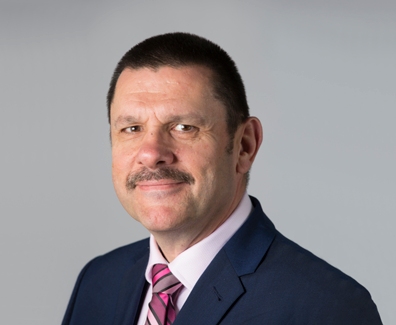
**Sir Jonathan Thompson**
Chief Executive Officer,
Financial Reporting Council
**The impacts of climate change are already being felt around the world. Action must be taken now if we are to avoid its most serious impacts in the future. Although the precise effects of climate change are highly uncertain, they must be integrated into decision-making processes now.**
Scenario analysis is a vital tool for decision-makers as they assess uncertain futures and features prominently in the Taskforce on Climate-related Financial Disclosures (TCFD) Recommendations. UK-premium listed commercial companies will have to report against TCFD for accounting periods beginning on or after 1 January 2021, with other companies having to do so in due course. It is, therefore, really timely to assess and understand the current practice of UK companies using scenario analysis.
In commissioning this research from Alliance Manchester Business School, our aim was to shed light on the practical processes and approaches used in UK companies already conducting climate scenario analysis. The insights this research provides are intended to help those companies at an earlier stage of their journey and share good practices amongst those already applying scenario analysis.
The research highlights that, at present, deployment of climate scenario analysis is being driven by disclosure requirements and investor expectations. However, there is also considerable business value to be derived from the exercise including increased supply chain resilience, refined product offerings, and cost savings and efficiencies. To be fully effective, scenario analysis needs to be embedded into companies' strategic planning processes. This requires multiple iterations, each leveraging the capacity built and key learnings from the previous round, while incorporating potential new impacts on the horizon.
This is not an easy process. It takes time, thought and resources. However, implemented well, climate scenario analysis has the potential to unlock true value for companies and stakeholders alike. It should also help businesses find a route to achieving the changes that are urgently required if the UK is to meet ambitious climate targets and build a net zero future. I hope this research will play a part in driving those changes.
---
## Executive Summary
Climate change is impacting societies across the world and is an inevitable part of our future. Its impacts are multifaceted and difficult to predict, driven by physical changes to the climate system, shifting policy landscapes, geopolitical issues, technological developments and growing public demand for action. Companies therefore face the challenge of remaining resilient as a climate-changed future unfolds.
Scenario analysis has a long history in helping companies prepare for complex and uncertain futures. Scenarios provide hypothetical constructs of possible future states that are used to challenge prevailing assumptions and to analyse business model resilience. Recently, it has become a focal point for corporate responses to climate change and associated disclosures, with it playing a core role in the 2017 Recommendations from the Taskforce on Climate-related Financial Disclosures (TCFD).[^1]
Climate scenario analysis helps companies to identify and prepare for the impacts that climate change will have on their business models by guiding a structured exploration of different possible futures to identify the most relevant risks and opportunities. It aims to enhance business resilience in a climate-changed future, by building capacity for anticipating surprises, identifying risks and opportunities, and collaborating across a company and its supply chain.
The purpose of this report is to shed light on why and how companies get started with climate scenario analysis. It highlights the practical steps taken by the teams interviewed and the observed challenges and best practices. It may therefore provide scaffolding to help companies tailor their own process and approach to climate scenario analysis.
The report examines the processes through which companies produce their scenario analyses, and how these shape their outcomes. This is anticipated to be useful from a regulatory perspective beyond the FRC and for companies that are implementing climate scenario analysis. It focuses on the common steps taken in climate scenario analyses across the FTSE 100 and FTSE 250 (the FTSE 350) and on four areas of enquiry:
### 1. Process
The teams, departments and functions that are involved in conducting climate scenario analysis, their roles and at what stage(s) they contribute.
### 2. Approach
How scenarios are selected, how impacts are modelled and the availability and usefulness of resources, guidance, and external support.
### 3. Governance
The internal committees that are involved in overseeing the process and approving the output, and how these committees influence its efficacy and outcomes.
### 4. Outcomes
How climate scenario analysis outcomes influence strategic planning and decision-making and the extent, and quality, of reporting of findings to external stakeholders.
---
The data collected for this research consists of interviews with 44 individuals across 16 companies at different levels of maturity with their climate scenario analysis. Interviewees ranged from chairs of audit committees and company secretaries to climate scenario analysis team members from various divisions. These were supplemented by an exploratory online survey, a review of climate scenario analysis disclosures across 487 reports from FTSE 350 companies, and a focused analysis of reporting from the 39 companies identified as publishing more extensive climate scenario analysis disclosures (Appendix B).
Four best practice observations emerged from the research:
<div class="best-practice" markdown="1">
**Establishing a climate change working group creates the conditions for effective climate governance**
Interviewees consistently emphasised that senior and cross-functional ownership of the climate scenario analysis project enabled them to derive most insight and value from the analysis.
This was commonly achieved by creating a climate change working group, adding senior-level influence to the process and driving the use of analytical outcomes in risk management and strategic planning. The working group further conveyed and substantiated a strong tone from the top supporting proactive efforts on climate change, fostering meaningful engagement from across the company.
</div>
<div class="best-practice" markdown="1">
**The outcomes of climate scenario analysis are used to shape future iterations**
The companies interviewed derived different value from each iteration of their climate scenario analysis (see Figure 1).
Teams typically experienced considerable anxiety during first iteration, while explaining that in hindsight their first attempt primarily built capabilities and identified priority climate impacts. It was in the subsequent iterations that they built on these foundations to conduct targeted analyses and to embed outcomes within risk management and strategic planning. Across the iterations, however, teams emphasised the need to continue scanning the horizon for new or overlooked impacts as well as further areas for capacity-building.
</div>
<div class="best-practice" markdown="1">
**Best practice is increasingly sector-specific. The team leading the climate scenario analysis should be active in industry-led debates**
At present, climate scenario analysis is primarily based on global scenarios designed for policymakers. A key challenge is linking these into business-level impacts.
Teams within utilities and financial services were best equipped to mitigate this challenge as they could leverage existing sector-specific scenarios and guidance. In sectors where such support did not exist, teams emphasised the importance and value of engaging with sector-specific workshops and initiatives. Indeed, interviewees argued that sector-specific guidance, initiatives and workshops would drive the evolution of best practice in climate scenario analysis.
</div>
<div class="best-practice" markdown="1">
**Using climate scenario analysis to develop climate transition strategy as well as to manage climate risk**
Many of the teams interviewed focused on managing the physical and transition risks of climate change. Those that also embedded climate scenario analysis outcomes into strategic planning derived most insight and value from the process.
However, climate scenario analysis teams often fell short of strategic integration, instead stopping once key climate risks and mitigation measures had been developed. Having committed considerable resources to the analysis, these were only occasionally leveraged as a basis for developing a climate transition strategy that aimed to enhance business model resilience in a future reshaped by climate change.
</div>
[^2]
---
<div class="diagram-description" markdown="1">
**Figure 1: Using the outcomes of climate scenario analysis to shape future iterations**
This diagram illustrates the iterative process of climate scenario analysis, showing how successive iterations build on previous ones to achieve deeper insight and contribute to transition strategy.
**Lay foundations**
* Establish conditions for effective climate governance
* Encourage senior-level strategic discussion on climate change
* Decide on approach to building internal capacity and the extent of external support
**Best Practice**
* A 'tone at the top' that supports strong action on climate change
* Senior and cross-functional climate change working group established to oversee the analysis and drive action on outcomes
**Build capacity**
* Identify the most relevant departments and key individuals to include in the process
* Create a cross-functional team to inform and foster engagement with the analysis
* Educate this new internal network on key climate drivers and their potential impacts on the business model
**Best Practice**
* Identify a project 'champion' who facilitates access to resources, engagement and action on outcomes
* Run introductory workshops to establish awareness among key individuals and to nurture collaboration
**1st Iteration: Explore pathways**
* Select scenarios and develop narratives for each
* Integrate climate scenario analysis with strategy and risk monitoring processes
* Identify risk mitigation options and strategic opportunities
* Establish horizon scanning process for overlooked or newly emerging risks and opportunities
**Best Practice**
* Using 3-4 publicly available climate scenarios (Paris-aligned, high-warming, current policies) helps to challenge assumptions and open discussions
* Run focused workshops that explain and explore how the scenarios selected may impact the business model
**2nd Iteration: Achieve depth of insight**
* Further integrate with strategic planning and risk management
* Consider collaborating with relevant external parties across the supply chain
* Leverage new capabilities to enhance qualitative assessments of scenarios
* Develop approaches for quantifying financial impacts associated with key climate drivers
* Maintain horizon scanning and identify additional requirements to inform future analyses
**Best Practice**
* Quantify the financial impacts of key climate risks and integrate the analysis with risk management and strategic planning
* Continued engagement with industry-led initiatives enriches the company's analysis of climate risks and opportunities
**3rd Iteration: Transition strategy**
* Develop the company's climate transition strategy and roadmap
* Balance qualitative assessments with quantification of impacts
* Leverage established capabilities, processes and collaborations to adjust strategic and financial plans
* Maintain horizon scanning and identify additional requirements to inform future analyses
**Best Practice**
* Leverage new capabilities to develop the company's climate transition strategy
* Maintain horizon scanning efforts to identify new climate drivers and areas for capacity building
</div>
---
## 1. Introduction {: #section-1 }
It is now inevitable that climate change will reshape the future and that its impacts pose numerous threats to business resilience. Findings from the Intergovernmental Panel on Climate Change (IPCC) show how the physical effects of climate change are already being felt in every region of the world and that these will intensify in coming decades.[^3] Businesses also face an array of threats and opportunities from the global transition to net zero societies, driven by changes in social, technological, political and economic landscapes.[^4]
The challenge is for businesses to integrate these physical and transition risks and opportunities into their business planning. Climate scenario analysis has become a focal point in these efforts, as a technique that allows a company to test its business model against the wide-ranging impacts of climate change.[^5] It supports decision-making under complex and uncertain conditions, guiding companies through a structured exploration of different possible futures.
This report provides insight into how climate scenario analysis is being used and reported on by FTSE 100 and FTSE 250 (FTSE 350) companies. It highlights the various approaches companies have adopted, instances of good practice, typical challenges faced, and the common steps taken to conduct the analysis. It also explains how certain governance arrangements, such as a senior and cross-functional climate change working group, enrich analytical insights and drive effective action on outcomes. While other forms of scenario analysis were also studied as part of this research, its climate-related applications form the focus of this report.
These insights are based on data collected through interviews with 44 individuals representing 16 companies across a range of sectors and an analysis of climate scenario analysis disclosures across FTSE 350 companies (see Appendix B). The interviews reflect the experience of a cross-section of organisational roles and functions, from chairs of audit committees and company secretaries to climate scenario analysis team members; and from sustainability, finance, risk, investor relations, insurance and property management. They also represent companies at different levels of maturity in conducting climate scenario analysis and many interviewees had experience with other applications of scenario analysis within their companies.
Companies' participating in this project remain confidential to Alliance Manchester Business School research team and are not known to the FRC. All materials and quotes used in this report have been anonymised and the findings reflect the views and experiences of those who participated in the research.
The report is structured as follows. Section 2 summarises companies' motivations for conducting climate scenario analysis. Section 3 details common steps for conducting the analysis, highlighting instances of good practice, key challenges and sector-specific exceptions. Section 4 presents a review of current disclosure practice in the annual reports and accounts of UK FTSE 350 companies, before Section 5 concludes the report.
---
## 2. Climate Scenario Analysis: Motivations and Value {: #section-2 }
The use of climate scenario analysis in the interviewed companies was driven by existing and potential Taskforce on Climate-related Financial Disclosures (TCFD) aligned disclosure requirements (Section 2.1). Investor expectations and contracting requirements added to external pressures for adoption, as did internal pressures from climate commitments and concerns over its strategic implications.
Interviewees also identified multiple types of added value arising from conducting climate scenario analysis (Section 2.2). This value changed with each iteration as companies built the capabilities required to derive financial value, manage their reputation, maintain supply chain resilience and adjust their product and service offering.
### 2.1 Drivers of climate scenario analysis {: #section-2-1 }
#### External: Disclosure and regulatory requirements
Across the interviews, a key driver for conducting climate scenario analysis was the existing and imminent mandatory requirements for climate-related reporting. The UK Government has stated its intention to make TCFD-aligned disclosures mandatory across the economy by 2025,[^6] with premium listed companies[^7] facing this obligation for periods beginning on or after 1 January 2021.[^8]
Climate ratings further compounded this regulatory pressure for disclosure, with the CDP (formerly the Carbon Disclosure Project) climate score integrating TCFD recommendations.[^9] Companies in certain industries also noted external pressures to engage in climate scenario analysis from other regulators, such as the Bank of England's 2021 Climate Biennial Exploratory Scenario (CBES)[^10] and climate considerations within the water sector's Water Resource Management Plans (WRMP).[^11]
<blockquote markdown="1">
'Disclosure is one of the purposes of the work, but we're absolutely doing it to strengthen the robustness of the business.' Interview with utilities company[^12]
</blockquote>
#### External: Investor and contracting pressure
The significant growth in investor interest in ESG (environmental, social and governance) and, specifically, climate risk was another common theme across our interviews. Interviewees further noted increasingly stringent climate provisions within requests for proposal (RFPs) and contracts.
<blockquote markdown="1">
'What we've seen in the last six to 12 months is a shift from us doing it for our own benefit, to people now actively asking for it. Particularly our customers through RFPs and contractual requirements, and investors. I think four of our largest investors who own 20–30% of our business have now written to us and asked us for this.'
Interview with communication services company
</blockquote>
#### Internal: Business model impacts
Interviewees also frequently suggested that their companies began conducting climate scenario analysis when they started to perceive business model impacts. For example, the increasing frequency and severity of extreme weather events was often noted as the key factor provoking analysis of the physical impacts of climate change (e.g. flooding and heatwaves). Teams also suggested that this business-led approach helped to ensure the analysis is seen as a way to test business model resilience, rather than merely as a compliance exercise.
Other motivations to engage in climate scenario analysis included changes in the technology landscape (e.g. electric vehicles and renewable energy), consumer demand (e.g. enhanced climate awareness in purchasing decisions) and insurance (e.g. reduced insurance premiums and assessing recoverable losses).
<blockquote markdown="1">
'That [new technology] investment has been in the planning for many years, way before the hype of climate risk in the last few years.' Interview with materials company
</blockquote>
<blockquote markdown="1">
'I can now show the benefits of proactive decisions. If we don't have a flood because we have better built, better located, better defended properties, then that will reduce our insurance spend and the associated disruption.' Interview with consumer discretionary company
</blockquote>
Many of these impacts were also seen as presenting opportunities to get ahead of competitors by pre-empting trends across sectors, products and services under different climate scenarios.
<blockquote markdown="1">
'Scenario analysis actually tells you the split between winners and losers within sectors. [...] At this point in time, scenario analysis is probably just telling us where the winners and hotspots are.' Interview with financial services company
</blockquote>
Interviewees also emphasised the value of public climate commitments from senior leadership, as well as sustained media attention driven by climate campaigns and extreme weather events. These were seen as factors that empowered the teams to drive the process and, crucially, to foster buy-in across functions and seniority.
### 2.2 Business value derived from climate scenario analysis {: #section-2-2 }
#### Cost savings and efficiencies
Some interviewees found that scenario analysis provided financial value through their insurance functions that, for example, engaged with insurers to discuss how climate risk mitigation measures could reduce insurance premiums. In others, the company's team responsible for insurance analysed the amount of climate-related losses that could be recouped under different insurance options.
<blockquote markdown="1">
'We tried to say, "Yes, we have these costs, so how much we can recover?” and that's how actually we built a business case: Going forward, if we have similar kind of asset damage or incidents around our property, what will be the actual cost?'
Interview with consumer staples company
</blockquote>
#### Supply chain resilience
Supply chain resilience was an especially prominent theme, with interviewees identifying wide-reaching potential impacts of climate change. Some of these centered on the physical risks that climate change may pose to key inputs (e.g. raw materials and crops). Interviewed companies often investigated and invested in alternatives and began developing strategic relationships with new suppliers and customers.
#### Reputation building
Interviewees frequently explained that climate scenario analysis was an exercise that supported efforts to build a reputation as being at the forefront of the transition to net zero. Relatedly, it was perceived as critical to achieving the strong CDP scores. Overall, these efforts were described as helping to appeal to an increasingly climate-conscious customer base and maintaining access to green finance.
#### Service and product offering
The process of conducting climate scenario analysis also informed the way interviewed companies considered future service and product offering. This was especially prominent in industries such as energy and automotive where technological shifts are well underway, although companies in other sectors similarly identified strategic implications. These ranged from communication services companies expanding climate-related content to consumer discretionary companies identifying where to sell new products for coping with extreme weather events.
#### The value changes with each iteration
A persistent theme across the interviews was that the value derived from conducting climate scenario analysis changes with each iteration. Explanations for this centred on it taking time to build the capabilities required to evaluate the complex impacts of climate change. For example, companies completing their first climate scenario analysis primarily derived value from its capacity-building effects, ranging from education in climate risk to identifying relevant teams and resources.
It may also explain why two of the teams interviewed (one in financial services and one in consumer staples) did not see the value for their business when conducting climate scenario analysis for the first time. In contrast, interviewees who had conducted several iterations consistently explained that their first attempt helped to build capacity, specifically by identifying and educating the most relevant individuals, and establishing the necessary skills and processes for future iterations.
<blockquote markdown="1">
'This is kind of a trial [...] to go on that journey of: "Okay, how do we actually turn this into something that's used and by whom in the business and who needs to be involved?"'
Interview with utilities company
</blockquote>
---
These teams explained that it was only in subsequent iterations that they could build on this foundation to achieve a greater depth of insight (Figure 1). This typically entailed deeper integration between climate scenario analysis and existing risk management and strategic planning processes. Interviewees also emphasised that these subsequent iterations should continue to scan the horizon for new and overlooked impacts.
<blockquote markdown="1">
'It was more about refining our approach and trying to identify how we can make this work useful for colleagues. So, we identified certain sites or third parties to limit the scope of our work [...] and give us a steer on where to expand on that approach in the future and how to do it.' Interview with utilities company
</blockquote>
## 3. Common Phases of Climate Scenario Analysis {: #section-3 }
The research identified a number of steps that are common to climate scenario analysis. The teams interviewed typically began by creating the conditions that enhance engagement with the process (Section 3.1) before deciding on the range of scenarios and how to communicate them (3.2). The subsequent modelling and analysis were an especially challenging part of climate scenario analysis (3.3) that provided the basis for presenting and acting on outcomes (3.4). It was further emphasised that each iteration's outcomes should serve as an input to planning the next iteration (3.5).
<div class="diagram-description" markdown="1">
**Figure 2: Common phases of scenario analysis**
This diagram illustrates a circular process of climate scenario analysis, starting with Lay Foundations, moving through Build Capacity, 1st Iteration: Explore Pathways, 2nd Iteration: Achieve Depth of Insight, and 3rd Iteration: Transition Strategy. Each stage is associated with a "Best Practice" box (as depicted in Figure 1), leading to "Model and Analyse", "Act on Outcomes", and "Derive Value". The overall process forms a loop that includes "Plan the next Iteration".
</div>
---
In general, the companies interviewed pursued one of three different approaches to climate scenario analysis (See Table 3.1). Companies planning their first attempt at climate scenario analysis often thought a **comprehensive approach** was required. While this can be insightful and productive, the extent of work generates considerable anxiety. The **targeted approach**, on the other hand, was most prevalent and would typically adopt a different focus for each iteration.
<blockquote markdown="1">
'The biggest headache is where to start! That's why our approach has been to just start with what we have: talking to colleagues about what is already going on in the business and talking to the strategy team to find out what they're using.' Interview with utilities company
</blockquote>
<blockquote markdown="1">
'Initially we were thinking about looking at the whole business. [...] “Well, where do you start?" It's almost too big to start. [...] We made the decision to focus on the most material impacts on the business, while taking a phased approach over the next few years.' Interview with consumer discretionary company
</blockquote>
One company interviewed adopted a '**tick box**' **approach**, centred on meeting minimum disclosure requirements. This committed considerable resources due to their dependence on external consultants, while building little capacity and being disconnected from strategic planning.
Adoption of this 'tick box' approach was less common than expected, which may be due to the interviews being with relatively early and proactive adopters of climate scenario analysis. Several interviewees suggested that the 'tick box' approach might be more common among those companies yet to react to the imminent mandatory disclosure requirements.
<div class="table-container" markdown="1">
| | Comprehensive | Targeted | Tick box |
|:----------|:----------|:----------|:----------|
| **Approach** | A comprehensive approach entails a company-wide analysis across a broad spectrum of climate impacts. This approach may be especially suited to carbon-intensive sectors that are set to undergo wide-reaching and fundamental changes during the global transition to net zero. However, this approach is resource-intensive and requires a high degree of climate literacy across the company. | A targeted approach focuses on a small number of priority areas and impacts in each iteration. These priorities may already be known or may be identified by the initial analysis. This allows sufficient focus for deep and rich analysis, while avoiding blind spots. As such, horizon scanning is a central task of each iteration, as this guides discussions on the focal areas for future iterations. | A tick box approach centres on meeting minimum disclosure expectations, placing little emphasis on strategic planning. This is the rarest approach among companies already conducting climate scenario analysis. A common view among interviewees was that pursuing a tick box approach is likely to be just as expensive as other approaches, because it depends on extensive external support rather than building internal capabilities. |
</div>
**Table 3.1: Three categories of approach to climate scenario analysis**
---
### 3.1 Get started and lay foundations {: #section-3-1 }
#### 3.1.1 Establish the conditions for effective climate governance {: #section-3-1-1 }
<blockquote markdown="1">
'You can only implement something once and if you don't implement it well it just becomes another piece of compliance.' Interview with industrials company
</blockquote>
The quote above typifies a common view among interviewees: that a valuable starting point is to establish the right conditions for conducting climate scenario analysis. This subsection details what interviewees saw as three key elements to these conditions:
1. Ensure the message from C-Suite is that the company must act on climate change.
2. Task a senior and cross-functional climate change working group with taking ownership of the climate scenario analysis.
3. Decide on the balance between developing internal capabilities and using external consultants.
##### C-suite support and tone at the top
A vocal commitment on climate action from the CEO and CFO helped interviewees to secure buy-in from senior figures across multiple functions, whose inputs were critical to the analysis.
<blockquote markdown="1">
'The tipping point was getting the net zero strategy signed off at board level, having the CFO put in charge of delivery and a senior figure in operations being given responsibility. They are very, very senior people and if they tell you to do something, people normally do it.' Interview with communication services company
</blockquote>
Interviewees also noted that this tone at the top empowered the divisions, teams and individuals who already had ideas for linking climate change to divisional strategy.[^13] Similarly, that C-Suite support helped the climate scenario analysis teams that faced resistance from divisional leadership.
<blockquote markdown="1">
'We were ready to go, and we've been able to move quite quickly once we had that top-down buy-in, whereas previously it was probably a bit more bottom-up.' Interview with financial services company
</blockquote>
##### Climate change working group
<div class="best-practice" markdown="1">
**Best Practice**
**Laying foundations**
* A 'tone at the top' that supports strong action on climate change
* Senior and cross-functional climate change working group established to oversee the analysis and drive action on outcomes
</div>
---
Many of the teams interviewed highlighted the value of cross-functional climate change working groups, typically chaired by the CFO or COO and including senior figures from finance, risk and sustainability functions. These groups were explained as a supplement to established governance mechanisms, serving to identify and report the most important climate-related matters to the risk committee, audit committee and board when climate change was a point on the agenda (Figure 3).[^14] As such, these groups oversaw projects such as climate scenario analysis.
<blockquote markdown="1">
'They are there to basically drive action. [...] It is a really impressive lever for us to be able to pull because they can get stuff done. [...] So having that particular layer of governance in place is a way to accelerate action.' Interview with financial services company
</blockquote>
Climate change working groups help foster collaboration by providing the influence and knowledge needed to secure buy-in across the company. They are less effective, however, if they merely serve to delegate responsibilities. For example, one team in the media industry was able to secure extensive senior-level engagement and action on outcomes, attributing this to the way working group members took ownership of certain elements of the project.
<div class="diagram-description" markdown="1">
**Figure 3: Governance of climate scenario analysis**
This diagram illustrates the hierarchical governance structure for climate scenario analysis. At the top is the **Board**, which oversees **Audit and Risk Committees**. The Audit and Risk Committees oversee a **Climate Change Working Group**. The Climate Change Working Group oversees the **Climate Scenario Analysis Team**. The Climate Scenario Analysis Team is composed of various roles/functions ("Team Composition"): **Project Champion**, **Sustainability**, **Finance**, **Risk**, **Insurance**, and **Relevant Division Leads**. This entire structure operates within the broader **Organisation**. Arrows indicate reporting and oversight relationships.
</div>
---
##### Deciding on the balance of internal capacity-building and external support
All of the companies interviewed depended on external support to some extent. A key decision, however, was on which capabilities they chose to develop internally.
<blockquote markdown="1">
'It's an interesting balance, because no third party knows our customers quite like we do. But equally, we don't pretend to be the experts on, say, flood barriers. It's going to continue to be a balance, but we'll drive it internally.' Interview with consumer discretionary company
</blockquote>
Where interviewees saw climate change as a long-term influence on their company's business model, they typically aimed to develop strong internal capabilities. A common theme was to use external input only where expertise or resources were required, aiming to replace this as internal capabilities developed.
<blockquote markdown="1">
'The initial thinking and the final polish were done by those external experts. But the bit in the middle - where there were key decisions and deep thinking – is done internally by the business, by the people that really understand what makes the business tick.' Interview with communication services company
</blockquote>
In contrast, the one company interviewed that pursued the relatively rare tick box approach depended heavily on external support. This may explain why other interviewees argued that the tick box approach would be equally expensive.
#### 3.1.2 Assembling the cross-functional climate scenario analysis team {: #section-3-1-2 }
<div class="best-practice" markdown="1">
**Best Practice**
**Building capacity**
* Identify a project 'champion' who facilitates access to resources, engagement and action on outcomes
* Run introductory workshops to establish awareness among key individuals and to nurture collaboration
</div>
Interviewees emphasised the importance of nurturing collaboration across multiple functions, and that the team driving the analysis should span several. This fostered the cross-functional engagement needed to analyse how climate change will impact the business model.
##### Identifying a climate scenario analysis champion
<blockquote markdown="1">
'My role never existed before, and I think that's kind of indicative of the sorts of changes I'm talking about. Senior leadership has said, "Okay, we need someone to deliver this, we're going to create a role for it.” That just didn't exist previously.' Interview with communication services company
</blockquote>
---
A project champion is an individual who leads the project, supporting the work of a climate change working group through their senior-level influence and ability to catalyse action on climate change. In line with academic work on climate scenario analysis,[^15] interviewees emphasised that their champion's influence was critical to securing resources, maintaining cross-functional engagement and driving action on findings.
<blockquote markdown="1">
'I can now go to the COO and say, "We want to do this. In the short term it might need some investment." And now it's not a "No, I'm sorry, that's not a strong enough case", it's "Okay, let's have a look at it. If we need to find the money we will because it's a strategic priority now" [...] It gives me a lot of hope that we can take action quite quickly.' Interview with utilities company
</blockquote>
##### Identifying team members from different functions
Where the teams interviewed felt they had derived valuable insights from the analysis, they also emphasised that it was vital to bring together senior figures from multiple functions. Typically, this included a core team from sustainability, finance and risk, who educated each other in key aspects of the analysis (e.g. on climate impacts and robust data collection). They further noted that each of their iterations included different senior figures, depending on which functions where most relevant to the focus of that iteration (e.g. insurance, property, investor relations or communications).[^16]
#### 3.1.3 Introductory workshops: education and scoping {: #section-3-1-3 }
<blockquote markdown="1">
'Don't underestimate the scope of this work. It's not like a finance team can just go and do the scenario analysis. It's a collaboration of the business, whether that's supply chain and finance or the CSR team or our reinsurance team or strategy.' Interview with consumer discretionary company
</blockquote>
When introducing the climate scenario analysis project to relevant individuals across the company, most of the teams interviewed began by holding introductory workshops. These were directed at opening up strategic conversations on alternate possible futures, not at establishing a single viewpoint on climate change.[^17] These workshops:
* Emphasised the strategic focus of the exercise and provide a high-level overview of potential climate risks and opportunities
* Discussed which climate drivers are most relevant to the company
* Explained the input required from each function
* Identified the relevant individuals with whom to engage
* Assessed the availability and quality of data and resources[^18]
---
Teams typically used feedback from these workshops to inform a gap analysis of capabilities and resources. This, in turn, guided decisions on where to invest in building internal capabilities, where external support is required and, relatedly, how that external support could be leveraged to develop internal capabilities.
<blockquote markdown="1">
'While the original thinking was done with input from consultants, the fine-tuning was done with the relevant business area. So, it was done by the business, for the business.' Interview with communication services company
</blockquote>
Several of the teams interviewed also used these workshops to present and discuss a range of climate drivers, aiming to identify (and potentially rank) the most relevant. While it was not mentioned by interviewees, one framework from the academic literature that may help guide this presentation is the set of social, technological, economic, ecological and political/legal (STEEP) drivers.[^19] Teams then decide where further research is needed before creating a shortlist of key climate drivers to narrow the project scope.
<blockquote markdown="1">
'We looked at ten risk drivers and ran a facilitated workshop to identify which of those were really important for the business model we're running. We identified three that were very significant. One was a transition risk, and the others were on the physical side of climate change risks.' Interview with utilities company
</blockquote>
### 3.2 Create scenarios {: #section-3-2 }
<div class="best-practice" markdown="1">
**Best Practice**
**1st Iteration: Exploring pathways**
* Using 3-4 publicly available climate scenarios (Paris-aligned, high-warming, current policies) helps to challenge assumptions and open discussions
* Run focused workshops that explain and explore how the scenarios selected may impact the business model
</div>
#### 3.2.1 Selecting the scenarios {: #section-3-2-1 }
##### Two, three or four climate scenarios?
Across the interviews, reporting analysis and exploratory survey, most companies use three climate scenarios for their analysis. These were described as guiding an exploration of extreme climate outcomes through, first, a Paris-aligned scenario (i.e. a world pursuing efforts to limit warming to 1.5°C) and, second, a scenario with limited action on climate change and considerably higher levels of warming. A third scenario was typically chosen that reflected current policies.
---
<blockquote markdown="1">
'In some guidance there's at least two, but to me that always seems pretty trivial. There aren't two future worlds, but millions of possible combinations! We're doing three or four next time, we think. We might merge some together or do variants of one: green world A and a green world B.' Interview with communication services company
</blockquote>
Academic research suggests that selecting four scenarios can be valuable as it mitigates the tendency to become overly focused on a middle ground while offering a 'good cost-benefit ratio'.[^20] This allows for two 'middle' scenarios, each of which focuses on a subset of the key climate drivers.[^21] Combining interview and academic insights, companies may consider selecting one Paris-aligned scenario, one high-warming scenario as well as one or two scenarios in between, with each being selected for its relevance to the key climate drivers identified by the scenario analysis team.
<blockquote markdown="1">
**Exception:** Several companies worked with two scenarios, typically seeing the high level of warming scenario as so catastrophic that it is not worth analysing. Nevertheless, other interviewees suggested that the high-warming scenario is particularly effective at engaging participants' imaginations with regards to physical impacts.
</blockquote>
##### Ensuring scenarios are relevant to the business model
A crucial next step for the teams interviewed was to choose time horizons and models to underpin the analysis. Most companies used short (less than one year), medium (two to four years) and long-term horizons (five to ten years) that aligned with existing planning cycles. Others, however, opted for one considerably longer time horizon (e.g. 20 years, 40 years or to the year 2100) to provoke more imaginative and exploratory discussions,[^22] forcing participants to step outside their comfort zone and engage with futures that may be strikingly different from today.
A more challenging step for the teams was identifying the scenarios that were most relevant to the key climate drivers. There are many publicly available and widely used scenarios that focus on different areas, such as emissions pathways (e.g. the IPCC Representative Concentration Pathways (RCPs)[^23]), energy transition pathways (e.g. those from IEA,[^24] IRENA,[^25] Bloomberg[^26] and the Deep Decarbonization Pathways Project[^27]), and socioeconomic context (e.g. the IPCC's Shared Socioeconomic Pathways (SSPs)[^28]).
Ensuring relevance to the business was also a key challenge for most interviewees, due to the difficulty of translating global scenarios into their sector-specific implications. Several emphasised that they received valuable advice by engaging with sectoral developments (such as sector-specific climate scenario analysis workshops) and a common view across the interviews was that industry-led initiatives would drive the development of best practice in climate scenario analysis.
---
<blockquote markdown="1">
'I think industry collaborations will be carrying the conversation. For me an industry association could say, "Okay, we're going to develop a scenario that we all use" because at least that's similar enough.' Interview with communication services company
</blockquote>
As such, many interviewees expected further sector-specific guidance on good practice to come from professional bodies and industry associations. One example is the development of climate reference scenarios and frameworks, such as those developed for central banks and prudential supervisors by the Network for Greening the Financial System (NGFS).[^29]
#### 3.2.2 Importance of developing a narrative for each scenario {: #section-3-2-2 }
Experienced teams often emphasised the importance of creating a narrative to accompany each scenario. These were especially effective in stimulating creativity, by helping participants to 'suspend their biases, assumptions, and any disbelief, so they can engage with you in this thought project'.[^30] For example, one company developed three rich narratives about alternate futures before linking these to publicly available scenarios. The team compared these narratives and scenarios to help adjust and enrich their thinking, adapting the three narratives to ensure each was consistent with its scientific basis.
<blockquote markdown="1">
'The qualitative story helps you with that simple mental framework; to help you see the forest for the trees. [...] The story helps you say, "Well, actually, have a think about it in this context." [...] It gets people to take a step back and look at it through a different lens.'
Interview with energy company
</blockquote>
The above example is an ambitious, and seemingly effective, approach to narrative development. Other teams typically focused their efforts on explaining how each scenario links to the key climate drivers. For instance, if technological developments in the automobile market are seen as a key climate driver, the narratives may articulate how and when that market will be affected under each scenario.
These narratives were used by interviewees to frame the more focused workshops (Section 3.2.3), with some supplementing this with briefing documents and videos that could be circulated around the company. Their aim was to further embed climate considerations across multiple functions so that these became an increasingly normal part of planning.
#### 3.2.3 Discuss scenarios and identify potential climate impacts {: #section-3-2-3 }
<blockquote markdown="1">
'You're going to have to get everyone in the room because it is a cross-collaboration piece of work. Climate scenario analysis is not something that can just be isolated and done by a specific team.' Interview with consumer discretionary company
</blockquote>
---
Leveraging these scenarios, the teams interviewed then focused on identifying which parts of the company would be most affected by the key climate drivers. This was informed by the scoping workshops and subsequent research conducted by the climate scenario analysis team, enabling the team to create a longlist of potential climate impacts.
<blockquote markdown="1">
'Over the last few years, the two of us [who lead this analysis] have had various conversations and identified 11 impacts on the business. They could be good, or they could be bad. [...] That's given us a good feel as to who we talk to, because we know which business area will be most affected by each impact.' Interview with communication services company
</blockquote>
This longlist of impacts then provided the foundation for discussions during focused workshops. Some interviewees ran separate workshops for physical and transitional impacts, while others grouped the impacts into two or three themes and ran a dedicated workshop on each. One team found that they could identify the relevant division for each theme and then encouraged that division to present their own assessment on climate risks and opportunities.
<blockquote markdown="1">
'The impacts cluster around three separate stakeholder groups. So, we engaged with each because it doesn't make sense to get everybody together all at once because most of the time their particular impacts don't really play into the impacts elsewhere.' Interview with communication services company
</blockquote>
Irrespective of their thematic grouping, the aim of these focused workshops was to identify a shortlist of impacts that shapes the next and deeper stage of analysis (Section 3.3). While approaches varied, most created this shortlist by making judgements on the magnitude and likelihood of impacts and using these to rank the impacts.
A common dilemma, however, was whether to analyse climate impacts against the current business model or against a business model that employed adaptation options. The static (former) view prevented participants from arguing that the company was sufficiently agile to simply react to climate impacts, instead requiring them to imagine climate change as an inherent part of the company's future. A dynamic view, on the other hand, encouraged discussions on the actions that can help a company adapt to a climate-changed future. One suggestion from interviewees on how to overcome this dilemma was to separate these into two conversations and to make the distinction clear at the start of the focused workshops.
---
### 3.3 Model and analyse {: #section-3-3 }
#### 3.3.1 An overview of approaches to modelling {: #section-3-3-1 }
Modelling refers to the process through which a climate scenario analysis team extracts relevant information from each of the scenarios selected. Interviewees then used this as a basis for analysing how climate impacts may affect the company. For instance, if flooding was shortlisted as a physical risk to property, resources such as the World Resources Institute's Aqueduct Tool[^31] may be used to produce flood maps under each scenario.
Across the interviews, this modelling work was the area where companies most often sought input from external consultants. The common reason given for this was that modelling was the most technical aspect of the work and that external specialists could produce more granular asset-level analysis.
Exceptions to this outsourcing were typically in sectors such as energy or utilities, which leveraged internal modelling capabilities and expertise from those with a background in climate science. Indeed, one company in the financial sector aimed to replace external consultants by hiring climate scientists.
<blockquote markdown="1">
'Climate scientists can bring intel that isn't really sitting in banks. The quants and the financial engineers will turn it into something useful from a financial services perspective [...] Put it this way, I tell my daughters to get a degree in climate change because I think that's where the demand is going to be in the future.' Interview with financial services company
</blockquote>
#### 3.3.2 Challenges with modelling and analysis {: #section-3-3-2 }
Interviewees highlighted a number of common challenges regarding modelling work. These stemmed from the complexity of mapping multiple global climate scenarios onto the specifics of company assets and operations. Further, mitigating these challenges did not remove all uncertainty, as the analysis is fundamentally about exploring alternate futures.
<blockquote markdown="1">
'The finance world is advanced in some respects, but very frustrated by the uncertainty and lack of data availability. But the future is uncertain so you can't get around too much of that.' Interview with financial services company
</blockquote>
The granularity (or resolution) of data was commonly noted as a challenge. For example, it was difficult to model physical impacts at the level of an individual building or site. To overcome this challenge, one consumer discretionary company's property team used physical impact data at a regional level to identify sites and buildings that may be at risk, which were subsequently analysed on a case-by-case basis using flood maps and local knowledge.
<blockquote markdown="1">
'We don't just say, "It's a location next to a river”. You ask, “Which side of the river?" because one side of the river is flood plain, one side is eight metres higher and, to be honest, will never flood. You know, you look at it on a map.' Interview with consumer discretionary company
</blockquote>
---
However, interviewees noted that considerable progress has been made in increasing the granularity (or resolution) of physical impact data and that this trend is set to continue. Further, many interviewees emphasised that the value of this modelling and analysis is generated though cross-functional discussions about potential impacts.[^32]
<blockquote markdown="1">
'With climate change, because we're looking over 30 years, the accuracy of modelling isn't two decimal places. It's more about which sectors are going up and when is it going down and so forth. So, it's the direction of change and the trend rather than specific numbers.'
Interview with financial services company
</blockquote>
Similarly, interviewees highlighted the problem of accessing data when engaging with their supply chain. However, this was typically seen as an ongoing process through which they will improve data availability and their ability to collaborate with external parties.
Several interviewees also aimed to start modelling the confluence of several impacts in order to stress-test their business model. However the complexity of modelling simultaneous impacts presented a key obstacle to a quantitative approach. One company instead created a narrative for an event with simultaneous physical impacts from flooding and heatwaves, using this a basis for discussion among workshop participants.
### 3.4 Act on outcomes {: #section-3-4 }
#### 3.4.1 Presenting the outcomes {: #section-3-4-1 }
At this stage in the climate scenario analysis, teams had already shortlisted the most relevant climate impacts and analysed the extent to which strategy, operations and assets might be affected by each. They had also typically identified potential risk mitigation options and avenues for capitalising on opportunities.
Interviewees explained that the common next step was to present this analysis to relevant working groups and committees, starting with the climate change working group. These presentations stimulated discussions on how the company should respond to the effects that climate change may have on its business model. In other words, the analysis did not specify the required actions. Instead, it provided the basis for focused discussions in those parts of the business most likely to be affected.
<blockquote markdown="1">
'The number matters less than what you do with it. Rather than saying, "This is an accurate number, we're going to book it as provisions in the financial statements", we ask what do we do in our climate strategy, what do we do in our carbon emissions? [...] It's not an accurate number to the penny, but it's more of a decision tool and a lesson for discussion.'
Interview with consumer discretionary company
</blockquote>
Presenting to the climate change working group also informed how the team presented to the risk and audit committees and the board, helping them to articulate the difference between 'how things may turn out to be' and 'how they currently are', which 'spurs managers into action'.[^33]
---
For risk and audit committees, presentations tended to outline the process and then focus on the climate impacts that had been modelled. Interviewees explained that these committees provided a constructive challenge to the analysis, guiding how future iterations may be refined and helping to embed strategic climate thinking at senior levels.
<blockquote markdown="1">
'We present the findings to our risk and audit committees. It was very interesting for them, we took them through the process from start to finish, and displayed the output in a graphical way, trying to make it exciting and engaging. [...] They were very interested in the differences between the two scenarios and the differences between the two commodities that we'd modelled at that point.' Interview with consumer discretionary company
</blockquote>
Findings were also conveyed to the board of directors, often through a climate briefing pack or report. In some instances, the climate scenario analysis champion presented their findings to the board. One team specifically presented during a board strategy day, and found that the day fostered an open-mindedness suited to discussing climate risks and opportunities. Interviewees also emphasised that it was important to engage with the board 'at the right time', typically when the analysis on key climate impacts had been completed.
A further observation is that climate scenario analysis teams found that senior leaders are more receptive to discussing climate science than they were in the past. One team in the utilities sector attributed this to improved climate literacy at senior levels as well as increased media coverage of climate campaigns and extreme weather events.
<blockquote markdown="1">
'The balance is tipping and it's more accepted to say, "We'll rely on the science." [...] Accepting climate science is more of an easy sell.' Interview with utilities company
</blockquote>
#### 3.4.2 Review of strategy, risk register and climate governance {: #section-3-4-2 }
<div class="best-practice" markdown="1">
**Best Practice**
**2nd Iteration: Achieving depth of insight**
* Quantify the financial impacts of key climate risks and integrate the analysis with risk management and strategic planning
* Continued engagement with industry-led initiatives enriches the company's analysis of climate risks and opportunities
</div>
<div class="best-practice" markdown="1">
**Best Practice**
**3rd Iteration: Transition Strategy**
* Leverage new capabilities to develop the company's climate transition strategy
* Maintain horizon scanning efforts to identify new climate drivers and areas for capacity building
</div>
---
Presentation topics varied from company to company, but a common theme was how to act on scenario analysis outcomes. In four of the interviews, teams explained that their strategic discussions went as far as considering the need to pivot the business model away from certain carbon-intensive sectors and towards those set to prosper during the transition to net zero.
However, this close integration of climate scenario analysis with strategy was rare, with the majority of interviewees using the outcomes to inform risk management. This deviates, for example, from the TCFD's guidance on scenario analysis that is explicit on the need to link outcomes to strategic and financial planning.[^34]
<blockquote markdown="1">
'The foresight from scenario analysis is that if we intend to be here for the next 25 years, we have to bake-in to the build [of a new store] what the science is telling us we will be dealing with in 15 or 20 years.' Interview with consumer discretionary company
</blockquote>
<blockquote markdown="1">
'I guess if you look at, say, coffee you would say, "Okay, well we want to limit any kind of risk in the short term, through accreditations.” But then in the longer term, are there other types of coffee that can be grown that will be equivalent in quality? Do we start to invest in those types of projects going forward, knowing crop failure is going to be a risk?' Interview with consumer staples company
</blockquote>
One common challenge was how to foster engagement with longer-term climate impacts that fall outside normal planning cycles. Interviewees found that this could be mitigated by framing their analysis in terms of the investment decisions that need to be taken today in response to those longer-term issues and trends.
<blockquote markdown="1">
'It's quite useful if we're looking further out, to say, “This is the impact in however many years and, therefore, if we want to mitigate that risk, we have to act now. If we want to get somewhere before our competitors, then we have to do this, this and this now."' Interview with consumer staples company[^35]
</blockquote>
It was also common for these discussions to be integrated into existing risk management processes. Interviewees explained that they found it valuable to engage with the risk function throughout, ensuring that the project focus and design was compatible with existing processes. For example, one company developed a template physical risk assessment to be integrated into site-level processes.
<blockquote markdown="1">
'This physical risk template and materials make managers think about how certain variables might change over time for their location. So, we can prompt a more consistent review for each of our assets. We can then have this asset register that we can use to identify the most material items that we need to escalate to our principal risk register.' Interview with utilities company
</blockquote>
---
Across the interviews, teams emphasised that it was through these final discussions that climate awareness was further embedded in those areas of the company that will be most affected by climate change. The discussions required participants to think beyond their day-to-day concerns, embracing alternate representations of the future and, in so doing, changing how they understand the present.[^36] This, in turn, was seen as helping to establish a stronger foundation for future iterations by improving awareness and data collection.
Many of the teams interviewed had previously identified climate change as a principal risk, and the impact of the climate scenario analysis was to refine this into one or several specific climate-related risks. Proponents of this approach suggested that if a company is disclosing how its scenario analysis identified specific principal climate risks, this implies that its findings have been subject to senior and considered discussions.
### 3.5 Plan the next iteration {: #section-3-5 }
<blockquote markdown="1">
'We are hoping that this first climate scenario analysis is the start of building a process for doing this frequently going forward, making sure that there are outputs that colleagues can use to inform what they're doing in their own business areas.' Interview with utilities company
</blockquote>
Interviewees explained that climate scenario analysis is an iterative process that delivers different value as the practice evolves and matures. As such, they described how they used the final stages of any one iteration to start scoping the next.
As seen in Section 3.1, it was quite normal for teams to be anxious before embarking on their first climate scenario analysis. This is not surprising as the first iteration entails considerable education and training of team members and colleagues from across the organisation.
At the end of their first iteration, most interviewees were in a position to design and conduct a more ambitious climate scenario analysis. For example, relevant colleagues had been identified, gained experience with the technique and may have started collecting additional information and data.
<blockquote markdown="1">
'We have planted the seed, and we have loads of people now coming to us saying, "I read this, this is what's happening.” Similarly, people are now sending emails to say, "Look, I've just seen the government in the Netherlands have introduced this type of ban, maybe this is something that could happen in the UK.”' Interview with communication services company
</blockquote>
The teams also used findings from previous iterations to inform the scope and focus of analysis in the next iteration. The outputs of one iteration thereby became inputs to the next.[^37] For example, subsequent iterations were usually designed as a deeper targeted analysis on certain key physical or transition risks, or to shift the scope between direct operations and the supply chain.
---
Interviewees also highlighted the need to reconsider the functions and individuals included in the process as well as the timing and purpose of their engagement. In particular, the focus of their next iteration guided which additional functions were brought into the workshops and, potentially, the team driving the analysis. This also extended to external participants. For example, where companies aim to conduct a deeper climate scenario analysis of their supply chain, external parties had to be identified and approached.
Alongside this evolution, interviewees stressed the importance of horizon scanning. Policy landscapes change, market trends evolve, new scientific findings emerge and additional analytical tools become available. As such, common practice was to ensure each iteration refreshed the company's range and assessment of key climate drivers.
<blockquote markdown="1">
'I get the sense there could be other emerging risks on the radar that we don't really know about yet, but that we'll start to flush out. This analysis won't be a one-year, one-time thing. We'll continue to iterate it, so hopefully we'll pick up those emerging risks.' Interview with communication services company
</blockquote>
---
## 4. Disclosure {: #section-4 }
There was considerable variation in the extent and quality of reporting on climate scenario analysis. One common theme across the interviews (Section 4.1) was an intention to move away from standalone TCFD reports or segments of the annual report, towards integrating climate scenario analysis outcomes across relevant sections of the annual report. Another theme was that teams driving the analysis faced resistance to reporting on worst-case scenarios, especially when considering whether to disclose quantified financial impacts.
Across the analysis of annual reports from the 39 companies with more extensive climate scenario analysis disclosures (see Appendix B), companies often disclosed information regarding the governance of climate scenario analysis, the scenarios used and alignment with TCFD recommendations (Section 4.2). However, it was less common for disclosures to include climate-related opportunities, supply chain impacts, assurance and links between the scenario analysis and key performance indicators (KPIs). A key paradox was the fundamental tension between disclosing the potential impacts in alternate challenging futures and the emphasis that reporting functions placed on appearing stable and predictable.
### 4.1 Internal resistance and debates on what to disclose {: #section-4-1 }
<blockquote markdown="1">
'I think that there's a big risk of everyone rushing to report the same things and to say that the same things are important. Good climate modelling for one company will not look the same as good climate modelling for another company, and I feel that message isn't being given out strongly enough' Interview with industrials company
</blockquote>
Disclosures on climate scenario analysis in annual reports were mostly presented within a TCFD subsection. However, a common intention among interviewees was that future disclosures would integrate climate scenario analysis across relevant sections of the annual report. While our analysis of annual reporting shows that this is not currently the case, interviewees explained that their intention was to demonstrate the extent to which climate considerations have been embedded in the most exposed areas of the company.
<blockquote markdown="1">
'I'm erring towards the future situation where we don't have a sustainability report. [...] I want it to be seen as integrated, but potentially having a separate, very technical ESG data supplement that allows us to free up some of the data space in the integrated annual report.' Interview with utilities company
</blockquote>
Interviewees also suggested that these public disclosures were a useful way to secure senior-level commitment from their companies. This was because the sign-off process typically ensured that the disclosures were reviewed and approved by the climate change working group (if established), the audit committee and the main board. However, there was also a view that disclosures regarding climate impacts would remain limited and cautious until additional standards and guidance are created.
<blockquote markdown="1">
'I found disclosures to be an unexpectedly powerful way to drive conversation and get people to commit to something in writing on paper in the public domain about their risk. So, we've used it over the last year to get a range of divisions to go, "Yes, I agree that that's the way climate change will impact me most.”' Interview with communication services company
</blockquote>
---
<blockquote markdown="1">
**A Paradox: How to disclose preparedness for alternate futures while appearing stable and predictable**
In the three interviews where the team attempted to disclose financial impacts under different scenarios, each faced resistance from their CFO. They explained that there was a reluctance to disclose the most damaging impacts of climate change, often being confronted with arguments that the scenario(s) in question appeared unlikely.
</blockquote>
<blockquote markdown="1">
'People are unwilling to contemplate the worst-case scenario. The CFO is unwilling to contemplate putting in the annual report something that says, “We're all doomed" and/or "This is going to cost us so much money you might as well forget about your investment, kids". Interview with a utilities company
</blockquote>
Yet, well-designed climate scenario analysis will help companies to explore and prepare for the unexpected,[^38] and interviewees suggested that such disclosures would help demonstrate the maturity of their analysis and their preparedness. This further highlighted the need to explain that climate scenario analysis should not be seen as a forecasting technique, but as a way of preparing for a complex and uncertain future.[^39]
This was an underlying tension. On the one hand, climate scenario analysis enabled interviewees to help their colleagues imagine and prepare for alternate futures. On the other, decisions on what to disclose in annual reports focused on appearing stable and predictable.
<blockquote markdown="1">
'The fact that we have to disclose the scenarios and the impact of those could become a real problem because it discourages business divisions from bringing us the worst-case scenarios. Because there are no mandated scenarios, you can essentially pick what you want. In the worst-case scenarios, do you really want to say if the business will cease to exist? I can't imagine any business being comfortable doing that.' Interview with communications services company
</blockquote>
Several interviewees saw this as a paradox: how can a company appear to be stable and predictable if it does not disclose how it is preparing for an issue that will reshape societies and economies around the world?
### 4.2 State of play in climate scenario analysis disclosures {: #section-4-2 }
#### Climate scenario analysis disclosures: common themes
Most of the companies disclosing information on climate scenario analysis align this with the TCFD recommendations. For instance, some present a TCFD roadmap for their work – outlining the steps taken to assess how their company considers climate change across governance, strategy, risk management and targets and metrics – highlighting the integral role of climate scenario analysis in this process.
---
Similarly, disclosing firms often illustrated where climate scenario analysis (as part of their TCFD work) was located within the governance structure. Several companies offered organisational charts to illustrate where their TCFD working group is positioned; others provided details of governance changes made with regards to climate change. These included the creation of new bodies (such as a climate change working group), the C-Suite individuals who had been assigned responsibility for climate change, workstreams on climate-related risks and opportunities, as well as the groups supporting this work.
Disclosures also typically included information on the scenarios underpinning their analysis, such as the scenarios selected, key scenario drivers and parameters, and any external references used. For example, some disclosed that their scenario analysis is based on Representative Concentration Pathways (RCPs) from the Intergovernmental Panel on Climate Change (IPCC), while others focused on sector-specific scenarios such as the three climate scenarios within the Prudential Regulatory Authority (PRA) Insurance Stress Tests.
It was also common for disclosures within annual reports to refer to standalone documents for more details on climate scenario analysis. However, there was not a clear theme in how companies decided which information to present in their annual reports as opposed to a standalone sustainability, climate change or TCFD report.
#### Climate scenario analysis disclosures: less prevalent aspects
Disclosures within annual reports tended not to disclose the rationale guiding scenario selection. Many firms only stated which scenarios were used in their analysis, without explaining why this particular set of scenarios had been chosen or which other scenarios had been considered.
A partial exception to this trend were those disclosures presenting an overarching logic that guided scenario selection. These typically emphasised coverage of operating conditions (e.g. physical, regulatory, market and stakeholder impacts) and the inclusion of one high-ambition scenario (e.g. 1.5°C scenario) and one scenario with more extreme warming. More detailed explanations, for instance on specific considerations within each scenario, were rare.
Given that many companies were still in an early stage of climate scenario analysis, financial impacts were not extensively disclosed. Some firms that appeared more advanced in this regard include those showing how individual business areas may be affected under each scenario (e.g. trends for positive, negative or negligible impacts) with corresponding qualitative explanations for each.
#### Climate scenario analysis disclosures: areas with limited disclosure
Very few firms have explicitly linked their climate-related KPIs and targets to the insights from climate scenario analysis. Instead, such KPIs and targets were usually disclosed separately and independently of whether or how climate scenario analysis had been conducted. Similarly, disclosures of climate risk mitigation plans were not often related to discussions around climate scenarios.
In addition, disclosures on climate scenario analysis often made an explicit statement that they were disconnected from the firms' efforts to identify climate-related opportunities. Indeed, some reports explicitly stated that their scenario analysis was not used for the purposes of business planning or strategy. However these types of disclosures do not represent the common practices observed across the interviews, where interviewees explained how they worked to feed climate scenario analysis outcomes into business planning (Section 3.4).
---
Moreover, disclosures around climate scenario analysis were rarely explicit in considering the impacts of climate change on a firm's customers or suppliers. Exceptions to this theme were the limited number of disclosures pinpointing impacts across the value chain, explaining what drove these impacts under different scenarios.
There was also limited disclosure on the assurance of climate scenario analysis. Across the reports and interviews, a common theme was that there is limited guidance against which assurance may be provided.
<blockquote markdown="1">
'There's lots of challenges in the assurance world at the moment. But I think there needs to be more guidance. There needs to be more standardisation just to ensure the transparency and comparability of what's being reported.' Interview with consumer discretionary company
</blockquote>
---
## 5. Conclusion/Synthesis {: #section-5 }
Climate scenario analysis is a relatively new practice to most companies and one where guidance on good practice is starting to emerge. The purpose of this report is to shed light on the processes and governance that shape the analysis, how these influence the efficacy and outcomes of the analysis, and the ways in which climate scenario analysis findings are influencing strategic planning and decision-making.
At present, there is considerable variation in the approaches taken and in how companies disclose on climate scenario analysis within annual reports. Yet there are themes cutting across current practice, in terms of both good practice and key challenges. This report therefore highlights some of the common steps and observations in how FTSE 350 companies use the technique.
As detailed in Section 3, interviewees consistently emphasised that it was important to start by laying strong foundations, which included assembling a cross-functional team and running introductory workshops. This provided the teams with a basis for selecting the scenarios, developing a narrative for each and discussing these in focused workshops to shortlist potential climate impacts. This shortlist guided how interviewees modelled the scenarios, using this to analyse impacts on the business. Interviewees then presented the outcomes of this analysis to the climate change working group, audit and risk committees and the board, primarily discussing the risk mitigation actions to be taken while also considering similar strategic and governance responses. The teams interviewed also used these outcomes to plan how their company approached its next iteration of climate scenario analysis.
Highlighting these common steps is not intended as an attempt to standardise or codify practice. Rather, these were the common steps observed among the teams interviewed and may provide a scaffolding to help companies design their own approach to climate scenario analysis. Indeed, interviewees emphasised the importance of developing a tailored approach in order to test their company's business model against the wide-ranging and complex impacts of climate change.
This report also showcases how certain teams mitigated common challenges, such as securing buy-in from senior figures across multiple functions, encouraging participants to engage with extreme scenarios and producing granular data on physical impacts. It similarly identifies good practice during each step of the analysis as well as exceptions to common themes, especially where these stem from sector-specific considerations.
Four key observations of best practice emerged from this research:
<div class="best-practice" markdown="1">
**Establishing a climate change working group creates the conditions for effective climate governance**
The companies interviewed that fostered strong cross-functional engagement and that stimulated action on outcomes were those that had established a climate change working group. This group was chaired by a senior figure such as the CFO or COO and demonstrated the senior-level support and vision for climate action. Interviewees saw their climate change working groups as integral to driving cross-functional engagement with the scenario analysis and how its outcomes were used in strategic planning and risk management.
</div>
---
<div class="best-practice" markdown="1">
**The outcomes of climate scenario analysis are used to shape future iterations**
Anxiety is common among companies that are conducting climate scenario analysis for the first time. Yet, the first iteration is widely seen as a capacity-building exercise, aimed at identifying a shortlist of priority climate impacts that warrant further analysis and providing education on climate change to relevant functions and individuals (See Figure 1).
Subsequent iterations may build on this foundation to conduct focused analyses of specific climate impacts, while continuing to scan the horizon for new and overlooked impacts and strengthening the climate capabilities that underpin business model resilience. As such, each iteration strengthens the foundations for future approaches, which can target the climate impacts that are most significant to the company at that point in time.
</div>
<div class="best-practice" markdown="1">
**Best practice is increasingly sector-specific. Climate scenario analysis teams need to be active in industry-led debates and initiatives**
Climate change will reshape the future business environment in multiple ways, from shifting regulatory landscapes and technological developments to physical impacts on people and assets. The consequences of those changes differ from company to company and from sector to sector. Interviewees emphasised the value of sector-specific guidance that they accessed by engaging with industry-led workshops and initiatives. This included utilities and finance where sector-specific scenarios and guidance already exist. However, it also included sectors where these did not exist, with interviewees highlighting the benefit of best practice workshops. Interviewees further argued that sector-specific guidance, initiatives and workshops would drive the evolution of best practice in climate scenario analysis.
</div>
<div class="best-practice" markdown="1">
**Using climate scenario analysis to develop a climate transition strategy as well as to manage climate risk**
Strong linkages between climate scenario analysis and scenario planning were rare, even in interviews with teams on their second or third iteration. The teams interviewed largely explained their process for climate scenario analysis as one of risk management. Yet those companies that also embedded climate scenario analysis outcomes into strategic planning derived more insight and value from the process. They did so by leveraging the climate scenario analysis to challenge their business model and to explore how it could be pivoted under alternate climate scenarios. This could then serve as the basis for discussing and developing the company's climate transition strategy.
</div>
---
## Appendices
### A. Research questions {: #appendix-a }
Before embarking on the reporting analysis, exploratory survey and deep-dive interviews (Appendix B), the research team developed a range of research questions spanning the four key areas of investigation: process, approach, governance and outcomes. These questions are addressed throughout the report, which is structured according to the chronology of common steps taken by the teams interviewed when conducting their climate scenario analysis. As such, answers to each of these questions may span multiple segments of the report.
#### Process:
* Which teams, departments and functions are involved in conducting the scenario analysis? How, and at which stage(s)?
* How do you see the involvement of teams, departments and functions changing over time?
* How are potential climate risks identified and discussed during the scenario analysis?
#### Approach:
* How do companies decide on the range of scenarios to use and their approach to modelling?
* What do companies see as the most important resources for how they conduct climate scenario analysis, and what other resources would be valuable?
* How do companies decide on whether and when to engage external specialists and consultants?
#### Governance:
* Which internal governance committees are involved in overseeing the process and approving the output?
* What new governance arrangements have emerged to support or as a result of climate scenario analysis?
#### Outcomes:
* How do the process, approach and governance of scenario analysis impact on:
* The way scenario analysis findings are used internally by a company, and
* The extent, and quality, of reporting of findings to external stakeholders?
* How do companies decide what information to disclose and in which reports these disclosures should be included?
### B. Methodology {: #appendix-b }
#### Exploratory interviews and survey
The research team designed an exploratory survey to assess the extent and, where possible, key characteristics of climate scenario analysis among FTSE 350 companies. The key purpose of this survey was to identify potential commonalities and variations in practice, which informed the team's approach to the deep-dive interviews (see below). The survey consisted primarily of closed-ended questions, aimed at reducing the burden placed on respondents, and spanned topics such as governance, cross-functional input, technical considerations and outcomes.
Qualtrics was used to design and host the final online survey, which was sent to all FTSE 350 companies. The team targeted senior individuals across sustainability and risk, TCFD leads and company secretaries. Where this was not possible, the survey was sent to investor relations teams, accompanied by guidance on the relevant individuals. Unique survey links were also circulated by professional bodies and climate membership groups to their networks. The use of unique links facilitated the validation of responses. In total, responses from 20 companies were validated and subsequently analysed to inform the deep-dive interviews.
#### Reporting analysis
A systematic analysis of reporting practices across FTSE 350 companies was conducted. The team examined 487 most recently available reports[^40] to identify the companies that make disclosures on climate scenario analysis. This identified 39 companies, which were then subject to a second phase of analysis focused on identifying common trends and omissions as well as assessing the quality of disclosures. This analysis was guided by a coding framework developed by the research team, including 21 sub-themes spanning six overarching areas:
1. Impact of scenario analysis on the business model
2. Scenario design and rationale for choice
3. Governance and processes
4. Long-term considerations
5. Style and nature of disclosures
6. Financial linkages
This analysis informed the team's approach to deep-dive interviews and served as the core empirical basis for Section 4 of this report on current disclosure practice. To adhere to this project's strict confidentiality protocols, this report has anonymised all empirical materials.
---
#### Deep-dive interviews
Building on insights from the survey and disclosure analysis, the team developed a semi-structured interview guide for climate-specific scenario analysis. The semi-structured format enabled a flexible exploration of interviewee circumstances and experiences, while covering common issues relevant to climate scenario analysis across all companies. The approach allowed the interviewers to ask probing and open-ended questions, exploring in more depth: why particular approaches to climate scenario analysis had been chosen; how the arrangements work in practice; how information is circulated to and from the board; potential future uses of climate scenario analysis, and plans for embedding climate scenario analysis within existing business processes.
The research team extends its gratitude to the 44 individuals from 16 different companies who were interviewed as part of this project. The interviews were conducted over a three-month period from June to August 2021, with individuals who had direct involvement in the design, development and/or practice of climate scenario analysis. This ranged from chairs of audit committees and company secretaries to climate scenario analysis team members from sustainability, finance, risk, investor relations, insurance and property management. The 16 companies engaged with for these interviews span the sectors represented in the FTSE 350 and had varying degrees of experience with climate and other forms of scenario analysis.
All interviews were conducted online using video conferencing software and in strict accordance with The University of Manchester data protection protocols. All participants were informed about the purposes of the interview via documentation regarding research consent, confidentiality, and project information, which were reiterated at the start of each interview. Relatedly, to adhere to this project's strict confidentiality protocols, this report has anonymised all empirical materials.
### C. References {: #appendix-c }
Amer, Muhammad, Tugrul U. Daim, and Antonie Jetter. A Review of Scenario Planning. *Futures* 46 (1 February 2013): pp.23–40.
Cairns, George, and George Wright. *Scenario Thinking: Preparing Your Organization for the Future in an Unpredictable World*. Springer, 2017.
Chermack, Thomas J. *Scenario Planning in Organizations: How to Create, Use, and Assess Scenarios*. Berrett-Koehler Publishers, 2011.
Cobb, Ashley Noel, and Jessica Leigh Thompson. Climate Change Scenario Planning: A Model for the Integration of Science and Management in Environmental Decision-Making. *Environmental Modelling & Software* 38 (1 December 2012): pp.296-305.
Cunha, Miguel Pina E. Time Traveling: Organizational Foresight as Temporal Reflexivity. In *Managing the Future: Foresight in the Knowledge Economy*, edited by Haridimos Tsoukas and Jill Shepherd, pp.133–50. John Wiley & Sons, 2004.
Financial Stability Board. *Recommendations of the Task Force on Climate-Related Financial Disclosures*, 2017.
Flyverbom, Mikkel, and Christina Garsten. Anticipation and Organization: Seeing, Knowing and Governing Futures. *Organization Theory* 2, no. 3 (2021).
---
Gehman, Joel, Linda K Treviño, and Raghu Garud. Values Work: A Process Study of the Emergence and Performance of Organizational Values Practices. *Academy of Management Journal* 56, no. 1 (2013): pp.84-112.
Haigh, Nardia. *Scenario Planning for Climate Change: A Guide for Strategists*. Routledge, 2019.
Langley, Ann, Clive Smallman, Haridimos Tsoukas, and Andrew H. Van de Ven. Process Studies of Change in Organization and Management: Unveiling Temporality, Activity, and Flow. *Academy of Management Journal* 56, no. 1 (1 February 2013): pp.1-13.
Ralston, Bill, and Ian Wilson. *The Scenario-Planning Handbook: A Practitioner's Guide to Developing and Using Scenarios to Direct Strategy in Today's Uncertain Times*. Thomson South-Western, 2006.
Saltelli, Andrea, Gabriele Bammer, Isabelle Bruno, Erica Charters, Monica Di Fiore, Emmanuel Didier, Wendy Nelson Espeland, et al. Five Ways to Ensure That Models Serve Society: A Manifesto. *Nature* 582, no. 7813 (June 2020): pp.482–84.
TCFD. *Guidance on Scenario Analysis for Non-Financial Companies*. Financial Stability Board: Taskforce on Climate-related Financial Disclosures (TCFD), October 2020.
Tsoukas, Haridimos. *Complex Knowledge: Studies in Organizational Epistemology*. Oxford University Press, 2005.
Tsoukas, Haridimos, and Jill Shepherd. Introduction: Organizations and the Future: From Forecast to Foresight. In *Managing the Future: Foresight in the Knowledge Economy*, edited by Haridimos Tsoukas and Jill Shepherd, pp.1–18. John Wiley & Sons, 2009.
Wright, George, and Paul Goodwin. Decision-Making and Planning under Low Levels of Predictability: Enhancing the Scenario Method. *International Journal of Forecasting, Special section: Decision-making and planning under low levels of predictability*, 25, no. 4 (1 October 2009): pp.813–25.
---
**Financial Reporting Council**
8th Floor
125 London Wall
London EC2Y 5AS
+44 (0)20 7492 2300
www.frc.org.uk
***
## Footnotes
[^1]: Financial Stability Board. Recommendations of the Task Force on Climate-Related Financial Disclosures, 2017. Available from https://assets.bbhub.io/company/sites/60/2020/10/FINAL-2017-TCFD-Report-11052018.pdf
[^2]: These 487 reports also included available preliminary annual reports.
[^3]: https://www.ipcc.ch/report/sixth-assessment-report-working-group-i/
[^4]: https://www.wbcsd.org/Programs/Climate-and-Energy/Climate/Climate-Action-and-Policy/Resources/Business-Climate-Resilience-Thriving-Through-the-Transformation2
[^5]: https://assets.bbhub.io/company/sites/60/2020/09/2020-TCFD_Guidance-Scenario-Analysis-Guidance.pdf
[^6]: https://www.gov.uk/government/publications/uk-joint-regulator-and-government-tcfd-taskforce-interim-report-and-roadmap
[^7]: Premium listed companies are expected to meet the UK's highest standards of regulation and corporate governance, as set out in the UK's Listing Rules. These companies comprise the Premium segment in the Main Market of the London Stock Exchange and may be eligible for inclusion in the FTSE UK Index Series.
[^8]: https://www.fca.org.uk/firms/climate-change-sustainable-finance/reporting-requirements
[^9]: https://www.cdp.net/en/guidance/how-cdp-is-aligned-to-the-tcfd
[^10]: https://www.bankofengland.co.uk/stress-testing/2021/key-elements-2021-biennial-exploratory-scenario-financial-risks-climate-change
[^11]: https://www.gov.uk/government/publications/water-resources-planning-guideline/water-resources-planning-guideline
[^12]: Company names have been anonymised in accordance with the project's participant confidentiality protocols.
[^13]: For further discussion on executive support, see Ralston, Bill, and Ian Wilson. *The Scenario-Planning Handbook: A Practitioner's Guide to Developing and Using Scenarios to Direct Strategy in Today's Uncertain Times*. Thomson South-Western, 2006, pp.45-49.
[^14]: Academic research further highlights how different governance arrangements commonly emerge in other applications of scenario analysis, due to the technique's future-oriented and exploratory approach to organising discussions on risk and strategy. See: Flyverbom, M. and Garsten, C., 2021. Anticipation and Organization: Seeing, knowing and governing futures. *Organization Theory*, 2(3).
[^15]: For further discussion see: Haigh, Nardia. *Scenario Planning for Climate Change: A Guide for Strategists*. Routledge, 2019, p.32; Ralston, Bill, and Ian Wilson. *The Scenario-Planning Handbook: A Practitioner's Guide to Developing and Using Scenarios to Direct Strategy in Today's Uncertain Times*. Thomson South-Western, 2006, p.70.
[^16]: For further discussion on team composition and roles, see: Chermack, Thomas J. *Scenario Planning in Organizations: How to Create, Use, and Assess Scenarios*. Berrett-Koehler Publishers, 2011, pp.93-94.
[^17]: Cairns, George, and George Wright. *Scenario Thinking: Preparing Your Organization for the Future in an Unpredictable World*. Springer, 2017, p.3.
[^18]: For further discussion on the initial workshop, see: Ralston, Bill, and Ian Wilson. *The Scenario-Planning Handbook: A Practitioner's Guide to Developing and Using Scenarios to Direct Strategy in Today's Uncertain Times*. Thomson South-Western, 2006, pp.90-92.
[^19]: Haigh, Nardia. *Scenario Planning for Climate Change: A Guide for Strategists*. Routledge, 2019, pp.110-36.
[^20]: Amer, Muhammad, Tugrul U. Daim, and Antonie Jetter. A Review of Scenario Planning. *Futures* 46 (1 February, 2013): p.33.
[^21]: Haigh, Nardia. *Scenario Planning for Climate Change: A Guide for Strategists*. Routledge, 2019, pp.70-71.
[^22]: Also see: Chermack, Thomas J. *Scenario Planning in Organizations: How to Create, Use, and Assess Scenarios*. Berrett-Koehler Publishers, 2011, pp.90-91.
[^23]: https://www.ipcc.ch/report/ar5/syr/
[^24]: https://www.iea.org/reports/net-zero-by-2050
[^25]: https://www.irena.org/energytransition
[^26]: https://about.bnef.com/new-energy-outlook/
[^27]: https://ddpinitiative.org/
[^28]: https://www.ipcc.ch/assessment-report/ar6/
[^29]: https://www.ngfs.net/en/communique-de-presse/ngfs-publishes-first-set-climate-scenarios-forward-looking-climate-risks-assessment-alongside-user
[^30]: Haigh, Nardia. *Scenario Planning for Climate Change: A Guide for Strategists*. Routledge, 2019, p.77. See also: Tsoukas, Haridimos, and Jill Shepherd. Introduction: Organizations and the Future: From Forecast to Foresight. In *Managing the Future: Foresight in the Knowledge Economy*, edited by Haridimos Tsoukas and Jill Shepherd, pp.1-18. John Wiley & Sons, 2009; Cobb, Ashley Noel, and Jessica Leigh Thompson. Climate Change Scenario Planning: A Model for the Integration of Science and Management in Environmental Decision-Making. *Environmental Modelling & Software* 38 (1 December 2012): p.298.
[^31]: https://www.wri.org/aqueduct
[^32]: This sentiment was similarly articulated - in a comment article in the journal *Nature* by 23 world-leading academics on the role of science in policymaking - in the view that 'excessive regard for producing numbers can push a discipline away from being roughly right towards being precisely wrong'. Saltelli, Andrea, Gabriele Bammer, Isabelle Bruno, Erica Charters, Monica Di Fiore, Emmanuel Didier, Wendy Nelson Espeland, et al. Five Ways to Ensure That Models Serve Society: A Manifesto. *Nature* 582, no. 7813 (June 2020): p.484.
[^33]: Tsoukas, Haridimos. *Complex Knowledge: Studies in Organizational Epistemology*. Oxford University Press, 2005, p.270.
[^34]: TCFD. *Guidance on Scenario Analysis for Non-Financial Companies*. Financial Stability Board: Taskforce on Climate-related Financial Disclosures (TCFD), October 2020, p.5. Available from https://assets.bbhub.io/company/sites/60/2020/09/2020-TCFD_Guidance-Scenario-Analysis-Guidance.pdf
[^35]: Indeed, this quote from one interviewee corresponds with academic research on scenario analysis that suggests the technique requires participants to couple long-term thinking with immediate action. See Langley, Ann, Clive Smallman, Haridimos Tsoukas, and Andrew H. Van de Ven. Process Studies of Change in Organization and Management: Unveiling Temporality, Activity, and Flow. *Academy of Management Journal* 56, no.1 (1 February 2013): pp.1-13.
[^36]: Cunha, Miguel Pina E. Time Traveling: Organizational Foresight as Temporal Reflexivity. In *Managing the Future: Foresight in the Knowledge Economy*, edited by Haridimos Tsoukas and Jill Shepherd, pp.133–50. John Wiley & Sons, 2004.
[^37]: Gehman, Joel, Linda K Treviño, and Raghu Garud. Values Work: A Process Study of the Emergence and Performance of Organizational Values Practices. *Academy of Management Journal* 56, no.1 (2013): pp.84-112.
[^38]: Cairns, George, and George Wright. *Scenario Thinking: Preparing Your Organization for the Future in an Unpredictable World*. Springer, 2017, pp.247-56.
[^39]: Wright, George, and Paul Goodwin. Decision-Making and Planning under Low Levels of Predictability: Enhancing the Scenario Method. *International Journal of Forecasting, Special section: Decision-making and planning under low levels of predictability*, 25, no.4 (1 October 2009): pp.813-25.
[^40]: These 487 reports also included a number of preliminary annual reports, which is why more than 350 reports were subject to this initial review.
File
Name
Scenario Analysis in Corporate Reporting
Publication date
27 September 2023
Type
Report
Format
PDF, 3.5 MB