
The content on this page has been converted from PDF to HTML format using an artificial intelligence (AI) tool as part of our ongoing efforts to improve accessibility and usability of our publications. Note:
- No human verification has been conducted of the converted content.
- While we strive for accuracy errors or omissions may exist.
- This content is provided for informational purposes only and should not be relied upon as a definitive or authoritative source.
- For the official and verified version of the publication, refer to the original PDF document.
If you identify any inaccuracies or have concerns about the content, please contact us at [email protected].
Key Facts and Trends in the Accountancy Profession 2011
The content in this publication is provided for general information purposes only. Although the POB endeavours to ensure the accuracy of the information provided by the accountancy firms and bodies listed in the publication, we undertake no detailed checking of the data and therefore cannot guarantee that the content will be current, consistently provided year on year, accurate or complete. The POB accepts no responsibility for any reliance others may place upon the information provided herein. We shall not be liable for any loss or damage arising from the use of the information contained within this publication nor from any action or decision taken as a result of using such information.
- Chair's Foreword
- Section One: Main Highlights
- Section Two: Members of Accountancy Bodies
- Recognised Supervisory Bodies (RSBs)
- 3. Students of Accountancy Bodies
- Number of Individuals
- Students and Individuals combined
- Location of Students
- Profile of Students of seven accountancy bodies worldwide 2010
- Age of Students of seven accountancy bodies worldwide 2010
- Age comparison of Students of the Chartered Accountancy Bodies 2005 - 2010
- Sectoral employment of students worldwide 2010
- Gender of students worldwide 2010
- Graduate entrants to training with seven accountancy bodies
- Pass rates 2007 - 2010
- Recognised Qualifying Bodies (RQBs)
- SECTION FOUR OTHER INFORMATION ON SEVEN ACCOUNTANCY BODIES
- SECTION FIVE AUDIT FIRMS
- CONCENTRATION OF LISTED COMPANIES' AUDITS - YEAR ENDED 2010
Chair's Foreword
This is the ninth edition of ‘Key Facts and Trends in the Accountancy Profession'.
The Financial Reporting Council (FRC) is the UK's independent regulator whose aim is promoting high quality corporate governance and reporting to foster investment. Its functions are exercised principally by its Operating Bodies including the Professional Oversight Board (POB). This Board has the following responsibilities:
- It oversees the regulation of auditors by the accountancy bodies;
- It monitors the quality of auditing of large companies;
- It oversees the regulation of the accountancy and actuarial professions by their professional bodies.
This document is produced to provide helpful data on the accountancy profession and provides context to the Oversight Board's work. It provides statistical information principally on the members, students, income, costs and staffing of the six Chartered Accountancy Bodies1. For completeness this is the first year that we are including in all of the key tables one smaller body2 on the basis that it is supervised by the Professional Oversight Board as a Recognised Qualifying Body (RQB). We have also included more limited information on a body3 which supervises the work of a small number of statutory auditors. The information in Section Five relates to 32 of the larger registered audit firms which are auditors of nearly all listed companies and of many other public interest entities. We requested information from the largest 35 firms by audit fee income. Firms provide this information on a voluntary basis and there were a few firms that declined our request. We have included details of firms' fee income and client base in respect of their financial years ended in
- This section also includes information about third country audit firms who have clients admitted to trading on a regulated market in the UK.
'Key Facts and Trends' provides information and, where appropriate, some clarification and comment including possible limitations of the data. It is difficult to make comparisons between
the different accountancy bodies or between audit firms for a number of reasons including differing entry requirements and different classifications of income. This report should not therefore be used to rank the firms or the accountancy bodies.
Despite the difficult economic conditions, the profession remains attractive, the overall number of members and worldwide students continuing to increase. However, the economic downturn, in overall terms is reflected in both the total fee income and audit fee income of the larger registered audit firms.
The changes we have made to this edition reflect comments received on previous editions. We would welcome comments on what information you think may improve future editions. Your comments should be sent to Christina Trickett ([email protected]). Further information about the FRC and its Operating Bodies including the POB is available at www.frc.org.uk.
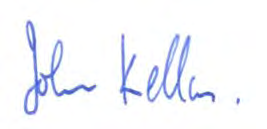
John Kellas CBE Interim Chair of the Professional Oversight Board June 2011
Section One: Main Highlights
The Accountancy Bodies 2005 - 2010
- The number of members of the accountancy bodies continues to grow in the UK and Republic of Ireland and at a slightly faster rate than last year. There has also been a rise in student numbers compared with the small decline last year. In the UK and Republic of Ireland seven accountancy bodies have over 304,000 members and over 172,000 students. In 2010 membership grew by 3.1% and student numbers grew by 2%. (Table 1, Chart 1 and Table 12)
- The seven accountancy bodies have over 424,000 members and over 454,000 students worldwide. The compound annual growth rate of members between 2005 and 2010 was 3.6%. Worldwide membership grew by 3.6% in 2010. (Table 2, Chart 2, Table 9)
- Worldwide, student numbers have been growing more quickly than membership numbers; compound annual growth in members was 3% (06-10) compared to 7.1%4 (06-10) for students. Worldwide student numbers grew by 6.2%4 in 2010. (Tables 2 and 9)
- There are significant differences between the Bodies in terms of geographical distribution of membership and student populations and in size, growth rate and age profile.
- The number of registered audit firms continues gradually to decline. The overall number of audit firms registered in 2010 (7,457) is 21.9% lower than the number in 2005 (9,548). The rate of decline in the number of registered audit firms was 4.9% in 2010 compared with 3.2% in 2009. (Table 7)
- The proportion of members awarded the recognised professional qualification for audit is much smaller than the number of students who became members. (Table 18). In most cases this is because members do not apply for the audit qualification until they wish to be able to sign audit reports. In addition, due to the rise in the audit threshold and the reduction in the availability of audit work, fewer students are able to meet the practical training requirements to be awarded this qualification.
The Audit Firms 2005 - 2010
- Over the past six years, the 'Big Four' firms (PwC, KPMG, Deloitte and Ernst & Young) have experienced a steady increase in the proportion of fee income from non-audit work for non-audit clients. In contrast their fee income from non-audit work to audit clients has been falling. (Chart 20)
- Total fee income decreased in 2009-10. (Table 24). The decrease for the Big Four firms was 1.3% compared with non Big Four fee income which decreased by 7.1%. All firms also experienced a decrease in income in 2008-09 but the rate of decrease for non Big Four firms was much less than in 2009-10.
- Audit fee income per Responsible Individual in the Big Four firms has grown in 2010 by 4%. There has been no change for the larger registered firms outside of the Big Four. (Table 25)
- Table 28 shows that there has been very little change in the proportion of listed companies audited by non Big Four firms.
Section Two: Members of Accountancy Bodies
Members in the UK and the Republic of Ireland 2005 - 2010
Table 1 and Chart 1 show the number of members of each of seven accountancy bodies in the UK and Republic of Ireland as at 31 December for each of the six years to 31 December 2010.
| ACCA | CIMA | CIPFA | ICAEW | CAI | ICAS | AIA | TOTAL |
|---|---|---|---|---|---|---|---|
| 2005 | 59,059 | 53,697 | 13,317 | 111,114 | 13,523 | 14,255 | 2,105 |
| 2006 | 61,386 | 55,580 | 13,381 | 110,894 | 14,329 | 14,535 | 2,194 |
| 2007 | 64,260 | 58,370 | 13,400 | 111,707 | 15,121 | 14,903 | 1,845 |
| 2008 | 67,593 | 60,870 | 13,374 | 112,738 | 16,237 | 15,322 | 1,758 |
| 2009 | 68,907 | 63,513 | 13,440 | 114,468 | 17,076 | 15,858 | 1,734 |
| 2010 | 72,565 | 66,342 | 13,297 | 115,990 | 18,145 | 16,270 | 1,674 |
| % growth (09-10) | 5.3 | 4.5 | -1.1 | 1.3 | 6.3 | 2.6 | -3.5 |
| % growth (05-10) | 22.9 | 23.5 | -0.2 | 4.4 | 34.2 | 14.1 | -20.5 |
| % compound annual growth (05-10) | 4.2 | 4.3 | 0.0 | 0.9 | 6.1 | 2.7 | -4.5 |
Table 1
- The overall total number of members of these seven accountancy bodies in the UK and Republic of Ireland has continued to grow steadily at a compound annual growth rate of 2.6% for the period 2005 to 2010. Total membership has grown by 3.1% from 2009 to 2010 compared with 2.5% from 2008 to 2009.
- There are significant differences in growth rates of the individual Bodies. Chartered Accountants Ireland's membership in the UK and the ROI continues to show the strongest growth with an average of 6.1% per year between 2005 to 2010. The memberships of ACCA and CIMA have also grown strongly over the same period at 4.2% and 4.3% respectively.
- The ICAEW continues to be the largest body in terms of its UK and ROI membership.
Note: The location of members is based on the registered address supplied to the accountancy bodies and may be either the place of employment or the place of residence.
Members in the United Kingdom and Republic of Ireland 2005 - 2010

Chart 1
Members Worldwide 2005 - 2010
Table 2 and Chart 2 shows the number of members of each of seven accountancy bodies worldwide as at 31 December for each of the six years to 31 December 2010.
| ACCA | CIMA | CIPFA | ICAEW | CAI | ICAS | AIA | TOTAL |
|---|---|---|---|---|---|---|---|
| 2005 | 109,588 | 67,670 | 13,565 | 127,826 | 14,973 | 16,388 | 5,452 |
| 2006 | 115,345 | 70,016 | 13,661 | 128,416 | 15,791 | 16,710 | 5,973 |
| 2007 | 122,426 | 73,356 | 13,689 | 130,243 | 16,691 | 17,083 | 5,689 |
| 2008 | 131,398 | 76,368 | 13,697 | 132,411 | 17,843 | 17,671 | 6,064 |
| 2009 | 137,233 | 79,757 | 13,790 | 134,698 | 18,802 | 18,278 | 6,566 |
| 2010 | 144,397 | 83,487 | 13,668 | 136,615 | 20,010 | 18,780 | 7,046 |
| % growth (09-10) | 5.2 | 4.7 | -0.9 | 1.4 | 6.4 | 2.7 | 7.3 |
| % growth (05-10) | 31.8 | 23.4 | 0.8 | 6.9 | 33.6 | 14.6 | 29.2 |
| % compound annual growth (05-10) | 5.7 | 4.3 | 0.2 | 1.3 | 6.0 | 2.8 | 5.3 |
Table 2
- The worldwide membership of the seven accountancy bodies continues to grow at a faster rate than the UK and ROI membership alone. (3.6% compared with 2.6% (Table 1) compound annual growth for the period 2005 to 2010).
- The worldwide growth rate is largely driven by the strong growth of ACCA which has 49.7% of its members outside the UK and ROI compared with 46.1% in 2005 (Table 3).
- Chartered Accountants Ireland continues to experience a strong growth rate in total members due to its strong growth in members in the UK and ROI (Table 1). Chartered Accountants Ireland has only 9.3% of its members outside the UK and ROI (Table 3).
Note: The location of members is based on the registered address supplied to the accountancy bodies and may be either the place of employment or the place of residence.
Members Worldwide 2005 - 2010
A bar chart displaying membership numbers for ACCA, CIMA, CIPFA, ICAEW, CAI, ICAS, and AIA for years 2005-2010, showing overall growth.
Chart 2
- Data points for each body are displayed for years 2005 through 2010, represented by different colored bars.
Table 3 shows the number of members of each of seven accountancy bodies outside the UK and the Republic of Ireland as at 31 December for each of the six years to 31 December 2010.
| ACCA | CIMA | CIPFA | ICAEW | CAI | ICAS | AIA | TOTAL | |
|---|---|---|---|---|---|---|---|---|
| 2005 | 50,529 | 13,973 | 248 | 16,712 | 1,450 | 2,133 | 3,347 | 88,392 |
| 2006 | 53,959 | 14,436 | 280 | 17,522 | 1,462 | 2,175 | 3,779 | 93,613 |
| 2007 | 58,166 | 14,986 | 289 | 18,536 | 1,570 | 2,180 | 3,844 | 99,571 |
| 2008 | 63,805 | 15,498 | 323 | 19,673 | 1,606 | 2,349 | 4,306 | 107,560 |
| 2009 | 68,326 | 16,244 | 350 | 20,230 | 1,726 | 2,420 | 4,832 | 114,128 |
| 2010 | 71,832 | 17,145 | 371 | 20,625 | 1,865 | 2,510 | 5,372 | 119,720 |
| % growth (09-10) | 5.1 | 5.5 | 6.0 | 2.0 | 8.1 | 3.7 | 11.2 | 4.9 |
| % of total worldwide membership outside UK/ROI 2005 | 46.1 | 20.6 | 1.8 | 13.1 | 9.7 | 13.0 | 61.4 | 24.9 |
| % of total worldwide membership outside UK/ROI 2010 | 49.7 | 20.5 | 2.7 | 15.1 | 9.3 | 13.4 | 76.2 | 28.2 |
- For all the accountancy bodies in 2010, except ACCA, the growth rate of the number of members outside the UK and ROI exceeded the growth rate of members inside the UK and ROI. As a result the percentage of total worldwide membership based outside the UK and ROI of all the bodies has increased from 24.9% to 28.2% between 2005 and 2010.
- ACCA continues to have the largest number of members outside the UK and Republic of Ireland and the number of such members has increased by 42% between 2005 and 2010.
Note: The location of members is based on the registered address supplied to the accountancy bodies and may be either the place of employment or the place of residence.
Sectoral employment of members worldwide 2010
Table 4 shows the percentages of members of each of the seven accountancy bodies worldwide, according to their sectoral employment at the end of 2010.
| ACCA | CIMA | CIPFA | ICAEW5 | CAI | ICAS | AIA | TOTAL | |
|---|---|---|---|---|---|---|---|---|
| Public Practice | 26 | 1 | 3 | 32 | 31 | 29 | 5 | 22 |
| Industry & Commerce | 56 | 73 | 8 | 42 | 57 | 41 | 84 | 54 |
| Public Sector | 10 | 16 | 63 | 4 | 4 | 3 | 1 | 10 |
| Retired | 4 | 10 | 24 | 14 | 4 | 18 | 10 | 10 |
| Other 6 | 4 | 0 | 2 | 8 | 4 | 9 | 0 | 4 |
| TOTAL | 100 | 100 | 100 | 100 | 100 | 100 | 100 | 100 |
- There are very few CIPFA and CIMA members employed in public practice at 1% and 3% respectively.
- With the exception of CIPFA, more members are employed in Industry and Commerce than in any other category.
- CIPFA continues to be the only body with the majority of its members employed in the public sector.
- There has been little change for any of the bodies with regard to sectoral employment with a decrease of 2% in public practice and an increase of 4% in industry and commerce respectively between 2008 to 20107.
Gender of members worldwide 2005 - 2010
Table 5 shows the percentage of female members of each of seven accountancy bodies worldwide as at 31 December for each of the six years to 31 December 2010.
| ACCA | CIMA | CIPFA | ICAEW | CAI8 | ICAS | AIA | TOTAL | |
|---|---|---|---|---|---|---|---|---|
| 2005 | 40 | 27 | 26 | 22 | 29 | 25 | 24 | 29 |
| 2006 | 40 | 28 | 27 | 23 | 31 | 26 | 24 | 30 |
| 2007 | 41 | 29 | 28 | 23 | 31 | 27 | 25 | 31 |
| 2008 | 42 | 30 | 29 | 24 | 33 | 28 | 27 | 32 |
| 2009 | 43 | 30 | 30 | 24 | 35 | 29 | 26 | 33 |
| 2010 | 44 | 31 | 30 | 25 | 36 | 30 | 28 | 34 |
- The percentage of female members overall has risen from 29% in 2005 to 34% in 2010.
- ACCA and Chartered Accountants Ireland continue to have the largest proportion of female members.
Age of members worldwide 2010
Table 6 shows the number of members of each of seven accountancy bodies worldwide by age as at 31 December
- Chart 3 shows this information in a graphical format. Charts 4 to 9 compare the age distribution for each body as at 31 December 2005 with the age distribution as at 31 December 2010.
| ACCA | CIMA | CIPFA9 | ICAEW | CAI | ICAS | AIA | TOTAL | |
|---|---|---|---|---|---|---|---|---|
| Under 25 | 693 | 87 | 2 | 209 | 34 | 28 | 13 | 1,066 |
| 25 - 34 | 44,258 | 16,275 | 1,095 | 24,159 | 7,490 | 5,589 | 618 | 99,484 |
| 35 - 44 | 54,250 | 29,647 | 2,879 | 33,824 | 5,985 | 3,796 | 2,503 | 132,884 |
| 45 - 54 | 26,973 | 19,372 | 3,948 | 33,041 | 3,515 | 3,493 | 1,640 | 91,982 |
| 55 - 64 | 11,913 | 10,392 | 3,272 | 24,927 | 1,810 | 2,764 | 1,205 | 56,283 |
| 65 and over | 6,310 | 7,714 | 2,350 | 20,455 | 1,176 | 3,110 | 1,067 | 42,182 |
| TOTAL | 144,397 | 83,487 | 13,546 | 136,615 | 20,010 | 18,780 | 7,046 | 423,881 |
- There are significant differences in the age profiles of worldwide members of the seven accountancy bodies. ACCA and Chartered Accountants Ireland continue to have the youngest population of members, with 69% and 68% respectively of their membership younger than 45 years. This is a reflection, to some extent, of the higher growth rates these Bodies have experienced in 2005 to 2010.
- The CIPFA, ICAEW, ICAS and AIA all have 50% or more of their members aged 45 or over (Chart 3). CIPFA continues to have the oldest population of members with 71% aged 45 or over.
- The most marked change in age profile between 2005 and 2010 relates to CIPFA (Chart 6) where the percentage of members aged below 45 years was 29% in 2010 compared to 40% in 2005.
Stacked bar chart titled "Comparison of Age Profile of Members of Accountancy Bodies 2010", showing the percentage age distribution of members for ACCA, CIMA, CIPFA, ICAEW, CAI, ICAS, and AIA in
- Each bar is segmented to show the proportion of members in age categories: Under 25, 25-34, 35-44, 45-54, 55-64, and 65 and over.
Age of members of the six Chartered Accountancy Bodies 2005 and 2010
The following charts compare the percentage age distribution of members of the Bodies for 2005 and 201010.
Chart 4: Bar chart showing the percentage age distribution of ACCA members in 2005 and 2010 for age categories: Under 25, 25-34, 35-44, 45-54, 55-64, and 65 and over.
Chart 5: Bar chart showing the percentage age distribution of CIMA members in 2005 and 2010 for age categories: Under 25, 25-34, 35-44, 45-54, 55-64, and 65 and over.
Chart 6: Bar chart showing the percentage age distribution of CIPFA members in 2005 and 2010 for age categories: Under 25, 25-34, 35-44, 45-54, 55-64, and 65 and over.
Chart 7: Bar chart showing the percentage age distribution of ICAEW members in 2005 and 2010 for age categories: Under 25, 25-34, 35-44, 45-54, 55-64, and 65 and over.
Chart 8: Bar chart showing the percentage age distribution of Chartered Accountants Ireland (CAI) members in 2005 and 2010 for age categories: Under 25, 25-34, 35-44, 45-54, 55-64, and 65 and over.
Chart 9: Bar chart showing the percentage age distribution of ICAS members in 2005 and 2010 for age categories: Under 25, 25-34, 35-44, 45-54, 55-64, and 65 and over.
Recognised Supervisory Bodies (RSBs)
There are five Recognised Supervisory Bodies (RSBs)11 in the UK recognised to register and supervise audit firms in line with the requirements of Schedule 10 to the Companies Act
- The requirements as outlined in Schedule 10 to the Act mean that RSBs must have procedures in place to register and de-register statutory auditors and supervise work undertaken by these individuals and firms. The RSBs fulfil the requirements of the Act through four main processes; audit registration, audit monitoring, arrangements for the investigation of complaints, and procedures to ensure that those eligible for appointment as statutory auditor continue to maintain an appropriate level of competence.
Table 7 below details the number of registered audit firms for the five RSBs as at 31 December for each of the six years to 31 December 2010.
| Number of Principals in Firm | ACCA | AAPA | ICAEW | CAI | ICAS | TOTAL |
|---|---|---|---|---|---|---|
| 1 | 1,349 | 60 | 1,804 | 619 | 85 | 3,917 |
| 2 - 6 | 832 | 1 | 1,881 | 346 | 129 | 3,189 |
| 7 - 10 | 29 | 0 | 160 | 10 | 13 | 212 |
| 11 -50 | 7 | 0 | 96 | 9 | 7 | 119 |
| 50+ | 0 | 0 | 17 | 2 | 1 | 20 |
| Total as at 31.12.10 | 2,217 | 61 | 3,958 | 986 | 235 | 7,457 |
| Total as at 31.12.09 | 2,436 | 67 | 4,113 | 985 | 242 | 7,843 |
| Total as at 31.12.08 | 2,489 | 80 | 4,279 | 991 | 260 | 8,099 |
| Total as at 31.12.07 | 2,618 | 79 | 4,526 | 1,006 | 266 | 8,495 |
| Total as at 31.12.06 | 2,741 | Not Available | 4,859 | 1,028 | 300 | 8,928 |
| Total as at 31.12.05 | 2,968 | Not Available | 5,193 | 1,044 | 343 | 9,548 |
- The number of firms registered to carry out statutory audit work in the UK continues gradually to gradually decline year-on-year. The number of registered audit firms fell by 21.9% between 2005 and 2010 and by 4.9% between 2009 and 2010.
- There was a 9% decrease in the number of sole practitioners between 2009 and 2010. The number of sole practitioners has continued to decline each year since 2003. Between 2005 and 2010 the number of sole practitioners has declined by 34% compared with a drop of 36% between 2004 and 2009.
- The overall decrease in the number of registered audit firms between 2005 and 2010 can largely be explained by the increase in the audit threshold from 2005 which has resulted in a lower number of entities requiring an audit. The proportion of annual accounts filed at Companies House that are audit exempt has increased from 66.2% in 2005/06 to 70.3% in 2009/1012.
- The reduction in the number of entities having an audit and the regulatory requirements have meant that some firms have found there is no longer a good business case for retaining their audit registration. Many have merged with other firms or passed on this work to larger firms where there are greater economies of with quality assurance and Continuing Professional Development (CPD).
Statutory Audit Directive
The Statutory Audit Directive (effective from April 2008 in the UK) introduced a requirement that the RSBs should monitor the activities undertaken by audit firms at least once every six years. This replaced the less prescriptive requirements in the 1989 Companies Act that RSBs had procedures in place to monitor their registrants and the frequency of these visits was left to the individual RSB to decide. Table 8 below provides details of the number of monitoring visits conducted by the RSBs during the years ended 31 December 2008 to 31 December 2010 and the proportion of registered audit firms that were visited during these years.
| ACCA | AAPA | ICAEW | CAI13 | ICAS | TOTAL | |
|---|---|---|---|---|---|---|
| Number of registered audit firms monitored during the year ended 31 December 2008 | 395 | 11 | 988 | 95 | 54 | 1,543 |
| % of Registered Audit Firms monitored | 15.9 | 13.8 | 23.1 | 9.6 | 20.8 | 19.1 |
| Number of registered audit firms monitored during the year ended 31 December 2009 | 416 | 9 | 757 | 102 | 51 | 1,335 |
| % of Registered Audit Firms monitored | 17.1 | 13.4 | 18.4 | 10.4 | 21.1 | 17.0 |
| Number of registered audit firms monitored during the year ended 31 December 2010 | 350 | 7 | 751 | 84 | 49 | 1,241 |
| % of Registered Audit Firms monitored | 15.8 | 11.5 | 19.0 | 8.5 | 20.9 | 16.6 |
- This table highlights the challenge for Chartered Accountants Ireland to meet the requirements of the Statutory Audit Directive.
3. Students of Accountancy Bodies
Students registered worldwide 2005 - 2010
Table 9 shows the number of students for all Bodies on a comparable basis. The figures exclude individuals who have passed their final admittance examination and completed their training contracts but have not yet applied for membership. These figures are not available pre-2006.
| ACCA | CIMA | CIPFA | ICAEW14 | CAI | ICAS | AIA | TOTAL | |
|---|---|---|---|---|---|---|---|---|
| 2006 | 234,528 | 80,521 | 2,996 | 11,680 | 4,525 | 2,707 | 8,648 | 345,605 |
| 2007 | 256,693 | 81,569 | 2,928 | 13,299 | 5,559 | 2,776 | 7,337 | 370,161 |
| 2008 | 287,815 | 82,737 | 2,828 | 13,728 | 5,575 | 2,672 | 6,514 | 401,869 |
| 2009 | 312,676 | 83,120 | 2,930 | 14,219 | 5,702 | 2,426 | 6,566 | 427,639 |
| 2010 | 333,591 | 88,782 | 2,722 | 14,390 | 5,304 | 2,313 | 7,202 | 454,304 |
| % growth (09-10) | 6.7 | 6.8 | -7.1 | 1.2 | -7.0 | -4.7 | 9.7 | 6.2 |
| % growth (06-10) | 42.2 | 10.3 | -9.1 | 23.2 | 17.2 | -14.6 | -16.7 | 31.5 |
| % compound annual growth (06-10) | 9.2 | 2.5 | -2.4 | 5.4 | 4.1 | -3.9 | -4.5 | 7.1 |
- There continue to be wide differences in the numbers and rates of growth in the student membership worldwide.
- Student numbers grew by 6.2% in 2010 primarily due to the growth in overseas students (Table 12). The decline in student numbers between 2009 and 2010 for some of the bodies can be largely explained by the difficult economic environment in the UK and ROI. The large majority of CIPFA, Chartered Accountants Ireland and ICAS students are based in the UK and ROI (Table 12). Therefore the decline in student numbers is more evident for these bodies than that for those that have a larger proportion of students in the rest of the world.
- ACCA, ICAEW and Chartered Accountants Ireland have all experienced growth of over 15% between 2006 and 2010. Of these bodies, ACCA has seen the most significant growth of 42.2%. The remaining tables and charts in Section 3 and any reference to students are based on the figures in Table
- Table 11 includes all students (Table 9) and individuals who have passed their final admittance examination and completed all necessary practical training but have not yet applied for membership (Table 10).
Number of Individuals
| ACCA | CIMA | CIPFA | ICAEW | CAI | ICAS | AIA | TOTAL | |
|---|---|---|---|---|---|---|---|---|
| 2008 | 19,642 | 8,787 | 57 | 2,437 | 383 | 794 | N/A | 32,100 |
| 2009 | 21,747 | 9,789 | 48 | 2,298 | 469 | 693 | 591 | 35,635 |
| 2010 | 24,361 | 10,482 | 42 | 3,263 | 467 | 691 | 611 | 39,917 |
Students and Individuals combined
| ACCA | CIMA | CIPFA | ICAEW | CAI | ICAS | AIA | TOTAL | |
|---|---|---|---|---|---|---|---|---|
| 2008 | 307,457 | 91,524 | 2,885 | 16,165 | 5,958 | 3,466 | 6,514 | 433,969 |
| 2009 | 334,423 | 92,909 | 2,978 | 16,517 | 6,171 | 3,119 | 7,157 | 463,274 |
| 2010 | 357,952 | 99,264 | 2,764 | 17,653 | 5,771 | 3,004 | 7,813 | 494,221 |
Location of Students
Table 12 shows the location15 (UK, Republic of Ireland and the rest of the world) of students of seven accountancy bodies as at 31 December 2008 to 2010.
| ACCA | CIMA | CIPFA | ICAEW | CAI | ICAS | AIA | TOTAL | ||
|---|---|---|---|---|---|---|---|---|---|
| UK & Republic of Ireland | 2008 | 86,515 | 56,427 | 2,849 | 14,560 | 5,947 | 3,437 | 136 | 169,871 |
| 2009 | 88,082 | 54,373 | 2,913 | 14,206 | 6,171 | 3,075 | 143 | 168,963 | |
| 2010 | 91,690 | 54,470 | 2,687 | 14,510 | 5,771 | 2,962 | 151 | 172,241 | |
| Rest of the World | 2008 | 220,942 | 35,097 | 36 | 1,605 | 11 | 29 | 6,378 | 264,098 |
| 2009 | 246,341 | 38,536 | 65 | 2,311 | 0 | 44 | 7,014 | 294,311 | |
| 2010 | 266,262 | 44,794 | 77 | 3,143 | 0 | 42 | 7,662 | 321,980 | |
| TOTAL | 2008 | 307,457 | 91,524 | 2,885 | 16,165 | 5,958 | 3,466 | 6,514 | 433,969 |
| 2009 | 334,423 | 92,909 | 2,978 | 16,517 | 6,171 | 3,119 | 7,157 | 463,274 | |
| 2010 | 357,952 | 99,264 | 2,764 | 17,653 | 5,771 | 3,004 | 7,813 | 494,221 |
- Student numbers in the UK and Republic of Ireland have seen a growth of 2% since last year compared with a fall of 0.5% between 2008 and 2009.
- Student numbers in the rest of the world have also increased by 9.4% in 2010. This increase can be largely attributed to ACCA and CIMA who represent 83% and 14% respectively of the student population outside of the UK and ROI respectively.
- CIPFA, Chartered Accountants Ireland and ICAS continue to have the lowest proportion of students based outside of the UK and ROI.
- The majority of the AIA's students are based outside of the UK and ROI with only 2% in the UK and ROI.
|:------------------------|:----|:-----|:-----|:------|:------|:----|:-----|:----|:------| | UK & Republic of Ireland | 2008 | 86,515 | 56,427 | 2,849 | 14,560 | 5,947 | 3,437 | 136 | 169,871 | | | 2009 | 88,082 | 54,373 | 2,913 | 14,206 | 6,171 | 3,075 | 143 | 168,963 | | | 2010 | 91,690 | 54,470 | 2,687 | 14,510 | 5,771 | 2,962 | 151 | 172,241 | | Rest of the World | 2008 | 220,942 | 35,097 | 36 | 1,605 | 11 | 29 | 6,378 | 264,098 | | | 2009 | 246,341 | 38,536 | 65 | 2,311 | 0 | 44 | 7,014 | 294,311 | | | 2010 | 266,262 | 44,794 | 77 | 3,143 | 0 | 42 | 7,662 | 321,980 | | TOTAL | 2008 | 307,457 | 91,524 | 2,885 | 16,165 | 5,958 | 3,466 | 6,514 | 433,969 | | | 2009 | 334,423 | 92,909 | 2,978 | 16,517 | 6,171 | 3,119 | 7,157 | 463,274 | | | 2010 | 357,952 | 99,264 | 2,764 | 17,653 | 5,771 | 3,004 | 7,813 | 494,221 |
Table 12
- Student numbers in the UK and Republic of Ireland have seen a growth of 2% since last year compared with a fall of 0.5% between 2008 and 2009.
- Student numbers in the rest of the world have also increased by 9.4% in 2010. This increase can be largely attributed to ACCA and CIMA who represent 83% and 14% respectively of the student population outside of the UK and ROI respectively.
- CIPFA, Chartered Accountants Ireland and ICAS continue to have the lowest proportion of students based outside of the UK and ROI.
- The majority of the AIA’s students are based outside of the UK and ROI with only 2% in the UK and ROI.
Profile of Students of seven accountancy bodies worldwide 2010
Table 13 sets out on a worldwide basis the length of time that individuals have been registered as students with these accountancy bodies.
| Length of time since registering as a Student | ACCA | CIMA16 | CIPFA17 | ICAEW18 | CAI | ICAS | AIA | TOTAL |
|---|---|---|---|---|---|---|---|---|
| ≤ 1 Year | 89,347 | 22,928 | N/A | 5,551 | 1,205 | 808 | 874 | 120,713 |
| ≤ 2 but > 1 Years | 66,525 | 14,287 | N/A | 4,196 | 1,268 | 691 | 679 | 87,646 |
| ≤ 3 but > 2 Years | 51,798 | 10,762 | N/A | 3,873 | 1,467 | 847 | 990 | 69,737 |
| ≤ 4 but > 3 Years | 37,973 | 8,100 | N/A | 3,171 | 1,369 | 519 | 675 | 51,807 |
| ≤ 5 but > 4 Years | 29,984 | 6,562 | N/A | 545 | 462 | 100 | 1,501 | 39,154 |
| > 5 Years | 82,325 | 36,625 | N/A | 317 | 0 | 39 | 3,094 | 122,400 |
| TOTAL | 357,952 | 99,264 | N/A | 17,653 | 5,771 | 3,004 | 7,813 | 491,457 |
Table 13
- Whilst the table above provides interesting indicators about the length of time between registering as a student and achieving the requirements for membership, it is difficult to make comparisons between the Bodies as they do not keep information on the same basis.
- It is important to note that a large number of students at some of the bodies do not undertake full time study and typically take longer to complete the requirements for membership.
- A large percentage of ICAEW, Chartered Accountant Ireland and ICAS students complete their training in 4 years or under at 95%, 92% and 95% respectively.
Age of Students of seven accountancy bodies worldwide 2010
Table 14 compares the age profile of students for seven accountancy bodies as a percentage of their total student membership as at 31 December 2010.
| ACCA19 | CIMA | CIPFA | ICAEW19 | CAI | ICAS | AIA | TOTAL | |
|---|---|---|---|---|---|---|---|---|
| Under 25 | 24 | 22 | 6 | 50 | 47 | 53 | 25 | 25 |
| 25 - 34 | 54 | 48 | 42 | 45 | 46 | 41 | 39 | 51 |
| 35 - 44 | 17 | 22 | 26 | 4 | 6 | 1 | 26 | 18 |
| 45 and over | 5 | 8 | 19 | 1 | 1 | 0 | 10 | 6 |
| Unknown | 0 | 0 | 7 | 0 | 0 | 5 | 0 | 0 |
| TOTAL | 100 | 100 | 100 | 100 | 100 | 100 | 100 | 100 |
Table 14
- CIPFA, AIA and CIMA have a higher proportion of mature students than the other Bodies with 52%, 36% and 30% respectively of students aged 35 or over.
- ICAEW, Chartered Accountants Ireland and ICAS have the highest proportion of students aged 34 or under.
- Whilst the table above shows that 76% of the overall student numbers were aged 34 or younger, Charts 10 to 15 shows that, for the majority of the bodies, the average age of their students has increased between 2005 and 2010.
Age comparison of Students of the Chartered Accountancy Bodies 2005 - 2010
The following charts compare the age distribution of students of the Chartered Accountancy Bodies as at 31 December 2005 and 201020.
Chart 10: Change in age profile for ACCA students 2005 and 2010
Bar chart showing the percentage of ACCA students across age groups (Under 25, 25-34, 35-44, 45 and over) for the years 2005 and 2010.
Chart 11: Change in age profile for CIMA students 2005 and 2010
Bar chart showing the percentage of CIMA students across age groups (Under 25, 25-34, 35-44, 45 and over) for the years 2005 and 2010.
Chart 12: Change in age profile for CIPFA students 2005 and 2010
Bar chart showing the percentage of CIPFA students across age groups (Under 25, 25-34, 35-44, 45 and over) for the years 2005 and 2010.
Chart 13: Change in age profile for ICAEW students 2005 and 2010
Bar chart showing the percentage of ICAEW students across age groups (Under 25, 25-34, 35-44, 45 and over) for the years 2005 and 2010.
Chart 14: Change in age profile for Chartered Accountants Ireland students 2005 and 2010
Bar chart showing the percentage of Chartered Accountants Ireland students across age groups (Under 25, 25-34, 35-44, 45 and over) for the years 2005 and 2010.
Chart 15: Change in age profile for ICAS students 2005 and 2010
Bar chart showing the percentage of ICAS students across age groups (Under 25, 25-34, 35-44, 45 and over) for the years 2005 and 2010.
Note: The ICAEW included in their student age numbers from 2006 onwards those students that had passed their final admittance exam but had not yet been admitted to membership.
Sectoral employment of students worldwide 2010
Table 15 shows the sectoral employment of worldwide students of each of the accountancy Bodies as at 31 December 2010.
| ACCA | CIMA | CIPFA | ICAEW | CAI | ICAS21 | AIA | TOTAL | |
|---|---|---|---|---|---|---|---|---|
| Public Practice | 72,488 | 0 | 0 | 13,666 | 4,903 | 2,872 | 63 | 93,992 |
| Industry & Commerce | 178,424 | 83,878 | 58 | 430 | 254 | 132 | 4,280 | 267,456 |
| Public Sector | 47,272 | 15,386 | 2,706 | 240 | 17 | 0 | 64 | 65,685 |
| Other22 | 59,768 | 0 | 0 | 3,317 | 597 | 0 | 3,406 | 67,088 |
| TOTAL | 357,952 | 99,264 | 2,764 | 17,653 | 5,771 | 3,004 | 7,813 | 494,221 |
Table 15
- ICAEW, Chartered Accountants Ireland and ICAS taken together have 81% of their students in public practice. In contrast only 20% of ACCA's students are employed in public practice.
- Of the employment sectors the public sector has the smallest proportion of overall students at 13%, compared with 19% for public practice and 54% for industry and commerce.
- Whilst 50% of ACCA's students are employed in industry and commerce, their students continue to be the most widely dispersed across the various employment sectors of the profession. CIMA has the largest proportion of students in industry & commerce at 82%.
Gender of students worldwide 2010
Table 16 shows the percentage of female students of each of the accountancy bodies worldwide as at 31 December 2010.
| ACCA | CIMA | CIPFA | ICAEW | CAI23 | ICAS23 | AIA | TOTAL | |
|---|---|---|---|---|---|---|---|---|
| 2005 | 50 | 44 | 49 | 41 | 52 | 44 | 57 | 48 |
| 2006 | 50 | 44 | 50 | 41 | 54 | 46 | 55 | 48 |
| 2007 | 50 | 45 | 49 | 40 | 52 | 46 | 59 | 48 |
| 2008 | 50 | 45 | 48 | 41 | 53 | 47 | 57 | 49 |
| 2009 | 50 | 44 | 50 | 41 | 53 | 47 | 63 | 49 |
| 2010 | 49 | 44 | 50 | 40 | 52 | 45 | 64 | 49 |
Table 16
- The total proportion of female students worldwide has remained almost constant between 2005 and 2010.
- The percentage of female students remains significantly higher than the percentage of female members (see Table 5).
Graduate entrants to training with seven accountancy bodies
Chart 16 shows the percentages of students worldwide of each body who, at the time of registration as students, were (i) graduates of any discipline and of those, (ii) graduates who held a relevant degree, or (iii) graduates who held a post-graduate qualification.
It should be noted that differences in the educational qualifications of those entering the various training schemes are often a reflection of the selection policies adopted by employers rather than the result of strategic decisions of the bodies.
Chart 16: Percentage of students holding a degree, a relevant degree or a Post-Graduate qualification in 2010
Bar chart showing percentages of students for ACCA, CIMA, CIPFA, ICAEW, CAI, ICAS, AIA, broken down by: - Holding a Degree (purple bars) - Holding a Relevant Degree (red bars) - Holding a Post-Graduate qualification (yellow bars)
- Comparisons of the percentage of students holding “relevant degrees” are difficult to draw, because the accountancy bodies use different definitions of a “relevant degree".
- Chartered Accountants Ireland have a larger proportion of students holding a relevant degree due to:
- The recruitment strategy of firms in Ireland which tend to favour such graduates;
- Chartered Accountants Ireland accrediting a number of relevant masters' programmes which upon completion shorten the length of a student's training contract and provide exemptions from all exams except the final stage exams; and
- Irish universities historically having strong business faculties.
The accountancy Bodies' definitions of a "relevant degree" are as follows: * ACCA: Accountancy, Business * CIMA: Business Studies, Business Administration, Finance, Accountancy * CIPFA: Accountancy * ICAEW: Accountancy, Finance, and Accounting & Finance * CAI: Accountancy, Business & Commerce, Finance * ICAS: Accountancy * AIA: Accountancy, Business, Finance, and Accounting & Finance
Pass rates 2007 - 2010
Table 17 shows the percentage of candidates who passed the final examination, for the period 2007 to 2010 and the percentage of those that were first time passes.
| ACCA | CIMA | CIPFA | ICAEW | CAI | ICAS | AIA | |
|---|---|---|---|---|---|---|---|
| Percentage of passes at the final examination | |||||||
| 2007 | 47 | 54 | 71 | 79 | 83 | 74 | 44 |
| 2008 | 48 | 55 | 70 | 77 | 76 | 76 | 15 |
| 2009 | 44 | 59 | 70 | 75 | 76 | 76 | 22 |
| 2010 | 47 | 64 | 65 | 77 | 62 | 82 | 17 |
| Percentage of those passes that were first time passes | |||||||
| 2007 | 52 | 60 | N/A | 61 | 74 | N/A | N/A |
| 2008 | 51 | 54 | N/A | 85 | 82 | N/A | N/A |
| 2009 | 43 | 63 | N/A | 84 | 74 | N/A | N/A |
| 2010 | 49 | 58 | N/A | 80 | 62 | N/A | N/A |
Table 17
- It is important to note that the pass rates recorded in Table 17 are difficult to compare both across the bodies and year-on-year.
- The syllabus and the topics examined at each stage of each body's qualification differ and this makes comparability of pass rates at the final examination difficult.
- The composition of the student populations across the bodies varies significantly reflecting a number of factors including entrance level requirements of the bodies and/or firms and international reach of the bodies.
- The decrease in Chartered Accountants Ireland pass rate may reflect syllabus changes as 2010 was the first year of the new syllabus for the Final Admitting Exam.
- The low pass rate for AIA may reflect that many of their students study part-time and the examinations are in English which is not the first language for a number of their students.
Recognised Qualifying Bodies (RQBs)
There are six Bodies24 in the UK recognised to offer the audit qualification in line with the requirements of Schedule 11 to the Companies Act
- RQBs must have rules and arrangements in place to register students and track their progress, administer examinations and ensure that appropriate training is given to students in an approved environment.
Table 18 below shows the number of students registered with each RQB as at 31 December 2010, and the number of students following the audit route who would be eligible for the recognised professional qualification if successful.
| ACCA | CIPFA | ICAEW | CAI | ICAS | AIA | |
|---|---|---|---|---|---|---|
| Number of students in the UK and ROI as at 31 December 2010 | 91,690 | 2,687 | 14,510 | 5,771 | 2,962 | 151 |
| Number of students following the audit route or eligible for the recognised professional qualification | N/A25 | 0 | 9,432 | 4,114 | N/A | 1 |
| Number of students who became members during 2010 (Worldwide) | 9,372 | 0 | 3,290 | 1,332 | 768 | 45 |
| The number of members who were awarded the recognised professional qualification | 98 | 0 | 1,020 | 846 | 29 | 0 |
| Total number of approved training offices in the UK and ROI | 5,207 | 0 | 2,744 | 837 | 16726 | 138 |
| Total number of training offices in the UK and ROI approved for training audit students | 3,812 | 0 | 2,031 | 460 | N/A | 027 |
Table 18
With the exception of the ICAEW and Chartered Accountants Ireland, the number of members awarded the audit qualification is significantly smaller than the number of students becoming members. In most cases this is because many members do not apply for the audit qualification until they wish to be able to sign audit reports. In addition, due to the rise in the audit threshold and the reduction in the availability of audit work, fewer students are able to meet the practical training requirements to be awarded this qualification.
Note: Due to CIPFA's RQB status being in abeyance they have not provided the figures for Table 18.
SECTION FOUR OTHER INFORMATION ON SEVEN ACCOUNTANCY BODIES
Income of seven accountancy bodies 2005 - 2010
Table 19 and Chart 17 show the income of seven accountancy bodies in £m over the period 2005 to 2010.
| ACCA28 | CIMA | CIPFA | ICAEW | CAI29 | ICAS | AIA | TOTAL | |
|---|---|---|---|---|---|---|---|---|
| 2005 | 72.1 | 33.8 | 37.5 | 60.9 | 15.7 | 15.7 | 1.2 | 236.9 |
| 2006 | 79.1 | 36.5 | 38.5 | 63.6 | 17.1 | 13.7 | 1.2 | 249.7 |
| 2007 | 87.7 | 40.4 | 39.3 | 69.0 | 21.5 | 15.0 | 1.3 | 274.2 |
| 2008 | 104.5 | 43.1 | 40.5 | 73.6 | 29.5 | 15.1 | 1.3 | 307.6 |
| 2009 | 119.0 | 42.7 | 40.6 | 73.7 | 25.6 | 16.7 | 1.1 | 319.4 |
| 2010 | 129.0 | 42.3 | 35.6 | 76.4 | 23.0 | 16.9 | 1.2 | 324.4 |
Table 19
Chart 17
- Chart 17 and Table 19 show that the most significant increase in income is for ACCA whose income has risen at a compound annual rate of 12.3% over the period 2005 to 2010.
- The compound annual growth rate of the income of all the bodies was 6.5% in the period of 2005 to 2010.
Income and costs for the Bodies for the year ended 31 December 201030
Chart 18: Income and costs for the Bodies for the year ended 31 December 2010
Horizontal bar chart showing income (purple) and costs (red) for each accountancy body (AIA, ICAS, CAI, ICAEW, CIPFA, CIMA, ACCA) in £M.
- All but one body achieved a small surplus of income over expenditure in 2010. AIA reported a small deficit.
The analysis of income for seven accountancy bodies in 2010
Chart 19: The analysis of income for seven accountancy bodies in 2010
Stacked bar chart showing the composition of income for each accountancy body (ACCA, CIMA, CIPFA, ICAEW, CAI, ICAS, AIA). Income categories include: Fees & Subscriptions, Education & Exam Fees, Regulation & Discipline, Commercial Activities, and Other (Including Investment Income).
- Fees and subscriptions taken together with education and exam fees from members and students are the main sources of income for each of the bodies other than CIPFA. CIPFA derives significant income from its trading subsidiary which has been included within the commercial activities category in Chart 19. The activities of the trading subsidiary include consultancy, events, publications and training.
- Income from commercial activities includes income from activities such as conferences, training courses and publications.
- Other income includes investment income.
Staffing of seven accountancy bodies 2005 - 2010
Table 20 shows the number of staff (full time equivalent) employed by seven accountancy bodies worldwide over the period 2005 to 2010.
| ACCA | CIMA31 | CIPFA | ICAEW | CAI | ICAS | AIA | TOTAL | |
|---|---|---|---|---|---|---|---|---|
| 2005 | 694 | 246 | 313 | 538 | 104 | 135 | 25 | 2,055 |
| 2006 | 727 | 250 | 319 | 541 | 114 | 137 | 25 | 2,113 |
| 2007 | 763 | 265 | 314 | 579 | 129 | 143 | 25 | 2,218 |
| 2008 | 824 | 283 | 308 | 623 | 135 | 142 | 25 | 2,340 |
| 2009 | 902 | 362 | 304 | 599 | 133 | 129 | 25 | 2,454 |
| 2010 | 981 | 371 | 304 | 619 | 138 | 141 | 25 | 2,579 |
Table 20
- The total number of staff employed by the bodies has increased by a net 25.5% in the period 2005 to 2010. This increase in staff is largely accounted for by ACCA, Chartered Accountants Ireland and ICAEW who have shown an increase of 41%, 33% and 15% respectively for the period 2005 to 2010. CIMA's staff numbers have increased by 40% since 2007.
- All of the bodies have seen either an increase in staff or unchanged staff numbers between 2009 and 2010. The most marked difference is an increase in staff of 9.3% for ICAS between 2009 and 2010.
- The bodies have in the past recruited staff in order to improve services to members and students. The overall increase in staff numbers reverses the trend in the previous year where some bodies reduced staff numbers due to the recession.
| ACCA | CIMA31 | CIPFA | ICAEW | CAI | ICAS | AIA | TOTAL |
|---|---|---|---|---|---|---|---|
| 2005 | 694 | 246 | 313 | 538 | 104 | 135 | 25 |
| 2006 | 727 | 250 | 319 | 541 | 114 | 137 | 25 |
| 2007 | 763 | 265 | 314 | 579 | 129 | 143 | 25 |
| 2008 | 824 | 283 | 308 | 623 | 135 | 142 | 25 |
| 2009 | 902 | 362 | 304 | 599 | 133 | 129 | 25 |
| 2010 | 981 | 371 | 304 | 619 | 138 | 141 | 25 |
Table 20
- The total number of staff employed by the bodies has increased by a net 25.5% in the period 2005 to 2010. This increase in staff is largely accounted for by ACCA, Chartered Accountants Ireland and ICAEW who have shown an increase of 41%, 33% and 15% respectively for the period 2005 to 2010. CIMA's staff numbers have increased by 40% since 2007.
- All of the bodies have seen either an increase in staff or unchanged staff numbers between 2009 and 2010. The most marked difference is an increase in staff of 9.3% for ICAS between 2009 and 2010.
- The bodies have in the past recruited staff in order to improve services to members and students. The overall increase in staff numbers reverses the trend in the previous year where some bodies reduced staff numbers due to the recession.
SECTION FIVE AUDIT FIRMS
Introductory Note: Major Audit Firms
Tables 21 to 23 show fee income for audit and non-audit services for 32 of the larger registered audit firms for the years 2008-10. Most of these have clients who are defined as UK public interest entities. Firms have been listed in order of fee income from audit, rather than total fee income.
The information has been provided on a voluntary basis and we would like to thank all the firms who responded to our requests. Some of this information is otherwise publicly available – for example those firms which have adopted LLP status must publish accounts which meet the requirements of the Companies Act 2006 as applied to Limited Liability Partnerships, and file these at Companies House.
In addition, firms which have audit clients whose securities are admitted to trading on a regulated market are required to produce a transparency statement. This meets the requirements of the Statutory Auditors (Transparency) Instrument which implements a requirement of the Statutory Audit Directive32. As at 31 May 2011, of the 32 larger registered audit firms in table 21, the 22 registered audit firms who are required by the above regulation to produce a statement have done so.
The tables should not be seen as league tables. Not all the firms we approached were willing to disclose information on fee income or considered that they could provide sufficiently reliable information in the desired form. It is likely therefore that there are firms not included in the tables that have a higher audit fee income than some of those that are shown. Also, we have not included accountancy firms that are not registered as statutory auditors.
Total audit fee income of many firms that submitted data to us reduced in 2009-10. The rate of decrease in audit income for the Big Four firms was much less than the rate of decrease in audit income for audit firms outside of the Big Four (Table 24). It is not possible to make reliable detailed comparisons between firms using the information in Tables 21 to
- Some firms do not analyse their fee income in this manner and have made an informed estimate of the figures. In addition, firms may have classified their audit and non-audit income in slightly different ways.
Key Points: Major Audit Firms
Chart 20 shows the split of fee income for the Big Four firms for the six years to 2010 based on the detailed information in the fee income tables (Tables 21-23) and similar tables in both the 7th and 8th editions of Key Facts and Trends. Chart 20 shows that the percentage of fee income derived from non-audit clients has been rising over the past five years. This has been mirrored by a decline in the percentage of fee income from non-audit work to audit clients. The APB issued its 'Consultation on Audit Firms providing audit services to listed companies that they audit' in October
- This document discusses trends since the APB issued the Ethical Standards for Auditors in October 2004. It seems likely that a number of factors have contributed to the fall in fees for non-audit services to audit clients including more active audit committee involvement and more demanding ethical standards both in the UK and overseas.
- Chart 21 shows the change in the split of fee income for many of the larger firms outside the Big Four (as included within Tables 21-23). The trend in fee income over the past five years is consistent with that of the Big Four (Chart 20), with fee income from non-audit work to audit clients declining over the period shown.
- Whilst the percentage of total fee income from audit for the Big Four and many of the larger registered firms outside of the Big Four has remained relatively constant since 2004 (Charts 20 and 21), the total fee income from audit per Responsible Individual (RI) has risen. The increase is greater for RIs in Big Four firms than in Non Big Four firms (Table 25). Almost a third of RI's in Big Four firms are now employees rather than principals (Table 26).
- There has been little change in the proportion of listed companies audited by non Big Four firms in 2009-10 compared with previous years. (Table 28)
UK FEE INCOME OF MANY OF THE LARGER REGISTERED AUDIT FIRMS - YEAR ENDED 2010 (By fee income from audit)
| UK Firm Name | UK Structure | Year End | No of Principals33 | No of Audit Principals | No of Responsible Individuals34 | Fee Income: Audit35 (£m) | Fee Income: Non-Audit Work35 to Audit Clients (£m) | Fee Income: Non-Audit Clients (£m) | Total Fee Income (£m) |
|---|---|---|---|---|---|---|---|---|---|
| PricewaterhouseCoopers | LLP | 30-Jun-10 | 845 | 241 | 373 | 548 | 358 | 1,287 | 2,193 |
| KPMG36 | LLP | 30-Sep-10 | 545 | 149 | 253 | 431 | 289 | 882 | 1,602 |
| Deloitte37 | LLP | 31-May-10 | 678 | 181 | 204 | 418 | 187 | 1,215 | 1,820 |
| Ernst & Young | LLP | 30-Jun-10 | 533 | 117 | 189 | 303 | 206 | 847 | 1,356 |
| Grant Thornton | LLP | 30-Jun-10 | 231 | 76 | 98 | 107 | 38 | 235 | 380 |
| BDO38 | LLP | 30-Jun-10 | 202 | 63 | 89 | 90 | 51 | 145 | 286 |
| PKF (UK) | LLP | 31-Mar-10 | 94 | 50 | 50 | 59 | 32 | 49 | 140 |
| Baker Tilly39 | LLP | 31-Mar-10 | 263 | 120 | 119 | 58 | 32 | 98 | 188 |
| Mazars | LLP | 31-Aug-10 | 109 | 52 | 57 | 44 | 13 | 46 | 103 |
| Crowe Clark Whitehill40 | LLP | 31-Mar-10 | 69 | 43 | 44 | 25 | 11 | 11 | 47 |
| UK Firm Name | UK Structure | Year End | No of Principals33 | No of Audit Principals | No of Responsible Individuals34 | Fee Income: Audit35 (£m) | Fee Income: Non-Audit Work35 to Audit Clients (£m) | Fee Income: Non-Audit Clients (£m) | Total Fee Income (£m) |
|---|---|---|---|---|---|---|---|---|---|
| RSM Tenon Audit41 | Company | 30-Jun-10 | 5 | 4 | 95 | 19 | 0 | 0 | 19 |
| Nexia Smith & Williamson Audit | Company | 30-Apr-10 | 42 | 34 | 34 | 15 | N/A | 39 | 54 |
| Moore Stephens | LLP | 30-Apr-10 | 62 | 29 | 31 | 14 | 4 | 48 | 66 |
| Kingston Smith | LLP | 30-Apr-10 | 52 | 44 | 45 | 13 | 8 | 11 | 32 |
| MacIntyre Hudson | LLP | 31-Mar-10 | 50 | 34 | 34 | 12 | N/A | N/A | 31 |
| HW Group | Partnership | 31-Mar-10 | 146 | 90 | 92 | 10 | 7 | 39 | 56 |
| UHY Hacker Young | Group of Partnerships | 30-Apr-10 | 92 | 54 | 56 | 10 | 5 | 30 | 45 |
| Chantrey Vellacott DFK | LLP | 30-Jun-10 | 51 | 25 | 25 | 9 | 2 | 17 | 28 |
| Haysmacintyre | Partnership | 31-Mar-10 | 24 | 20 | 20 | 8 | 4 | 4 | 16 |
| Saffery Champness | Partnership | 31-Mar-10 | 57 | 35 | 35 | 7 | 3 | 25 | 35 |
| Menzies | LLP | 31-Mar-10 | 39 | 23 | 24 | 6 | 6 | 14 | 26 |
| Johnston Carmichael | Partnership | 31-May-10 | 45 | 15 | 21 | 6 | N/A | N/A | 25 |
| UK Firm Name | UK Structure | Year End | No of Principals33 | No of Audit Principals | No of Responsible Individuals34 | Fee Income: Audit35 (£m) | Fee Income: Non-Audit Work35 to Audit Clients (£m) | Fee Income: Non-Audit Clients (£m) | Total Fee Income (£m) |
|---|---|---|---|---|---|---|---|---|---|
| Buzzacott | LLP | 30-Sept-10 | 24 | 12 | 12 | 6 | 1 | 15 | 22 |
| Littlejohn42 | LLP43 | 31-May-10 | 29 | 19 | 19 | 5 | 2 | 9 | 16 |
| Scott Moncrieff | Partnership | 30-Apr-10 | 17 | 8 | 8 | 5 | 1 | 7 | 13 |
| Cooper Parry | LLP | 30-Apr-10 | 22 | 9 | 11 | 4 | 3 | 7 | 14 |
| Price Bailey | LLP | 31-Mar-10 | 23 | 12 | 12 | 3 | 2 | 7 | 12 |
| James Cowper44 | LLP44 | 30-Apr-10 | 15 | 7 | 7 | 2 | 2 | 5 | 9 |
| Chiene & Tait | Scottish Partnership | 30-Sep-10 | 7 | 4 | 4 | 2 | 0 | 4 | 6 |
| Francis Clark | LLP | 31-Mar-10 | 33 | 20 | 20 | 2 | N/A | N/A | 16 |
| DTE Business Advisory | Company | 30-Apr-10 | 6 | 3 | 9 | 1 | 1 | 3 | 5 |
| Armstrong Watson | Partnership | 31-Mar-10 | 27 | 7 | 7 | 1 | N/A | N/A | 17 |
Table 21
UK FEE INCOME OF MANY OF THE LARGER REGISTERED AUDIT FIRMS - YEAR ENDED 2009 (By fee income from audit)
| UK Firm Name | UK Structure | Year End | No of Principals45 | No of Audit Principals | No of Responsible Individuals46 | Fee Income: Audit47 (£m) | Fee Income: Non-Audit Work47 to Audit Clients (£m) | Fee Income: Non-Audit Clients (£m) | Total Fee Income (£m) |
|---|---|---|---|---|---|---|---|---|---|
| PricewaterhouseCoopers | LLP | 30-Jun-09 | 873 | 269 | 382 | 55848 | 40648 | 1,23948 | 2,20348 |
| KPMG49 | LLP | 30-Sep-09 | 569 | 157 | 254 | 455 | 282 | 889 | 1,626 |
| Deloitte50 | LLP | 31-May-09 | 671 | 192 | 216 | 409 | 203 | 1,24051 | 1,85251 |
| Ernst & Young | LLP | 30-Jun-09 | 506 | 140 | 223 | 302 | 227 | 854 | 1,383 |
| Grant Thornton | LLP | 30-Jun-09 | 280 | 98 | 114 | 112 | 40 | 226 | 378 |
| BDO52 | LLP | 30-Jun-09 | 235 | 87 | 113 | 97 | 51 | 158 | 306 |
| Baker Tilly53 | LLP | 31-Mar-09 | 276 | 118 | 118 | 63 | 37 | 103 | 203 |
| PKF (UK) | LLP | 31-Mar-09 | 98 | 54 | 54 | 59 | 38 | 44 | 141 |
| Mazars | LLP | 31-Aug-09 | 105 | 55 | 62 | 43 | 14 | 44 | 101 |
| UK Firm Name | UK Structure | Year End | No of Principals45 | No of Audit Principals | No of Responsible Individuals46 | Fee Income: Audit47 (£m) | Fee Income: Non-Audit Work47 to Audit Clients (£m) | Fee Income: Non-Audit Clients (£m) | Total Fee Income (£m) |
|---|---|---|---|---|---|---|---|---|---|
| Horwath Clark Whitehill | LLP | 31-Mar-09 | 69 | 44 | 45 | 25 | 11 | 11 | 47 |
| RSM Bentley Jennison54 | Partnership | 31-Dec-09 | 71 | 28 | 32 | 15 | 9 | 50 | 74 |
| Tenon Audit54 | Company | 30-Jun-09 | 4 | 3 | 46 | 15 | 0 | 0 | 15 |
| Nexia Smith & Williamson Audit | Company | 30-Apr-09 | 42 | 34 | 34 | 14 | 0 | 48 | 62 |
| Moore Stephens | LLP | 30-Apr-09 | 60 | 26 | 28 | 14 | 5 | 38 | 57 |
| Kingston Smith | LLP | 30-Apr-09 | 49 | 42 | 44 | 12 | 8 | 12 | 32 |
| MacIntyre Hudson | LLP | 31-Mar-09 | 50 | 34 | 34 | 11 | N/A | N/A | 31 |
| HW Group | Partnership | 31-Mar-09 | 146 | 92 | 95 | 10 | 8 | 40 | 58 |
| UHY Hacker Young | Group of Partnerships | 30-Apr-09 | 88 | 56 | 58 | 10 | 6 | 29 | 45 |
| HLB Vantis Audit plc | Plc | 31-May-09 | 3 | 3 | 55 | 10 | 0 | 0 | 10 |
| Chantrey Vellacott DFK | LLP | 30-Jun-09 | 51 | 24 | 24 | 8 | 2 | 16 | 26 |
| Haysmacintyre | Partnership | 31-Mar-09 | 24 | 20 | 22 | 8 | 4 | 4 | 16 |
| UK Firm Name | UK Structure | Year End | No of Principals45 | No of Audit Principals | No of Responsible Individuals46 | Fee Income: Audit47 (£m) | Fee Income: Non-Audit Work47 to Audit Clients (£m) | Fee Income: Non-Audit Clients (£m) | Total Fee Income (£m) |
|---|---|---|---|---|---|---|---|---|---|
| Saffery Champness | Partnership | 31-Mar-09 | 54 | 31 | 31 | 7 | 4 | 24 | 35 |
| Menzies55 | LLP55 | 31-Mar-09 | 34 | 20 | 20 | 6 | 6 | 14 | 26 |
| Littlejohn56 | LLP57 | 31-May-09 | 28 | 16 | 16 | 6 | 3 | 9 | 18 |
| Johnston Carmichael | Partnership | 31-May-09 | 45 | 14 | 20 | 5 | N/A | N/A | 23 |
| Cooper Parry | LLP | 30-Apr-09 | 23 | 10 | 12 | 5 | 4 | 6 | 15 |
| Scott Moncrieff | Partnership | 30-Apr-09 | 18 | 7 | 8 | 5 | 1 | 7 | 13 |
| James Cowper58 | LLP58 | 30-Apr-09 | 17 | 8 | 8 | 2 | 2 | 5 | 9 |
| Chiene & Tait | Scottish Partnership | 30-Sep-09 | 7 | 4 | 4 | 2 | 0 | 4 | 6 |
| DTE Business Advisory | Company | 30-Apr-09 | 6 | 3 | 10 | 2 | 1 | 3 | 6 |
| Armstrong Watson | Partnership | 31-Mar-09 | 35 | 7 | 7 | 1 | N/A | N/A | 19 |
| Begbies Chettle Agar | Partnership | 31-Mar-09 | 5 | 4 | 4 | 1 | N/A | 1 | 2 |
Table 22
UK FEE INCOME OF MANY OF THE LARGER REGISTERED AUDIT FIRMS - YEAR ENDED 2008 (By fee income from audit)
| Firm Name | Structure | Year End | No of Principals59 | No of Audit Principals | No of Responsible Individuals60 | Fee Income: Audit61 (£m) | Fee Income: Non-Audit Work61 to Audit Clients (£m) | Fee Income: Non-Audit Clients (£m) | Total Fee Income (£m) |
|---|---|---|---|---|---|---|---|---|---|
| PricewaterhouseCoopers | LLP | 30-Jun-08 | 853 | 267 | 378 | 57162 | 45762 | 1,18862 | 2,21662 |
| KPMG63 | LLP | 30-Sep-08 | 571 | 178 | 284 | 427 | 282 | 910 | 1,619 |
| Deloitte64 | LLP | 31-May-08 | 67765 | 20365 | 21665 | 368 | 245 | 1,30966 | 1,92266 |
| Ernst & Young | LLP | 30-Jun-08 | 513 | 150 | 227 | 338 | 208 | 736 | 1,282 |
| Grant Thornton | LLP | 30-Jun-08 | 315 | 118 | 135 | 115 | 42 | 237 | 394 |
| BDO Stoy Hayward | LLP | 30-Jun-08 | 246 | 99 | 133 | 94 | 72 | 159 | 325 |
| PKF (UK) | LLP | 31-Mar-08 | 98 | 60 | 60 | 62 | 37 | 44 | 143 |
| Baker Tilly67 | LLP68 | 31-Mar-08 | 269 | 120 | 115 | 61 | 36 | 108 | 205 |
| Mazars | LLP | 31-Aug-08 | 104 | 55 | 61 | 42 | 16 | 46 | 104 |
| Firm Name | Structure | Year End | No of Principals59 | No of Audit Principals | No of Responsible Individuals60 | Fee Income: Audit61 (£m) | Fee Income: Non-Audit Work61 to Audit Clients (£m) | Fee Income: Non-Audit Clients (£m) | Total Fee Income (£m) |
|---|---|---|---|---|---|---|---|---|---|
| Horwath Clark Whitehill | LLP | 31-Mar-08 | 68 | 46 | 46 | 26 | 10 | 11 | 47 |
| RSM Bentley Jennison | Partnership | 31-Dec-08 | 71 | 31 | 29 | 15 | 10 | 49 | 74 |
| Nexia Smith & Williamson Audit | Company | 30-Apr-08 | 41 | 33 | 33 | 14 | NA69 | 47 | 61 |
| Tenon Audit | Company | 30-Jun-08 | 4 | 3 | 51 | 14 | 070 | 069 | 14 |
| Moore Stephens | LLP | 30-Apr-08 | 61 | 30 | 32 | 13 | 4 | 36 | 53 |
| UHY Hacker Young | Group of Partnerships | 30-Apr-08 | 86 | 57 | 60 | 10 | 4 | 28 | 43 |
| HW Group | Partnership | 31-Mar-08 | 134 | 101 | 104 | 10 | 7 | 43 | 60 |
| Kingston Smith | LLP | 30-Apr-08 | 49 | 42 | 44 | 10 | 6 | 13 | 29 |
| MacIntyre Hudson | LLP | 31-Mar-08 | 47 | 34 | 34 | 10 | NA71 | NA | 27 |
| Vantis Audit plc | Plc | 31-May-08 | 3 | 3 | 57 | 10 | 072 | 072 | 10 |
| Chantrey Vellacott DFK | LLP | 30-Jun-08 | 47 | 21 | 21 | 8 | 2 | 15 | 25 |
| Firm Name | Structure | Year End | No of Principals59 | No of Audit Principals | No of Responsible Individuals60 | Fee Income: Audit61 (£m) | Fee Income: Non-Audit Work61 to Audit Clients (£m) | Fee Income: Non-Audit Clients (£m) | Total Fee Income (£m) |
|---|---|---|---|---|---|---|---|---|---|
| Haysmacintyre | Partnership | 31-Mar-08 | 24 | 18 | 22 | 8 | 4 | 4 | 16 |
| Littlejohn73 | LLP74 | 31-May-08 | 30 | 16 | 16 | 7 | 3 | 8 | 18 |
| Saffery Champness | Partnership | 31-Mar-08 | 54 | 31 | 31 | 6 | 4 | 25 | 35 |
| Menzies | Partnership | 31-Mar-08 | 35 | 21 | 21 | 5 | 6 | 14 | 25 |
| Cooper Parry | LLP | 30-Apr-08 | 24 | 10 | 14 | 5 | 4 | 7 | 16 |
| Scott Moncrieff | Partnership | 30-Apr-08 | 19 | 7 | 7 | 5 | 2 | 6 | 13 |
| Johnston Carmichael | Partnership | 31-May-08 | 38 | 15 | 21 | 5 | N/A | N/A | 20 |
| James Cowper | Partnership | 30-Apr-08 | 16 | 9 | 9 | 2 | 1 | 6 | 9 |
| Chiene & Tait | Scottish Partnership | 30-Sep-08 | 7 | 4 | 4 | 2 | 0 | 4 | 6 |
| DTE Business Advisory | Company | 30-Apr-08 | 8 | 3 | 10 | 2 | 1 | 3 | 6 |
| Armstrong Watson | Partnership | 31-Mar-08 | 36 | 7 | 7 | 1 | N/A | N/A | 19 |
| Begbies Chettle Agar | Partnership | 31-Mar-08 | 5 | 4 | 4 | 1 | N/A | 1 | 2 |
Table 23
Chart 20: Analysis of Big 4 Fee Income (2005-2010)
Chart 21: Analysis of the Fee Income (2005-2010) of many of the larger registered audit firms outside of the Big Four
Chart 21: Analysis of the Fee Income (2005-2010) of many of the larger registered audit firms outside of the Big Four The bar chart illustrates the fee income breakdown for registered audit firms outside the Big Four from 2005 to
- For each year, three bars represent: Audit Fee Income (purple), Fee Income from Non-Audit work to Audit Clients (red), and Fee income from Non-Audit Clients (yellow).
- Audit Fee Income (purple): Varied from 29% in 2005 to 33% in 2009 and 2010.
- Fee Income from Non-Audit work to Audit Clients (red): Decreased from 20% in 2005 to 14% in 2010.
- Fee income from Non-Audit Clients (yellow): Remained consistently high, ranging from 51% in 2005 and 2006 to 54% in 2008, and 53% in 2007, 2009, and 2010.
Overall, the chart shows a trend of decreasing non-audit work for audit clients and a slight increase in audit fee income, while non-audit income from non-audit clients remained the largest proportion of total fee income over the period.
Growth of Fee Income
Table 2475 shows the growth rate of fee income between 2005 and 2010 for many of the largest registered audit firms with clients which are defined as UK public interest entities. This information is split further between the Big Four audit firms and the largest firms outside of the Big Four and between audit and non-audit income.
To ensure consistency in the table below, we have only included income figures for those firms where data has been submitted for all five years for both audit and non-audit income.
| Growth Rate % | 2009-10 | 2008-9 | 2007-8 | 2006-7 | 2005-6 |
|---|---|---|---|---|---|
| Total fee income for the largest registered audit firms with UK public interest entities as clients75 | -2.4 | -0.1 | 5.0 | 10.2 | 13.8 |
| Total fee income for the Big Four Firms | -1.3 | 0.4 | 4.4 | 10.1 | 14.2 |
| Total fee income for the Non Big Four Firms | -7.0 | -1.9 | 7.6 | 10.5 | 11.7 |
| Audit fee income for the largest registered audit firms with UK public interest entities as clients75 | -2.7 | 0.6 | 4.2 | 8.2 | 10.8 |
| Audit fee income for the Big Four Firms | -1.4 | 1.2 | 0.9 | 6.8 | 9.6 |
| Audit fee income for the Non Big Four Firms | -6.9 | 0.5 | 8.1 | 14.0 | 15.6 |
| Non-audit fee income for the largest registered audit firms with UK public interest entities as clients75 | -2.3 | -0.5 | 7.1 | 10.9 | 15.1 |
| Non-audit fee income for the Big Four Firms | -1.3 | 0.1 | 5.6 | 11.3 | 15.9 |
| Non-audit fee income for the Non Big Four Firms | -7.0 | -3.1 | 7.3 | 8.9 | 10.5 |
Table 24
- The deceases in fee income first seen in 2008-09 have further increased in 2009-10.
- There have been comparable rates of decrease in both audit fee income and non-audit fee income.
Note: Due to the figures for some firms being restated for the last three years, the data from 2005-6 and 2006-7 is not comparable with the data from 2007-8 onwards. The data will also be different to that published in earlier versions of Key Facts and Trends in the Accountancy Profession.
Audit Fee Income per Responsible Individual
Table 2576 illustrates audit fee generated per Responsible Individual (RI)77 for 2006 to 2010 (inclusive). This information is split further between the Big Four audit firms and the largest firms outside of the Big Four.
| Audit Fee Income Per RI (£m) | 2010 | 2009 | 2008 | 2007 | 2006 |
|---|---|---|---|---|---|
| Largest registered audit firms with UK public interest entities as clients | 1.07 | 1.05 | 0.99 | 0.97 | 0.94 |
| Big Four Firms | 1.67 | 1.60 | 1.54 | 1.52 | 1.47 |
| Non Big Four Firms | 0.50 | 0.51 | 0.48 | 0.43 | 0.40 |
Table 25
- Audit fee income generated per RI has grown between 2006 and 2010 for Big Four audit firms and the largest firms outside of the Big Four.
- Audit fee income per RI has increased by 4% between 2009 and 2010 for the Big Four compared with the ratio for the largest firms outside the Big Four which has shown a slight decrease.
Responsible Individual Status
Table 2678 shows the percentage of RIs for 2005 to 2010 (inclusive) within the Big Four firms and the largest firms outside of the Big Four who are audit principals79 and who are employees. This information is obtained from the firms included both within Tables 19 to 21 and previous editions of Key Facts and Trends.
| Big Four | Many of the larger registered audit firms outside of the Big Four | |
|---|---|---|
| Audit Principals | Employees | |
| 2005 | 80.5% | 19.5% |
| 2006 | 79.6% | 20.4% |
| 2007 | 78.3% | 21.7% |
| 2008 | 72.2% | 27.8% |
| 2009 | 70.5% | 29.5% |
| 2010 | 67.5% | 32.5% |
Table 26
- The percentage of Responsible Individuals who are employees has increased in 2010 for the Big Four firms. This follows a sharp increase in 2008 and continues a trend of increases since 2005.
- In contrast the percentage of employee Responsible Individuals within the larger registered audit firms outside of the Big Four has continued to decrease in 2010 but more slowly compared with the substantial decreases in both 2008 and 2009.
CONCENTRATION OF LISTED COMPANIES' AUDITS - YEAR ENDED 2010
(By Number of Listed Clients – FTSE 100, FTSE 250, UK Equity Listed on Regulated Markets and AIM)
| UK Firm Name | UK Structure | Year End | No of FTSE 100 Audit Clients80 | No of FTSE 250 Audit Clients80 | Total No of Other Clients listed on Regulated Markets80 | No of AIM Audit Clients80 |
|---|---|---|---|---|---|---|
| PricewaterhouseCoopers | LLP | 30-Jun-10 | 38 | 71 | 227 | 118 |
| KPMG81 | LLP | 30-Sep-10 | 22 | 56 | 137 | 71 |
| Deloitte | LLP | 31-May-10 | 21 | 63 | 177 | 96 |
| Ernst & Young82 | LLP | 30-Jun-10 | 17 | 43 | 150 | 51 |
| BDO | LLP | 30-Jun-10 | 1 | 5 | 33 | 118 |
| Grant Thornton | LLP | 30-Jun-10 | 0 | 5 | 88 | 177 |
| PKF (UK) | LLP | 31-Mar-10 | 0 | 0 | 63 | 46 |
| Baker Tilly83 | LLP | 31-Mar-10 | 0 | 0 | 17 | 71 |
| James Cowper84 | LLP | 30-Apr-10 | 0 | 0 | 5 | 0 |
| Kingston Smith | LLP | 30-Apr-10 | 0 | 0 | 4 | 14 |
| UHY Hacker Young | Group of Partnerships | 30-Apr-10 | 0 | 0 | 4 | 19 |
| Scott Moncrieff | Partnership | 30-Apr-10 | 0 | 0 | 4 | 2 |
| Nexia Smith & Williamson Audit | Company | 30-Apr-10 | 0 | 0 | 3 | 27 |
| Mazars | LLP | 31-Aug-10 | 0 | 0 | 3 | 31 |
| Chiene & Tait | Scottish Partnership | 30-Sep-10 | 0 | 0 | 3 | 0 |
| Chantrey Vellacott DFK85 | LLP | 30-Jun-10 | 0 | 0 | 3 | 12 |
| Saffery Champness | Partnership | 31-Mar-10 | 0 | 0 | 2 | 8 |
| Haysmacintyre | Partnership | 31-Mar-10 | 0 | 0 | 2 | 6 |
| Moore Stephens | LLP | 30-Apr-10 | 0 | 0 | 1 | 9 |
| Crowe Clark Whitehill86 | LLP | 31-Mar-10 | 0 | 0 | 1 | 17 |
| Menzies | LLP | 31-Mar-10 | 0 | 0 | 1 | 4 |
| Buzzacott | LLP | 30-Sept-10 | 0 | 0 | 1 | 0 |
| Littlejohn87 | LLP88 | 31-May-10 | 0 | 0 | 0 | 13 |
| RSM Tenon Audit89 | Limited Company | 30-Jun-10 | 0 | 0 | 0 | 17 |
| HW Group | Partnership | 31-Mar-10 | 0 | 0 | 0 | 2 |
| MacIntyre Hudson | LLP | 31-Mar-10 | 0 | 0 | 0 | 2 |
| Armstrong Watson | Partnership | 31-Mar-10 | 0 | 0 | 0 | 0 |
| Cooper Parry | LLP | 30-Apr-10 | 0 | 0 | 0 | 0 |
| DTE Business Advisory | Limited Company | 30-Apr-10 | 0 | 0 | 0 | 0 |
| Johnston Carmichael | Partnership | 31-May-10 | 0 | 0 | 0 | 0 |
| Francis Clark | LLP | 31-Mar-10 | 0 | 0 | 0 | 1 |
| Price Bailey | LLP | 31-Mar-10 | 0 | 0 | 0 | 1 |
Table 27
Concentration of listed Companies' Audits90
Table 28 illustrates the percentage of the number of audits undertaken by the Big Four firms, the next five firms (based on number of listed audit clients) and other audit firms, with UK equity listed companies as audit clients.
For the purposes of Table 28, where a listed company is audited by a firm from the Crown Dependencies it has been given the same classification as its UK counterpart.
| | Big Four Firms (%) | Next Five Firms (%) | Other Firms (%) | |:-------------|:----------------------|:----------------------|:----------------------|:----------------------|:----------------------|:----------------------|:----------------------|:----------------------|:----------------------|:----------------------|:----------------------|:----------------------| | | 28/02/11 | 28/02/10 | 28/02/09 | 28/02/08 | 28/02/11 | 28/02/10 | 28/02/09 | 28/02/08 | 28/02/11 | 28/02/10 | 28/02/09 | 28/02/08 | | FTSE 10090 | 99.0 | 99.0 | 99.0 | 100.0 | 1.0 | 1.0 | 1.0 | 0.0 | 0.0 | 0.0 | 0.0 | 0.0 | | FTSE 25090 | 95.6 | 94.8 | 94.4 | 96.0 | 4.4 | 4.4 | 5.2 | 4.0 | 0.0 | 0.8 | 0.4 | 0.0 | | Other UK Main Market | 66.6 | 67.6 | 70.8 | 72.3 | 25.1 | 23.9 | 21.2 | 20.1 | 8.3 | 8.5 | 8.0 | 7.6 | | All Main Market | 78.5 | 77.3 | 78.7 | 79.9 | 16.5 | 16.9 | 15.7 | 14.8 | 5.0 | 5.8 | 5.6 | 5.3 |
Table 28
Source: Audit Inspection Unit
Note: Due to changes in market constituents and factors such as share suspensions, the table above is not entirely comparable year-on-year but illustrates the underlying levels and trends of auditor concentration.
Audit Firms registered with ICAEW (December 2010)
Table 29 analyses fee income of audit firms registered with the ICAEW by size using information from their annual returns (Please note that in some cases this date is different from the firm's year end).
| Firms ranked by size | Average Total Fee Income (£'000) |
|---|---|
| 1 to 4 | 1,550,771 |
| 5 to 9 | 230,375 |
| 10 to 30 | 24,968 |
| 31 to 100 | 8,007 |
| 101 to 500 | 2,346 |
| 501 to 1000 | 1,005 |
| 1001 to 2000 | 489 |
| 2001 to 3000 | 200 |
| 3001 to 4115 | 42 |
Table 29
Note: This information relates only to those firms registered with the ICAEW.
Approximately 58% of the total fee income of audit firms registered with the ICAEW is attributable to the Big Four. The information in Table 29 is not directly comparable with the figures within Tables 21-23 which consolidate the income of all the entities through which a firm operates i.e. both audit registered entities and other entities.
Third Country Auditor Registration (As at 31 May 2011)
Following the coming into force in the UK of the requirements of the Statutory Audit Directive in July 2008, the auditors of companies outside the European Union that have securities admitted to trading on UK regulated markets are required to register with the Professional Oversight Board for their audit to be valid for UK regulatory purposes.
Tables 30 and 31 below shows the number of firms that have registered by country and the number of relevant audit clients. There are two types of registration. Firms from countries that have systems of public oversight of audit regulation or have plans to introduce such arrangements can register under the European Commission's transitional regime, where they provide certain information. Audit firms from other countries must register under the ‘Article 45' requirements of the Directive. There is more information on our web-site at: http://www.frc.org.uk/pob/regulation/third party entity/terms_conditions.cfm
| 'Article 45' Registration | No of Audit Firms | No of Relevant Clients |
|---|---|---|
| Bahrain | 1 | 3 |
| Barbados | 1 | 1 |
| Egypt | 1 | 7 |
| Georgia | 1 | 1 |
| Kenya | 1 | 1 |
| Kuwait | 2 | 3 |
| Lebanon | 3 | 7 |
| Maldives | 1 | 1 |
| Curacao | 1 | 1 |
| Nigeria | 3 | 2 |
| Oman | 1 | 1 |
| Papua New Guinea | 1 | 1 |
| Saudi Arabia | 2 | 3 |
| Vietnam | 1 | 1 |
| Zimbabwe | 2 | 2 |
| TOTAL | 22 | 35 |
Table 30
| Transitional Registration | No of Audit Firms | No of Relevant Clients |
|---|---|---|
| Argentina | 2 | 2 |
| Australia | 4 | 11 |
| Bahamas | 1 | 1 |
| Bermuda | 3 | 4 |
| Canada | 4 | 12 |
| Cayman Islands | 2 | 5 |
| Chile | 1 | 1 |
| China | 1 | 2 |
| Croatia | 3 | 3 |
| Hong Kong | 7 | 8 |
| India | 4 | 7 |
| Indonesia | 1 | 1 |
| Israel | 5 | 7 |
| Japan | 4 | 28 |
| Kazakhstan | 3 | 10 |
| New Zealand | 2 | 3 |
| Pakistan | 2 | 3 |
| Russia | 7 | 46 |
| Singapore | 2 | 4 |
| South Africa | 4 | 13 |
| South Korea | 3 | 12 |
| Switzerland | 4 | 6 |
| Turkey | 3 | 7 |
| Ukraine | 1 | 0 |
| United Arab Emirates | 4 | 11 |
| USA | 4 | 25 |
| TOTAL | 81 | 232 |
Table 31
Financial Reporting Council
5th Floor, Aldwych House 71-91 Aldwych London WC2B 4HN
Telephone: +44 (0) 20 7492 2300 Fax: +44 (0) 20 7492 2301 Website: www.frc.org.uk
The Financial Reporting Council Limited 2011 The Financial Reporting Council Limited is a company limited by guarantee. Registered in England number 2486368. Registered Office: 5th Floor, Aldwych House, 71-91 Aldwych, London WC2B 4HN.
-
Association of Chartered Certified Accountants (ACCA) Chartered Accountants Ireland (CAI) Chartered Institute of Management Accountants (CIMA) Chartered Institute of Public Finance and Accountancy (CIPFA) Institute of Chartered Accountants in England and Wales (ICAEW) Institute of Chartered Accountants of Scotland (ICAS) ↩
-
Association of International Accountants (AIA) ↩
-
Association of Authorised Public Accountants (AAPA) ↩
-
This figure excludes individuals who have passed their final admittance examination and completed their training contracts but have not yet applied for membership. Bar chart titled "Members Worldwide 2005 - 2010", showing the number of members for ACCA, CIMA, CIPFA, ICAEW, CAI, ICAS, and AIA from 2005 to ↩↩
-
The ICAEW includes members working within the charity sector under ‘Other' ↩
-
‘Other' includes those members who are unemployed, taking a career break, undertaking full time study, on maternity leave, and any members who are unclassified, for example, because they have not provided the information. In the case of Chartered Accountants Ireland, all such members are included in their most recent employment category. ↩
-
See previous editions of Key Facts and Trends in the Accountancy Profession for comparisons. ↩
-
The percentage of female members for the Chartered Accountants Ireland in 2008 has been restated. ↩
-
The age is not known for 122 CIPFA members. ↩
-
There is no comparison available for the AIA as the age profile of students in 2005 is not available. ↩
-
Association of Authorised Public Accountants (AAPA) Association of Chartered Certified Accountants (ACCA) Institute of Chartered Accountants in England & Wales (ICAEW) Chartered Accountants Ireland (CAI) Institute of Chartered Accountants of Scotland (ICAS) ↩
-
The data above was taken from the Companies House publication ‘Statistical Tables on Companies Registration Activities 2009-10' which can be found on their website. ↩
-
The statutory Audit Directive was implemented in the Republic of Ireland on 24 May 2010. ↩
-
The 2009 and 2010 students figure for the ICAEW includes students from the date they register with the ICAEW rather than the date of commencement of their training agreement and includes students who have completed their training agreement but have not passed all examinations. ↩
-
The location of students is based on the registered address supplied to the accountancy body and may be either their place of employment or their place or residence. ↩
-
Individuals who are entitled to membership but have not yet been admitted (passed finalists) are included in the figures according to the length of time they have been either a student or a passed finalist. ↩
-
CIPFA has recently moved to a new business system and this information is not available for their 2,764 students. ↩
-
The ICAEW figure excludes students who registered and cancelled within 2010. ↩
-
ACCA and ICAEW figures relate to the age of the student intake, not the ages of all students. ↩↩
-
There is no comparison available for the AIA as the age profile of students in 2005 is not available. ↩
-
The ICAS figure for industry and commerce includes students working within the public sector. ↩
-
‘Other' includes students not in employment, employed in other sectors, those in full time education, independent students for whom no information on their employment is available and those individuals who have passed their final examination and are entitled to membership but have not yet been admitted. ↩
-
Chartered Accountants Ireland and ICAS figures refer to the proportion of females in the student intake, not in the student body as a whole. ↩↩
-
Association of Chartered Certified Accountants (ACCA) Association of International Accountants (AIA) Chartered Institute of Public Finance and Accountancy (CIPFA) Institute of Chartered Accountants in England and Wales (ICAEW) Chartered Accountants Ireland (CAI) Institute of Chartered Accountants of Scotland (ICAS) ↩
-
Where N/A is stated the information is not collected by the body. ↩
-
ICAS figure includes a number of group authorisations. ICAS treats group authorisations as one office. The 167 approved training offices noted above include 31 group authorisations covering 144 individual offices. ↩
-
The AIA is in the process of reviewing 23 potential audit training firms. These include firms registered for audit by other RSBs who employ AIA practising members. ↩
-
The ACCA has changed their year-end so the 2010 income is for the year to 31 March 2011. Income in previous years is for years to 31 December. ↩
-
Chartered Accountants Ireland income for 2010 has been converted from Euros at the year end 31 December 2010 rate of £1.00 = €1.16 ↩
-
The ACCA has changed their year-end so the 2010 income is for the year to 31 March 2011. Income in previous years is for years to 31 December. ↩
-
Please note that CIMA staff for 2007 onwards have been included on a global basis. Prior to this the figures only included the UK and ROI. ↩↩
-
Directive 2006/43/EC on statutory audits of annual accounts and consolidated accounts ↩
-
RIs are those individuals who are able to sign audit reports and includes Audit Principals and Employees. ↩↩↩
-
The definition used of ‘audit-services' and ‘non-audit services' is set out in paragraph 12 of the Auditing Practices Board's ‘Ethical Standard 5' – published December 2010. ↩↩↩↩↩↩
-
Includes both KPMG LLP and KPMG Audit Plc ↩
-
Deloitte LLP figures for 2010 relate to practising activities in the UK, Channel Islands and Isle of Man only. ↩
-
Name changed from BDO Stoy Hayward from 1 October 2010 ↩
-
Includes both Baker Tilly and Baker Tilly UK Holdings Ltd ↩
-
Name changed as of 1 October 2010 from Horwath Clark Whitehill ↩
-
RSM Bentley Jennison merged with Tenon Audit on 29 December 2010 and is now called RSM Tenon Audit. ↩
-
Name changed from CLB Littlejohn Frazer with effect from 31 January 2010 ↩
-
Littlejohn changed from a Partnership to an LLP with effect from 31 January 2010 ↩
-
James Cowper has changed its structure from a Partnership to an LLP with effect from 2 February 2010 ↩↩
-
RIs are those individuals who are able to sign audit reports ↩↩↩
-
The definition used of ‘audit-services' and ‘non-audit services' is set out in paragraph 6 of the Auditing Practices Board's ‘Ethical Standard 5’ ↩↩↩↩↩↩
-
These figures have been restated to exclude turnover from non-UK subsidiary undertakings. ↩↩↩↩
-
Includes both KPMG LLP and KPMG Audit Plc ↩
-
Name changed from Deloitte & Touche LLP as of 1 December 2008 ↩
-
These figures have been restated to exclude income from practising activities outside the UK, Chanel Islands and Isle of Man. ↩↩
-
Name changed from BDO Stoy Hayward from 1 October 2009 ↩
-
Includes both Baker Tilly and Baker Tilly UK Holdings Ltd ↩
-
RSM Bentley Jennison merged with Tenon Audit on 29 December 2009 and is now called RSM Tenon Audit. ↩↩
-
Menzies changed from a Partnership to an LLP with effect from 1 July 2008 ↩↩
-
Name changed from CLB Littlejohn Frazer with effect from 31 January 2009 ↩
-
Littlejohn changed from a Partnership to an LLP with effect from 31 January 2009 ↩
-
James Cowper has changed its structure from a Partnership to an LLP with effect from 2 February 2010 ↩↩
-
RIs are those individuals who are able to sign audit reports ↩↩↩
-
The definition used of ‘audit-services' and ‘non-audit services' is set out in paragraph 6 of the Auditing Practices Board's ‘Ethical Standard 5' ↩↩↩↩↩↩
-
These figures have been restated to exclude turnover from non-UK subsidiary undertakings. ↩↩↩↩
-
Includes both KPMG LLP and KPMG Audit Plc ↩
-
Name changed from Deloitte & Touche LLP as of 1 December 2008 ↩
-
This includes principals who retired from the firm at midnight on the final day of the financial year. ↩↩↩
-
These figures have been updated to exclude income from practising activities outside the UK, Chanel Islands and Isle of Man. ↩↩
-
Includes both Baker Tilly and Baker Tilly UK Holdings Ltd ↩
-
Changed from Partnership to LLP in April 2007 ↩
-
Nexia Smith & Williamson Audit do not separately monitor this. ↩↩
-
Tenon Audit's fee income for non-audit work is nil as the firm only provides audit services. ↩
-
Where NA is stated the information is not available ↩
-
Vantis Audit's fee income for non-audit work is nil as the firm only provides audit services. ↩↩
-
Name changed from CLB Littlejohn Frazer with effect from 31 January 2009 ↩
-
Littlejohn changed from a Partnership to an LLP with effect from 31 January 2009 ↩
-
This is based on the information provided to the Professional Oversight Board and which is shown in the detailed tables on fee income of major audit firms. ↩↩↩↩
-
The historic information in this table has been updated as a result of changes in a number of submissions made by some of the larger registered audit firms outside of the Big Four. ↩
-
RIs have been awarded the recognised professional qualification in audit and hold a practising certificate. An RI can sign an audit report on behalf of his/her firm. ↩
-
The historic information in this table has been updated as a result of changes in a number of submissions made by some of the larger registered audit firms outside of the Big Four. ↩
-
An audit principal is an audit partner or both a partner and a member of an LLP. ↩
-
The number of clients reported relates to entities whether incorporated in the UK or elsewhere that are audit clients of the UK firm. The figures for ‘Other clients listed on Regulated Markets' include clients which have equity listed on one or more regulated markets. ↩↩↩↩
-
Includes both KPMG LLP and KPMG Audit Plc ↩
-
Ernst & Young's figure for 2010 includes clients with equity securities admitted to trading on a UK regulated market. Their 2009 figure also include entities with listed debt and entities with equity listed on a non-UK regulated market. ↩
-
Includes both Baker Tilly and Baker Tilly UK Holdings Ltd ↩
-
James Cowper has changed its structure from a Partnership to an LLP with effect from 2 February 2010 ↩
-
Chantrey Velllacott DFK changed from a Partnership to an LLP in 2010 ↩
-
Name changed as of 1 October 2010 from Horwath Clark Whitehill ↩
-
Name changed from CLB Littlejohn Frazer with effect from 31 January 2010 ↩
-
Changed from Partnership to an LLP with effect from 31 January 2010 ↩
-
Tenon Audit merged with RSM Bentley Jennison with effect from 29 December 2010 and is now called RSM Tenon Audit ↩