
The content on this page has been converted from PDF to HTML format using an artificial intelligence (AI) tool as part of our ongoing efforts to improve accessibility and usability of our publications. Note:
- No human verification has been conducted of the converted content.
- While we strive for accuracy errors or omissions may exist.
- This content is provided for informational purposes only and should not be relied upon as a definitive or authoritative source.
- For the official and verified version of the publication, refer to the original PDF document.
If you identify any inaccuracies or have concerns about the content, please contact us at [email protected].
The Influence of the UK Stewardship Code 2020 on practice and reporting
- Research team
- Foreword
- Executive summary
- 1. Governance
- Footnotes
- 2 Resourcing
- 3 Engagement, collaboration and escalation
- 3.1 Key insights
- 3.2 Engagement
- 3.3 Methods of engagement
- Figure 7: Perceptions of how the quality of engagement has been influenced by the Code
- 3.4 Escalation activities
- Figure 8: Stewardship escalation tools used by asset managers in the past 1 – 2 years
- Figure 9: Planned stewardship escalation tools by asset managers in the next 1 – 2 years
- 3.5 Collaborative engagement
- Figure 10: Types of collaboration led or co-led in the past 1 – 2 years
- Figure 11: Collaboration as participants in the past 1 – 2 years
- 3.6 Voting
- 3.7 Engagement by index managers
- 3.8 Stewardship outside equities
- 3.9 Engagement with policymakers
- 3.10 Stewardship in different geographical regions
- 4. Monitoring and reporting
- 5. Organisational context
- 5.1 Key insights
- 5.2 Changes influenced by the Code
- Industry-wide changes
- Stewardship understanding and changing investor behaviour
- 5.3 Motivations for applying to the Code
- Organisational alignment with responsible investment
- 5.4 Organisational stewardship practices vs the Code
- 5.5 Regulatory context
- 5.6 The Code and other initiatives
- 5.7 The way forward
- 6. Conclusions and next steps
- 6. Conclusions and next steps
- Appendix I Methodology
- Appendix II Glossary of terms
- End notes
Research team
Dr. Anna Tilba Principal Investigator/Academic, Durham University Business School
Sarah Wilson Principal Investigator/Industry, Minerva Analytics
Dr. Dionysia Katelouzou Co-Investigator/Academic, The Dickson Poon School of Law, King's College London
Ruth Hannigan Research Assistant, Minerva Analytics
Copyright
The Financial Reporting Council Limited
- The Financial Reporting Council Limited is a company limited by guarantee. Registered in England number 2486368. Registered Office: 8th Floor, 125 London Wall, London, EC2Y 5AS.
Liability
The FRC does not accept any liability to any party for any loss, damage or costs howsoever arising, whether directly or indirectly, whether in contract, tort or otherwise from any action or decision taken (or not taken) as a result of any person relying on or otherwise using this publication or arising from any omission from it.
Foreword
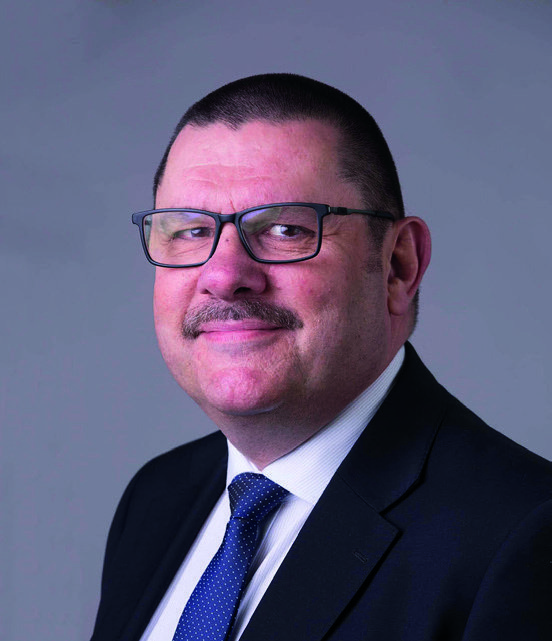
Sir Jonathan Thompson Chief Executive Officer, FRC
The Financial Reporting Council is proud to be responsible for the oversight, monitoring, and continued development of the UK's world-leading Stewardship Code. The purpose of stewardship reporting is for investors to demonstrate how they are protecting the hard-earned pensions and savings entrusted to them, by ensuring that they are managed responsibly, creating long-term value for their clients and beneficiaries.
We recognised the need for improvements to the Code to see better information find its way into the public domain. In 2019 it was substantially revised, making our stewardship expectations clearer, applying the Code to a wide range of asset classes, and placing a greater focus on stewardship activities and outcomes rather than policy statements. This approach was supported by Sir John Kingman in his review of the FRC. Sir John said that 'a fundamental shift in approach is needed to ensure that the revised Stewardship Code more clearly differentiates excellence in stewardship.'
We commissioned this independent research so that we could begin to assess the impact of the revised Code on stewardship practices, and the results are very encouraging. Asset managers and owners aspire to the higher standards, shown by organisational restructuring – giving more prominence to stewardship – with a coherent and integrated approach and increased resourcing. The research shows that the quality of engagement has improved under the influence of the Code, and investors are collaborating more to influence issuers and the wider market. There is still some way to go on reporting outcomes, and we will continue to work with applicants to improve this.
As the debate continues about the nature, extent and value that considering environmental, social and governance factors in investment has, it is important to remember the role that the Stewardship Code plays. It's an essential and – importantly – flexible part of a much wider system of market regulation and supervision. The Government confirmed in its response to the consultation, Restoring trust in audit and corporate governance, that the FRC – working with the Financial Conduct Authority, the Department for Work and Pensions, and the Pensions Regulator – will review the regulatory framework for effective stewardship, including the operation of the Code, from
- This research is the first step in assessing whether the Code is creating a market for effective stewardship and the need for any further regulation in this area.
Finally, the views on the credibility of the Code, domestically and internationally, are gratifying. The Stewardship Code remains key to the UK's position as a destination for long-term, sustainable investment, bringing wider benefits to the economy, the environment and society.
We will learn from this research to maintain the standing of the Code and continue to build on its effectiveness.

Executive summary
The Financial Reporting Council (FRC) has been responsible for the oversight, monitoring, and development of the UK Stewardship Code (the Code) since December
- From its original foundations and the recommendations of the Walker Review, the Code has evolved to embrace global asset owners, investment managers and the service providers that support them. 1
In 2016, the FRC introduced a tiering approach to differentiate the quality of reporting from Code signatories. Then following a comprehensive consultation process, the Code was substantially revised in 2019 to include a new, wider definition of stewardship, to apply to a range of asset classes and to have a greater focus on stewardship activities and the outcomes of those activities.
In January 2021, the FRC commissioned an independent project to better understand the current stewardship practices of asset managers and asset owners in areas covered by the UK Stewardship Code 2020 and to assess the impact of the revised Code on stewardship practices.
This report presents the findings of the project carried out by a team of researchers from Minerva Analytics, the Durham University Business School and The Dickson Poon School of Law, King's College London, for the Financial Reporting Council (FRC). 2
The research focused on five themes:
- Governance;
- Resourcing;
- Engagement, collaboration, and escalation
- Monitoring and reporting; and
- Organisational context. The research included a survey with asset managers and interviews with asset managers and asset owners conducted between May and September
- At the time, participants had applied to become signatories to the Code and were awaiting the outcome of their application. The full methodology can be found in Appendix I.
Key findings
Changes in practice
Overall, the research found that asset managers and asset owners are positive about the impact of the Code. There was strong evidence of material changes of practice following the revision of the Code in 2020, notably in the areas of governance and resourcing of stewardship, stewardship activities, processes and outcomes, and monitoring and reporting of stewardship.
Resourcing
The Code requires signatories to appropriately resource stewardship. Both asset owners and asset managers reported increases in the resourcing of stewardship, mostly dedicated to the growth of stewardship teams and use of external experts. Although resourcing is still considered to be a challenge, participants in both the survey and interviews were largely positive about the future, expecting growth in areas of staffing and research budgets. Respondents also acknowledged the opportunity for more formal career progression and training in stewardship.
Governance
The Code requires that signatories' structures and processes enable oversight and accountability for effective stewardship. All the organisations in our sample identified some form of organisational restructuring to better integrate stewardship within their investment decision-making, a new requirement of the Code. 3 Typically, large asset managers had separate environmental, social and governance (ESG) and stewardship teams, which worked more closely with specialist investment teams. In contrast, stewardship responsibilities were embraced directly by the investment team of small asset managers.
Engagement, collaboration and escalation
The Code requires signatories to engage with issuers, collaborate with others to influence issuers, and escalate their engagement to seek change. Respondents noted that the development of the Code has been useful for their engagement practices, with all respondents undertaking some form of engagement and escalation with companies. Most respondents identified collaborative engagement (working with other investors) as an increasingly important escalation tool. ESG issues such as climate, governance, diversity, and biodiversity are increasingly prominent themes for investors. While respondents highlighted a desire for more guidance on stewardship in asset classes other than listed equities, there was evidence that the pace of introduction of stewardship practices in other asset classes and engagement with policymakers has increased because of the Code.
Monitoring and reporting
The Code requires signatories to annually report on their application of the Code. Respondents see the Code as a useful framework which gives stewardship teams more influence on investment decisions within organisations and has led to improved stewardship reporting. The most notable benefit of the revised Code has been the emphasis on reporting the activities and outcomes of stewardship, which interviewees believe has prompted a major change in behaviour. This has encouraged investors to be more reflective about their stewardship practices and give more consideration to improvements to their approach. Asset owners are now looking beyond policies and increasingly require their managers to robustly demonstrate their stewardship activities and achievements.
Some respondents found it difficult to judge stewardship effectiveness, what good engagement outcomes look like and to attribute engagement success to their organisation. Others highlighted that the time taken to produce stewardship reports is a challenge. Nevertheless, the increased emphasis on disclosure, engagement transparency, and the move towards case study reporting, are all identified as positive changes influenced by the Code.
Credibility of the Code
The research identified a strong and positive perception of the Code as a significant and credible framework. Both UK and non-UK respondents considered the UK Stewardship Code (both the 2012 and 2020 versions) to be the gold standard for stewardship across the world.
Key motivating factors for respondents applying to become signatories included increased market expectations, for example from asset owners and investment consultants, to demonstrating good practice and avoiding reputational risk.
Respondents had positive sentiments towards the Code and its contribution to industry-wide change, with some celebrating the Code's focus on long-term goals for the investment community. At the same time, asset managers and asset owners both called for a more joined-up approach across different stewardship and ESG reporting initiatives.
1. Governance
It is the FRC's view that the way stewardship is governed in the organisational structure of an asset manager or asset owner is central to the effectiveness of that stewardship. By adopting robust governance arrangements, investors can ensure that there is appropriate oversight and accountability for stewardship, and that the approach taken is consistent and integrated into their investment approach. Reflecting this importance, Principle 2 asks that signatories explain how their governance, resources and incentives support stewardship. The Code requires organisations to report on their governance structures and processes, organisational and workforce structures, provide an assessment of how effective their chosen governance structures and processes have been in supporting stewardship, and how they can be improved.
To better understand how the revised Code has influenced the integration of stewardship and investment decision-making, the survey investigated changes across a range of issues, including structures, policies and oversight. We particularly wanted to investigate changes to oversight seniority and whether there were differences in approach at the strategic versus operational level.
The interviews explored the changing boundaries and relationships between investment and stewardship teams and how stewardship is governed, focusing on changes influenced by the Code. We also explored how stewardship operates on a day-to-day basis and how any differences in opinion between teams are resolved. Detailed information about the questionnaire and interview guide can be found on the FRC website in Annex 1.
1.1 Key insights
- Most organisations have made changes to the governance of stewardship in the past one to two years. The Code has facilitated improvements in asset managers' governance structures and procedures, and how they manage differences in views when it comes to stewardship.
- Examples of the types of changes include establishing oversight committees, improving reporting and transparency, appointing a head of sustainable/responsible investment, and giving internal conflicts management greater attention.
- Stewardship integration differs between asset managers depending on their size. Small asset managers are more likely to have stewardship responsibilities within the investment team. Large asset managers are more likely to have separate ESG and stewardship teams who work closely with specialist investment teams. Our research suggests that dedicated stewardship teams increasingly have more substantive input in the investment process than they previously had.
- Most respondents commented that while they still have some way to go to achieve full integration, the governance of stewardship has become more consolidated within their organisations.
- Some asset owners noted that they are now paying much more attention to manager selection and monitoring their investment managers, but they are also better at communicating their stewardship objectives internally.
1.2 Organisation of stewardship and investment integration
Most respondents identified changes in the governance of stewardship in the past one to two years. Examples of how stewardship governance is being formalised and embedded include the establishment of oversight committees, developing dedicated stewardship and ESG teams, improving the integration between these teams and the core investment processes, initiating improvements to reporting and transparency, and making senior appointments to provide leadership for responsible investment.
Stewardship teams have more influence during investment meetings. Interviewees mentioned that the formalisation of stewardship, either through the appointment of specialist committees or subject-matter leads, is leading to stewardship and sustainability becoming more central to the investment process.
The formalisation is, however, diverse. Both the survey and interview findings indicate that asset managers have developed a wide variety of responsible investment-related teams. Interviews support this finding for asset owners. The most frequently mentioned teams were:
- Centres of excellence (specialising in specific areas like climate change or biodiversity)
- Corporate governance teams and committee
- ESG team
- Investment stewardship oversight committee
- Proxy review committee
- Responsible investment team
- Stewardship team
- Risk management team
- Sustainability committee
Regardless of the name of the committee, in most instances, the oversight of stewardship tends to involve the chief executive officer (CEO) or chief investment officer (CIO) as the most senior person. This was echoed in the interviews, during which respondents explained in more detail which senior roles had higher levels of responsibility for stewardship.
Asset owner interviews also indicated senior leaders' involvement in stewardship, with stewardship teams tending to have a direct reporting line to the scheme's investment committee or investment management executive committee, and the CIO or CEO typically having the ultimate decision-making authority.
Governance arrangements varied by type of organisation, with large global asset managers facing unique challenges due to the geographical dispersion of their teams. Interviews revealed that although local expert teams tend to be responsible for stewardship activities on the ground, there are centralised reporting channels back to company headquarters. Governance arrangements often consider the variations between regional jurisdictions and global best practices or principles. Nevertheless, it was noted that the headquarters usually has the final decision on whether specific stewardship and engagement activities are regionally tailored to take account of local best practices and regulations, or globally standardised to present an overall, top-down company-wide approach. The tension between global and local approaches is further discussed in section 3.10.
Interestingly, even though most organisations adopted remote working during the COVID pandemic, many respondents highlighted the importance that being in the same office makes to stewardship integration. Some respondents explained that when investment, ESG and stewardship teams are closer together or in the same room, there is more integration and more serendipitous discussions on a range of topics. Another benefit of close proximity is the effect on conflict resolution, with respondents noting that tricky issues are increasingly resolved more quickly and effectively, as the following quote suggests:
"We are all in the same room and that's the future of this ... and that's the way that it's going to be in other teams. Now it's about embedding it [stewardship] more deeply in [investment decision-making] because it's just as important as having your leasing expert or your investment expert within this fund management team."
Head of stewardship, medium UK asset manager
1.3 Asset manager integration
Our research also found that the approach to integration differs significantly by type and size of organisation.
Small asset managers
One of the key features to emerge from the survey was that small asset managers (<£50 billion in assets under management (AUM)) have embedded stewardship directly into their core investment and research processes. This was shown through the smaller number of dedicated stewardship staff (i.e. those who dedicated more than 50% of their role to stewardship-related activities) – on average four staff (Table 1). These investors may not have firm boundaries between stewardship and investment teams, as this quote from an interview noted:
"Stewardship is very much interlinked into what we do so, when you look at ... research on the company ... it's all integrated into one system. And, in terms of oversight, our compliance department primarily oversees what we do across the board."
Head of stewardship and investment, small UK asset manager
Small managers seem to be comfortable embracing fully integrated investment, stewardship and ESG. For example, one head of sustainable investment at a small UK asset manager explained that they had significantly changed their investment team by merging their ethical investment team with the mainstream investment team to support better communication and facilitate joint decision-making.
Medium asset managers
The survey indicated that medium-sized asset managers (between £50 billion and £250 billion in AUM) have on average 20 staff members that dedicate more than 50% of their time to stewardship-related activities. From the interviews, there was some indication that within medium-sized asset managers, the stewardship team plays more of a supporting role for the portfolio managers and analysts. In these cases, stewardship and ESG teams have been given more prominence within the organisation. For example, one medium-sized UK asset manager had restructured their responsible investment team in the last one to two years to give the stewardship team a more central role, with direct reporting to the CIO:
“We are now set up as a completely distinct team in the front office that works with everyone ... which I think helped us a lot internally because instead of being a team that was essentially linked to just the sustainable funds, by making us a completely separate team and giving us the importance of directly reporting to the CIO, it gave us a little bit more standing, I think, [being] in the front office rather than being sort of a sub team somewhere.”
Corporate governance manager, medium UK asset manager
Large asset managers
The survey showed that large asset manager respondents (>£250 billion in AUM) have larger stewardship teams, typically averaging 22 individuals dedicating over 50% of their time to stewardship-related activities. Interviews showed that larger asset managers not only have specialist stewardship and ESG teams, but several reported working with non-equity asset class teams such as real estate or fixed income.
For example, one large asset manager noted there was a move towards providing more resources and support to the ESG team to streamline ESG integration within the investment decision-making process. Those ESG teams tend to be thematically focused on providing research on climate, human capital, gender and biodiversity, working alongside a governance team that is focused on voting and engagement. There were also asset managers who had previously focused their responsible investment and stewardship primarily around the financial aspects of corporate governance and voting, but they are now extending their roles to incorporate social and environmental considerations. The average number of people who dedicate 50% or more time to stewardship activities for asset manager survey respondents was
- Further breakdown of averages by firm size and region can be seen in Table 1.
| Firm size | Average team size | Organisation headquarters | Average team size |
|---|---|---|---|
| Large | 22 | USA | 21 |
| Medium | 20 | Europe | 19 |
| Small | 4 | Global | 9 |
| UK | 7 |
Table 1: Number of staff who allocate ≥50% to stewardship
1.4 Asset owner integration
Asset owners are also at different stages on their integration journey, but all those interviewed indicated that stewardship integration is being taken increasingly seriously. The governance of stewardship is becoming more important for senior leaders within asset owners. Respondents reported that investment management teams and stewardship teams were working more closely together, for example with both reporting to the CIO. According to one senior investment manager of a large UK asset owner:
"We do a lot of our engagements jointly with the internal fund managers and the investment management team. ... At the moment we are working very closely together on refreshing our IMA [investment management agreement] to make sure that it's fit for purpose and fully incorporates all the different updates on the investment side. ... So, the ESG integration and the incorporation in a systematic way into our financial analysis is something that has happened relatively recently.”
Senior investment manager, large UK asset owner
Other asset owners commented that integration is improving because climate change and other ESG issues are gaining more prominence on the senior investment team agenda; it therefore becomes easier for stewardship teams to contribute to investment decisions. For example, a head of responsible investment within a medium UK asset owner explained that it had taken a long time to break down barriers and for investment teams to be open to ESG, particularly when they are well versed in traditional financial factors. According to this respondent, the traditional investment staff have now changed their mindset following the recognition that ESG and responsible investment have become much more important in decisions about long-term investment. Consequently, these issues now feature more prominently in their investment meetings.
Asset owners we spoke to have also explored other areas of stewardship integration. For example, according to one large asset owner, their stewardship and responsible investment framework now covers all their investments, not just listed equities and voting. Another large UK asset owner has integrated responsible investment and stewardship objectives into each employee's annual performance appraisal. Consequently, stewardship is no longer talked about in isolation but embedded within investment practices.
Among asset owners, all identified that they had a committee to review high-level stewardship policies, typically annually but one reported that this was quarterly. Asset owners with annual policy reviews reported no change in their governance of stewardship in the past one to two years; however, the scheme undertaking this review quarterly had consciously and recently changed their stewardship oversight processes.
1.5 Managing differences in views
Interviewees explained that one of the challenges of integrating stewardship and investment teams is managing differing perspectives around stewardship. According to the interviewees, differences in views typically arise in relation to the design and implementation of stewardship policies by the dedicated stewardship team which clashed with the investment manager or analyst teams. These differences in views could arise relating to exclusions, voting, engagement or escalation.
Footnotes
"We do a lot of our engagements jointly with the internal fund managers and the investment management team. ... At the moment we are working very closely together on refreshing our IMA [investment management agreement] to make sure that it's fit for purpose and fully incorporates all the different updates on the investment side. ... So, the ESG integration and the incorporation in a systematic way into our financial analysis is something that has happened relatively recently.”
Senior investment manager, large UK asset owner
Other asset owners commented that integration is improving because climate change and other ESG issues are gaining more prominence on the senior investment team agenda; it therefore becomes easier for stewardship teams to contribute to investment decisions. For example, a head of responsible investment within a medium UK asset owner explained that it had taken a long time to break down barriers and for investment teams to be open to ESG, particularly when they are well versed in traditional financial factors. According to this respondent, the traditional investment staff have now changed their mindset following the recognition that ESG and responsible investment have become much more important in decisions about long-term investment. Consequently, these issues now feature more prominently in their investment meetings.
Asset owners we spoke to have also explored other areas of stewardship integration. For example, according to one large asset owner, their stewardship and responsible investment framework now covers all their investments, not just listed equities and voting. Another large UK asset owner has integrated responsible investment and stewardship objectives into each employee’s annual performance appraisal. Consequently, stewardship is no longer talked about in isolation but embedded within investment practices.
Among asset owners, all identified that they had a committee to review high-level stewardship policies, typically annually but one reported that this was quarterly. Asset owners with annual policy reviews reported no change in their governance of stewardship in the past one to two years; however, the scheme undertaking this review quarterly had consciously and recently changed their stewardship oversight processes.
1.5 Managing differences in views
Interviewees explained that one of the challenges of integrating stewardship and investment teams is managing differing perspectives around stewardship. According to the interviewees, differences in views typically arise in relation to the design and implementation of stewardship policies by the dedicated stewardship team which clashed with the investment manager or analyst teams. These differences in views could arise relating to exclusions, voting, engagement or escalation.
Differences also seem to emerge when there is a lack of consistent or clear dialogue between different teams. All asset managers and most asset owners that we interviewed provided extensive commentary on this topic. Both groups indicated that they regularly faced differences in opinion where stewardship-dedicated teams disagree with portfolio management teams (and vice versa). Despite these issues, the interviews noted that there are dedicated conflict resolution mechanisms. There is typically open and ongoing dialogue between the teams, which has the added benefit of fostering closer team integration, as discussed earlier. As an example, a senior investment manager of a large UK asset owner explained the importance of dialogue as follows:
"I've got two new teams, each with a slightly different remit. A longer-term and a shorter-term thinking team. ... So, we do end up having quite robust debates quite often. ... For instance, we were minded to vote key holdings 'against' on certain resolutions. ... Things like executive remuneration, that's quite often an area where we have a discussion. ... Whilst you've got to think about voting on the issues that are financially material, we always have this member perspective at the back of our mind, so quite often we've had conversations about fundamental managers not wanting us to vote 'against' on executive remuneration, but usually we come to an accommodation."
Senior investment manager, large UK asset owner
Another head of responsible investment for a large UK asset owner noted that differences of opinion between the investment and stewardship teams are rare but are amicably resolved. In extreme cases, issues are escalated to the CIO, who usually makes the final decision.
One issue that was raised by several asset owner respondents is the number of different investment and oversight committees, which impose multiple layers of decision-making and policy approval processes. It was noted that this was time-consuming and created differences of opinion, suggesting scope for further clarity and integration.
As well as inter-team disagreements, the interviewees also explained that it is not unusual for there to be differences of views on investee company governance arrangements within the stewardship teams themselves. In such cases, interviewees reported that there would be robust debate to achieve a common position, enabling the team to communicate clearly to companies. In such cases, the head of the stewardship team would typically have the final say rather than escalating to the CEO or CIO. Although, in some organisations, there are levels of escalation that involve the executive investment committee, regional and/or global heads and ultimately the CEO. Some organisations reported that in case of disagreements on voting positions between teams, each portfolio management team votes their shares, making it clear how and why they are voting.
Some interviewees also indicated that they have set up centres of excellence for subject-matter expertise that provide expert opinions and recommendations to other teams. In other cases, the role of specialist expertise is being extended, with some stewardship teams being given veto power over the inclusion and exclusion of investments within the funds.
All in all, although there are often disagreements among teams (e.g. in complex voting scenarios), there is evidence of closer integration between stewardship and investment teams in the past one to two years. New or realigned internal management processes allow for issues to be discussed between the stewardship and investment teams, with input from stewardship teams increasingly used by the investment teams to inform their policies and achieve a more integrated approach.
2 Resourcing
The Code asks signatories to explain how they have appropriately resourced stewardship and to annually report on their organisational and workforce structures; the seniority, experience, qualifications, training and diversity of staff; their investment in systems, processes, research and analysis; their use of service providers; and the performance management or reward programmes in place to incentivise stewardship.
We asked participants about their resourcing to understand how the quality and quantity of stewardship resourcing has evolved in recent years and whether they have increased resources in preparation for applying to become Code signatories. The survey looked at the allocation of staff to stewardship activities, asking questions about recent changes and planned changes in the coming years.
Recognising that staff need to have appropriate tools to perform their role, the interviews explored the general approach of asset managers and asset owners to resourcing stewardship activities, including how external and internal resources were used. Changes to the organisational approach were discussed in the context of hiring, training and incentivising staff. Interviewees were asked to discuss their views on the drivers behind the resourcing changes.
2.1 Key insights
- Most asset managers and asset owners recorded increases in the resourcing of stewardship, typically identifying overall research budget increases, the growth of stewardship teams and the use of external experts. While some interviewees indicated that they have very well-resourced teams, others suggested that resourcing remains a significant challenge.
- Respondents in both the survey and interviews were largely positive about the future of stewardship resourcing, expecting growth in stewardship staffing, research budgets and overall resources dedicated to stewardship.
- Despite increases in resourcing, and more expected over the coming years, respondents were concerned that organisations do not currently have the resources they need to accomplish all their stewardship goals.
- Interviewees were positive about their career growth prospects in ESG, stewardship and responsible investment.
- The growth of stewardship teams and resourcing appears to be driven by a combination of market pressure for more responsible investment combined with an increased emphasis on stewardship, with the Code being a significant factor in the growth.
2.2 Stewardship teams: growth, expertise and training
Our survey results indicate that 53% of asset manager respondents reported a slight increase in stewardship staff resources, with 43% having increased resources significantly in the past one to two years (see Figure 1). Small asset managers reported having fewer staff who spend more than 50% of their time on stewardship. However, most reported that overall staff resources for stewardship had increased over the past one to two years. As an example, two small asset managers reported moving from having no dedicated ESG staff to hiring a head of ESG and responsible investment manager who will become a full-time staff member.
Figure 1: Changes in staff resource in the past 1 – 2 years
A pie chart illustrating changes in staff resources over the past 1-2 years: * 43% Increased significantly * 53% Increased slightly * 4% Stayed the same * 0% Decreased
Our interview analysis also reveals that when it comes to stewardship resourcing, many asset owner and asset manager organisations have been growing their stewardship, ESG or responsible investment teams. For instance, according to a large UK asset owner, their team has grown from five to seven in the past three years, specifically employing a person to support stewardship integration activities. Significantly, one large UK asset owner has created an entire responsible investment team in the past year alone, as their investments and stewardship lead explained:
"The team itself started last year. There was no responsible investment team before and then we were hiring people up until the end of last year. We have five and a half FTEs [full time equivalents] and supported by a graduate [trainee] as well. We have a specialist climate expert from a university. There are a couple of internal people who moved from different parts of the business. So, there's someone specifically looking at data and member engagement on ESG and impact."
Investment and stewardship lead, large UK asset owner
Interview discussions revealed that diversity and variety of expertise within stewardship and ESG teams has also been important when it comes to team growth.
Over half of the surveyed asset manager respondents revealed that staff training to inform stewardship was a new resource used in the past one to two years. Several respondents indicated that they have dedicated training programmes, in areas such as leadership. Several medium UK asset managers reported having programmes focusing on female leadership and supporting women returning to work.
Most asset owners and asset managers have hired candidates with relevant experience in ESG research and data analysis, investment management, credit analysis or risk assessment. To create different but complementary skill sets within teams, respondents stated that they seek high-calibre candidates with academic qualifications, such as MBAs and PhDs, together with professional qualifications to support stewardship.
Asset owners discussed increasing the expertise in their organisation by using independent trustees and service providers. For example, some asset owners have appointed climate experts to their trustee board. Others have used external consultants to deliver training for new staff, for example by holding regular workshops on ESG, stewardship or climate risk.
In line with the findings on research budget allocation (see section 2.3), the survey results indicated that 63% of asset managers predicted staff resourcing would increase slightly over the next one to two years, with 29% suggesting significant increases (see Figure 2). Respondents mentioned providing sustainability and ESG teams with more resources and adding to existing teams. Respondents reported that the use of training, external consultants and data providers would also increase.
Figure 2: Expected staff resource changes in the next 1 – 2 years
A pie chart illustrating expected staff resource changes in the next 1-2 years: * 29% Increase significantly * 63% Increase slightly * 8% Stay the same * 0% Decrease
Overall, the interview and survey findings identified that stewardship resources would expand in the next few years as a direct result of the Code.
2.3 Research budget
All respondents to the asset manager survey reported increases in staff resources for stewardship in the past one to two years and expected these to continue to increase over the next one to two years. Most survey respondents indicated that significant resources have been put to stewardship and ESG integration over the same period. Most asset managers have increased research budgets in the past one to two years, with 31% reporting significant increases and 43% noting slight increases (see Figure 3). In some instances, changes are attributed to changes in ESG practices, for example the first-time adoption of ESG rating providers or appointment of external ESG consultants. Just over half (53%) expect that the budget will continue to increase slightly and 25% expected significant increases (see Figure 4). A few organisations that previously did not have a dedicated stewardship role or team indicated that new stewardship
- and ESG-related appointments and teams were in process.
Figure 3: Research budget changes in past 1 – 2 years
A pie chart illustrating research budget changes in the past 1-2 years: * 31% Increased significantly * 43% Increased slightly * 20% Stayed the same * 6% Decreased
Figure 4: Expected research budget change in next 1 – 2 years
A pie chart illustrating expected research budget changes in the next 1-2 years: * 25% Increase significantly * 53% Increase slightly * 22% Stay the same * 0% Decrease
2.4 Incentives
The strategic importance of stewardship and appropriate resourcing emerged through the interviews with both asset managers and asset owners. As one asset manager interviewee noted:
"Things have just changed substantially, so by the end of this year we will have about 60 people, which is probably a substantial uplift on where we were a couple of years ago, and that's in recognition of some of the incredible systemic risk that we're having to deal with now ... things like climate change. Some of the social impacts, the diversity [and] inclusion agenda of companies in our portfolio are subject to some really significant material risks that we need to understand better and that we need to talk to companies about so that they thrive and deliver value for our clients.”
Lead investment stewardship analyst, medium non-UK asset manager
Similar expectations of future increases in research budgets were identified among our asset owner interviewees. Around half of them linked this with the increased significance of stewardship on the trustee agenda. There is now greater interest in stewardship within schemes' investment teams and across asset classes.
The survey revealed that role-specific performance objectives (71%) and organisation-wide policy (73%) are the most used incentives for the integration of stewardship within the investment process (see Figure 5).
Figure 5: Incentives used by respondents to encourage stewardship integration
A bar chart showing incentives used by respondents to encourage stewardship integration: * 73% Organisation-wide policy * 71% Role-specific performance objectives * 41% Team-specific policy * 35% Financial incentives * 2% No incentives
2.5 Use of external resources
While interviewees spoke with confidence on the wider resourcing considerations of stewardship, by contrast, not many interviewees were able to explain incentive arrangements in more detail, with only seven references to incentives in total. Some reported that individual performance and pay incentives are tied to ESG and responsible investment and some asset managers use ESG metrics in individual performance appraisal reviews.
According to a corporate governance manager of a medium UK asset manager, in the past one to two years they have significantly changed their salary bands to reflect the demand for stewardship experts. Similarly, discussions with asset owners suggest that ESG and stewardship is starting to be included in the role descriptors, together with specific objectives.
Interviewees suggested that although there is significant growth potential in responsible investment, there does not seem to be a formalised career ladder or progression stages within their organisations. However, interviewees stated that the development of the Code had contributed to the increasing importance and credibility of ESG-type roles, thereby having a positive impact on career progression. To that end, interviewees were positive about their career growth prospects within ESG, stewardship and responsible investment teams as the sector becomes increasingly attractive and competitive.
In addition to in-house capabilities, investors also use external resources to support their work. According to the asset manager survey responses, the most outsourced stewardship activity is proxy vote management and administration (47% of asset managers), with ESG ratings being the second most frequently cited resource (43%) (see Figure 6).
Figure 6: Types of stewardship activities that are outsourced
A bar chart showing the percentage of respondents outsourcing different stewardship activities: * 47% Proxy vote management (administration) * 43% ESG ratings * 27% Proxy governance research * 24% ESG research * 14% Proxy voting (wholly) * 12% Engagement: some * 2% Engagement: all * 0% Reporting * 0% Policy development * 25% None of the above
The interviews supported these survey findings. All asset owners and 14 of 18 asset managers stated that they widely use external proxy voting service providers. This covers a range of services, including stewardship research, voting policy development, vote processing, manager vote monitoring and analysis of voting information. Very few, predominantly smaller, asset manager interviewees stated that they do not use external experts, preferring to get information from companies themselves.
Discussions with both asset managers and asset owners also suggests that in addition to their internal ESG and sustainability ratings and metrics, organisations also use other external service providers:
“So, having [vendor name] analysis of the underlying portfolios has given us an opportunity to say: 'This is what [vendor name] is saying about your portfolio, you score very poorly on environmental or social or whatever it is. You know, there's a governance issue.’“
Head of corporate governance, small UK asset manager
When it comes to asset owners and a predominantly delegated investment management model in UK pension funds4, we found that they often delegate their stewardship activities to external asset managers, together with investment consultants. Three of nine asset owners who answered this question had internal resources and were not using investment consultants. Those organisations that have not been using investment consultants are sceptical about the services they provide, suggesting that they have been slow in responding to market trends.
2.6 Resourcing constraints
Despite the overall positive discussions around the increased stewardship resourcing in recent years, several interviewees identified concerns about having sufficient resources to meet all their stewardship goals, particularly in light of increased regulation and ESG integration. This sentiment is shared by asset managers and owners, across organisation sizes, who highlight a chronic shortage of stewardship resources despite recent increases:
“Resourcing is always an issue in our organisation. ... Revenues tend to decrease in active asset management and costs tend to increase. Regulations keep piling up. While I think overall there is willingness from top management [to spend] on things like ESG, which is a key priority and has been getting additional resources over time, it's not infinite, so we have to deal with limited teams and increasing expectation in terms of number of companies to engage with. ... We are not really getting additional resources. So [...] it's about prioritising engagement.”
Head of responsible investment and governance, large UK asset manager
Often, when discussing their stewardship practices, both asset manager and asset owner interviewees frequently used phrases, such as 'due to the lack of resources' or 'due to resourcing constraints', to comment on certain elements of their daily activities. Another respondent felt that the resource implications for the Code had been underestimated and that this is a potential barrier for small asset managers.
The survey results identified similar concerns, with respondents most frequently citing underinvestment in systems, poor data quality and competing reporting standards. This would seem to suggest that there are some mismatched expectations around resourcing which warrant deeper analysis, particularly considering evolving regulations and expectations.
"You've really got to fight for the resource and the money to appoint a new person."
Small UK asset owner
3 Engagement, collaboration and escalation
The Code requires signatories to annually report on their stewardship activities and the outcomes of that activity, and includes principles on engagement, collaboration and escalation with issuers and others to achieve change, and exercising rights and responsibilities. As well as new requirements for reporting, the updated Code includes a greater focus on stewardship in asset classes and geographies outside UK-listed equity. This research sought to understand existing practice, and any changes applicants have made to their stewardship approach and practice that was influenced by the Code. The survey asked respondents to describe their stewardship practices in detail. We asked which stewardship techniques were more prevalent and whether respondents adapt their approaches to company
- or situation-specific circumstances.
Through the interviews we explored:
- how asset managers and asset owners prioritised their stewardship activities;
- how they engaged with their investments;
- what areas were being selected as a focus of engagement and why;
- how asset managers and asset owners approach voting, collaborative engagement, and escalation;
- whether these approaches have changed in the past one to two years and the reasons for these changes.
We also asked about asset allocation and whether and how stewardship is practised in other asset classes and in different geographical locations. The questionnaire and interview guide can be found in Annex 1 on the FRC website.
3.1 Key insights
- All respondents in the study have been involved in some form of engagement and escalation. Engagement was intensified when target companies repeatedly ignored investors' concerns.
- Investors reported using a variety of techniques to engage with companies. While engagement and voting around shareholder meetings continue to be important, respondents described making more use of other techniques and engaging on a wider range of themes than those on the AGM agenda.
- Collaborative engagement was seen as an increasingly important escalation tool by most respondents in the survey and interviews. However, while acknowledging the importance of collaborative engagement, half of asset manager interviewees expressed some reservations around this approach, citing regulatory restrictions, effectiveness, competition constraints and reputational risks.
- Asset managers and owners are prioritising climate change, governance, diversity, and biodiversity as engagement themes.
- Respondents noted that index fund stewardship and stewardship outside equity are areas of increasing importance.
- Engagement with policymakers is recognised as an important aspect of stewardship, especially for addressing systemic risks.
- Although interviewees noted varying experiences of engagement across different regions, the Code was recognised for shaping a global approach to stewardship.
3.2 Engagement
Historically, stewardship engagement and escalation has centred around the AGM. In the survey, 88% of asset managers had voted against company management recommendations and increasingly voted against director re-election as a method of escalation. From our discussions, however, we saw that the development of the Code was encouraging engagement to be become more holistic. For example, instead of simply focusing on volume of voting as a measure of stewardship quality, interviewees said that when they engage, they increasingly consider:
- their portfolio holdings;
- the size of their holdings;
- financial and non-financial risks; and
- building long-term relationships with issuers.
Asset manager interviewees noted that their clients are increasingly paying more attention to engagement. For example, they are including requirements in their tenders or requests for proposal and raising their expectations of fund managers' reporting to include explanations and rationales about the delivery of stewardship.
Engagement about climate-related issues, carbon emissions and diversity has increased, and many interviewees explained that they now have ESG targets, with some having exclusion policies, for example in relation to coal. Interviewees noted that they are sending more campaign-specific engagement letters to companies, for example, in relation to climate change transition plans. Some investors also reported broadening their coverage of companies. For example, one large non-UK asset manager has increased the list of companies that are the focus for engagement from 250 in 2011 to 2,500 in 2021.
Not only did interviewees report increased levels of thematic engagement activity, they also highlighted changes in issuer engagement dynamics, noting, for example, that:
"In the beginning it was hard to get direct access to a company, so we were very much dependent on the fund manager. Now we've got much more confidence, we've got the resource [and] the ability now to start contacting companies directly.”
Head of responsible investment, medium UK asset owner
Asset manager and owner interviewees also suggested that companies are being more proactive and offering them an opportunity to discuss issues such as changes in board composition or remuneration.
In our survey, we asked asset managers how they felt the quality of engagement between investors and issuers has changed because of the Code. Most asset managers surveyed felt that engagement between investors and issuers has improved because of the Code. As seen in Figure 7, 61% of asset managers felt engagement has become moderately better because of the Code, with 16% feeling it has become very much better. No one surveyed felt that engagement has deteriorated, a view that was shared during the interviews.
Figure 7: Perceptions of how the quality of engagement has been influenced by the Code
A pie chart illustrating perceptions of how the quality of engagement has been influenced by the Code: * 16% Very much better * 61% Moderately better * 24% Stay the same * 0% Moderately worse * 0% Very much worse
3.3 Methods of engagement
Both survey and interview findings revealed that not only is engagement an important stewardship activity, but that asset managers and asset owners use a range of techniques in their stewardship practices. Voting featured prominently but additional approaches included portfolio monitoring; developing in-house voting policies; meetings and ongoing dialogue with investee company executives; and, in some cases, sponsoring or supporting shareholder resolutions. For asset owners with delegated investment management, in-house engagement activities include monitoring of and dialogue with their fund managers. Interview respondents discussed specific examples of engagement, including examples of unsuccessful engagement and how they were dealt with; escalation; and, in rare instances, divestment.
The interviews revealed that the Code has facilitated new engagement trends, including engagement outside equity and dialogue with policymakers. Overall, despite the relatively slow pace of change and some unevenness in practical approach due to the inherent differences in asset class and their associated regulatory standards, there are signs that the Code is pushing stewardship to become more joined-up. The following sections describe these changes in more detail.
Figure 7: Perceptions of how the quality of engagement has been influenced by the Code
- 16% Very much better
- 61% Moderately better
- 24% Stay the same
- 0% Moderately worse
- 0% Very much worse
Although each organisation has developed their own approach, this quote broadly illustrates engagement activities and processes with a fund manager's in-house-designed system:
"Every company will get some form of engagement during the year around AGM period. We then have a series of level grading for how severe an engagement would be from Level 1, which would be that dialogue around the AGM through to Level 4, which is a time-limited engagement period to achieve a change. So, Level 2 is we've got an issue. It will tend to be a letter or email-based [engagement] or a phone call-based engagement, probably direct one to one. Level 3 is when we begin to start building coalitions and escalating it more. So, turning up at [name of the company] etc. to really try to hammer through that prioritisation. The discipline that I've been trying to instil in the team is, irrespective of the level of engagement, if it is worth talking to a company about anything, it's worth following up until that change has been made so every engagement is treated as a priority."
Head of sustainable investment, small UK asset manager
Large asset managers with thousands of companies in their portfolios tend to have an issues-based engagement approach, where they identify overall concerns or underperformance in certain areas, then they engage with companies to find out why that is. Significant attention is given to raising corporate governance standards across the market whereas other ESG issues are market-specific.
3.4 Escalation activities
The survey showed that collaboration was the most used escalation tool in the past one to two years, together with voting against management resolutions and letter writing (see Figure 8).
Figure 8: Stewardship escalation tools used by asset managers in the past 1 – 2 years
| Tool | % |
|---|---|
| Letter writing | 90 |
| Voting against company management recommendations | 85 |
| Collaboration with other investors | 80 |
| Voting against director re-election | 70 |
| Voting against auditor re-election | 55 |
| AGM attendance (in person) | 40 |
| Media statements - on the record | 35 |
| Requisitioning a shareholder resolution | 30 |
| Media statements - off the record | 25 |
| AGM representation (by a 3rd party) | 15 |
| Legal action (class action) | 10 |
| Requisitioning a shareholder meeting | 5 |
| None of the above | 0 |
Figure 9: Planned stewardship escalation tools by asset managers in the next 1 – 2 years
| Tool | % |
|---|---|
| Letter writing | 95 |
| Voting against company management recommendations | 90 |
| Collaboration with other investors | 85 |
| Voting against director re-election | 75 |
| Voting against auditor re-election | 65 |
| AGM attendance (in person) | 60 |
| Media statements - on the record | 55 |
| Requisitioning a shareholder resolution | 45 |
| Media statements - off the record | 40 |
| AGM representation (by a 3rd party) | 30 |
| Legal action (class action) | 25 |
| Requisitioning a shareholder meeting | 20 |
| None of the above | 0 |
Our interviewees confirmed that they use a variety of escalation methods within their respective engagement frameworks, with engagement intensifying when target companies repeatedly ignore investors' concerns. Investors typically write letters to the chair to be circulated to the board and/or have more targeted meetings with investor relations or sustainability representatives or board of directors.
Asset managers and asset owners also use their shareholder rights to vote against management resolutions, for example on remuneration, director re-election and acceptance of annual reports and accounts. Some interviewees identified shareholder resolutions as an escalation tool, either in support of other investors' resolutions or filing their own. While there was broad agreement that voting can be a useful stewardship tool, approaches to divestment varied significantly in our interviewed sample. One global ESG strategy director of a large non-UK asset manager called divestment 'engagement with consequences':
"If you don't have that final resort available, then you are just going to be talking and talking with no outcome, so the strongest message is with our feet, and to walk away."
Global ESG strategy director, large non-UK asset manager
However, not all investors can divest. Within our interview sample, only roughly one third (six out of 18) of asset managers indicated that they have ever divested because of engagement escalation. One small UK asset manager had a policy of automatic divestment if a change is not achieved. By contrast, according to the head of responsible investment and governance of a large non-UK asset manager:
“Divestment doesn't necessarily achieve that much; it would be more attractive for all the investors to keep holding and keep kind of forcing companies to change. ... If you're divesting, it means that your stewardship failed along the road.”
Head of responsible investment and governance, large non-UK asset manager
Asset owner interviewees also differed in their approach to divestment as an escalation strategy. While six out of nine asset owners said they would divest to escalate their engagement, others disagreed with this approach, saying divestment is not solving a problem but passing it to somebody else.
Our research indicates that, overall, further engagement is the preferred course of escalation action rather than divestment. In cases where ownership stakes are small or where there are insufficient resources to engage and escalate, both asset managers and asset owners would turn to collaborative engagement.
In line with the definition of stewardship in the updated Code, stewardship is increasingly recognised as not just a post-trade ownership activity, but also as pre-investment screening, where poorly scored companies would be excluded. However, there was limited and mixed evidence on the use of exclusions.
3.5 Collaborative engagement
Principle 10 of the Code asks that 'Signatories, where necessary, participate in collaborative engagement to influence issuers.' Most asset managers surveyed reported increases in collaborative engagement in the past one to two years. This was echoed in the interviews, with all interviewees dedicating a significant amount of time to discussing collaborative engagement. Interestingly, when discussing collaboration, asset managers spent a considerable amount of time explaining their cautious approach.
Interviewees generally described collaboration as an important and powerful escalation tool, confirming previous empirical findings. 5 Both asset managers and asset owners highlighted that they work collaboratively to help implement high standards and engage globally with companies that need improving. Depending on the issue, resources and expertise, asset managers and asset owners would lead, co-lead or simply add their voice to support a collaborative initiative, as one interviewee explained:
"Collaboration depends entirely on the individual engagement. Sometimes we might lead. We might be a co-lead, we might be a participant ... we are not free riders. If we're joining these initiatives, we are there to provide expert views, we are there to help and encourage this thing along. We don't just sit there in the background claiming to be part of a collaborative initiative actually not doing anything."
Head of responsible investment, medium UK asset manager
The types of collaborative engagement that asset managers reported being involved with included company-specific, thematic issues, sector-based and regulatory (see Figure 10). Interviewees went into more detail, describing collaborative engagement as a powerful tool, which is part of escalating an engagement activity. Both asset managers and asset owners highlighted that they work collaboratively to help implement high standards and engage globally with companies that need improving. Depending on the issue, resources and expertise available, asset managers and asset owners lead, co-lead or simply add their voice to support a collaborative initiative.
Figure 10: Types of collaboration led or co-led in the past 1 – 2 years
| Category | % |
|---|---|
| Thematic issues (e.g. bribery, climate change, remuneration, pre-emption rights, etc.) | 58 |
| Regulatory | 45 |
| Sector-based (e.g. pharma, mining, etc.) | 38 |
| None - there were no priority issues of concern in this period/ we do not participate in collaborative engagements | 20 |
| N/A - we have outsourced engagement to a service provider | 15 |
Some organisations highlighted that size and influence are important factors which affect the outcomes of collaborative engagement. For instance, when hundreds of investors, representing a significant proportion of global assets, pull together, it becomes very difficult for corporate boards to ignore:
"One of the things about collaboration is you don't have to do all the work yourself. You are adding the value of your assets to the engagement and hopefully sending a better signal – that's quite a lot of change in the sector in dealing with [ESG] issues."
Head of responsible investment, large UK asset owner
Collaborative initiatives organised by bodies such as Climate Action 100+, the Investor Forum, International Corporate Governance Network (ICGN) or Principles for Responsible Investment (PRI) are the most frequently cited examples of collaborative initiatives by both asset managers and asset owners in the survey and interviews. In such initiatives, engagement work is typically spread out between different investors who share a common stewardship agenda. Investors also engage together to get better use of resources. Some respondents also noted that PRI provides a helpful structure for collaborative engagement, helping to establish some of the parameters around engagement and what is being achieved.
Most asset manager survey respondents (88%) identified that they either led or co-led engagement in the past one to two years, with company-specific engagement receiving most mentions (see Figure 10).
Interview discussions suggest that in the past one to two years more asset managers are trying to collectively mobilise the investment industry on systemic issues, such as climate change. Respondents also noted that these changes are helped by the Code. Most respondents indicated that their collaborative engagement is ESG is theme-driven.
Some of the asset owner respondents also take part in quarterly meetings of the UK Responsible Investment Roundtable, which brings together UK pension funds to discuss different challenges and opportunities.
Collaboration caution and reservations
Despite acknowledging the increasing importance of collaborative engagement, nearly half of asset managers in our interview sample expressed reservations about joining collaborative initiatives, preferring an individual approach. Reasons cited included concerns around regulatory restrictions, effectiveness, competition between asset managers and reputational risks. Interestingly, these issues were common to all asset managers regardless of size or domicile.
Figure 11: Collaboration as participants in the past 1 – 2 years
| Category | % |
|---|---|
| Thematic issues (e.g. bribery, climate change, remuneration, pre-emption rights, etc.) | 75 |
| Company-specific | 70 |
| Regulatory | 65 |
| Sector-based (e.g. pharma, mining, etc.) | 55 |
| None - we do not participate in collaborative engagements/ there were no priority issues of concern in this period | 20 |
Some interviewees expressed caution about joining collaborative campaigns, either because they are mindful of the campaign messages themselves or they are concerned about perceptions of or regulatory risk around market collusion. For example, a client relationship manager of one large non-UK asset manager mentioned that they are cautious not to appear to be in 'collusion or acting in concert ... as there is a problem that you violated a certain threshold for declaration of or notification of voting rights.' Some asset managers were also worried about the relationships with the companies they have and are therefore cautious, so as not to antagonise company management.
Reticence around reputational or legal risks was identified in both the survey and interviews. In the survey, two respondents raised concert party regulations and conflicts of interest as reasons for non-participation in collaborative engagement. Both firms were non-UK headquartered and both indicated that legal assurances about collaborative engagement would probably increase their levels of collaboration.
Active investors also expressed caution around potential allegations of accessing and using insider information to manipulate share prices. Other sources of caution relate to the dilutive effect of multiple different voices or the difficulty of finding a common platform with other investors.
Small asset managers additionally raised competition issues and concerns about 'giving away' value-added information and the potential for free-riding by other investors:
"I wouldn't collaborate with other fund managers to try and get a profit margin improved or to get sales growth or to get an acquisition made. So why would I collaborate with the fund manager to improve emissions or recycling rates or whatever? It's just a bit of anathema to me, this collaboration. I can see why people would do it, more from an issues-based approach, but from a bottom-up financials integrated approach, I don't think it's a relevant instrument."
Investment manager, responsible for stewardship, small UK asset manager
Outside of structural or philosophical barriers to collaboration, many large asset managers indicated that they choose not to collaborate because they are large enough to exert influence themselves without being tied with other investors, as the following quote demonstrates:
"We are talking to companies and some of the collaborative groups are talking to companies, and we are actually saying the same thing, so we're reinforcing the message from the outside. So, we are independent in that sense we haven't at this point, signed up to Climate Action 100+, not because we think they do anything that's bad, it's just because we're still having those conversations independently. It's working perfectly well for us and it's sufficient for us to go and do it directly."
Head of investment stewardship, large non-UK asset manager
Overall, despite some reservations, asset managers and asset owners seem to consider collaborative engagement as an effective way to bring resources, expertise and influence together to help address ESG issues, particularly in relation to climate issues.
3.6 Voting
Voting-related research around voting issues is reported to be thematic, for example about climate or diversity issues. In this case, specialist ESG research teams would provide voting recommendations to asset managers, with oversight committees reviewing the implementation of voting policies. While most asset managers stated that they had a bespoke voting policy (89%), it is interesting to note that both asset owner and manager interviewees believed that nine times out of ten voting would be in line with service provider recommendations. Several asset managers said that they have administrative teams monitoring voting accuracy; for example, to avoid human error in selecting the wrong voting option. It is not clear from the interviews to what extent these teams are embedded in the stewardship or ESG teams or whether the voting recommendations aligned with in-house research.
Asset owners see voting as one of the key engagement activities. For many years, asset owners typically outsourced voting to their managers. However, there is now evidence of greater scrutiny of managers, particularly in the last few years. Some asset owners have their own house voting guidelines with others now being given the opportunity to override votes in their pooled funds after reviewing how managers intend to vote ahead of AGMs. 6
In cases where asset owners' views are misaligned and the fund managers would not change their vote, some asset owners explained that they can override votes in some of their equity funds. Others have a rigorous fund manager appointment process, where the fund managers must demonstrate how they conduct their responsible investment and stewardship duties, and therefore asset owners rely on fund managers voting in line with the asset owners' views. There is also some evidence of asset owners moving to segregated accounts to have more control over how they vote their shares.
3.7 Engagement by index managers
Asset manager interviewees highlighted a broad change in attitude towards stewardship by index investors, particularly over the past five years. There is now a much better understanding of the significance and role of index investors in the context of building long-term relationships between companies, index funds and the underlying beneficial owners. Indeed, several asset managers observed more direct pressure from pension funds to engage, whether for active or index funds. Asset owner interviewees echoed this account by highlighting the significance of engaging with both active and index managers.
Except for stock selection research, engagement by both active and index managers seems to be happening in a similar way. Respondents from large index asset managers noted that their index engagement research teams will often also work with their active manager teams, for example providing research and information.
Another consideration for index managers is their ability to either adjust their positions (i.e. go overweight or underweight) in the indexed portfolio or to design bespoke index strategies, as the following statement illustrates:
"Regardless of the asset class or shares of companies that we are holding, they are treated equally, and companies are approached with all the power we have. And it's obviously also very important to vote stringently and consistently for your equity portions of active and passive funds. What we obviously can't influence that much is if active portfolio management decides to reduce positions. And this can't happen at the same pace in the indices, or in the passive holdings. But we, of course, also engage with index providers, especially with regard to new sustainability indices that have been set up."
Client relationship manager, large non-UK asset manager
Some of the index asset managers we interviewed expressed concerns that the Code appears to be more oriented towards active management. Consequently, these Code applicants felt they have to emphasise and explain their positions, as this head of investment stewardship of a large non-UK asset manager said:
"We are part of an index. We're not selecting stocks, so there's not a research process before we buy something. We buy it because it's going to be included in an index and therefore that drives the nature of your stewardship team, so you don't need your stewardship team to be embedded with your investment team. So, we've had to position ourselves very clearly as a passive manager and therefore our stewardship team is designed to be completely standalone because we don't want to have any conflicts of interest.”
Head of investment stewardship, large non-UK asset manager
Interviewees at index managers pointed out that stewardship for them takes the form of company monitoring, research, engagement and voting at the post-trade stage rather than at the stock selection stage. Although, interestingly, these statements did not appear to fully align with comments about sustainability-screened indexes, as mentioned above, and pre-investment policy screening identified in section 3.4.
According to a vice president for stewardship of a large non-UK asset manager, the key difference between active and index funds is the investment time frame. Where an active manager would move to other investment opportunities as soon as the investee company reaches a target price or has done what it was asked to do, index funds by contrast can hold shares indefinitely, or until there is a rebalancing of the relevant benchmark or a corporate action such as a takeover or delisting. The long-time horizon perspective is best explained by the comments from one head of investment stewardship of a large non-UK index asset manager:
"We're not in and out making some money. We are working with them for 30-40 years and so it's really important that we engage with those companies, understand their strategy, and we're not there to punish them. We are there to understand their business and support good practice and long-term sustainable returns. It does drive our mentality. But it doesn't stop us voting against them or giving them strong feedback.”
Head of investment stewardship, large non-UK asset manager
Contrary to some market beliefs about index investor passivity, our interview discussions suggested that index funds are paying more attention to engagement as part of stewardship, and that, in organisations where there is both active and index investment management, stewardship teams appear to share their resource base and work together.
3.8 Stewardship outside equities
The revised Code extends stewardship beyond public market equities to other assets, such as fixed income, infrastructure, and property. Our research identifies inconsistent and uneven accounts of stewardship in other asset classes, with some interviewees being at more advanced stages of integration of non-equity stewardship than their peers. Nevertheless, all interviewees believed that stewardship should extend outside equities into other asset classes and were positive about this direction in the Code. During the interviews, several asset managers and owners provided specific examples of stewardship engagement across their fixed income and property holdings. Private equity, currency and infrastructure were also noted, but no specific examples of engagement were discussed.
While the interviews highlighted improvements in stewardship across traditional equity boundaries as an important change, interview discussions also suggested that the rate of change for these new asset classes is slower. Additionally, respondents also highlighted some of the challenges associated with stewardship outside equity.
Some asset managers reported no difference in the stewardship approach between equity and other asset classes. They also commented that they would firstly have an overall responsible investment philosophy, which would broadly shape the approach taken in respect of managing a particular asset class, and this would then filter through to other asset classes.
Finally, some respondents suggested that in response to the Code they are beginning to develop special pockets of excellence in respect of different asset classes. For example, one asset manager in our interview sample had a responsible property portfolio investment division that specifically focuses on stewardship.
The following subsections illustrate how stewardship is being practiced in different asset classes.
Fixed income stewardship
From our interviews, six asset managers and one asset owner 7 were able to provide specific examples of how their organisations engage with their credit and fixed income asset classes. Respondents noted that in the past year they had observed an increase in client demand for information about responsible investment outside equities, as the following quote demonstrates:
"Taking the last 12 months or so, on the fixed income side the clients are asking those teams a lot more about what they're doing from an engagement perspective, whereas I think probably bondholders in the past weren't expected to be seen as actively engaging with companies."
Head of stewardship, medium UK asset manager
Another asset manager also highlighted fixed income stewardship had only come to the fore in the preceding 12 months and attributed the change to a combination of market demand together with the Code changes. Interviewees highlighted holding time horizons for fixed income that can span for many years.
In the absence of AGMs and routine voting, engagement with companies is seen as important for fixed income investors to keep up to date with ESG risks.
However, the respondents noted that many investors still have a way to go to engage with fixed income assets because bondholder meetings are still extremely rare and mostly related to technical issues. It was also identified that bondholder meetings are not routinely voted due to perceived costs. There were also some comments that fixed income stewardship will benefit from more guidance on expectations, as one respondent explained:
"So, we're a big bond house, this is a major topic for us, and we acknowledge that nobody on the market today is very strong on their fixed income engagement. So, this is something for the future that the FRC may like to technically formalise, so the next version of the Code will have more explicit fixed income stewardship. ... You might have a company where you're exposed both on equity and fixed income, and I think this is where the challenge comes from."
Head of responsible investment and governance, large non-UK asset manager
Those respondents who have operationalised fixed income stewardship are typically approaching fixed income engagement in a similar way to equities engagement and focusing on similar risks, such as climate change. They are also working collaboratively, either internally (in the case of asset managers) or with external investment managers (in the case of asset owners). The following statement gives an example of some of the actual practices in more detail:
“When we're researching or assessing a potential fixed income holding, our approach for most of them tends to be in line with what we consider best practice for each situation. ... What's good governance – that's driving quite a lot of change for fixed income because we're now looking at good governance and what that means for holdings across fixed income rather than just specific funds, so that's probably what's driven a lot of that change. I think the Stewardship Code has forced us to change the way that we record and report on fixed income work."
Responsible investment analyst, medium UK asset manager
Some interviewees also highlighted significant challenges in taking a joined-up approach between asset classes due to fund and mandate structures, and additional layers of intermediation. For example, an asset owner can have exposure to the same companies in their credit and private markets portfolios; however, due to the way that the contracts and mandates are operated, the investors may not have direct contact with the underlying assets, thereby diluting their impact.
However, according to one asset manager, they frequently use issuer roadshows to meet with smaller companies and other fixed income investors, and these have gained momentum with dedicated green bond issuers. In addition to traditional investment matters, these roadshows are also viewed as opportunities to raise stewardship issues. In terms of escalation techniques, investors noted that if concerns and issues continued to be raised at subsequent meetings without appropriate corporate response, they would either decline to participate or ultimately divest their existing holdings.
Property stewardship
There was only one small asset manager and one medium asset manager in our interview sample who had responsible property investment teams. Within property investment, there is a distinction between property development and property ownership, each of which has its own business model and therefore very different mindsets in respect of stewardship.
For example, in respect of property development, one small asset manager identified that, as part of their stewardship practices in property development, their real estate team will identify the properties that are at most risk (e.g. risk of flood or contaminated land), buy these properties, refurbish them, improve their environmental performance, and then put them back on the market. As a general principle, they will avoid buying the worst properties and engage with the rest; this means that they will need a different set of skills to go in and execute that engagement policy. In this case, this asset manager was reliant on third-party property development and due diligence experts.
Another asset manager discussed stewardship in this area in terms of property ownership, which assumes development and long-term ownership of the property, which is where stewardship can take place:
"If we go back maybe to the investment part of it, we would ask the fund managers how they're ensuring the properties that they are buying or managing are sustainable for the long term. We would often ask: What type of surveys are they doing before acquiring the property? And what type of engagement they're having with tenants? Whether or not they're putting in green clauses in the tenancy agreement. So, if they're going to be in and refurbish a building and make it much more sustainable. And future-proofing the properties. To what extent is that being translated into higher rates for tenants and vacancy rates as well? We're also asking them questions around what engagements are they doing with the communities. And if they're investing in a new development phase of property, for example, those are the types of things that we expect them to do.”
Head of responsible investment, large UK asset owner
Property engagement themes also include investors' due diligence in respect of workers' rights, Modern Slavery Act compliance, health and safety on-site, overbuilding in communities, longevity of the assets (whether properties would be usable for 20–30 years or longer) as well as climate change transition plans.
Property stewardship can also involve collaboration with other stakeholders, such as local councils, other investors, landlords or local communities. Real estate investors indicated that a fundamental principle of good real estate investment and stewardship is stakeholder engagement to obtain a better appreciation of the context of the property and better understanding of its impact on the wider society.
Stewardship challenges in different asset classes
In discussions across all asset classes, asset manager interviewees noted that a key challenge in property stewardship is the lack of standardisation in reporting frameworks. Respondents highlighted that more guidance from the Code is needed on how to engage, monitor progress and report:
"There's an alphabetti spaghetti of different accreditation groups and different groups in relation to Net Zero, so we have a whole host of different ways in which buildings can be accredited from a sustainability perspective, different regimes across the world, [and] different regions within countries are dictating measuring on slightly different things.”
Head of property stewardship team, medium UK asset manager
Mismatched expectations or gaps between asset managers, asset owners and regulators on reporting standards and consistency of performance standards is a strong theme that emerges from the research. Some asset managers in the survey also felt the Code is not as applicable to private markets and is instead skewed towards listed equity and fixed income.
While there is some indication of improved metrics, such as more sophisticated climate change and carbon intensity metrics, plastics or biodiversity indicators, as well a range of governance features, interviewees reported a lack of consistency of standards, which they felt made it difficult to establish what 'good' looks like and how to measure success. For example, respondents active in fixed income reported that the key challenge is engagement with companies. On social issues, respondents were challenged by a lack of data and a lack of standards and key performance indicators (KPIs).
The most recurring suggestion for developing the Code in respect of other asset classes is more guidance around how to engage and what monitoring and reporting should look like.
3.9 Engagement with policymakers
The Code seeks to encourage investors to take a more system-wide approach to stewardship with the introduction of Principle 4, which encourages signatories to identify and respond to market-wide and systemic risks to promote a well-functioning financial system. It encourages signatories to collaboratively engage not only with companies to seek specific changes at an issuer level, but also to engage with governments, policymakers and other industry participants to address barriers to effective stewardship.
Our research suggests that policy engagement is not limited by the size and type of the organisation. Half of asset managers we interviewed, and six out of nine asset owners, said they now engage with the regulators, policymakers and other industry organisations or 'the market' on specific issues. Interviewees noted that while this engagement has been taking place in their organisations in the past, the Code has increased its importance.
Systemic risk factors, such as climate change, biodiversity, human rights and slavery, require a multi-level, multi-stakeholder approach to working with public policy. This type of stewardship therefore involves, at minimum, contributing to policy or regulatory consultations. Higher degrees of participation could include being actively involved in, for example, round table discussions aimed at developing codes of best practice or informing (and even shaping) governmental responses on ESG, climate change and stewardship issues. For example, one interviewee explained:
"[We] found that there are individuals with stewardship roles or remits that are involved with market best practice engagement either locally or at national (UK and European) or international level. Indeed, we talked to individuals who are involved in corporate governance and stewardship committees that developed the 2012 Code and who have contributed to its revision."
Head of sustainable investment, small UK asset manager
Respondents noted that the benefit of the Code is that it is not as prescriptive as its predecessor. Interviewees also considered the UK has been a proof of concept for co-regulation or focusing on fixing specific problems jointly. Furthermore, developing more trustful relationships with market stakeholders is seen as a strength of the Code. Interviewees expressed their belief that policy engagement will continue to grow because effective stewardship depends on investors, wider stakeholders, regulators and policymakers working together. As an interviewee highlighted:
“What I do under active ownership has a quite strong public policy angle, and that's something that we're going to be doing more and more often. Quite a few of the thematic priority areas are system-level issues."
Senior investment manager, large UK asset owner
Our discussions also reveal that multi-stakeholder relationships are becoming more important in helping investment clients address sustainability risks more strategically by managing entire ecosystems. Some of our interviewees noted that they believe they have a duty to collaborate with the regulators and policymakers to seek corrective action. Furthermore, they consider this to be important from a regulatory perspective, but also as part of acting in the best long-term interests of customers.
3.10 Stewardship in different geographical regions
The Code requires applicants to report on their stewardship of all investments, including those outside the UK, on behalf of UK clients and beneficiaries. Our research findings identify that investors operating in multiple geographical regions are signatories to other jurisdiction-specific stewardship codes in addition to the Code. 8 Jurisdiction-specific stewardship code adoption is prompted by an organisational belief in stewardship as well as from a desire to demonstrate that stewardship benefits clients and stakeholders. In addition to signing up to local stewardship codes, our interviewees explained that in exercising stewardship outside the UK they adopt either country-specific voting policies or used proxy voting service providers with more in-depth local market knowledge.
All interviewees noted that the engagement experience differs depending on the geographic region. For instance, access to company directors in the US, board diversity in Japan and a lack of ESG focus in Asia are the most talked about examples, as the following quotes demonstrate:
"We find that in different regions, you have different access to companies. For example, in Australia we have lots of access to their boards and the chairman and non-executive directors, etc. And in the UK, you also get that. But in Asia you do not, and then in the US, they have a slightly bizarre system where they will give you access to an independent director, if they deem you worthy. So, we find that access to boards is different in different countries. And engaging also varies. So, for example, in China there's no point in engaging with companies on appointing a party committee to the board, because that's the rule. You know it's not in our favour as a minority shareholder, but they're not going to change it because that's the law. So, we can vote against that, but it doesn't make any difference, so being pragmatic about what you engage on is also important and that varies from market to market."
Head of stewardship and RI, small UK asset manager
"You have to have good, fair understanding of the nuances in certain markets. For example, [in] Japan. We might want to say OK, we want to see 50% of females on the board. We wanted certain diversity, but if it's just not achievable in that country, then it's unrealistic. So, we have to adapt for that. We might have a slightly different percentage requirement based on our understanding of that country."
Head of compliance, small non-UK asset manager
Indeed, other asset managers also echoed this sentiment, pointing out that the idea of shareholder-director engagement is more common in the UK because it has a longstanding history of development of stewardship and the Code, whereas direct dialogue between the chair of the board and shareholders around the world is still lacking.
Interestingly, during the interviews, one asset owner and seven asset managers noted that the developments of the Code and increased uptake of stewardship has led to the proliferation of many investors trying to engage with companies, primarily in the UK market, which has made it more difficult, even for large investors, to get an audience with a company. Several asset managers were worried that they may achieve slightly less now in a crowded market where listed companies are struggling to respond to multiple investor requests. Our interviews also uncovered evidence which suggests that smaller asset managers are finding corporate access harder and that instead of gaining access to senior managers, they are being directed to 'green gatekeepers' corporate professionals or advisors with an ESG remit but with little actual authority and influence to engage in a meaningful dialogue.
Our interviewees also explained that although there is sensitivity to local market standards and norms, some asset managers (irrespective of their size) are taking a global approach to stewardship, using the Code as a guide to share their stewardship approach, thereby influencing international markets more broadly.
4. Monitoring and reporting
The Code places greater emphasis on reporting of stewardship activities and outcomes. In this section, we sought to understand how investors monitor, record and report on these, with particular focus on whether and how asset managers and asset owners have changed their approach in response to the requirements of the Code. More specifically, the survey asked asset managers and asset owners about stewardship objective setting and perceived barriers to stewardship reporting. The survey also asked respondents about record-keeping and any changes to engagement that might be influenced by the Code.
Interview questions explored asset managers' and asset owners' approaches to tracking engagement, monitoring performance, and reporting on how they have applied the Principles of the Code. Interviewees were asked how they define engagement success and whether their definitions had changed. We also asked respondents about how they set stewardship objectives, how they measured and recorded engagement activities and outcomes, and whether there have been any changes in these practices since the introduction of the Code. More details can be found in Annex I on the FRC website.
4.1 Key insights
- Eighty-five per cent of surveyed asset managers and all interview respondents indicated that they now set stewardship and engagement objectives and report on their progress.
- All interviewees observed that their stewardship reporting has improved, particularly in how they report on their monitoring (asset owners) and their engagement (asset managers).
- Reporting has improved, both because of the Code and client demand. Respondents noted that the Code has placed a focus on the evolution of stewardship outcome reporting and has encouraged the development of case study reporting to demonstrate outcomes.
- Interviewees highlighted that one of the challenges of the Code's reporting requirements is demonstrating specific tangible outcomes and achievements. This has led to an increase in the use of case study reporting to demonstrate progress.
- Research participants identified several barriers to successful stewardship reporting. In the asset manager survey, the most frequently cited obstacles were data quality, a lack of agreed standards, and the time taken to produce reports.
4.2 Changes influenced by the Code
Our interviewees observed that their stewardship monitoring and reporting has improved in the past year.
The interviews gave helpful insights into data collection and reporting processes, highlighting specific changes associated with implementing the Code. Some respondents acknowledged that the Code has encouraged them to collect and manage data in a more centralised manner, to use new technologies and outputs, and to broaden the types of data being reported. For example, the interviews revealed an increased emphasis on the use of qualitative data to support specific case studies, as one interviewee explained:
"We have created a database that is accessible for all the relevant people, and who are also now asked to enter all their communication and all their interaction they have with companies. So, to take note of which company they are talking to, to whom in the company are they talking to, which level of seniority they are talking to, what are the overarching topics, what are the outcomes that they agreed on or the targets that they agreed on, and how do they want to tell them the outcome of their follow-ups – what is their impression? Is the company responsive, or would you say that this is an ongoing concern, or is that something they've closed?”
Client relationship director, large non-UK asset manager
The Code has also resulted in an increased emphasis on transparent engagement disclosure, together with reporting on impact and outcomes. For instance, some interviewees observed that ESG engagement activities are now more clearly defined and purposeful, thereby enabling better case study illustrations of processes and outcomes. Interviewees also reported that the Code's robust reporting approach has helped them improve their due diligence activities. They also noted that the Code has helped clarify some of their thinking, not only about engagement processes, but also how this work is communicated to clients.
Other asset managers also added that the Code has encouraged them to move from reporting on policies to focusing on outcomes:
"The new Stewardship Code has definitely elevated our ambition, and what we're trying to achieve. ... It has helped us to put a frame around our disclosure."
Head of stewardship, medium UK asset manager
In addition, over half of asset managers and most asset owners acknowledged that there is a difference between reporting just on engagement activities and reporting meaningfully on the outcomes of those activities.
Asset owners reported that the most significant way the Code has influenced their approach is that they now feel more empowered to monitor investment managers. All the asset owners interviewed who had been signatories to the 2012 Stewardship Code stated that their engagement monitoring and reporting has improved since they first signed up. In the early days of the Code, they focused primarily on asking their managers for policies and to provide information on how they approached stewardship. They were not, however, regularly challenging managers on policy implementation. Now, although asset owners are still asking their managers for their policies, they are also considering the outcome of manager engagement activities:
"If I go ten years back, we would have never focused on a single issuer and discussed what kind of engagement managers are doing. But this is happening now very frequently, especially around climate change. We [are] discussing the engagement activities with the managers; we [are] asking the managers how they are engaging with the issuers in terms of aligning the business strategies with the Paris Agreement."
Head of investments, large UK asset owner
All in all, our interviews indicated that the most significant change driven by the Code is an improvement in stewardship reporting and a move towards public disclosure of engagement and voting activities, together with the use of case studies to demonstrate engagement progress. As well as using more qualitative data to describe such progress, interviewees indicated that they have increased the numbers of case studies being reported. The next sections describe these changes in more detail.
4.3 Monitoring of stewardship, data collection and reporting
The significant majority (85%) of surveyed asset managers said that they set objectives. In the interviews, all asset managers and asset owners indicated that they set and record progress on stewardship objectives.
Interviewees discussed the use of a wide range of qualitative and quantitative data and information sources to monitor stewardship progress in relation to those objectives. Some interviewees noted that they have improved the way they collect data and monitor their stewardship activities with information now being thematically stored. Others, however, noted that they struggle to routinely capture qualitative data and anecdotes. Nevertheless, some respondents identified that their thematic data, as well as their notes on the progress of their engagement activities, is the main source for the qualitative information about companies incorporated in stewardship reporting.
All survey respondents reported keeping records of their engagement activities. Those who gave more detail mostly have some form of company engagement tracking system in which they can monitor data as an engagement progresses. Records include the issue raised, what communication has occurred to date, the outcomes of those conversations, company progress, and the next steps to be taken.
While all interviewees observed that their stewardship monitoring and reporting has improved in the past year, asset owners discussed these changes less and only in relation to changes in monitoring their managers. Some asset owners noted that they have started to gather and monitor manager ESG scores and keep records of their managers' approach to engagement.
Meanwhile, asset manager respondents, observed that one of the most significant changes driven by the Code is the effect on how they monitor and report their stewardship and engagement activities, with increased emphasis on transparency of engagement and voting activities, and on using case studies of specific engagements to demonstrate engagement process and outcomes.
In terms of standards setting and monitoring, several respondents indicated that they have changed aspects of their approach. Some asset managers have moved from no tracking or reporting at all to using spreadsheets to produce more detailed engagement reports. Other interviewees have introduced more sophisticated approaches, including the development of engagement dashboards and other online tracking tools that help sort engagement activities. Interviewees also reported including more stewardship data in their reports and newsletters, and having added voting reports on their websites. The effect of the Code in raising standards is demonstrated by one respondent:
"The new Code is significantly more demanding in terms of our reporting and in terms of transparency, and it has changed our behaviour. We never previously published our voting, for example. We've been very public on our policies, but until a few years ago, we hadn't actually told people what those votes were. We now publish them on our website. ... The annual stewardship report gives you a very clear idea about how we organise our own businesses and the issues that we consider important."
Head of corporate governance, small UK asset manager
Finally, to address some concerns raised about multiple reporting standards and codes, for example, the Stewardship Code, Department of Work and Pensions-mandated Implementation Statements or PRI reporting, some interviewees explained that they use technology to streamline reporting across multiple frameworks.
Asset owner monitoring of stewardship has also evolved and is becoming more sophisticated, for example with the development of proprietary templates to score fund managers' engagement performance. Some asset owner interviewees reported using 'traffic light' systems to indicate levels of concern and actions taken, with asset managers who have not responded to a particular asset owner concern assessed as red, those with ongoing concerns assessed as amber, and those who have addressed concerns or where there are no concerns assessed as green.
4.4 Monitoring and reporting engagement success
Respondents differed in how they define engagement success and their views on how to measure it. Several of the asset manager interviewees associated success with protecting shareholder value (as measured by an increased share price or outperforming their benchmark). In this regard, 'good stewardship' was seen as an attempt to fix an issue at a company, after something has already gone wrong, to enhance or protect value. As one small UK asset manager explained:
"Our key parameter that we focus on is: Are these successful investments for us? Are these making money? That's actually the key thing. And because we believe in the principles of stewardship [and] the power of shareholder engagement, if we have a successful share price, there's your evidence. If we've got a company that hasn't polluted the environment, or messed up with some kind of criminality from their management – well, that's a success.”
Head of stewardship, small UK asset manager
Other interviewees, however, discussed the wider, systemic impacts of stewardship. For example, according to one head of stewardship at a large non-UK asset manager, they are:
"Trying to identify the material risks to our portfolio and engage with companies where that material risk could manifest itself in a significant financial loss to investors.”
Head of stewardship, large non-UK asset manager
This was a view echoed by asset owner interviewees who argued that engagement success should not only be reflected by share price increases, but also by the broader positive changes for society that are implicit in ESG considerations, for example, reducing carbon emissions or improving corporate behavior. Engagement is also generally seen as a continuous process focused on establishing strong connections with a company to foster dialogue 'in good times and in challenging times'.
In contrast to the typical industry standard9 of quarterly investment performance measurement, eight out of twenty asset managers and five out of nine asset owners highlighted that engagement is a journey and that 'great things take time'. These interviewees noted that reports on engagement activities take a snapshot of a certain point in time (typically 12 months) and on a particular issue (e.g. remuneration, human rights). However, they noted that the engagement process often takes much longer and so it is important to take this into consideration in reporting. For example, one asset manager explained that their most impactful engagement which relates to improving wages in the pharmaceutical sector, took six years. In the end, one large pharmaceutical manufacturer became an accredited living wage employer and became a funder of the living wage movement.
Attributing engagement success
Both asset owner and manager interviewees were concerned about the attribution of engagement success. This issue is more pertinent for asset managers than asset owners. For example, some interviewees noted that it is difficult for any individual firm to claim credit for companies increasing their disclosure due to any individual firms' engagement because many investors would have been engaging on the same issue. As one head of stewardship at a medium UK asset manager noted, 'you can't say just because I sat there and had a 40-minute meeting with the CEO [that] that's changed the world.'
Our respondents acknowledged that the attribution of collective engagement outcomes is more difficult, as they are often only one of many contributors to change. The approach to reporting in this instance would therefore be to:
"Try and have a very thoughtful positive positioning in the middle. Meaning, for example, if we've been talking to the company for the last 10 years about an issue and if it moved because of another investor, but we own, 2% of the company and we have the voting track record or the engagement track record, or we divested at one point ... we have shown that we are addressing the situation. We've made [our view] clear to management so we can attribute it to ourselves."
Head of responsible investment and governance, large non-UK asset manager
Similarly, asset owners can report on success by assessing the positive impacts that they have made, either directly because of their engagement or collectively with other investors. For example, a head of responsible investment of a large UK asset owner explained that:
"We have outcomes not just down to us. We never claimed responsibility, we were part of a group that is doing stuff and I think the [Climate Action] 100+ in general has helped to show that ... you have a set of aims, you have a set of targets, you engage with the companies, you get them to agree and then you monitor what they do. That I think is the model for stewardship going forward."
Head of responsible investment, large UK asset owner
Smaller-sized asset managers stated that it is harder for them to claim engagement success because their influence may be small relative to other shareholders. In contrast, some large asset managers were being cautious about appearing to exert too much influence for fear of public or regulatory backlash:10
"We should never say the company did this because [name of AM] [asked] it to, because we would have more regulators on our front door within 30 seconds of that being in a public document. So, we always emphasize that we were engaging on this issue or were encouraged to see the company or add a new director and other investors are prioritizing this issue as part of their engagement strategy. ... We emphasize that we are one of many voices.”
Managing director, large non-UK asset manager
Several asset manager respondents were, however, able to draw on specific examples of their engagement success, such as achieving better working conditions and better training within companies or altering executive pay structures. Our respondents did, however, note that engagement success can sometimes be subjective, so even for engagements that feel like a success it may be difficult to define the engagement as closed.
4.5 Reporting on stewardship outcomes
Research participants highlighted that the key reporting challenge is not about recording engagement activities but demonstrating specific tangible outcomes of what has been achieved. At the same time, they noted that it is often difficult to match qualitative descriptions to quantifiable outcomes because of the lack of a single reporting metric.
Nevertheless, all respondents observed that the Code highlights the need to focus on the outcomes of engagement and this encourages investors to think much harder about how to report on stewardship outcomes and drive change. Asset manager interviewees further identified that changes in the Code have encouraged them to consider not only company-specific risks but also long-term systemic and market-wide risks, such as climate change. In this regard, some interviewees observed that the Code is providing a better framework for engagement reporting, which in turn is improving accountability.
For asset owners, demonstrating engagement has two aspects: direct engagement with issuers and engagement with delegated fund managers. Asset owners noted that engagement with issuers involves both private conversations with portfolio companies and the more public interplay between voting and engagement. For fund manager engagement, asset owners we spoke to emphasised focusing on the quality of engagement rather than quantity, with requests for managers to report not only what engagement is being undertaken but how that has or is intended to change the company. To that end, although asset owners typically look to their managers to provide them with engagement statistics, such as the number of engagements across different issues, they also described asking for progress and milestone updates on how engagements are developing.
Research participants expressed mixed opinions about the value of recording engagement and communication and what information should be recorded. Some interviewees noted that they do not record every single email sent to investee companies or when they hold a telephone conversation with company directors or investor relations specialists prior to the AGM season. These respondents suggested that they do not consider this by itself to be stewardship and that their focus is on relationship-building and having confidential conversations about ESG issues. On the other hand, other asset managers said that they are routinely recording letters to companies.
Respondents discussing the question of which engagements to record and report indicated an awareness and sensitivity towards the dangers of 'greenwashing'11 and overstating engagement.
Participants also expressed mixed views of reporting on collaborative engagement outcomes. For example, some interviewees noted that when they participated in collaboration initiatives, they would record this as engagement (see section 3.6 for further details). At the same time, however, often these initiatives are ongoing and some respondents found it challenging to report on tangible outcomes. One head of responsible investment of a medium UK asset manager highlighted that 'Not all engagements are created equal' and a higher volume of engagement does not necessarily lead to better quality of engagement.
So, while it was not straightforward to get agreement about what constitutes good engagement, there is evidence to suggest that respondents do agree on what does not count as engagement. For example, most interviewees agreed that simply sending a letter to a company without expectation of a follow-up should not be recorded as an engagement. Similarly, simply raising an issue without follow through would not be considered engagement. Interestingly, although interviewees stated that they have not been recording superficial activities as engagement, they expressed concerns that others may do so. Thus, there seems to be a split in views about 'us' versus 'other investors' and their understanding of engagement.
Both asset manager and asset owner interviewees defined meaningful engagement activity as, for example, when a company CEO or another senior executive takes time out of their schedule to meet with investors to discuss their issue, there is meaningful dialogue and an understanding of the direction of travel in addressing the concern.
Overall, we found that respondents understood the difference between superficial engagement reporting and achieving meaningful outcomes. We also found that, broadly speaking, our interviewees are trying their best to report on engagement in the spirit of the Code. The consequence, therefore, is an apparent tension between reporting on the quantity of stewardship activities, which tends to be quantitative, versus the outcomes, which may be a mixture of quantitative and qualitative. A further observation is that interviewees find it difficult to attribute engagement success, particularly in collaborative engagement.
4.6 Reporting challenges
Over 60% of all surveyed respondents identified one or more barriers to reporting. As shown in Figure 12, the most frequently cited barriers to stewardship reporting are a lack of agreed standards, data quality problems and the time taken to produce reports.
Figure 12: Barriers to stewardship reporting
A horizontal bar chart showing the percentage of respondents who cited various barriers to stewardship reporting:
- Lack of agreed standards: 68%
- Data quality problems: 65%
- Time taken to produce reports: 60%
- Too many competing standards: 48%
- Technology: 20%
- Privacy: 15%
- Client demand: too much: 10%
- Client demand: too little: 8%
- None of the above: ~5%
However, during the interviews, the biggest concern that asset managers and asset owners expressed relates to reporting on multiple initiatives. Most respondents noted that there are overlaps between various initiatives and argued that regulators and private standard-setters need a more joined-up approach to reporting:
"With so many reporting frameworks, there is quite a bit of overlap that's happening, and ideally, we would like to see some coordination with all those initiatives to try to eliminate that overlap and to streamline everything, because it's creating quite a lot of work. It might be the same question asked in different ways. So, because we are members of the PRI, we need to report with the PRI on an annual basis. We are part of the [2012] Stewardship Code. We also now aim to report on the new Stewardship Code very soon. ... We actually already produce a TCFD12 report on climate change, and from next year we're going to be required to report on the TCFD. So, there's lots of asks and requirements for reporting, and there's quite a bit of overlap that's happening, so, ideally, we would like to see the regulators work together and try to think about what they should be asking underlying managers and asset owners.”
Head of investments, large UK asset owner
Many Code signatories invest globally, and survey respondents wrote that they would like to see more guidance on the alignment between the Code and other international disclosure regimes, such as the European Union's Sustainable Finance Disclosure Regulation (SFDR).13 They noted that work is required between industry counterparties to harmonise their reporting requirements. One survey respondent also felt there is a need for more guidance from the FRC on auditing stewardship practices.
As well as concerns about the resources required to report effectively for multiple stakeholders, some interviewees expressed concerns about whether the intended audiences read all of the reports. Some interviewees complained about the bunching of reporting deadlines. Others believe that reporting on the Code's principles does not flow well and that in order to create a good narrative, they have to merge different principles together.
A small proportion of interviewees, particularly smaller-sized asset managers (five in total) and asset owners, indicated that they feel overwhelmed by the reporting burden, and expressed concerns that they are running the risk of spending more time on documentation and reporting than engaging. Larger organisations with more stewardship or compliance resources do not appear to struggle with reporting, treating it as part of normal business operations.
Concerns were also raised, particularly by active managers, that stewardship reporting can provide insights or market signals and, in so doing, provide an unfair market advantage. However, it was notable that one interviewee, while acknowledging some managers' concerns about anonymity, believed that the secrecy around stewardship needs to be challenged:
"There seems to be more transparency about which companies are being engaged and what's being discussed. ... I understand why some investors might not want to name individual companies, but ultimately the kind of secrecy around stewardship needs to be challenged."
Head of investment and stewardship, UK medium asset manager
Nearly half of interviewees expressed concerns about the time required for engagement and reporting. Firstly, it was observed – consistent with the observations in section 4.4 about the meaning of engagement success and outcomes – that engagement can be a process that takes time to conclude and that the long duration of some engagements makes reporting difficult. Most engagement outcomes are therefore tagged as 'ongoing engagement' and thus reporting on impact is not straightforward. This finding is consistent with survey results, which indicate that the time taken to produce reports is seen as a significant barrier (see Figure 12).
Two further areas were identified as reporting challenges: client feedback and organisational culture. Some index asset managers indicated that due to the high number of retail clients, reporting on client feedback is challenging. Also, several asset managers found it difficult to report on their organisational culture and asked for regulators to provide more guidance around this aspect of the Code.
Finally, interviewees thought that more guidance and feedback from the FRC on how to report against each of the Principles is needed. At the most basic level, some interviewees were not sure about the appropriate length of stewardship reporting and the details to be included. More significantly, and related to the issue of comparative initiatives and frameworks, some respondents warned of the dangers of 'impact and stewardship washing'. To that end, they called for more streamlining and consistency in stewardship and ESG-related reporting across different initiatives.
5. Organisational context
The questions for this part of the research broadly explored how respondents perceived the Code and its effect on their organisation's behaviour. We also explored the position of the Code in relation to mandatory regulation and other best practice initiatives, such as the UN Principles for Responsible Investment (PRI), TCFD, and campaigning initiatives, such as Climate Action 100+ and the Investor Forum. We were particularly interested in how stewardship practices have changed and the influence of the Code and the broader regulatory environment. We also asked about any challenges of working in a multi-layered regulatory framework and suggestions for future improvement.
5.1 Key insights
- Research participants identified several motivations for applying to the Code, including meeting market expectations, following good practice, and reducing reputational risk.
- Interviewees reported a positive impression of the Code, with several referring to it as a 'gold standard' for stewardship. Interviewees noted that the Code enables signatories and applicants to provide a narrative and rounded explanation of their stewardship approach.
- Interviewees highlighted that the Code has helped to shape their understanding of stewardship, which was also associated with changing investor behaviour in this area.
- Most asset managers surveyed felt that the quality of engagement between investors and issuers has improved because of the Code.
- The Code has provided a significant stimulus for organisational change, giving stewardship teams greater visibility and ability to encourage integration of stewardship and investment.
- Sixty-five percent of surveyed asset managers saw no regulatory or legal barriers to stewardship. Among interviewees who identified issues, some expressed concerns over the volume of reporting required and the overlap in the requirements for initiatives and frameworks, including the Code.
5.2 Changes influenced by the Code
In the final part of our interview discussions, we asked participants about changes over the past one to two years that can be attributed to the Code. As in section 4 (Monitoring and reporting), interviewees highlighted that most changes in the organisational environment were associated with the Code's increased emphasis on reporting activities and outcomes. Most interviewees discussed the role of narrative reporting. Namely, twelve out of eighteen asset manager and eight out of nine asset owner interviewees highlighted that the Code provides a useful framework for reporting 'a narrative' and gave more leverage to stewardship teams within organisations.
Respondents noted that to have the Code as a 'baseline is incredibly useful for the industry across the board'. For example, both asset managers and asset owners highlighted that the Code has provided external assurance and further guidance on stewardship reporting standards; a change which was welcomed by our interviewees. Respondents noted that having a reporting framework that is focused on outcomes and having a narrative had a positive impact on the development of internal monitoring and engagement tracking systems, as several interviewees explained:
“The previous Code was very much about just having written policies, so having clear policies on certain things, but it didn't really talk about how you applied them [policies] and the impact of them and measuring them. ... I think the world's moved on substantially since then, and we all know that implementation and practice and outcomes are really what you're looking for. So, for us, it's like a modernisation ... recognising that it's your practices and implementation that are actually critical to all of the things that you deliver.”
Head of stewardship, medium UK asset manager
Several respondents added that the Code has facilitated more transparency on activities and outcomes through better reporting:
"There is a massive increase in transparency. We publish way more now about what we do. We think the focus on impact from the Code is particularly important. So, we have been much more thoughtful about how we demonstrate impact and our thought process of when we escalate. So, some of our publications are really designed to show our thought process, how we got to a decision, how we may have escalated, and what the impact of that was in terms of outcomes. I think the Code is really useful in focusing minds on outcomes and measurement, and I think there's much more for us to do in that space."
Head of stewardship, large non-UK asset manager
Our asset owner respondents also noted that the new reporting framework is useful, particularly when reporting is directed to pension fund members, because it provides a helpful narrative structure, which is easy for the members to follow.
As well as providing a clear framework for reporting, respondents stated that the Code is leading to more reflection about stewardship practices, with deeper consideration about ways to improve weaknesses. Some asset managers also noted that the Code has been particularly helpful in developing internal stewardship-related processes and changing internal attitudes towards stewardship. In doing so, this has given stewardship and sustainable investment teams 'more significance' in the investment process and leverage to integrate stewardship within their organisations:
"So, it's almost helped our programme push a little bit because we're like, well, there's a regulation now telling us we should do this, so that's been very helpful to say, you know. This is driven by a sensible regulator, and it was something we were looking to do. So, look, let's do it."
Head of investment stewardship, large non-UK asset manager
"The Code is very useful, both as a tool and holding to account. It's a bit of a nowhere to hide. I think that the Code is robust. It does cover that engagement life cycle and also really takes into account the whole investment chain."
Stewardship manager, large UK asset owner
One asset owner also noted that the Code has been much stricter about conflicts and carving out a much more solid approach around that. Another asset owner added that the Code has helped them to 'scrutinise each element of the process much more closely and [ask] for much more stringent reporting and documenting from their fund managers as well.' According to one stewardship manager of a large UK asset owner:
Asset managers specifically noted that the Code is changing the role of portfolio managers, who now must demonstrate how they practice stewardship. Asset manager and asset owner respondents also indicated that a notable change has taken place in participants' understanding of what stewardship principles mean, seeing the Code as helping to change behaviour and approaches to stewardship. Asset manager respondents also believed that the Code has raised client expectations about stewardship.
One respondent noted that the Code has helped clarify their organisational purpose:
"We're not only about our performance anymore; it is also about our purpose. We are the ones that have the abilities and the resources to really change the economy, to make companies do better.”
Client relationship director, large non-UK asset manager
Interestingly, although some smaller managers were concerned about corporate access, seven asset managers noted that stewardship and engagement have become easier because of the Code, particularly when it comes to accessing company boards and representatives. At the same time, interviewees noted that US boards are still hardest to get access to when it comes to stewardship and ESG dialogue.
Respondents suggested that they are getting more company responses to their letters because the Code raises corporate awareness of the importance of responsible investment for the investor community. One head of stewardship in a medium UK asset manager also explained that the range and types of issues discussed with investee companies have widened:
"Historically, engagement was more about board composition, strategy, capital allocation, distribution policies, those sorts of things. Now the range of topics is much wider, so it's about the climate, diversity, supply chains or all those sorts of things [which] are a much wider set of topics that we're discussing with companies."
Head of stewardship, medium UK asset manager
Other positive aspects mentioned include pulling stewardship activities together, extending stewardship beyond equity, helping to inform a direction of travel, providing a rationale and articulation of good governance, and being a 'continuous reminder of the importance of the long-term'.
Industry-wide changes
Asset manager survey respondents expressed positive views about the Code and wider investment industry change, with some celebrating the Code's focus on long-term goals for the industry. When our interviewees discussed changes in their practices that have been influenced by the Code, some also reflected on the way the financial services industry has been changing in general. Some asset managers noted a professionalisation of service and greater clarity of expectations. There is also more focus on voting – not only whether investors vote or not, but how they vote and why. Improvement in the consistency of performance measurement was also noted. Interviewees also highlighted an overall increase in attention to issues such as climate change, diversity, inclusion, social responsibility, and corporate engagement from both regulators and market participants:
"The biggest change over the time I've been here is [that] the materiality of ESG issues has gone up from a relatively low level to a much higher level and therefore engagements on the issues have increased, both internally and externally by policymakers. ... I think that there are significantly more active players now than there were."
Head of responsible investment, large UK asset owner
Some respondents also noted that there are more training and career opportunities in the ESG space. At the same time, there was also some scepticism about the real extent of these changes. Despite heightened interest in ESG, interviewees also highlighted persistent corporate scandals. Some also expressed concerns over 'wrapping ESG in stewardship-washing'. One asset manager respondent admitted that:
"We've not really changed anything. We've just got a little more sophisticated about trying to understand which companies will achieve what they need to achieve and when. ... But we haven't dealt with that underlying problem, or how do you make, actually, a genuinely sustainable financial system."
Head of investment, small UK asset manager
Respondents also suggested that expecting investors to have all the answers is unrealistic, and that it is very difficult for those managers who are doing meaningful stewardship to differentiate themselves from those who are just greenwashing.
Stewardship understanding and changing investor behaviour
The Code broadened the definition of stewardship to 'the responsible allocation, management and oversight of capital to create long-term value for clients and beneficiaries leading to sustainable benefits for the economy, the environment and society'. We spoke to interviewees to determine whether the wider definition of stewardship was having an impact. Fifteen out of eighteen asset managers (83%) and six out of nine (or 66%) asset owners in our interviews highlighted that the Code has helped to shape their understanding of stewardship and investor behaviour. Respondents provided their own explanations of what they understand by stewardship, but indicated that this has been a gradual evolution. 14
Where previously there tended to be a narrow view of stewardship being about voting, this is now changing, with voting being part of a broader set of tools and activities, including company engagement and collaborative engagement. For example:
"Stewardship is about trying to influence that company to actually become the company you most want it to be as an investor. I think that's what stewardship is all about – it's actually changing the way companies behave."
Head of property stewardship team, medium UK asset owner
Some investors are more focused on the business model, the numbers and performance indicators, while others are more concerned with the impact on the economy and society. Some, particularly non-UK asset managers, tend to hold the belief that stewardship is more about voting and talking to companies about governance issues, with the view that governance is the key to unlocking sustainability efforts in the environmental and social areas.15 Some respondents explained that stewardship is not just a post-trade ownership activity, but is also about excluding companies from the investment selection process if they score poorly against ESG ratings.
Indeed, many respondents understood stewardship in this broader sense of not only being a steward of beneficiaries' capital but also the wider societal impact of investment.16 Under these broader views, which were facilitated by the Code's extended standards across the investment chain and beyond equity, stewardship is about forward-looking long-term portfolios rather than backward looking:
"When we think of stewardship, it's very holistic. It's about our duty to look after the steward or clients' assets and that encompasses not just proxy voting and engagement. It's about our approach to how we manage those assets. So, it includes forward-looking thinking of how the portfolios need to look and what are we doing for future generations."
Global ESG strategy director, large non-UK asset manager
Asset owners stressed the importance of stewardship in manager selection:
"Stewardship is about making sure you choose the right funds in the first place, choose the right asset managers who reflect your views and incorporate that into your funds and [with] the right metrics to share – that they're doing what they should be doing."
Head of responsible investment, small UK asset owner
Respondents from both interviews and the survey also mentioned that the development of the Code itself has been leading behaviour away from policy box-ticking and towards a broader understanding of stewardship and focusing on results, as several respondents explained:
“The Stewardship Code has articulated in greater granularity the difference between different elements of stewardship – its purpose, outcomes reporting and trying to make it not just a tick-box exercise, but being able to demonstrate what the results of stewardship are. So, articulating through the lens of all the different principles is a way of getting an asset manager or owner and investor to think more broadly about stewardship."
Head of stewardship, medium UK asset manager
Several respondents highlighted that the publication of the Code has been a catalyst for them to demonstrate that their organisation is moving beyond stewardship policies and processes to show concrete actions, activities and tangible results.
Asset managers and asset owners also noted that the Code has been changing the role of the investment consultant. Respondents suggested that they are beginning to see investment consultants providing a better steer on stewardship, particularly for asset owners. Furthermore, pension funds are now demanding more reporting on stewardship, with asset owner interviewees stating that they believed that investment consultants are now asking asset managers more questions about stewardship.
5.3 Motivations for applying to the Code
External expectations
As can be seen in Figure 13, the asset manager survey data reveals that the two most commonly cited reasons for applying to the Code are to demonstrate good practice (96%) and in response to market expectations (76%). Over half identify fiduciary duty, client requirements and regulatory guidance as drivers.
Figure 13: Motivations for applying to the Code
A bar chart showing the motivations for applying to the Code and their respective percentages: - Good practice: 96% - Market expectation: 76% - Fiduciary duty: 61% - Client requirement: 57% - Regulatory guidance: 53% - N/A - it is not at all important: 0%
"[Our clients] are interested in our approach overall to responsible investment and our approach generally to active ownership, and that's all aligned effectively with the kind of principles and the ambitions of the UK Stewardship Code."
Head of stewardship and ESG, small UK asset manager
Indeed, the asset owners we spoke to require asset managers to demonstrate that they are signatories to the Code in their procurement. For example, according to one client relationship director of a large UK asset manager, every single request for proposal (RFP) in the previous year had referred to the Code and asked whether they were a signatory.
Similarly, the head of responsible investment and governance of another large UK asset manager added that:
"You might have it in the mandate, you might have it in the RFP process first. They [the client] might select you based on being signatories of the FRC's Stewardship Code."
Head of responsible investment, large UK asset manager
Discussions with asset managers and asset owners suggested that being a Code signatory is regarded as a baseline expectation. Over the previous 18 months, the interviewees had observed heightened expectation from clients in respect of stewardship and ESG reporting.17 This is not unexpected, given changes to UK regulation following the adoption of the revised Shareholder Rights Directive II (SRD II)18 and the introduction of Implementation Statements for certain pension schemes.19
Asset owner respondents noted that much has changed since their application to the previous Stewardship Code. Initially, when asset owners were selecting managers, they were asking them for their policies and about their approach to responsible investment and stewardship, but not challenging them on the way those policies were written, their activities and the outcomes achieved. Now, however, they are not only asking their managers about their policies but also considering what the activities have achieved in terms of outcomes.
Previous signatories to the 2012 Code
Half of asset manager interviewees and three out of nine asset owners also suggested that their motivation for applying to the Code relates to having been signatories to the 2012 Code. In these cases, there is an implicit reputational pressure to maintain their Code signatory status. As one stewardship manager of a large UK asset owner explained:
"Just from a reputational risk, the Stewardship Code is seen as the gold standard, and if suddenly we're not reporting on it, a lot of eyebrows would be raised, we would get a lot of queries and actually it can be quite detrimental."
Stewardship manager, large UK asset owner
This is an important finding because, even though there was no requirement for many applicants to be signatories to the 2012 Code,20 they suggested – especially asset owner interviewees – that they applied to the 2012 Code and have now applied to the 2020 Code because they want to be market leaders in stewardship.
Organisational alignment with responsible investment
In addition to being signatories to the 2012 Code, half of the asset managers (predominantly small/medium) and seven out of nine asset owners also explained that applying to the 2012 Code and applying to the 2020 Code was naturally aligned with their organisational responsible investment philosophy. For example, one asset manager felt the Code came as a natural extension to their already established stewardship practices. Others felt that it is their responsibility to become leaders in the space and to raise industry standards. This was echoed in the survey; when asset managers were asked why being a signatory to the Code was important, many felt the Code reinforced their firm's values with respect to responsible investment, ensuring the best outcomes for their investors. Some survey respondents commented that responsible investment is embedded in their organisational values; stewardship is something that 'they do' as part of it.
Some non-UK asset managers also indicated that although being a signatory to the Code is not a requirement in their home country, it is aligned with their investment philosophy.
Most asset owners have also expressed similar views:
"I think this comes quite strongly from the trustee board as well; it has seen itself as a leader on stewardship, corporate governance, more specifically stewardship for quite some time. I think it genuinely does recognise ... to try to visibly be a leader, try to raise industry standards."
Senior investment manager, large UK asset owner
All in all, our research into the reasons behind applying to the Code suggests that both asset managers and owners are experiencing external market pressure to demonstrate their responsible ownership, and that those who chose to apply believed that the Code's stewardship principles broadly aligned with their own organisational approach to investment. This was reiterated in the interviews when we specifically asked about changes in the governance of stewardship: respondents discussed Code-related changes whilst discussing their broader organisational stewardship journey.
We also explored interviewees' views on the enforcement of the Code and sought to understand whether the 'apply and explain' approach is perceived differently compared to the previous 'comply or explain' approach.21 Views were generally mixed, but no one expressed strong views either way. Some suggested that the Code's enforcement needs to remain non-mandatory and in line with the UK's long tradition of self-regulation. Others suggested that the FRC's assessment process must 'show teeth' to ensure that what is required and what was promised gets delivered, as the following quote demonstrates:
"I think it does have teeth. I think it's an important regulation. We will be absolutely horrified if we don't get approved and we are doing everything we can to be approved. We think it's a great Code and so we worked really hard last year and we're working really hard this year, and we will continue to try and advance our programme."
Head of investment stewardship, large non-UK asset manager
Interestingly, non-UK asset managers viewed the Code as having the coerciveness of regulation, rather than being a purely non-binding best practice code. However, interviewees generally appreciated the voluntary nature of the Code, suggesting that it should continue to remain that way.
5.4 Organisational stewardship practices vs the Code
Although some interviewees had difficulties separating Code-specific organisational changes from changes that might be attributable to the broader evolution of responsible investment and stewardship, our research found that most applicants have made some changes to stewardship practices in the past one to two years. While some of these changes have been a process of natural evolution, it was noted that the Code has facilitated these changes.
These changes have come in three forms:
- Governance changes, for example, establishment of oversight committees;
- Reporting and transparency improvements; and
- Human resourcing, for example, senior responsible investment appointments.
This was evidenced by 74% of interviewees and 72% of survey respondents noting these changes. Respondents suggested that many changes in stewardship practices are triggered by the evolution of their organisational approach to stewardship in general, with the Code serving a facilitating role. As one interviewee explained:
"I would definitely not say that we have changed because of the Stewardship Code, but I do think there probably is a kind of subconscious, kind of iterative bouncing off ideas."
Head of sustainable investment, small UK asset manager
Asset owners expressed similar views on this subject:
"We're really trying to track operations and think about how we achieve the things that the timescales over which you want to achieve those things. And for me that feels very much in line with the new Stewardship Code. We might well have been on that journey already."
Senior investment manager, large UK asset owner
During interviews, most asset owners also referred to 'organisational heritage', 'stewardship market leadership' or 'thought leadership' as part of their organisations aligning with the general principles of the Code.
5.5 Regulatory context
Our interviews provided insights about asset managers' and asset owners' views on the broader regulatory context of stewardship. Our survey results indicated that 65% of asset managers saw no regulatory or legal barriers to stewardship, as depicted in Figure
- Among those who identified barriers, some described concerns of collaborative engagement leading to acting in concert or revealing non-public information. It was also reported that ownership structure can make engagement challenging, particularly in industries such as big tech, where it can be challenging to get company meetings, and some proxy proposals are ignored. This is consistent with what our interviews also indicated when we discussed collaborative engagement (section 3.5).
Figure 14: Experience of legal or regulatory barriers to stewardship
A bar chart showing the experience of legal or regulatory barriers to stewardship and their respective percentages: - No: 65% - Not sure: 12% - Yes: Regulatory: 10% - Yes: Legal: 8% - None of the above: 6%
We also asked our interviewees whether they considered stewardship part of their fiduciary duty. This question was particularly important for asset owners because there is empirical evidence22 to suggest that asset owners interpret their fiduciary duty in different ways and that these beliefs shape their approach to stewardship. That research suggests that some trustees of pension funds that do not engage in stewardship primarily believe their fiduciary duty is to act in the best interests of pension fund members in a narrow financial way. In contrast, trustees of pension funds have a broader interpretation of their fiduciary duty which includes ESG issues. Considering this evidence, we found that both asset managers and asset owners in our sample associate fiduciary duty with the responsibility to act in the best interests of either their clients or the pension fund members regarding long-term financial and non-financial interests, where stewardship plays an important part. As the following interviewee statement explains:
"Fiduciary duty isn't just about financial returns in the next 12 months. We are thinking about positioning that client for the longer term and that's why my team comes in and that's when we think particularly about environmental and social issues."
Head of responsible investment, medium UK asset manager
All asset owners in our sample had a similar interpretation of their fiduciary duty, which is consistent with existing evidence in this area.23
5.6 The Code and other initiatives
Influential stewardship initiatives
As mentioned earlier, all research participants across the interviews and survey identified the challenges of multi-initiative reporting. Figure 15 illustrates the initiatives or organisations that were the most influential. The Principles of Responsible Investment (PRI) are named as the most influential by 81% of asset managers, with the Code chosen by 67%, and the Taskforce on Climate-related Financial Disclosures (TCFD) chosen by 52%.
Figure 15: Organisations or initiatives considered to be the most influential
A horizontal bar chart showing various organisations or initiatives and their influence (percentage of respondents who considered them influential): - PRI: 81% - Stewardship Code: 67% - TCFD: 52% - Climate Action 100+ - IIGCC - Net-Zero Asset Managers Initiative - Investor Forum - Paris Aligned Investment Initiative - 30% Club Investor Groups - Workforce Disclosure Initiative
Our interviews echoed the survey results in that both asset managers and asset owners considered it to be important to be signatories to the Code and the PRI, with TCFD as the third most influential and frequently cited framework. Interestingly, although the survey showed that over 80% of respondents considered the PRI as an influential initiative, interviewees were more critical of other reporting initiatives, and considered the Code as the 'gold standard' to drive 'stewardship change'. Characteristically, as one interviewee highlighted:
"I think the Stewardship Code is important to us because it recognises the dynamism and the ability to drive change with dialogue, which the prospective EU regulation at the moment does not."
Head of sustainable investment, small UK asset manager
According to one managing director of a large US-based asset manager:
"I think the stewardship annual reports under the 2020 Code are going to be hugely important for all global asset managers. Because it's the one public document that we have that clients can access, because historically they would have said give us your PRI report."
Managing director, large non-UK asset manager
Some asset managers were sceptical about some of the other reporting initiatives, expressing concerns about the specificity and transparency of the disclosures, notably the provenance and credibility of data used to demonstrate compliance. This was of particular concern in respect of climate change disclosures. Our respondents also noted some concerns around the materiality of different standards:
"One of the concerns that US asset managers have is the materiality of it [stewardship], and one of the concerns that European asset managers have is that we have standards that are better technically, so we need those to be the standards globally. So, there's a general movement around this, but I think the general idea is that ESG is the future."
Head of responsible investment and governance, medium UK asset manager
Most asset managers suggested that the importance or relevance of initiatives is determined by external stakeholder and client expectations. However, they expressed reservations about the materiality, relevance and format of reporting required by these frameworks. Many frameworks were deemed to be overly rules-based, prescriptive and data-driven. The Code, on the other hand, is seen as extremely influential and respondents stated that its principles-based approach enables signatories to take a narrative and rounded explanation of their stewardship approach.
Most asset owner interviewees highlighted many benefits of the Code, particularly in the context of trustee-member reporting. Respondents believed that the Code made it easier to produce simplified summaries on stewardship that are easier for their members to understand.
Since the introduction of the UK's Code in 2010, other international markets have developed their own stewardship codes.24 Interviewees identified that, in addition to the UK, they are reporting on several codes across operational regions, albeit in a variety of ways. For example, if an asset manager or asset owner is invested in Japan, they would also report on Japan's stewardship code.25 One head of responsible investment of a medium UK asset manager explained:
"My position is, if we don't have an office or investment staff based in that jurisdiction, then I can't legitimately sign up to that code, say in Malaysia. For example, we do have Malaysian investments, but I don't have a Malaysian investment team or a team in Malaysia that they're investing for us, so I won't sign up to their code. I'll sign up to global codes."
Head of responsible investment, medium UK asset manager
Initiatives overlap
As noted earlier, the Code does not sit in isolation, and all applicants identified the challenges of 'initiative fatigue'. While some applicants expressed concern about overlapping codes and frameworks, the survey identified that some asset managers are using their Code disclosures to address multiple standards and regulatory reporting expectations in a single report. Some asset managers went further and suggested that when operating in other regulatory environments with multiple reporting initiatives, they could repurpose some of their stewardship data into different reports. According to one interviewee, their asset management organisation used the Code as the initial framing document to help with producing other related reporting:
"[The] Stewardship code is important to us and also it is a really useful way of thinking about and framing some other disclosures we make. So, for example, as we go through the process of gathering and thinking about how we're going to report under the Stewardship Code, that's really useful for SRD II reports. It's really useful for PRI reporting. The way we approach this reporting for the Stewardship Code is as a starting point. It's really important because we use that as the kind of framing for some of the other reporting that we do. ... I think the structure of the Stewardship Code is very useful in terms of thinking about how we report on other things."
Head of stewardship, small UK asset manager
On the other hand, many asset manager and owner respondents noted that the regulatory and initiatives overlap create a challenging environment due to differences in terminology, calculation and focus, and asking the same questions but in different ways.
In addition to challenges with volume of reporting and terminology, some respondents also noted an excessive emphasis on quantitative approaches to reporting, particularly in respect of ESG, whereas they consider the best information to be found in the qualitative aspects of engagement. That the Code has a qualitative approach was therefore generally viewed positively. Three asset owners highlighted a concern that an emphasis on reporting against multiple frameworks or initiatives may come at the expense of stewardship action.
Practicing and reporting on stewardship was said to be harder for smaller, less well-resourced organisations (see also section 2 above). Many respondents suggested that they are experiencing 'reporting fatigue', especially when many reporting deadlines come at the same time of the year. Asset managers and asset owners also questioned the usefulness of these multiple reports for their clients and members, and whether they read them all.
Some asset managers and asset owners commented that in future they will try to combine their internal responsible investment reporting with Code reporting, merging all reporting into the Code report:
"We are a PRI signatory as well, so I think that works together."
Head of investment stewardship, large non-UK asset manager
While overlapping initiatives appear to create challenges for some organisations, the research reveals that pragmatic approaches to reporting challenges are emerging and that the Code features prominently in the reporting debate, encouraging reflection and change.
The Code as the 'gold standard'
The comments received from the asset managers in the survey showed that the Code is seen as more than just a box-ticking exercise and is, rather, a 'rigorous and evidence-based approach' to reporting. Similar sentiments were recorded in the interviews. Interestingly, although most of the asset manager applicants based outside the UK applied to become signatories to the Code to meet client expectations, they commented favourably on the authoritative status of the Code. In this respect, non-UK asset managers considered the Code (along with its 2012 version) to be the longest standing 'gold standard' for stewardship around the world, as the following interview quote demonstrates:
"The UK has been, and I expect that it will continue to be, the gold standard in terms of governance, in terms of stewardship and [will remain] the leader and the main driver on these topics. So, from our perspective our clients tend to ask obviously about how we are reflecting our stewardship obligations on their behalf. And by being able to comment and to respond to the UK Stewardship Code, which obviously is the most sophisticated one in the world, we choose to try to follow this, this highest standard."
Client relationship director, large non-UK asset manager
Interviewees also commented that the Code has 'a good pedigree' due to its predecessor being the first in the market,26 and that the Code is one of the key industry-wide initiatives within financial services in the UK with the ability to drive change.
5.7 The way forward
Finally, we asked our interviewees to suggest ways forward for the development of the Code. Several key themes emerged from our discussions.
Research respondents highlighted that the Code provides a useful framework for reporting on stewardship, giving more leverage to stewardship teams within organisations. Most respondents also believed that the emphasis on outcomes has prompted a major change in behaviour, which is moving away from principles-based towards activities-based stewardship. It was also clear from the interviews that the Code has encouraged market participants to be more reflective about their stewardship practices and give more consideration to how these can be improved. In addition, asset owners are not only requiring their asset managers to evidence their stewardship policies but also report on how they discharge their stewardship activities and what is being achieved by those.
Despite these positive changes, some respondents reported that the time taken to produce reports is seen as a significant barrier to stewardship reporting. While reporting fatigue is a well-known concern, especially among less-resourced investors, no direct ways to address this were suggested by the respondents. Many of the interviewees, however, highlighted that there is scope for further guidance on what good, better or best stewardship comprises. While many have adopted new stewardship themes (including ESG and climate change), they often struggle to define 'what does good stewardship look like', especially for index investments and assets outside equity. Bearing in mind wider regulatory concerns about greenwashing, and given the differences in reporting practices and observations about terminology, such requests for guidance would appear to be understandable.
In addition to requests for guidance on reporting to the Code itself, survey respondents wrote that they would like to see more guidance on the alignment between the Code and other international disclosure regimes, such as the European Union's SFDR. They noted that work is required between industry counterparties to harmonise requirements. Another survey respondent also felt that there is more guidance needed from the FRC on auditing stewardship practices. These comments suggest that some policy thinking on harmonisation of reporting frameworks would be welcome.
6. Conclusions and next steps
We commissioned this research project to better understand current stewardship practices in areas affected by the revision of the UK Stewardship Code 2020 and the ways in which practice had been changing in the lead up to the first round of applications in March and April 2021.
We are grateful to those organisations and individuals who participated. We also thank the research team for their work.
We welcome the findings of the report regarding changes to stewardship practice, as well as examples of the Stewardship Code's contribution:
- Impact of the Code. Respondents provided positive feedback on the Code and the qualitative approach to reporting it encourages, with some describing it as a 'gold standard'.
- Governance. A substantial number of applicants indicated that they had recently reviewed and updated their governance arrangements.
- Resourcing. Applicants reported increasing their hiring and research budgets to respond to demand for more active stewardship.
- Activities and outcomes. Respondents provided examples of considering a broader range of activities in areas introduced by the new Code, including stewardship outside listed equity, and engagement on policy issues and market-wide and systemic risks.
- Reporting. Respondents described upgrading their reporting to meet the new expectations of the Code. There was also some evidence that this is leading to better data collection and that the process of reporting on the Code helps give visibility and leverage to teams working to integrate stewardship in their organisation.
We also appreciate the feedback from applicants on areas for focus and future improvement:
- More guidance and feedback for participants. Since commissioning this research, we have published 'Advice for October 2021 applications' and our annual review of reporting quality, 'Effective Stewardship Reporting: Examples from 2021 and expectations for 2022'. We also provided all 2021 applicants, successful and unsuccessful, with feedback on areas to improve. We will continue to work with signatories and the market to identify good practice and reporting.
- Alignment of Codes and frameworks. We recognise that signatories work in an environment where there are several frameworks that they can choose to participate in. We will continue to engage with regulators and other standard-setters to align reporting as far as possible.
Next steps
The Government confirmed in its response to Restoring trust in audit and corporate governance that the FRC – working with the Financial Conduct Authority, the Department of Work and Pensions and the Pensions Regulator – will carry out a review of the regulatory framework for effective stewardship including the operation of the Code, from
- This research is the first step in assessing whether the Code is creating a market for effective stewardship and the need for any further regulation in this area.
Later this year, the FRC will engage asset owners and investment consultants to understand how they use asset managers' stewardship reporting for decision making and monitoring.
6. Conclusions and next steps
Next steps
The Government confirmed in its response to Restoring trust in audit and corporate governance that the FRC – working with the Financial Conduct Authority, the Department of Work and Pensions and the Pensions Regulator – will carry out a review of the regulatory framework for effective stewardship including the operation of the Code, from
- This research is the first step in assessing whether the Code is creating a market for effective stewardship and the need for any further regulation in this area.
Later this year, the FRC will engage asset owners and investment consultants to understand how they use asset managers' stewardship reporting for decision making and monitoring.
Appendix I Methodology
Methodology and overview of participants
To achieve the two-fold aim of this project, the research team used a combination of quantitative and qualitative data. This was obtained via an online survey and semi-structured interviews with the first applicants to the Code (March and April 2021) who had agreed to take part in this research.
All asset owner and asset manager applicants to the Code that had given their permission to be contacted when they submitted their application, were invited to participate. Survey and interview participants had applied to the Code at the time of the research and were awaiting the outcome of their disclosure. Survey respondents remained anonymous to both the researchers and the FRC, and the interviewees were not known to the FRC. Before the distribution of the survey, the questions were piloted by an independent party and feedback incorporated into the final version. The survey was sent by email on 21 July 2021 and left open until 13 August
- A total of 55 complete responses were recorded from which 51 were from asset managers and 4 from asset owners. As we received a low response rate from asset owners, their survey data was not suitable for a comparison and was not used. Our survey data analysis is based on the responses of asset managers who were sufficiently representative by size, industry and geography.
We had a better response rate from asset owners from interviews. Data from semi-structured interviews was collected between 5 July and 8 September 2021 and consisted of interviews with 18 asset managers (29 interview participants) and 9 asset owners (11 interview participants).
We segmented survey and interview responses geographically to UK and non-UK asset managers and asset owners, respectively. In addition, we used the following classification of sizes:
| Asset manager size | AUM | Asset owner size | AUM |
|---|---|---|---|
| Large | > £250 billion | Large | >£15 billion |
| Medium | £50 billion – £250 billion | Medium | £5 billion – £15 billion |
| Small | <£50 billion | Small | <£5 billion |
The thematic Interview Guide, the survey questionnaires and interview data can be found in Annex 1 on the FRC website. Both survey and interviews were structured under the five key research themes: governance, resourcing, stewardship activities, processes and outcomes, monitoring and reporting, and regulatory/institutional environment.
The online survey comprised a total of 58 questions, organised across the five themes, set in consultation with the FRC for this project.
The survey questions were a blend of open-ended discussion questions together with closed-ended or ranking questions.
All applicants to the Code that had given their permission to be contacted when they submitted their application, were invited to participate. The outcome of application was not known at the time. Survey respondents remained anonymous to both the researchers and the FRC, and the interviewees were not known to the FRC. Engagement with the survey was high among asset managers, with most respondents answering nearly all of the questions and using the comment boxes provided to give more in-depth perspectives on their answers. Asset manager job titles and seniority of respondent varied from junior associate level ESG analysts to partners and board members. Length of time in role varied from less than 1 year to over 10 years. Ages of respondents varied from 30 to
- The length of time spent in their current role ranged between 1 and 10 years. In respect of gender, female responses represented 43% of participants.
In the survey, although the size of the asset managers varied, 50% of participating organisations were small asset managers with an AUM of <£50 billion. Sixty-three per cent of asset managers were signatories to the 2012 Code.
In respect of confidentiality and potential conflicts of interest, the survey was managed by the Minerva team and the results have remained confidential and fire-walled within the research team, comprising the CEO and one research assistant.
Alongside the survey, this study uses semi-structured interviews, which are suitable in situations where the researcher seeks to understand the interviewee's constructs to explain his or her opinions and beliefs about a certain situation or issue, and when it is necessary to understand the interviewee’s 'world'. Although conducting interviews involves considerable time and effort from the researchers, it is believed that semi-structured interviews provide the best opportunity to explore participants' values, norms and experiences. Semi-structured interviews – an interview technique in which the interviewer has a set of pre-determined but open-ended questions – were conducted to collect more personalised and in-depth responses from the same pool of asset manager and asset owner applicants.
The aim of conducting interviews for this study was to examine changing Stewardship practices of asset owners and asset managers, particularly relating to any specific changes associated with the updated Stewardship Code 2020.
The analysis focused on explaining the key ideas and findings set in the context of the FRC Stewardship Benchmarking Project and the Interview Guide. All interview participants were applicants to the Code and were approached in the period July to September
- The interviewers asked the applicants to discuss the questions from their own perspective and experiences. Accordingly, the choice of interview questions did not only depend on the overall themes of interest in the Interview Guide but also on the respondent's role, background, expertise and his or her relation to stewardship activities. Interviews took place virtually and lasted around 1.5 hours. Our interviews generated approximately 43 hours of recordings and 1,343 pages of text transcripts, which were coded and analysed using NVivo qualitative data analysis software.
Overall, 60% of the organisations contacted accepted the invitation to participate in the interviews, resulting in an interview sample of 27 organisations with 40 individuals. In respect of roles and responsibilities, the job titles of the participants included the following:
- CIO
- CEO
- Head of compliance
- Head of stewardship
- Stewardship manager
- Head of responsible investment
- Global head of ESG investments
- Senior manager global responsible investment
- Global ESG strategy director
- Head of corporate finance and stewardship
- Lead investment stewardship analyst
- Vice president, stewardship
- Head of property stewardship team
- Head of stewardship in public markets stewardship team
- Partner and chief compliance officer
- Executive director
- Head of corporate governance
In respect of gender, 18 of the interviewees were women and 22 were men. Both asset managers and asset owners engaged positively with the interviews, and the process covered an equal number of large, medium and small asset managers (six for each size category). Due to the relatively small number of asset owners in the first cohort of Code applicants, it was predominantly large asset owners who took part in the interview process.
To ensure the robustness of this data analysis, techniques similar to those used by Tilba and McNulty (2013)57 were implemented. These consisted of using NVivo qualitative research software58 to assist and facilitate the analysis of the qualitative data. Using NVivo allowed the interview content to be analysed systematically using codes, keywords, word frequencies and reference counts to quantify theme coverage and theme cross-comparisons.
Due to the variety and specificity of job titles, we have applied standard labels in the report to avoid identification of individual commentators as well as focusing on size and general geographic domicile.
Ethical considerations
Researchers have the responsibility to treat the research participants ethically by obtaining informed consent, ensuring confidentiality, doing good and avoiding doing harm. Data collection and analysis for this study was carried out in accordance with the Research Ethics framework of Durham University. As part of an Interview Guide (see Annex 1), interviewees were informed about the purpose, methods and intended use of research, and what their participation in this research involved. Confidentiality of information and anonymity of respondents was respected. This author ensured that all interviewees participated in the interview process voluntarily without coercion. An informed consent was obtained during interview scheduling arrangements. Independence of research or any conflicts of interest or partiality were made clear. An informed consent was also obtained for the video recording and auto-transcription of an interview. Before recording, the interview participants were assured that they could stop the recording at any time.
Appendix II Glossary of terms
Asset owner – an investor, usually a pension scheme or insurer, who directly or indirectly (using third-party asset managers) invest the assets entrusted to their care by others, for example pensioners, savers and policyholders.
Asset manager an investment manager entrusted by an asset owner to invest the assets entrusted to their care by others.
Engagement – is purposeful dialogue with a specific and targeted objective to achieve positive change in the interests of beneficiaries, delivering good stewardship.59 It is usually undertaken between investors and issuers.
Escalation an increase in the intensity of engagement activity and methods used when initial engagement methods have not achieved the desired objective with the issuer. This may include raising concerns with the board of an issuer, collaboration with other investors, voting against resolutions or directors, or publicly highlighting concerns in the media.
Collaboration – working with other investors to engage an issuer to achieve a specific change or working as part of a coalition of wider stakeholders to engage on a thematic issue.
Responsible investment – a strategy and practice to incorporate environmental, social and governance (ESG) factors in investment decisions and active ownership.60
Stewardship – is the responsible allocation, management and oversight of capital to create long-term value for clients and beneficiaries, leading to sustainable benefits for the economy, the environment and society.
Voting – exercising the rights associated with holding investments. Most frequently associated with listed equity investments but may also include private equity or bondholder voting rights.
End notes
| The Pensions Regulator
| NVivo
Financial Reporting Council 8th Floor 125 London Wall London EC2Y 5AS
+44 (0)20 7492 2300 www.frc.org.uk
Follow us on Twitter @FRCnews or LinkedIn
-
[Note: Original PDF content appears to refer to 'Part 1', 'Part 2', etc., and uses superscript numbers that do not correspond to traditional footnotes in the typical sense but rather internal document references or paragraph numbering. This conversion treats the explicit superscript numbers as footnotes for adherence to the instructions, assuming they function as such in the context of accessibility. If these were simply numbered paragraphs, the conversion would use anchor links.] ↩
-
[Note: See Footnote 1 explanation.] ↩
-
[Note: See Footnote 1 explanation.] ↩
-
[Note: See Footnote 1 explanation.] ↩
-
[Note: See Footnote 1 explanation.] ↩
-
[Note: See Footnote 1 explanation.] ↩
-
[Note: See Footnote 1 explanation.] ↩
-
[Note: See Footnote 1 explanation.] ↩
-
[Note: See Footnote 1 explanation.] ↩
-
[Note: See Footnote 1 explanation.] ↩
-
[Note: See Footnote 1 explanation.] ↩
-
[Note: See Footnote 1 explanation.] ↩
-
[Note: See Footnote 1 explanation.] ↩
-
This has been a gradual evolution. ↩
-
environmental and social areas. ↩
-
societal impact of investment. ↩
-
ESG reporting. ↩
-
Shareholder Rights Directive II (SRD II) ↩
-
certain pension schemes. ↩
-
2012 Code ↩
-
'comply or explain' approach. ↩
-
empirical evidence ↩
-
existing evidence in this area. ↩
-
stewardship codes. ↩
-
Japan's stewardship code. ↩
-
first in the market, ↩
-
FRC website, Investors I UK Stewardship Code I Origins of the UK Stewardship Code I Financial Reporting Council (frc.org.uk) ↩
-
Dr. Anna Tilba, Principal Investigator/Academic, (Durham University Business School) Sarah Wilson, Principal Investigator/Industry (Minerva Analytics) Dr. Dionysia Katelouzou. Co-Investigator/Academic, (The Dickson Poon School of Law, King's College London). Ruth Hannigan, Research Assistant (Minerva Analytics) ↩
-
Principle 7: Signatories systematically integrate stewardship and investment, including material environmental, social and governance issues, and climate change, to fulfil their responsibilities. ↩
-
Tilba, A., & Reisberg, A. (2019). Fiduciary Duty under the Microscope: Stewardship and the Spectrum of Pension Fund Engagement. Modern Law Review, 82, 456-487; Tilba. A. and Wilson, J.F. (2017). Vocabularies of Motive and Temporal Perspectives: Examples of Pension Fund Engagement and Disengagement. British Journal of Management, 28(3), 1-17. ↩
-
See Katelouzou, D. (2022). The Rhetoric of Activist Shareholder Stewards. New York University Journal of Law & Business, 18 _ (Forthcoming), also available online (finding that collective and collaborative action is one of the key aspects of the way investors understand stewardship as revealed by their stewardship policy statements). ↩
-
This is indeed a notable change from five years ago where most pension funds had only a passive and retrospective monitoring of their fund manager voting reports (for comprehensive evidence of pension fund engagement practices see: Tilba, A., & Reisberg, A. (2019). Fiduciary Duty under the Microscope: Stewardship and the Spectrum of Pension Fund Engagement. Modern Law Review, 82, 456-487; Tilba. A. and Wilson, J.F. (2017). Vocabularies of Motive and Temporal Perspectives: Examples of Pension Fund Engagement and Disengagement. British Journal of Management, 28(3), 1-17; Tilba, A. and McNulty, T. (2013) ‘Engaged versus Disengaged Ownership. The Case of Pension Funds in the UK' Corporate Governance: An International Review, 21(2): 165-182. ↩
-
We acknowledge here that not all asset managers invest in these asset classes. Only six asset managers and one asset owner in our interview sample mentioned fixed income stewardship. ↩
-
Green bonds are a financing option available to private firms and public entities which aim to support climate and environmental investments giving investors the opportunity to achieve positive financial, social and environmental impacts. For further information please see The World Bank publication "What are Green Bonds" and the ICMA Green Bond Principles. ↩
-
For an understanding of stewardship as duties, see Tilba, A. & Reisberg, A. (2019). Fiduciary Duty under the Microscope: Stewardship and the Spectrum of Pension Fund Engagement. Modern Law Review, 82, 456-487 and Chiu, I. and Katelouzou, D. (2017) 'From Shareholder Stewardship to Shareholder Duties: Is the Time Ripe?' in Birkmose, H. (ed) Shareholders' Duties (Kluwer Law International), 131-152. ↩
-
On the development of stewardship codes around the world, see Katelouzou, D. and Puchniak, D. (2022) “Global Shareholder Stewardship: Complexities, Challenges and Possibilities" in Katelouzou, D. and Puchniak, D. (eds) Global Shareholder Stewardship (Cambridge University Press 2022), 3-43, also available online; Katelouzou, D. and Siems, M. (2022) 'The Global Diffusion of Stewardship Codes' in Katelouzou, D. and Puchniak, D. (eds) Global Shareholder Stewardship (Cambridge University Press 2022), 631-694, also available online. ↩
-
For example, the CFA's GIPS® Global Investment Performance Standards for Asset Owners 2020 specifically recommend quarterly investment valuations. Source: [2020_gips_standards_asset_owners.pdf (https://www.gipsstandards.org)] ↩
-
On the different visions of stewardship between activist and non-activist investors, see Katelouzou, D. (2022). The Rhetoric of Activist Shareholder Stewards. New York University Journal of Law & Business, 18 _ (Forthcoming), also available online; Tilba. A. and Wilson, J.F. (2017). Vocabularies of Motive and Temporal Perspectives: Examples of Pension Fund Engagement and Disengagement. British Journal of Management, 28(3), 1-17. ↩
-
Greenwashing refers to the distribution of misleading information about an organisation's environmental strategies, goals, motivations, and actions or spending more resources to promote the organisation as green than is spent on pursuing environmentally sound practices. The term was originally coined by Jay Westerveld, an American environmentalist and researcher, in 1986 in a critique of allegedly environmentally friendly tourism practices. ↩
-
TCFD: Taskforce on Climate Related Financial Disclosures ↩
-
SFDR: The Sustainable Finance Disclosure Regulation of the European Union EUR-Lex - 32019R2088 - EN - EUR-Lex (europa.eu) ↩
-
On the different notions and understandings of stewardship, see Katelouzou, D. (2023) “The Path to Enlightened Shareholder Stewardship" (Cambridge University Press, Forthcoming); Tilba, A., & Reisberg, A. (2019). Fiduciary Duty under the Microscope: Stewardship and the Spectrum of Pension Fund Engagement. Modern Law Review, 82, 456-487. ↩
-
See Katelouzou, D. (2022). The Rhetoric of Activist Shareholder Stewards. New York University Journal of Law & Business, 18 _ (Forthcoming), also available online (empirically finding that UK and non-UK investors understand stewardship differently with the latter focusing more on the stewardship aspects associated with proxy voting and the impact of ESG on risk management); Tilba. A. and Wilson, J.F. (2017). Vocabularies of Motive and Temporal Perspectives: Examples of Pension Fund Engagement and Disengagement. British Journal of Management, 28(3), 1-17. ↩
-
This confirms previous research on what is termed as 'enlightened stewardship'. See Katelouzou, D. (2022). The Rhetoric of Activist Shareholder Stewards. New York University Journal of Law & Business, 18 _ (Forthcoming), also available online; Katelouzou, D. 2023. The Path to Enlightened Shareholder Stewardship (Cambridge University Press, Forthcoming); Tilba, A., & Reisberg, A. (2019). Fiduciary Duty under the Microscope: Stewardship and the Spectrum of Pension Fund Engagement. Modern Law Review, 82, 456-487; and Tilba. A. and Wilson, J.F. (2017). Vocabularies of Motive and Temporal Perspectives: Examples of Pension Fund Engagement and Disengagement. British Journal of Management, 28(3), 1-17. ↩
-
For the demand and supply sides of the market for stewardship, see Katelouzou, D. and Micheler, E. (2022). Investor Capitalism, Sustainable Investment and the Role of Tax Relief. European Business Organization Law Review, 23, 217-239. ↩
-
Shareholder Rights Directive: Directive (EU) 2017/828 of the European Parliament and of the Council of 17 May 2017 amending Directive 2007/36/EC as regards the encouragement of long-term shareholder engagement EUR-Lex - 32017L0828 - EN - EUR-Lex (europa.eu) [^53]: SRD II statement ↩
-
Since December 2010, all asset managers authorized by the Financial Conduct Authority (FCA) have been required to disclose the nature of their commitment to the Code, or where they do not commit to the Code, their alternative investment strategy. See Financial Conduct Authority, COBS 2.2.3R (2021) online. ↩
-
On the enforcement of shareholder stewardship around the world, see Katelouzou, D. and Sergakis, K. (2022). Shareholder Stewardship Enforcement, in Katelouzou, D. and Puchniak, D. (eds) Global Shareholder Stewardship (Cambridge University Press), 572-598, also available online. ↩
-
See Tilba, A., & Reisberg, A. (2019). Fiduciary Duty under the Microscope: Stewardship and the Spectrum of Pension Fund Engagement. Modern Law Review, 82, 456-487). ↩
-
Ibid. ↩
-
For the development of stewardship across 22 jurisdictions around the world, see Katelouzou, D. and Puchniak, D. (2022). Global Shareholder Stewardship: Complexities, Challenges and Possibilities, in Katelouzou, D. and Puchniak, D. (eds) Global Shareholder Stewardship (Cambridge University Press), 3-43, also available online; Katelouzou, D. and Siems, M. (2022). The Global Diffusion of Stewardship Codes, in Katelouzou, D. and Puchniak, D. (eds) Global Shareholder Stewardship (Cambridge University Press), 631-694, also available online. ↩
-
Principles for Responsible Institutional Investors «Japan's Stewardship Code»: Financial Services Agency (fsa.go.jp) ↩
-
On the chronology of the development of stewardship codes around the world see Katelouzou, D. and Siems, M. 2022. The Global Diffusion of Stewardship Codes, in D Katelouzou and D Puchniak (eds) Global Shareholder Stewardship (Cambridge University Press), 631-662, also available online. ↩
-
Tilba, A. and McNulty, T. (2013) ‘Engaged versus Disengaged Ownership. The Case of Pension Funds in the UK' Corporate Governance: An International Review, 21(2): 165-182. [^62]: Qualitative Data Analysis Software ↩
-
Investor Forum, 2020, Engaging the Engagers: A practical toolkit for schemes to achieve effective stewardship through their managers, 6. ↩
-
PRI website: What is responsible investment? ↩
-
Tilba and McNulty (2013) ↩
-
NVivo qualitative research software ↩
-
delivering good stewardship. ↩
-
active ownership. ↩